
 한국어
한국어 English
 日本語
日本語 中文(简体)
Dosage form image
Viewing nowOlpatidine Eye Drops 0.2% (Olpatidine Hydrochloride) (Single Use)
Olopatadine Hydrochloride 2.22mg
Eye drops · Prescription medication
Poonglim Pharmaceutical Co., Ltd.
MFDS item code 201904223 · Approved 2019.06.18 · Insurance code 649002051
Relief of allergic conjunctivitis symptoms
This medication is used to relieve symptoms such as itching, redness, and tearing of the eyes due to allergic conjunctivitis. Patients can expect improvement in uncomfortable symptoms with this medication.
1 drop per instance, once a day.
This medication should not be used in patients who are allergic to the active ingredient or any of the components of this medication. While using this medication, symptoms such as headache or altered taste may occasionally occur, and dizziness may also be experienced. Ocular side effects such as punctate keratitis, keratitis, eye pain, dryness or itchiness of the eyes, discharge, redness, eyelid swelling, and discomfort have been reported frequently. Additionally, symptoms such as glare, blurred vision, and eyelid erythema may rarely occur. Nasal dryness or rhinitis symptoms may occasionally appear, and dryness of the mouth may also occur from time to time. Contact dermatitis may develop on the skin, and fatigue has been reported commonly. In clinical trials of this medication, symptoms similar to cold and pharyngitis occurred in about 10% of patients, with reports of asthenia, back pain, flu-like symptoms, persistent cough, infections, nausea, and sinusitis in some patients. This medication contains phosphate, which may lead to a rare side effect of corneal calcification in patients with severe corneal damage. Using this medication while wearing contact lenses may cause irritation, so it should be avoided. This medication is a non-sedating antihistamine; it may temporarily blur vision after instillation, so it is important to wait until vision is clear before driving or operating machinery. No studies on interactions with other drugs have been conducted for this medication. Pregnant women should carefully consider the effects this medication may have on the fetus, as animal studies have reported decreased fetal survival and weight loss, and should consult with a physician. Women who are breastfeeding should also consult with a physician before use, as the components of this medication may be excreted into breast milk and could affect the baby. It can be safely used in children aged 3 years and older. Elderly patients can also use it without special precautions. This medication is for local use in the eyes only and should never be used for intravenous injection or oral administration. During use, take care not to let the tip of the container touch the eye to avoid contamination, and always close the container tightly after use to prevent contamination. If using other eye drops, allow at least a 5-minute interval between them, and use ointments last. This medication is for single use; after opening, it should be used immediately, and any remaining solution should be discarded. When using for the first time, it is advisable to discard 1-2 drops to remove any foreign substances from the container. In case of overdose, consult a healthcare provider immediately to receive appropriate care.
Not everyone experiences these, and they can vary from person to person.
This medication should be stored in a sealed container to protect it from air and moisture. The storage temperature should be maintained between 2 to 25 degrees Celsius at room temperature.
A colorless to pale yellow transparent liquid in a colorless transparent plastic container for eye drops.
0.3mL/vial x 10 units, 0.3mL/vial x 12 units
Even with the same ingredient, strength, dosage form and how it is taken can differ.
Olopatadine Hydrochloride 2.22mg
Eye drops · Prescription medication
Poonglim Pharmaceutical Co., Ltd.
Olopatadine Hydrochloride 1.11mg
Eye drops · Prescription medication
Novartis Korea Co., Ltd.
Olopatadine Hydrochloride 5mg
Tablet · Prescription medication
Korea Kyowa Kirin Co., Ltd.
Olopatadine Hydrochloride 2.22mg
Eye drops · Prescription medication
Novartis Korea Co., Ltd.
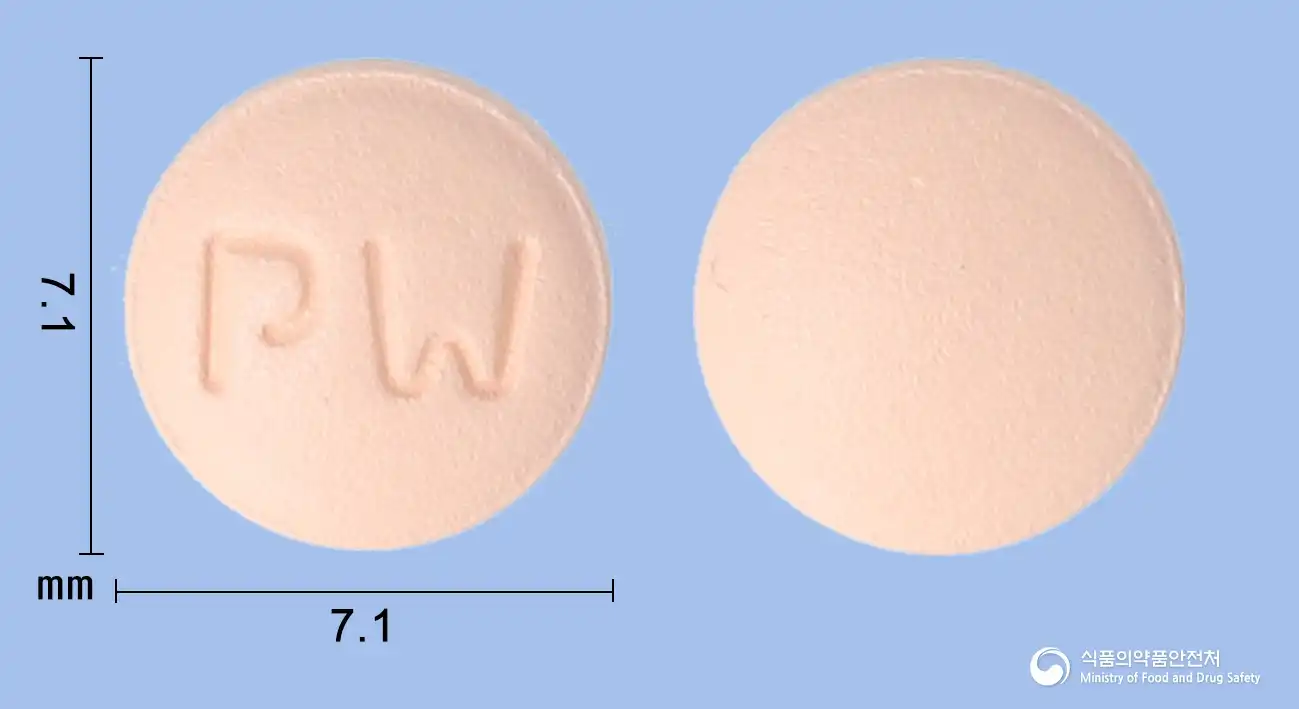
Olopatadine Hydrochloride 5mg
Tablet · Prescription medication
Daewoong Pharmaceutical Co., Ltd.
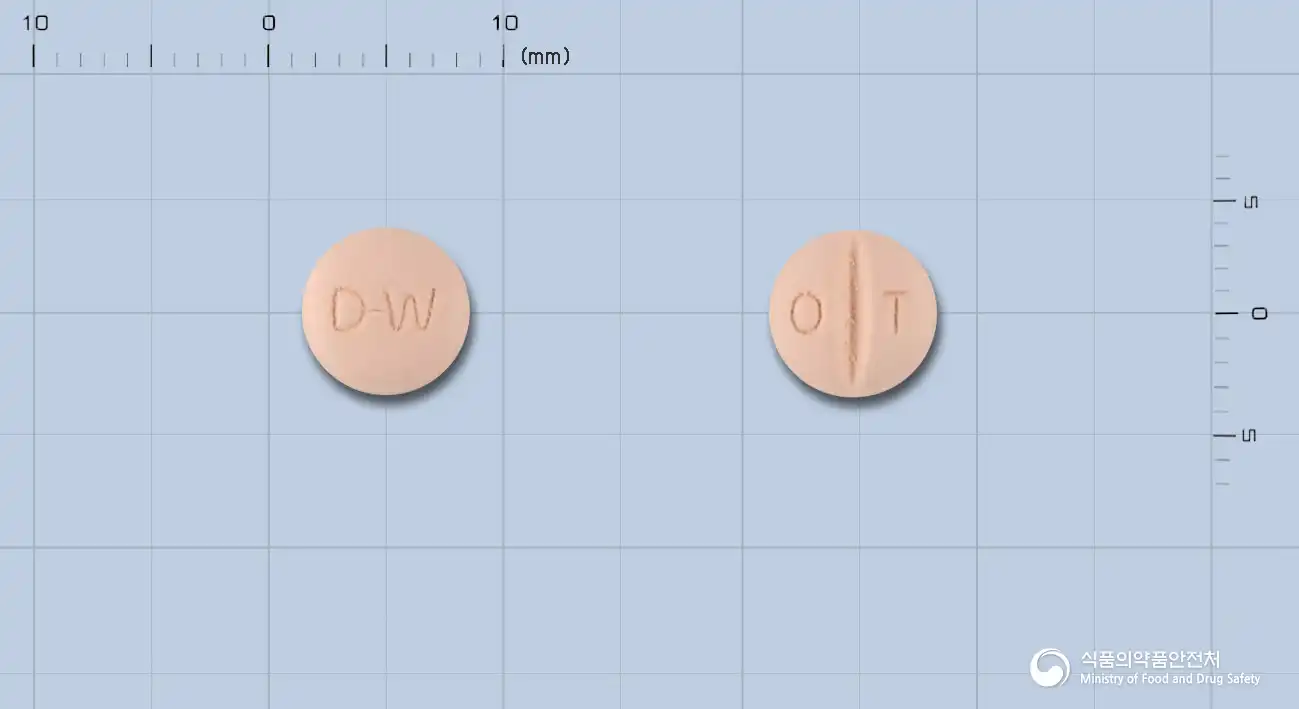
Olopatadine Hydrochloride 5mg
Tablet · Prescription medication
Dongwha Pharmaceutical Co., Ltd.
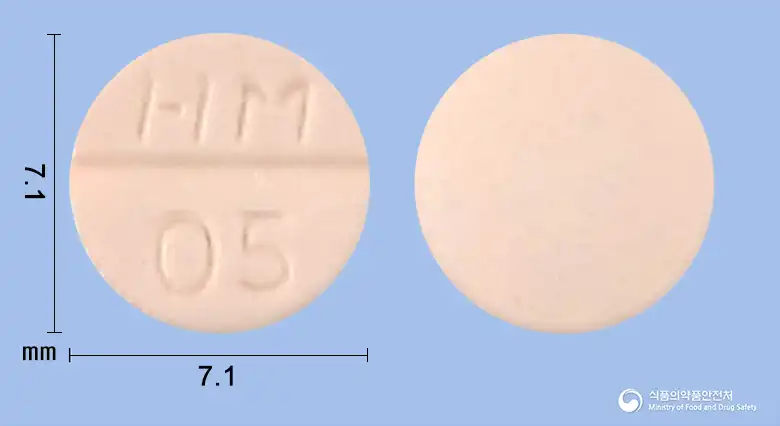
Olopatadine Hydrochloride 5mg
Tablet · Prescription medication
Hanmi Pharmaceutical Co., Ltd.
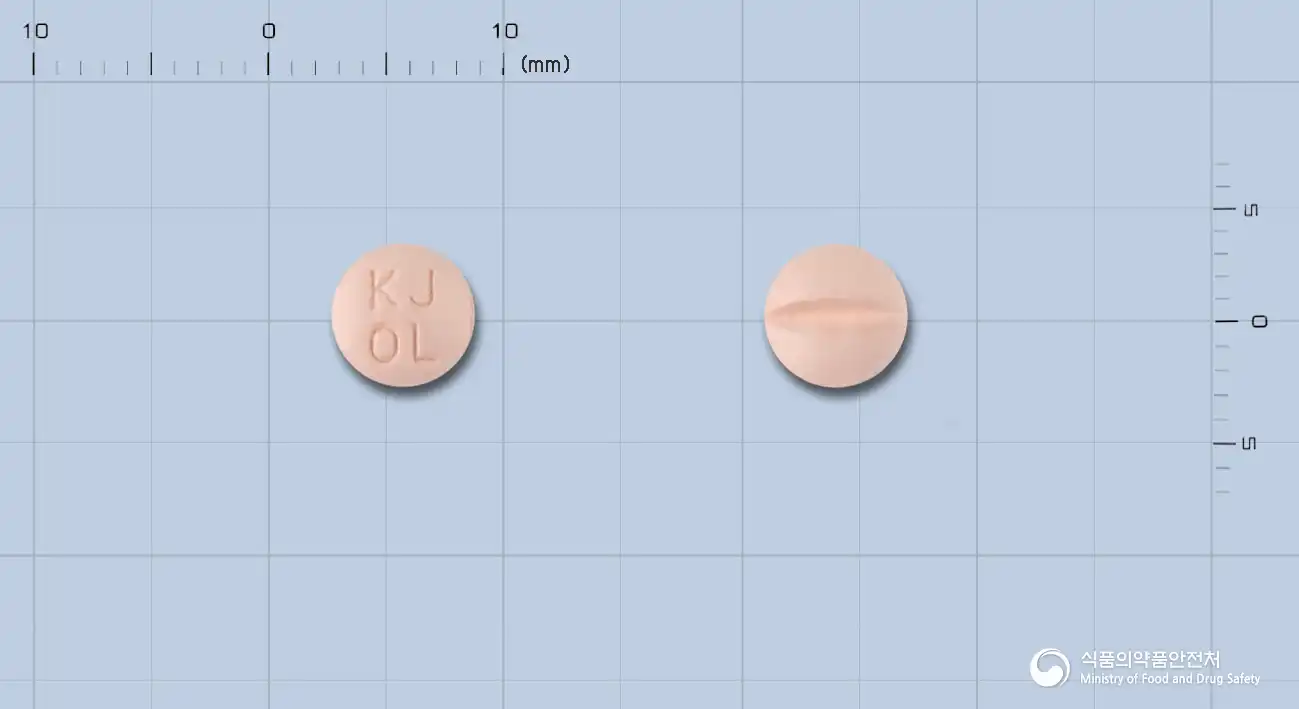
Olopatadine Hydrochloride 5mg
Tablet · Prescription medication
International Pharmaceutical Co., Ltd.
Even with the same ingredient, the dose and directions can differ by strength and dosage form. Talk to a doctor or pharmacist before switching from a medication you are already taking.
No questions yet.
For anything that needs medical judgment, consult a doctor or pharmacist.
This drug information is based on data provided by the Korea Ministry of Food and Drug Safety.
Consult a doctor or pharmacist for accurate dosage, administration, and usage instructions.