
 한국어
 English
 日本語
 中文(简体)
Dosage form image
Viewing nowSairotan 80 mg (Valsartan)
Valsartan 80mg
Tablet · Prescription medication
Alpha Pharmaceutical Co., Ltd.
MFDS item code 201904202 · Approved 2019.06.17
This product's status changed to Expired on 2024.06.17. It may no longer be sold, so consult a doctor or pharmacist before taking it.
Treatment of essential hypertension, reduction of the risk of death after myocardial infarction, and treatment of heart failure
This drug is primarily used for blood pressure control in patients with essential hypertension. It also helps treat heart failure patients who are intolerant to ACE inhibitors, particularly those corresponding to NYHA classification II to IV. Additionally, it is effective in reducing the risk of death in patients with decreased left ventricular function after myocardial infarction. It is used to improve cardiovascular health and increase patient survival rates.
(Tablets) 1. Essential hypertension Take with water during a meal or between meals. It is recommended to take this medicine at the same time each day, if possible (e.g., in the morning). 1) Adults: The recommended dose is 80 mg of valsartan orally once daily, regardless of sex or race. The blood pressure-lowering effect develops gradually within 2 weeks and reaches its maximum after 4 weeks. For patients whose blood pressure is not adequately controlled, the dose may be increased to 160 mg daily or a diuretic may be coadministered. If further blood pressure reduction is needed, the dose may be increased to a maximum of 320 mg daily. 2) Elderly patients (75 years and older): Initiate treatment with 40 mg of this medicine once daily. 3) Patients with renal impairment: (1) Creatinine clearance 20 ∼ 50 mL/min: No dose adjustment is necessary. (2) Creatinine clearance 10 ∼ 20 mL/min: Initiate treatment with 40 mg of this medicine once daily. (3) Creatinine clearance below 10 mL/min and patients on dialysis: Do not administer this medicine. 4) Patients with intravascular volume depletion: For patients with intravascular volume depletion (e.g., patients taking high doses of diuretics whose dose cannot be reduced), initiate treatment with 40 mg of this medicine once daily. 5) Patients with hepatic impairment: For patients with mild to moderate hepatic impairment, initiate treatment with 40 mg of this medicine once daily; the dose should not exceed 80 mg daily. Do not administer this medicine to patients with severe hepatic impairment, cirrhosis, or cholestasis. 2. Heart failure Adults: The recommended starting dose is 40 mg orally twice daily. The dose may be increased to 80 mg or 160 mg per dose. When administered concomitantly with a diuretic, a reduction in the diuretic dose should be considered. The maximum daily dose is 320 mg, administered in divided doses. Triple combination therapy with this medicine, an ACE inhibitor, and a beta-blocker is not recommended. 3. Reduction of the risk of death after myocardial infarction Adults: Treatment may be initiated within 12 hours after the onset of myocardial infarction. The recommended starting dose is 20 mg twice daily. Over the following several weeks, increase the dose, as tolerated by the patient, to 40 mg, 80 mg, and 160 mg per dose twice daily. Consider dose reduction if symptoms of hypotension or renal failure occur. This medicine may also be administered to patients receiving other treatments after myocardial infarction (e.g., thrombolytics, acetylsalicylic acid, beta-blockers, and statins). However, concomitant use with an ACE inhibitor is not recommended. 4. Patients with renal impairment: No dose adjustment is necessary for patients with creatinine clearance of 10 mL/min or more. However, do not administer this medicine to patients with creatinine clearance below 10 mL/min or patients on dialysis, as there is no experience with its use in these patients. 5. Patients with hepatic impairment: For patients with mild to moderate hepatic impairment, the daily dose of this medicine should preferably not exceed 80 mg. If administering 80 mg or more daily, consider whether the benefits of increasing the dose outweigh the risks. Do not administer this medicine to patients with severe hepatic impairment, cirrhosis, or cholestasis.
1. Essential hypertension: The safety and efficacy of this medicine have not been established in children and adolescents under 18 years of age. 6. Children: The safety and efficacy of this medicine have not been established in children and adolescents under 18 years of age.
This medication can cause serious harm to the fetus if taken during pregnancy, especially in the second and third trimesters, so it should be discontinued immediately if pregnancy is confirmed. Women who are pregnant or may become pregnant, as well as nursing mothers, should not take this medication. Patients with severely impaired liver function or certain liver diseases should not use this medication. Patients allergic to this medication or its ingredients should also avoid taking it. Patients with severely impaired kidney function or certain kidney diseases should also refrain from using this drug. Elderly patients, those with high potassium levels, or those with slightly impaired liver function should use this medication cautiously, and dosage adjustments may be necessary. Patients with heart valve disease or hypertrophic cardiomyopathy should also exercise caution. Patients experiencing hypotension or volume depletion may experience a rapid drop in blood pressure during the initial use of this drug, so their conditions should be closely monitored. Patients after heart failure or myocardial infarction must carefully monitor changes in kidney function, and caution is necessary when using this drug simultaneously with other heart medications. Patients undergoing dialysis or those on strict low-salt diets should also start with low doses, observing their conditions during administration. It is advisable to avoid use within 24 hours before surgery. This medication may interact with other antihypertensive drugs, certain diuretics, potassium supplements, etc., so it should be discussed with healthcare professionals. Patients may experience dizziness or hypotension symptoms while taking this medication, so caution is advised when driving or operating machinery. In case of overdose, severe hypotension or loss of consciousness may occur, and immediate medical attention is required. For children's safety, it should be stored out of reach of children, and it is preferable not to transfer to another container.
Not everyone experiences these, and they can vary from person to person.
This medication may be sensitive to air and moisture, so it should be stored in a tightly closed container. Additionally, it is important to keep it in a cool place below 30 degrees Celsius to maintain its efficacy.
Pink round film-coated tablets
30 tablets - 30 tablets/bottle, 100 tablets - 100 tablets/bottle
Even with the same ingredient, strength, dosage form and how it is taken can differ.
Valsartan 80mg
Tablet · Prescription medication
Alpha Pharmaceutical Co., Ltd.
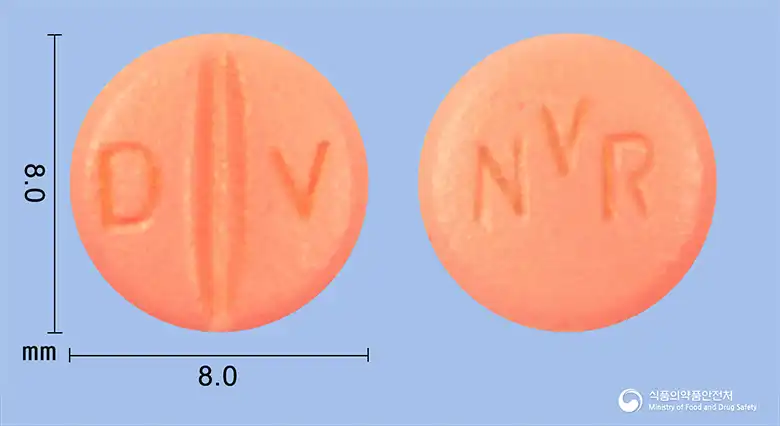
Valsartan 80mg
Tablet · Prescription medication
Novartis Korea Co., Ltd.
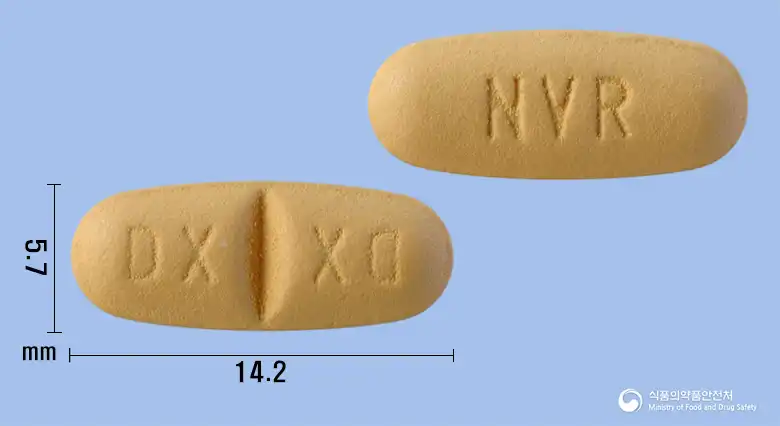
Valsartan 160mg
Tablet · Prescription medication
Novartis Korea Co., Ltd.
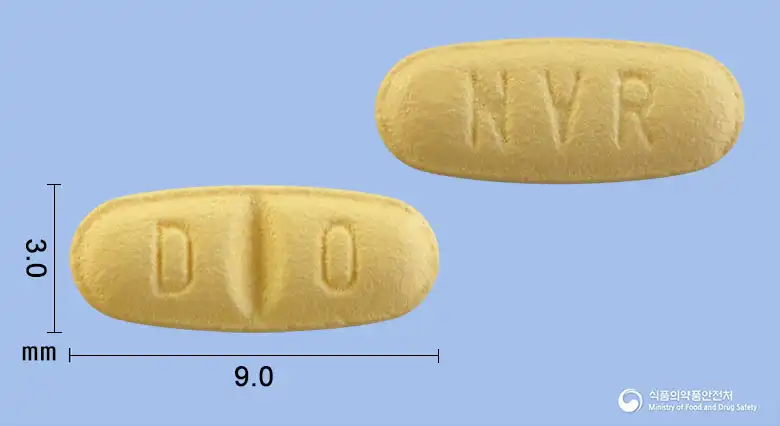
Valsartan 40mg
Tablet · Prescription medication
Samsung Novartis Co., Ltd.
Valsartan
Prescription medication
Korea Sandos Co., Ltd.
Valsartan
Prescription medication
Korea Sandos Co., Ltd.
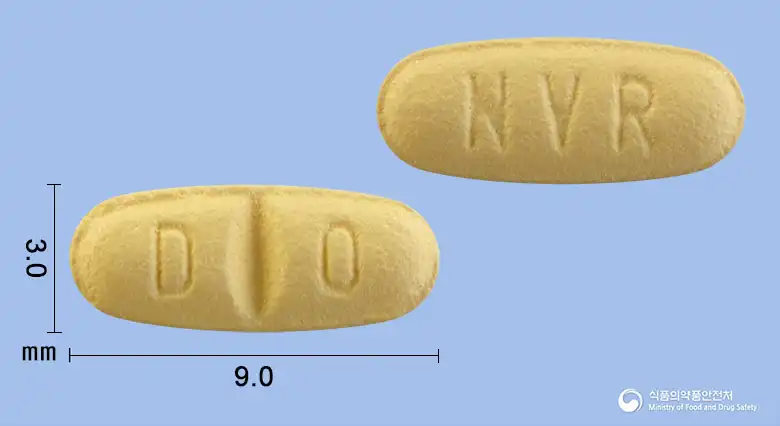
Valsartan
Prescription medication
Korea Sandos Co., Ltd.
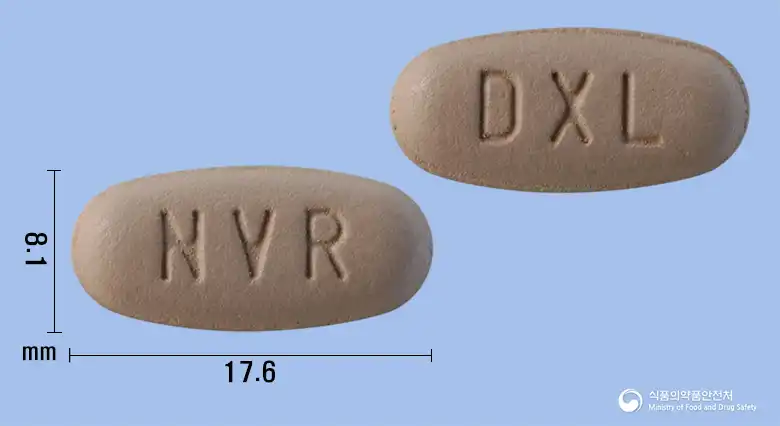
Valsartan 320mg
Tablet · Prescription medication
Novartis Korea Co., Ltd.
Even with the same ingredient, the dose and directions can differ by strength and dosage form. Talk to a doctor or pharmacist before switching from a medication you are already taking.
No questions yet.
For anything that needs medical judgment, consult a doctor or pharmacist.
This drug information is based on data provided by the Korea Ministry of Food and Drug Safety.
Consult a doctor or pharmacist for accurate dosage, administration, and usage instructions.