
 한국어
한국어 English
 日本語
日本語 中文(简体)
Dosage form image
Viewing nowCombinationTralitin Combi Tablet 2.5/500 mg
Linagliptin 2.5mg · Metformin Hydrochloride 500mg
Tablet · Prescription medication · Combination
Daewon Pharmaceutical Co., Ltd.
MFDS item code 201904184 · Approved 2019.06.14
This product's status changed to Expired on 2024.06.14. It may no longer be sold, so consult a doctor or pharmacist before taking it.
Improvement of blood sugar control in adult type 2 diabetes
This medication is used in conjunction with diet and exercise to improve blood sugar control in adults with type 2 diabetes. Initially, it can be administered if blood sugar control is difficult with monotherapy and no diabetes medication has been used. It can be used to replace combined therapy of linagliptin and metformin, and in cases where blood sugar control is insufficient with combined insulin and metformin therapy, it is administered in combination with insulin. Additionally, it is used to improve blood sugar control when blood sugar management is difficult even with the maximum dosage of metformin and empagliflozin by combining this medication with empagliflozin.
The dosage of this medication should be determined considering each patient's treatment regimen, efficacy, and tolerability, without exceeding the maximum recommended dosages of linagliptin 2.5 mg and metformin 1000 mg, taken twice daily. This medication is to be administered twice daily with meals. 1. If not currently treated with metformin: The initial dosage is 2.5/500 mg taken twice daily, one tablet per dose and may increase to 2.5/1000 mg taken twice daily, one tablet per dose.
This medication helps to control blood sugar. However, it should not be used in patients with severely impaired kidney function or acute heart disease, or in patients with liver dysfunction. Pregnant or nursing women are also advised not to take this medication. This medication can cause hypoglycemia, so caution should be exercised to monitor blood sugar changes when used in combination with insulin or sulfonylureas. Particularly, the risk of hypoglycemia increases with excessive exercise, insufficient food intake, or alcohol consumption. A rare side effect known as lactic acidosis may occur, which poses a greater risk during sudden deterioration of kidney function, severe infections, or dehydration. In such cases, immediate consultation with a physician and cessation of medication are necessary. Regular blood tests to check kidney function and vitamin B12 levels are important during the use of this medication. Additionally, this medication may cause pancreatitis or blistering skin conditions, so any severe abdominal pain or skin abnormality symptoms should be reported to healthcare professionals immediately. There may be drug interactions; hence, if taking other medications, it is essential to inform the physician or pharmacist, especially when used with medications that affect the kidneys. The safety and efficacy of this medication have not been established in children, and dosage adjustments should be considered for elderly patients due to decreased kidney function. Finally, this medication should be stored out of the reach of children and protected from moisture.
urticaria, angioedema, lactic acidosis, pancreatitis, similar dermatitis, acute pancreatitis, angioedema, acute myocardial infarction, cardiac arrest, unstable angina, angina pectoris, congestive heart failure, acute kidney injury, hepatitis, acute cholangitis, acute cholecystitis, cholangitis, severe allergic reactions, severe rashes with high fever, blisters, skin peeling, pain in oral/ocular mucosa, severe skin abnormal reactions, shortness of breath or difficulty breathing, asthmatic attacks, cough+
Not everyone experiences these, and they can vary from person to person.
This medication should be stored in a tightly sealed container to avoid exposure to air and moisture, ideally at room temperature between 1 and 30 degrees Celsius. Storing it this way helps to maintain the effectiveness of the medication and prevent degradation.
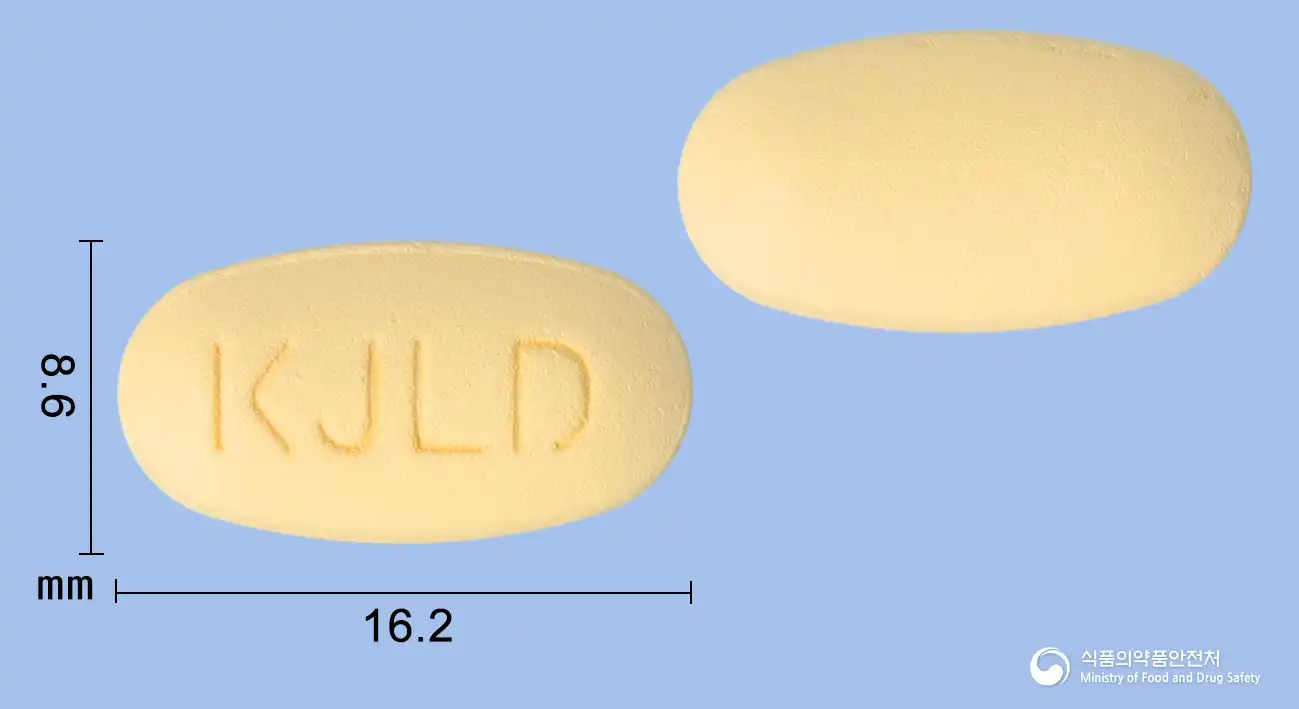
Bright yellow, biconvex, oval-shaped film-coated tablet
60 tablets (10 tablets/ PTP X 6)
Even with the same ingredient, strength, dosage form and how it is taken can differ.
Linagliptin 2.5mg · Metformin Hydrochloride 500mg
Tablet · Prescription medication · Combination
Daewon Pharmaceutical Co., Ltd.
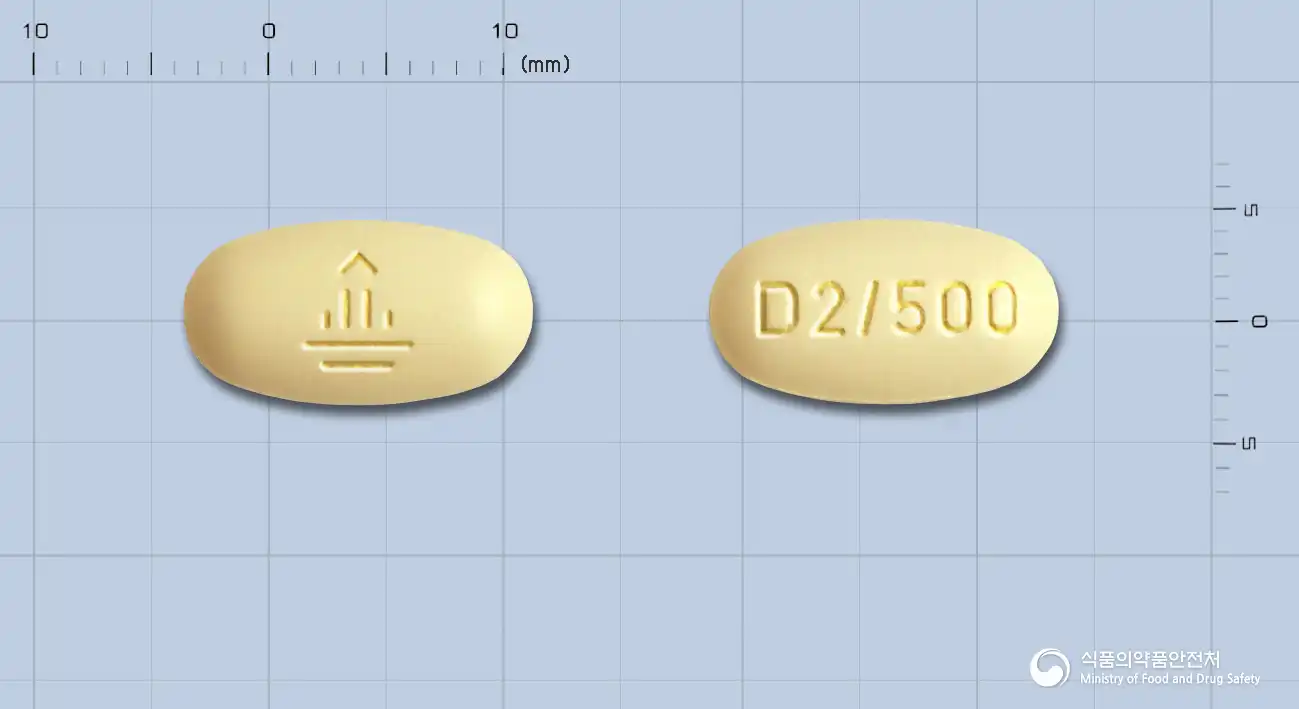 Combination
Linagliptin 2.5mg · Metformin Hydrochloride 500mg
Tablet · Prescription medication · Combination
Boehringer Ingelheim Korea Co., Ltd.
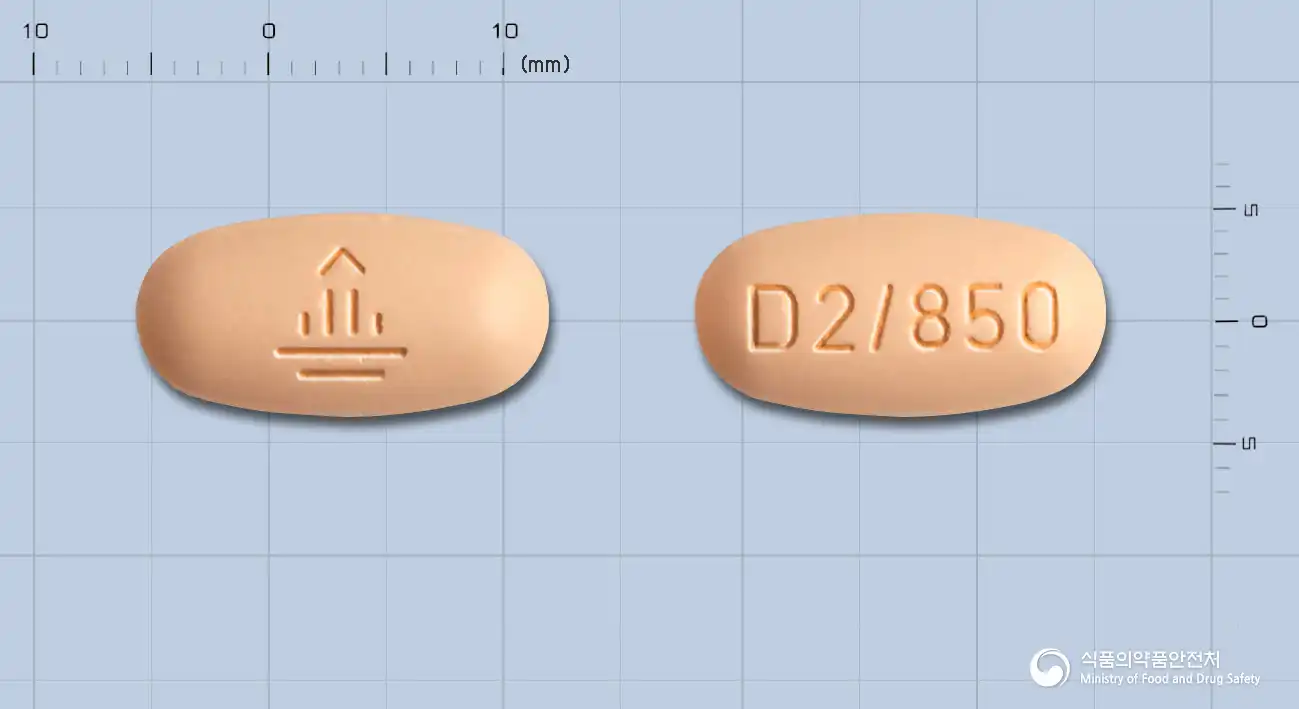 Combination
Linagliptin 2.5mg · Metformin Hydrochloride 850mg
Tablet · Prescription medication · Combination
Boehringer Ingelheim Korea Co., Ltd.
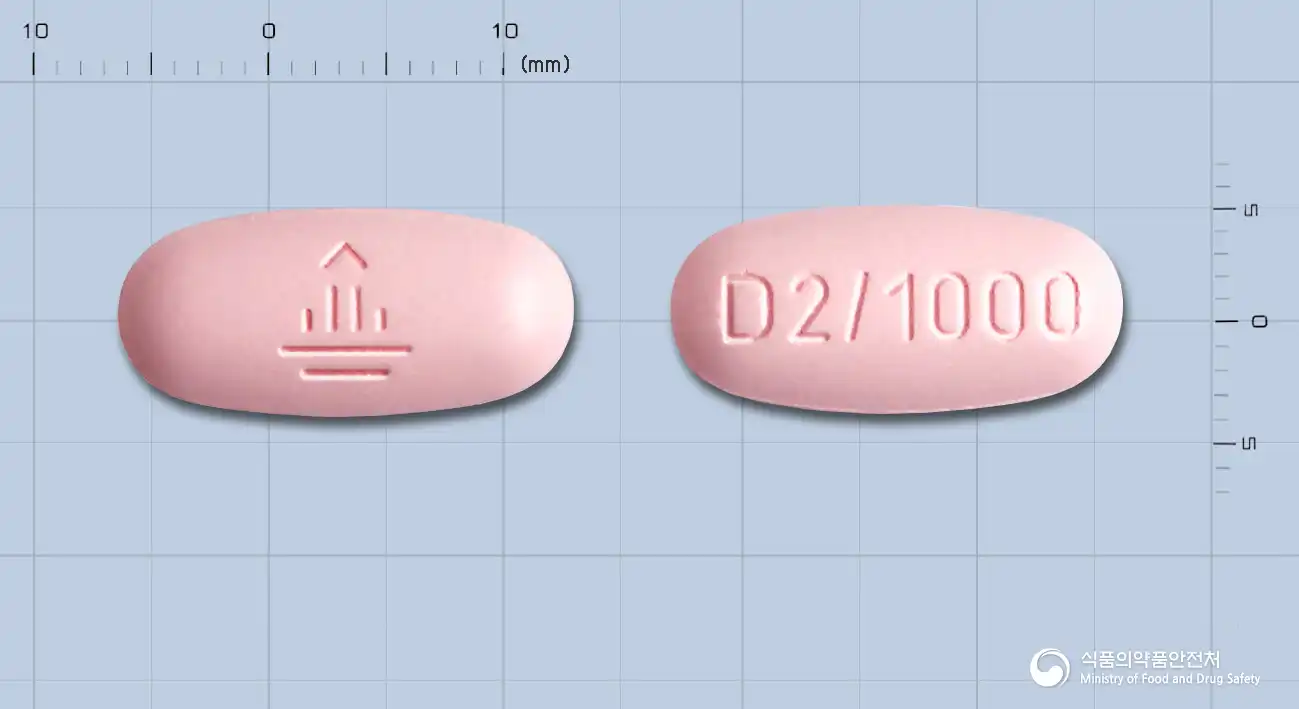 Combination
Linagliptin 2.5mg · Metformin Hydrochloride 1000mg
Tablet · Prescription medication · Combination
Boehringer Ingelheim Korea Co., Ltd.
Linagliptin 2.5mg · Metformin Hydrochloride 1000mg
Tablet · Prescription medication · Combination
Anguk Pharm Co., Ltd.
Linagliptin 2.5mg · Metformin Hydrochloride 1000mg
Prescription medication · Combination
Hanmi Pharmaceutical Co., Ltd.
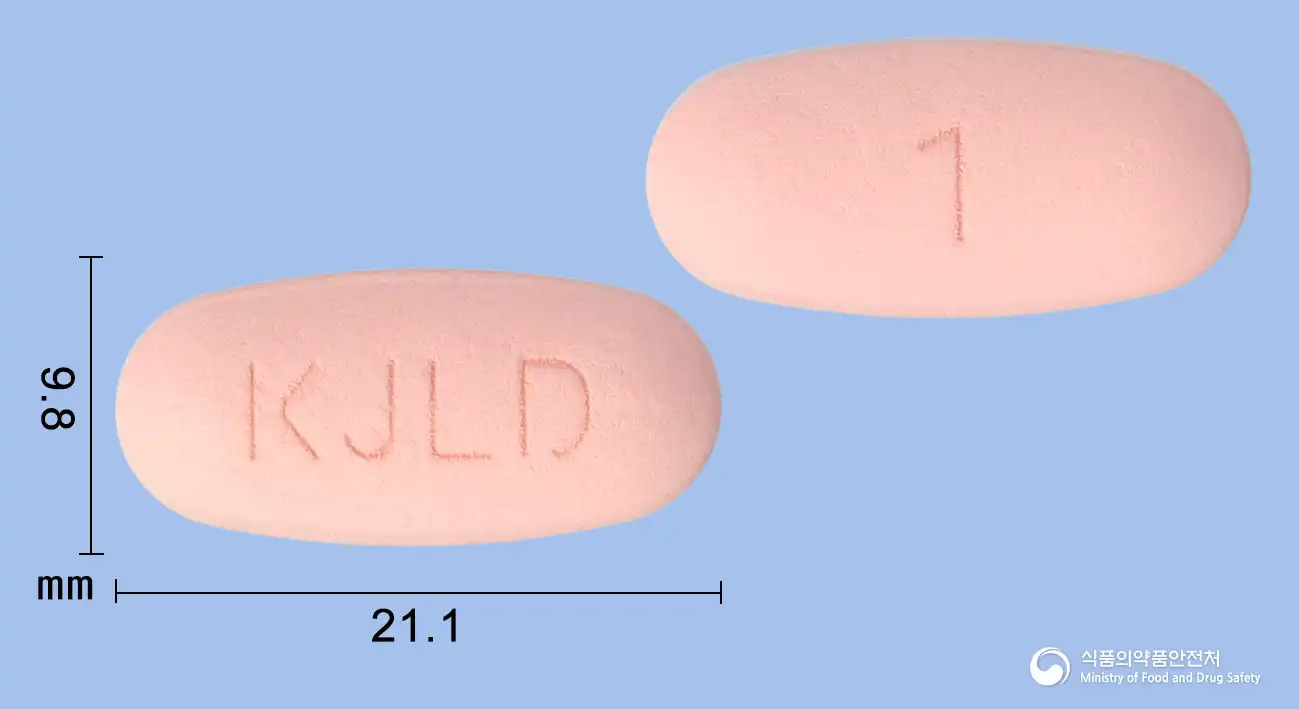 Combination
Linagliptin 2.5mg · Metformin Hydrochloride 1000mg
Tablet · Prescription medication · Combination
Kukje Pharmaceutical Co., Ltd.
 Combination
Linagliptin 2.5mg · Metformin Hydrochloride 500mg
Tablet · Prescription medication · Combination
International Pharmaceutical Co., Ltd.
Even with the same ingredient, the dose and directions can differ by strength and dosage form. Talk to a doctor or pharmacist before switching from a medication you are already taking.
No questions yet.
For anything that needs medical judgment, consult a doctor or pharmacist.
This drug information is based on data provided by the Korea Ministry of Food and Drug Safety.
Consult a doctor or pharmacist for accurate dosage, administration, and usage instructions.