
 한국어
 English
 日本語
 中文(简体)
 Viewing now
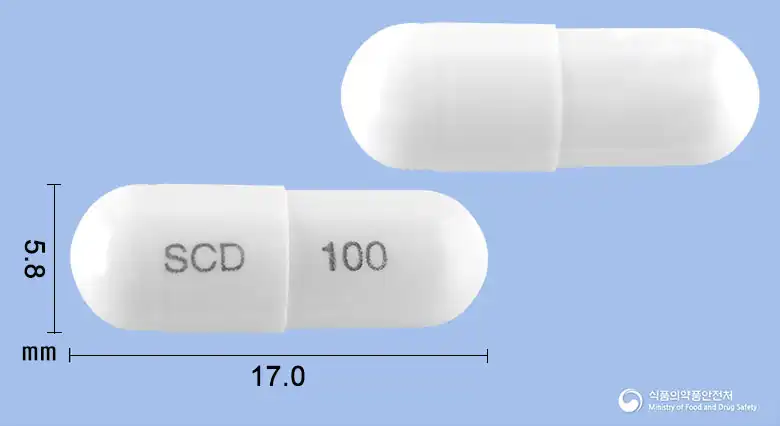
Esclo Sustained Release Capsule 100mg (Cilostazol)
Cilostazol 100mg
Hard capsule · Prescription medication
Optus Pharmaceutical Co., Ltd.
MFDS item code 201903689 · Approved 2019.05.31 · Insurance code 674101810
Improvement of symptoms of chronic arterial occlusion (ulcers, pain, etc.); prevention of recurrent cerebral infarction
This medication helps improve ischemic symptoms such as ulcers, pain, and cold sensation caused by chronic arterial occlusive disease. It is also used to prevent recurrence after cerebral infarction to protect the patient's health. This effect contributes to improving blood circulation and alleviating symptoms.
The usual adult dose is 200mg orally once daily. Take this medicine on an empty stomach, avoiding meals.
This medication may increase heart rate and potentially show symptoms of angina, so careful observation for symptoms such as chest pain is necessary. It should not be used in patients with a tendency to bleed, those who have recently had a hemorrhagic stroke, peptic ulcers, or surgery, and those with congestive heart failure should use it cautiously as symptoms may worsen. Patients who have had allergic reactions to this medication or its components, pregnant or breastfeeding women should not be treated with it. Patients taking anticoagulants, antiplatelet agents, thrombolytics, menstruating women, those with heart-related diseases, severely impaired kidney or liver function, and diabetic patients should use this medication with caution. This medication may cause various side effects such as headaches, diarrhea, palpitations, joint pain, chest discomfort, and serious conditions like severe bleeding, blood abnormalities, pneumonia, or heart problems may occur, necessitating immediate consultation with healthcare providers. During treatment, blood pressure should be well controlled, and any signs of bleeding or blood disease should be reported immediately, as dizziness may occur; thus caution is advised when driving or operating machinery. This medication may have increased blood concentration when taken with meals, so it is preferable to take it on an empty stomach, especially after high-fat meals, caution is advised. Patients with liver or kidney impairments may be affected in metabolism and excretion of this medication, thus dose adjustment and careful monitoring may be required. This medication is metabolized by various enzymes in the liver; therefore, interactions may occur if taken with certain drugs, necessitating caution during concomitant administration. Pregnant women should not take it as it may affect the fetus, and breastfeeding should be discontinued if using this medication. The safety for use in children and newborns has not been established, thus it is better to avoid their use. Elderly patients may have reduced body functions; therefore, caution such as dose adjustment is needed. In cases of overdose, symptoms like headaches, diarrhea, hypotension, tachycardia, and arrhythmias may occur, requiring immediate medical treatment.
Not everyone experiences these, and they can vary from person to person.
This medication may be sensitive to air or moisture, so it should be stored in a tightly sealed container. It is advisable to keep the medication at room temperature between 1 to 30 degrees to maintain its effectiveness.
A hard capsule with a white or light yellow granule inside, with a white upper and lower part.
30 capsules/bottle, 500 capsules/bottle
Even with the same ingredient, strength, dosage form and how it is taken can differ.
Viewing nowCilostazol 100mg
Hard capsule · Prescription medication
Optus Pharmaceutical Co., Ltd.
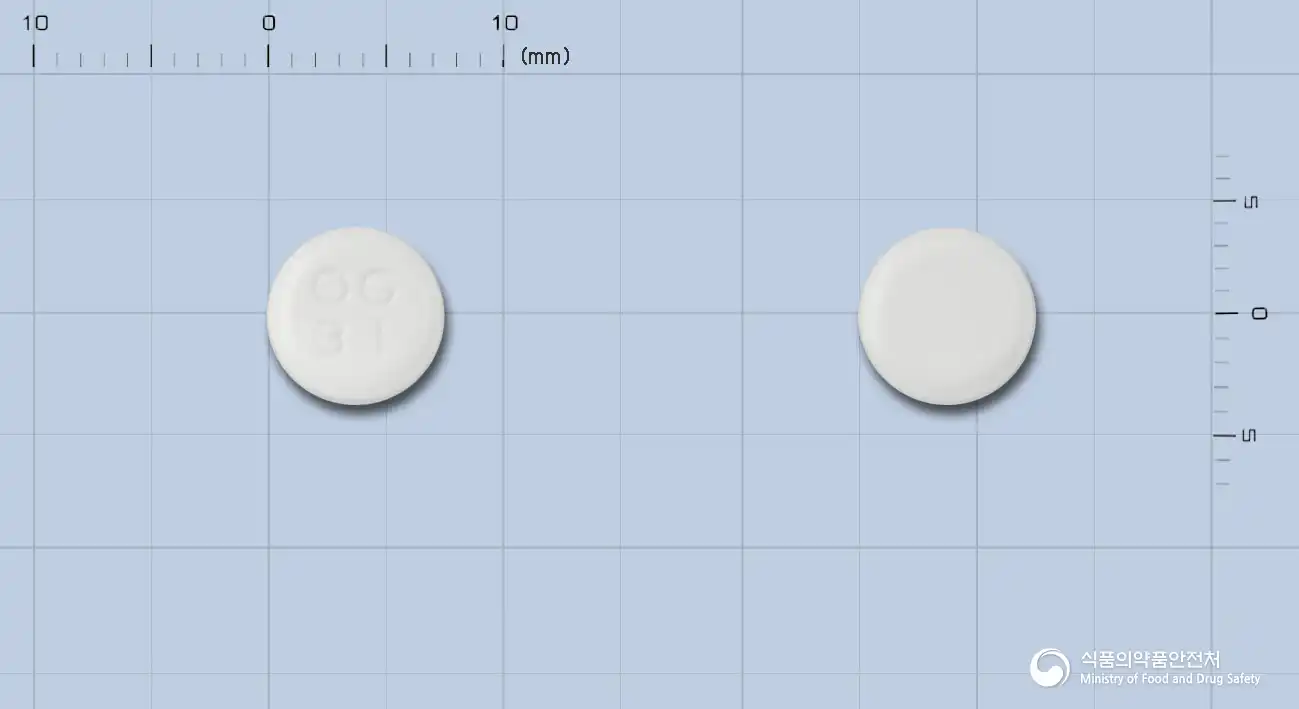
Cilostazol 50mg
Tablet · Prescription medication
Otsuka Pharmaceutical Co., Ltd.
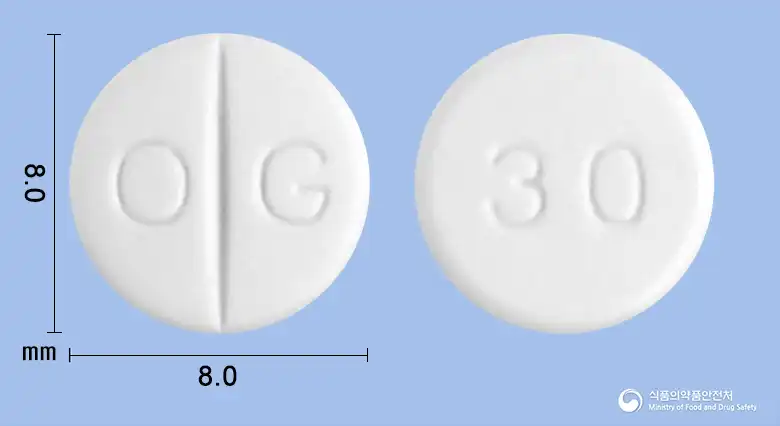
Cilostazol 100mg
Tablet · Prescription medication
Korea Otsuka Pharmaceutical Co., Ltd.
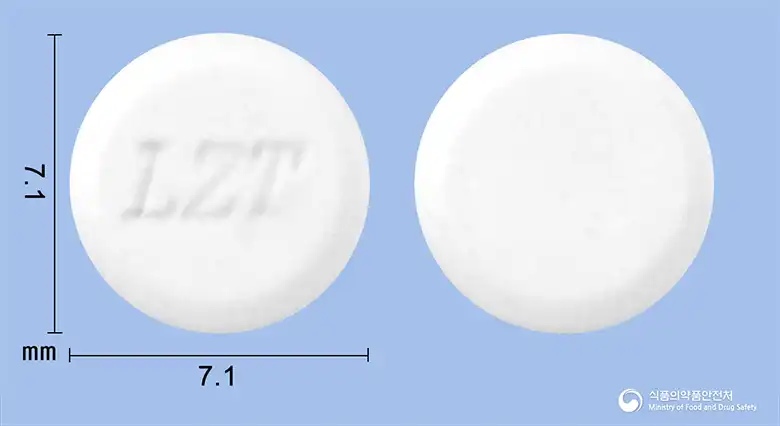
Cilostazol 50mg
Tablet · Prescription medication
Kyungdong Pharmaceutical Co., Ltd.
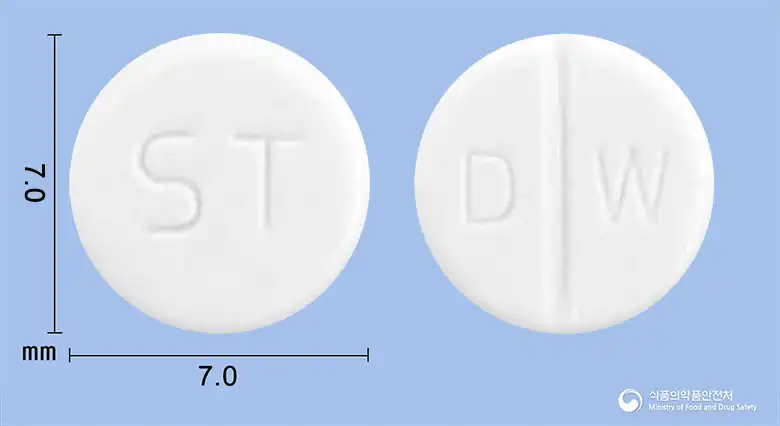
Cilostazol 50mg
Tablet · Prescription medication
Daewon Pharmaceutical Co., Ltd.
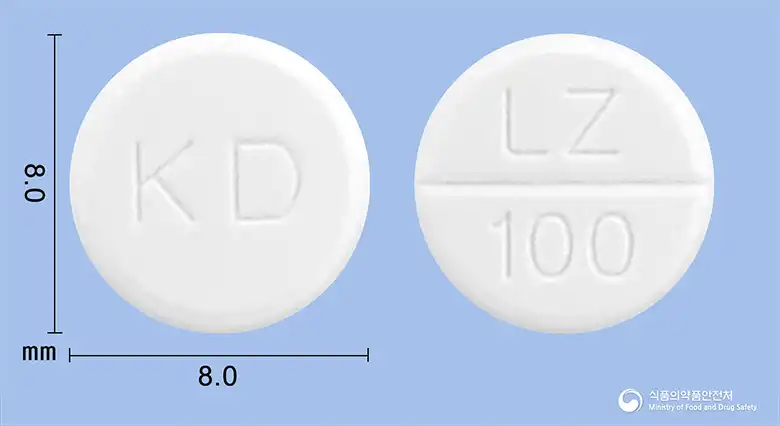
Cilostazol 100mg
Tablet · Prescription medication
Kyungdong Pharmaceutical Co., Ltd.
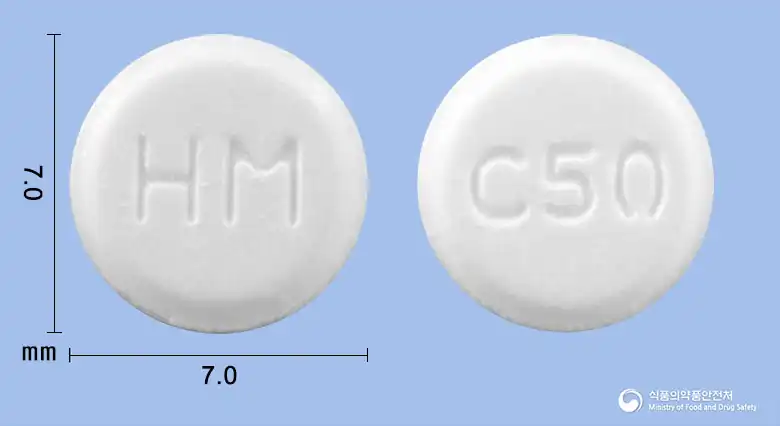
Cilostazol 50mg
Tablet · Prescription medication
Hanmi Pharmaceutical Co., Ltd.
Cilostazol
Prescription medication
Daehan New Pharm Co., Ltd.
Even with the same ingredient, the dose and directions can differ by strength and dosage form. Talk to a doctor or pharmacist before switching from a medication you are already taking.
No questions yet.
For anything that needs medical judgment, consult a doctor or pharmacist.
This drug information is based on data provided by the Korea Ministry of Food and Drug Safety.
Consult a doctor or pharmacist for accurate dosage, administration, and usage instructions.