
 한국어
한국어 English
 日本語
日本語 中文(简体)
 Viewing now
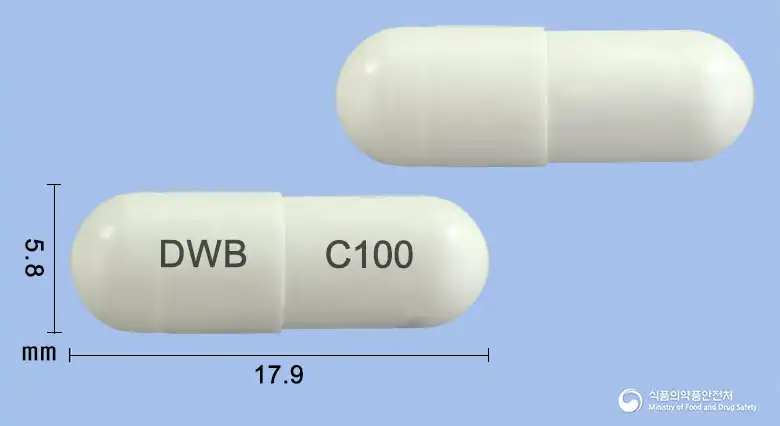
Daewoong Cilostazol Extended-Release Capsule 100 mg
Cilostazol 100mg
Hard capsule · Prescription medication
Daewoong Bio Co., Ltd.
MFDS item code 201903687 · Approved 2019.05.31 · Insurance code 694002470
Improvement of chronic arterial occlusive disease (ulcer, pain, etc.) and prevention of recurrence of cerebral infarction
This medication helps improve ischemic symptoms such as ulcers, pain, and coldness caused by chronic arterial occlusive disease. It is also used to prevent recurrence after the onset of cerebral infarction. In other words, it contributes to improving symptoms of peripheral vascular and cerebral vascular diseases by facilitating blood circulation and preventing recurrence.
For adults, take 200 mg once daily by mouth. This medication should be taken avoiding meals and on an empty stomach.
This medication may increase heart rate, which can result in symptoms of angina, hence symptoms such as chest pain should be carefully monitored. Patients at high risk for bleeding, those with congestive heart failure, individuals with allergies to this drug or its components, and women who are pregnant or breastfeeding should not take this medication. Patients taking anticoagulants or antiplatelet agents, women during menstruation, patients with coronary artery stenosis, patients with severe kidney or liver dysfunction, and diabetes patients should use this medication with caution. Side effects such as headaches, diarrhea, palpitations, joint pain, and chest discomfort can occur; if serious adverse reactions arise, discontinue use immediately and seek medical attention. For patients with cerebral infarction, medication should start only after symptoms have stabilized, and caution should be taken in managing blood pressure and interactions when taken with other antiplatelet agents. Caution is also necessary before driving or operating machinery as dizziness may occur, and the medication is best taken on an empty stomach while avoiding intake after high-fat meals. Since this medication is affected by enzymes that regulate liver function, blood concentration may increase when combined with specific drugs, so dosage adjustment and caution are needed. Women who are pregnant or of childbearing potential should not take this medication, and breastfeeding mothers should discontinue breastfeeding. Safety in children and newborns has not been established, and care should be taken in adjusting dosage in the elderly due to potential decreased bodily function. In the case of overdose, symptoms such as severe headache, diarrhea, hypotension, and tachycardia may appear, requiring immediate medical attention.
Not everyone experiences these, and they can vary from person to person.
This medication should be stored in a tightly closed container to prevent air or moisture from entering. The proper storage temperature is between 1 to 30 degrees Celsius, avoiding extremely hot or cold places.
A hard capsule with a white or light yellow granule inside, both upper and lower parts are white.
30 capsules/bottle, 500 capsules/bottle
Even with the same ingredient, strength, dosage form and how it is taken can differ.
Viewing nowCilostazol 100mg
Hard capsule · Prescription medication
Daewoong Bio Co., Ltd.
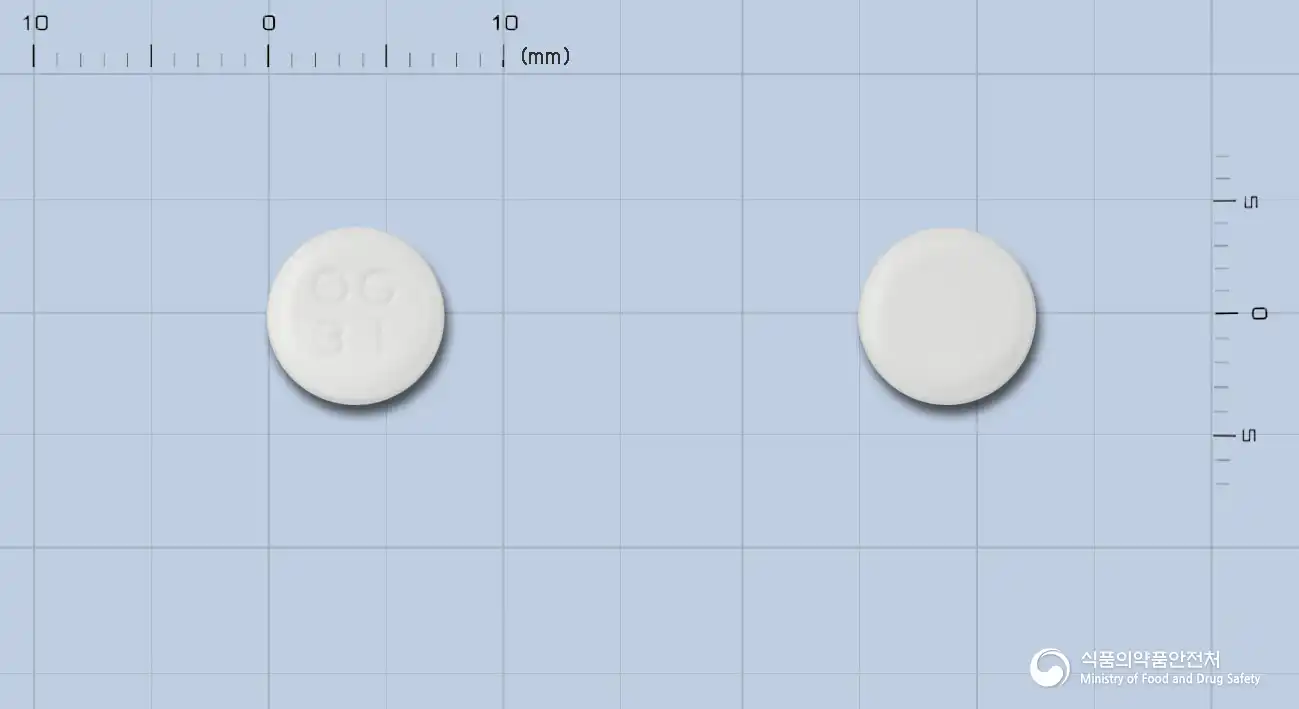
Cilostazol 50mg
Tablet · Prescription medication
Otsuka Pharmaceutical Co., Ltd.
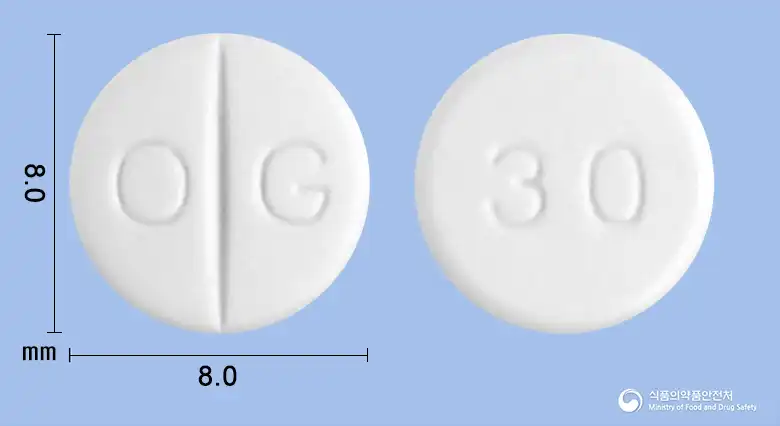
Cilostazol 100mg
Tablet · Prescription medication
Korea Otsuka Pharmaceutical Co., Ltd.
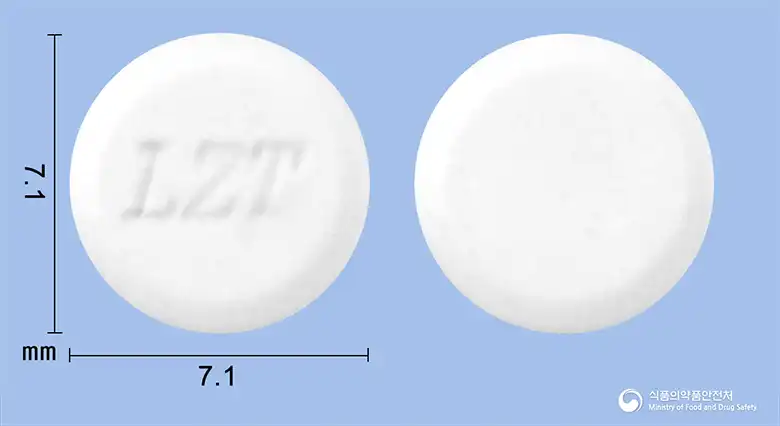
Cilostazol 50mg
Tablet · Prescription medication
Kyungdong Pharmaceutical Co., Ltd.
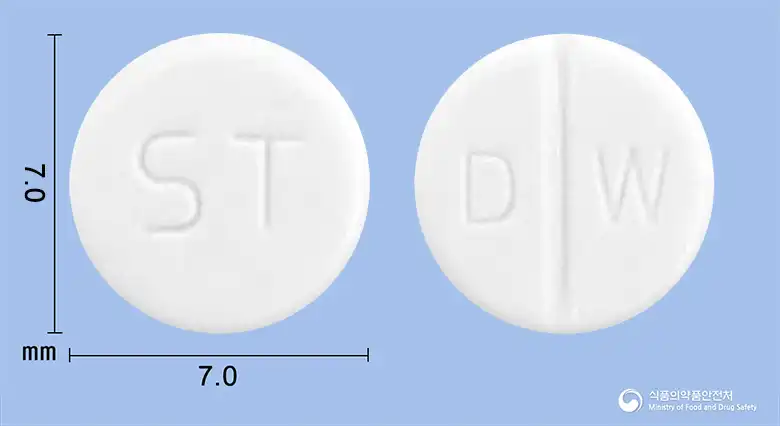
Cilostazol 50mg
Tablet · Prescription medication
Daewon Pharmaceutical Co., Ltd.
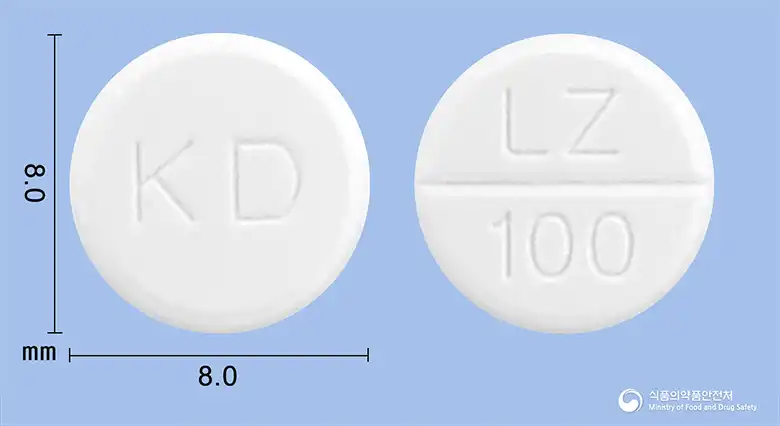
Cilostazol 100mg
Tablet · Prescription medication
Kyungdong Pharmaceutical Co., Ltd.
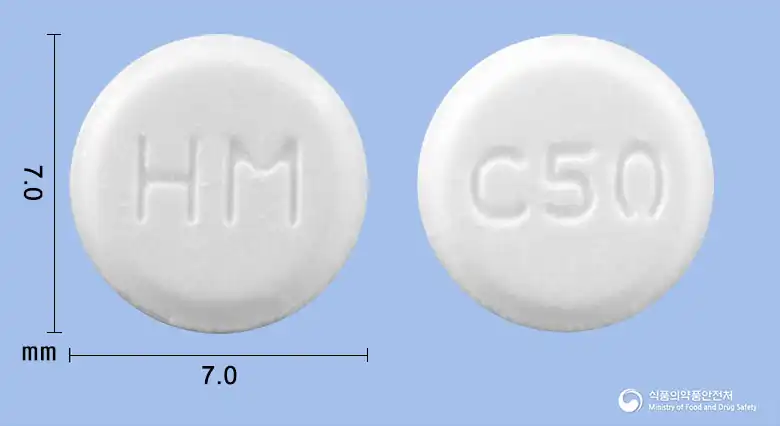
Cilostazol 50mg
Tablet · Prescription medication
Hanmi Pharmaceutical Co., Ltd.
Cilostazol
Prescription medication
Daehan New Pharm Co., Ltd.
Even with the same ingredient, the dose and directions can differ by strength and dosage form. Talk to a doctor or pharmacist before switching from a medication you are already taking.
No questions yet.
For anything that needs medical judgment, consult a doctor or pharmacist.
This drug information is based on data provided by the Korea Ministry of Food and Drug Safety.
Consult a doctor or pharmacist for accurate dosage, administration, and usage instructions.