
 한국어
한국어 English
 日本語
日本語 中文(简体)
Dosage form image
Viewing nowUnistar Sustained Release Capsule 100 mg (Cilostazol)
Cilostazol 100mg
Hard capsule · Prescription medication
Korea Union Pharmaceutical Co., Ltd.
MFDS item code 201903685 · Approved 2019.05.31
This product's status changed to Expired on 2024.05.31. It may no longer be sold, so consult a doctor or pharmacist before taking it.
Improvement of chronic arterial occlusive disease (ulcers, pain, etc.) and prevention of recurrent cerebral infarction.
This medication is used to improve ischemic symptoms such as ulcers, pain, and coldness caused by chronic arterial occlusive disease. It also helps to prevent recurrence after the onset of cerebral infarction. It is effective in alleviating symptoms of major vascular diseases and preventing their recurrence.
As cilostazol, the standard adult dosage is 200 mg taken orally once a day. This medication should be taken on an empty stomach, avoiding meals.
This medication may increase heart rate, which could result in angina symptoms such as chest pain; therefore, careful monitoring for angina symptoms is necessary. It should not be used in patients at high risk of bleeding or who have had recent bleeding disorders, patients with heart failure, patients allergic to this medication, and women who are pregnant or breastfeeding. Patients taking anticoagulants or antiplatelet drugs, women who are menstruating, patients with coronary artery disease, patients with severe renal or hepatic impairment, patients with diabetes, patients with hypertension, and patients with certain heart conditions should use this medication with caution. Side effects may include headache, diarrhea, palpitations, joint pain, and chest discomfort, and in rare cases, severe bleeding, blood abnormalities, pneumonia, and heart problems may occur, so any unusual symptoms should be reported to a doctor immediately. This medication is used after symptoms of cerebral infarction have stabilized, blood pressure must be well controlled, and if angina symptoms occur, the administration should be discontinued or the dosage adjusted. Dizziness may occur, so caution should be taken when driving or operating machinery, and taking it with food may increase blood concentration and risk of side effects, so it is recommended to take it on an empty stomach. As this medication is metabolized in the liver, blood concentration may change when taken with certain medications, so it should be used with caution and under a doctor's advice. Pregnant or breastfeeding women should not take this medication, and caution is needed for children and the elderly regarding safety. In case of overdose, severe headache, diarrhea, hypotension, and rapid heart rate may occur, and immediate medical treatment should be sought.
Urticaria, severe swelling (edema), chest tightness, difficulty breathing, cold sweat, pallor, severe allergic reactions, severe rash with high fever, blisters, skin peeling, pain in mouth/eyes mucosa, severe skin adverse reactions, breathlessness or difficulty in breathing, asthma attacks, respiratory issues with cough and fever, jaundice (yellowing of skin or eyes), severe lethargy, liver abnormalities (jaundice), sudden and
Not everyone experiences these, and they can vary from person to person.
This medication should be stored in a tightly closed container to avoid exposure to air and moisture. It is recommended to maintain a storage temperature between 1 degree Celsius and 30 degrees Celsius at room temperature.
A hard capsule with an upper and lower white color containing white or light yellow granules.
30 capsules/bottle, 500 capsules/bottle
Even with the same ingredient, strength, dosage form and how it is taken can differ.
Cilostazol 100mg
Hard capsule · Prescription medication
Korea Union Pharmaceutical Co., Ltd.
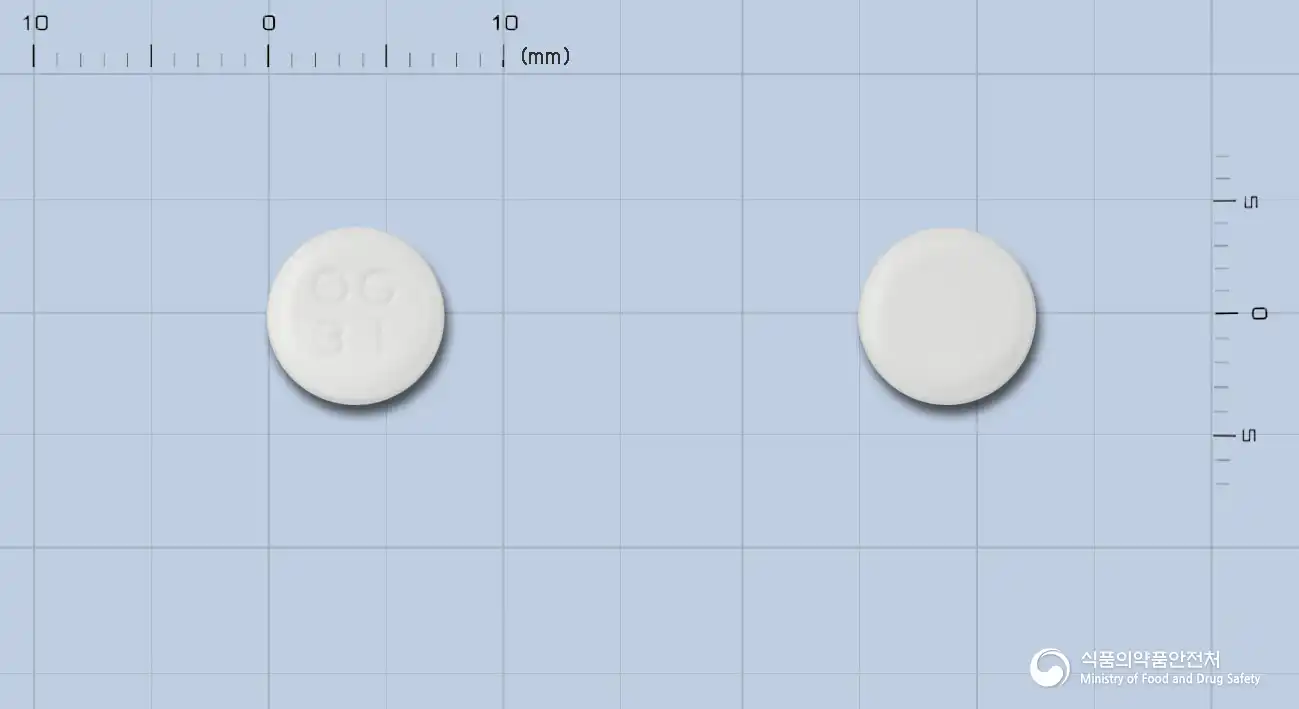
Cilostazol 50mg
Tablet · Prescription medication
Otsuka Pharmaceutical Co., Ltd.
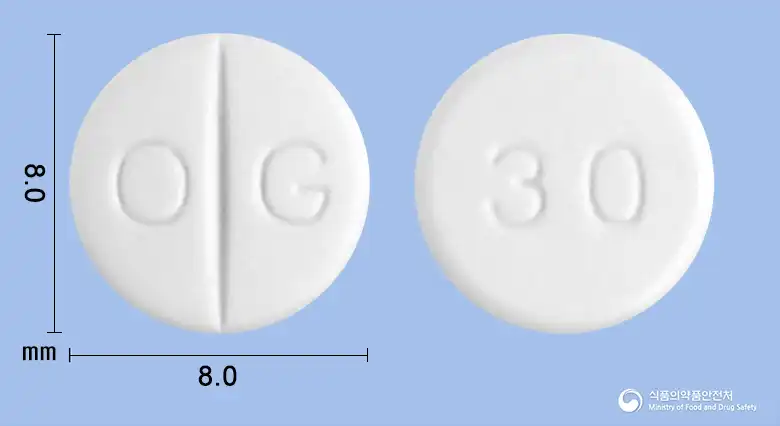
Cilostazol 100mg
Tablet · Prescription medication
Korea Otsuka Pharmaceutical Co., Ltd.
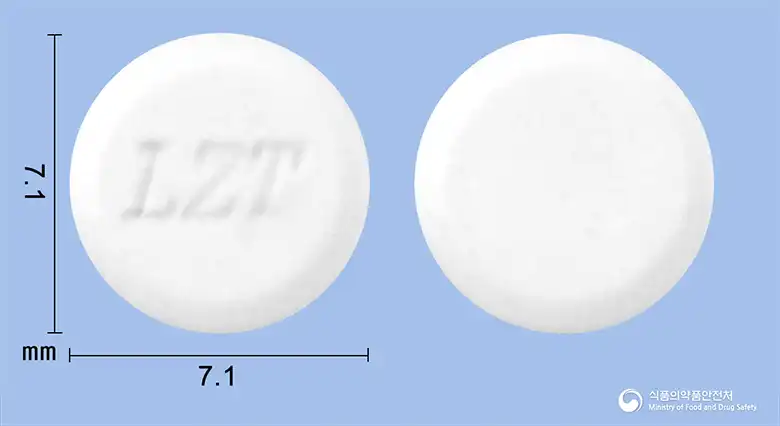
Cilostazol 50mg
Tablet · Prescription medication
Kyungdong Pharmaceutical Co., Ltd.
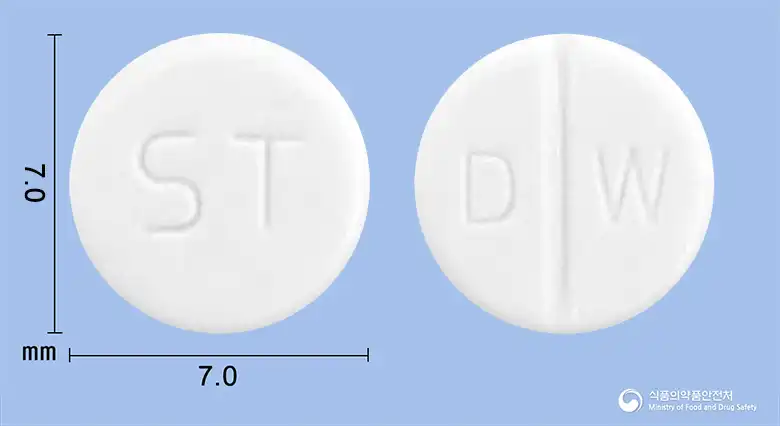
Cilostazol 50mg
Tablet · Prescription medication
Daewon Pharmaceutical Co., Ltd.
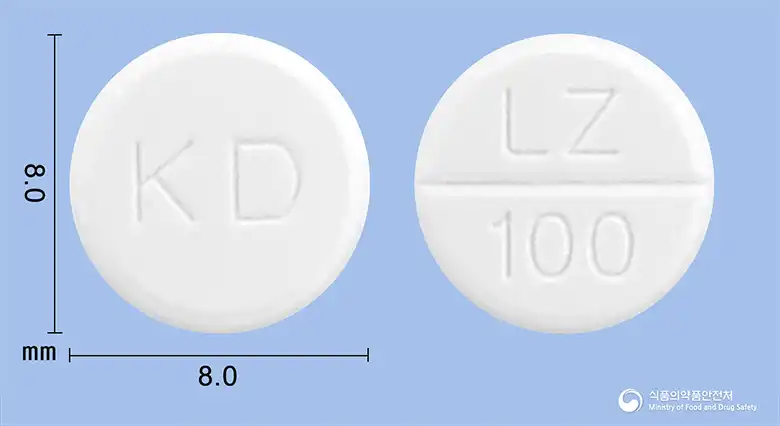
Cilostazol 100mg
Tablet · Prescription medication
Kyungdong Pharmaceutical Co., Ltd.
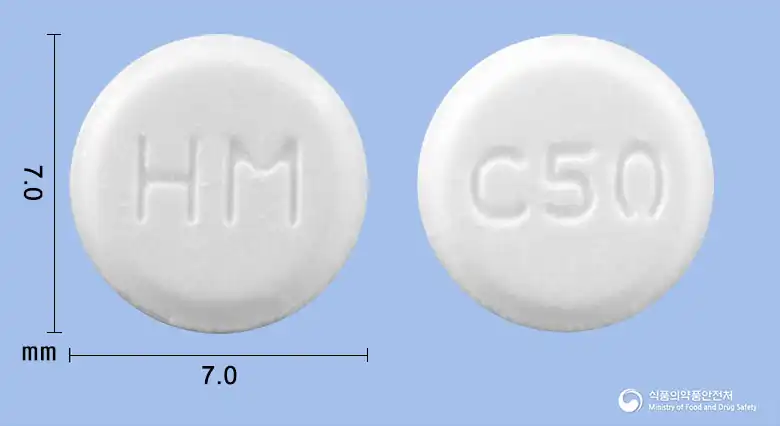
Cilostazol 50mg
Tablet · Prescription medication
Hanmi Pharmaceutical Co., Ltd.
Cilostazol
Prescription medication
Daehan New Pharm Co., Ltd.
Even with the same ingredient, the dose and directions can differ by strength and dosage form. Talk to a doctor or pharmacist before switching from a medication you are already taking.
No questions yet.
For anything that needs medical judgment, consult a doctor or pharmacist.
This drug information is based on data provided by the Korea Ministry of Food and Drug Safety.
Consult a doctor or pharmacist for accurate dosage, administration, and usage instructions.