
 한국어
 English
 日本語
 中文(简体)
 Viewing now
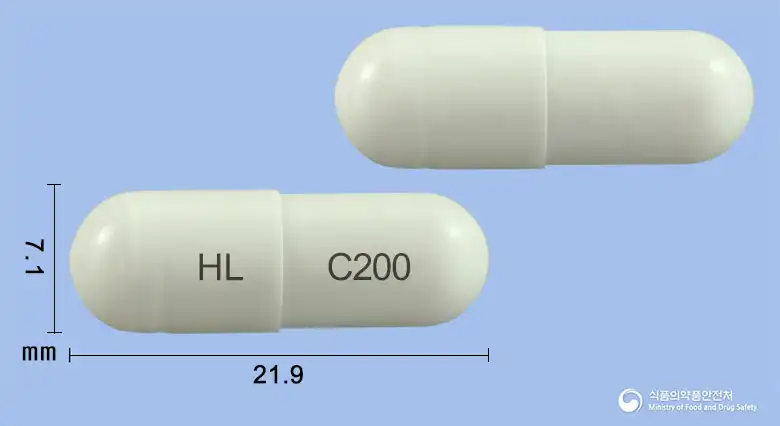
SiloDil Extended-Release Capsules 200 mg (Cilostazol)
Cilostazol 200mg
Hard capsule · Prescription medication
Hanlim Pharmaceutical Co., Ltd.
MFDS item code 201903684 · Approved 2019.05.31 · Insurance code 645306180
Improvement of ischemic symptoms of chronic arterial occlusion (pain, coldness, etc.); prevention of recurrent cerebral infarction
This medication helps improve ischemic symptoms such as ulcers, pain, and coldness due to chronic arterial occlusive disease. Additionally, it has a preventive effect against recurrence after a cerebral infarction, playing an important role in the recovery and prevention of the patient's health. Therefore, it is used for blood circulation disorders and to prevent the recurrence of cerebral infarction.
As cilostazol, the usual adult dose is 200mg orally once daily. Take this medicine on an empty stomach, avoiding meals.
This medication may increase heart rate and worsen angina symptoms, so it should be carefully monitored in case of symptoms such as chest pain. It should not be used in patients with a risk of bleeding, those who have recently suffered a hemorrhagic stroke, those with uncontrolled hypertension, congestive heart failure patients, pregnant or breastfeeding women. Patients currently taking anticoagulants or antiplatelet agents, women during menstruation, patients with severely impaired kidney or liver function, and diabetic patients should be treated with caution. Side effects such as headache, diarrhea, palpitations, joint pain, and chest discomfort may occur; if any abnormal symptoms arise, consult a physician immediately. If bleeding symptoms or signs of blood abnormalities occur, administration should be stopped immediately, and appropriate treatment should be sought. Dizziness may occur, so caution is required when driving or operating machinery; it is preferable to take the medication on an empty stomach since taking it with food can increase its blood concentration. This medication is metabolized in the liver, and taking it with certain drugs can alter its blood concentration, so it should be taken after consulting a physician. Women who are pregnant or may become pregnant should not take it, and breastfeeding should be discontinued if taking this medication. The safety in children or neonates has not been established, so it should be avoided, and elderly patients may require dosage adjustment due to reduced body function. In case of overdose, symptoms such as severe headache, diarrhea, hypotension, and tachycardia may occur, and immediate medical attention should be sought.
Headache, diarrhea, atrial fibrillation, palpitations, joint swelling, limb pain, chest discomfort, tendency to bleed (cerebral hemorrhage, pulmonary hemorrhage, subcutaneous hemorrhage, gastrointestinal bleeding, epistaxis, fundal hemorrhage, hematuria), pancytopenia, agranulocytosis, thrombocytopenia, leukopenia, aplastic anemia, interstitial pneumonia (fever, cough, dyspnea, abnormal chest X-ray, eosinophilia), congestive heart failure, myocardial infarction, angina, ventricular tachycardia, jaundice, elevated AST, elevated ALT, elevated ALP, elevated LDH, photosensitivity reaction, rash, urticaria, pruritus, back pain, infection, chills, malaise, neck stiffness, pelvic pain, retroperitoneal hemorrhage, atrial flutter, loss-of-function tachycardia, ventricular tachycardia, loss-of-function extra systole, ventricular extra systole, hypotension, orthostatic hypotension, palpitations, tachycardia, flushing, hypertension, anxiety, neuralgia, weakness, strange dreams, heaviness in the head, dizziness, insomnia, paresthesia, drowsiness, tremor, abnormal bowel movements, dyspepsia, cholelithiasis, colitis, duodenal ulcer, duodenitis, esophagitis, elevated γ-GTP, gastritis, gastroenteritis, gum bleeding, melena, peptic ulcer, periodontal abscess, gastric ulcer, tongue swelling, abdominal pain, nausea, vomiting, loss of appetite, heartburn, abdominal distension, erythrocytosis, purpura, prolonged bleeding time, thrombocytosis, eosinophilia, anemia, facial edema, peripheral edema, gout, hyperlipidemia, elevated blood sugar, myalgia, arthralgia, bone pain, bursitis, increased cough, pharyngitis, rhinitis, asthma, sinusitis, pneumonia, diabetes, dry skin, boil, skin hypertrophy, amblyopia, blindness, diplopia, ear pain, tinnitus, conjunctivitis, proteinuria, cystitis, vaginal bleeding, vaginitis, frequent urination, renal failure, renal dysfunction, elevated BUN, elevated creatinine, elevated uric acid, sweating, edema, chest pain, pain, fatigue, fever, sensory loss
Not everyone experiences these, and they can vary from person to person.
This medication may be sensitive to air and moisture; therefore, it must be stored in a tightly sealed container. It is important to maintain a storage temperature between 1 degree and 30 degrees Celsius at room temperature. This will help preserve the drug's effectiveness and safety for a long time.
A hard capsule containing white or light yellow granules with a white upper and lower part.
30 capsules/bottle, 200 capsules/bottle
Even with the same ingredient, strength, dosage form and how it is taken can differ.
Viewing nowCilostazol 200mg
Hard capsule · Prescription medication
Hanlim Pharmaceutical Co., Ltd.
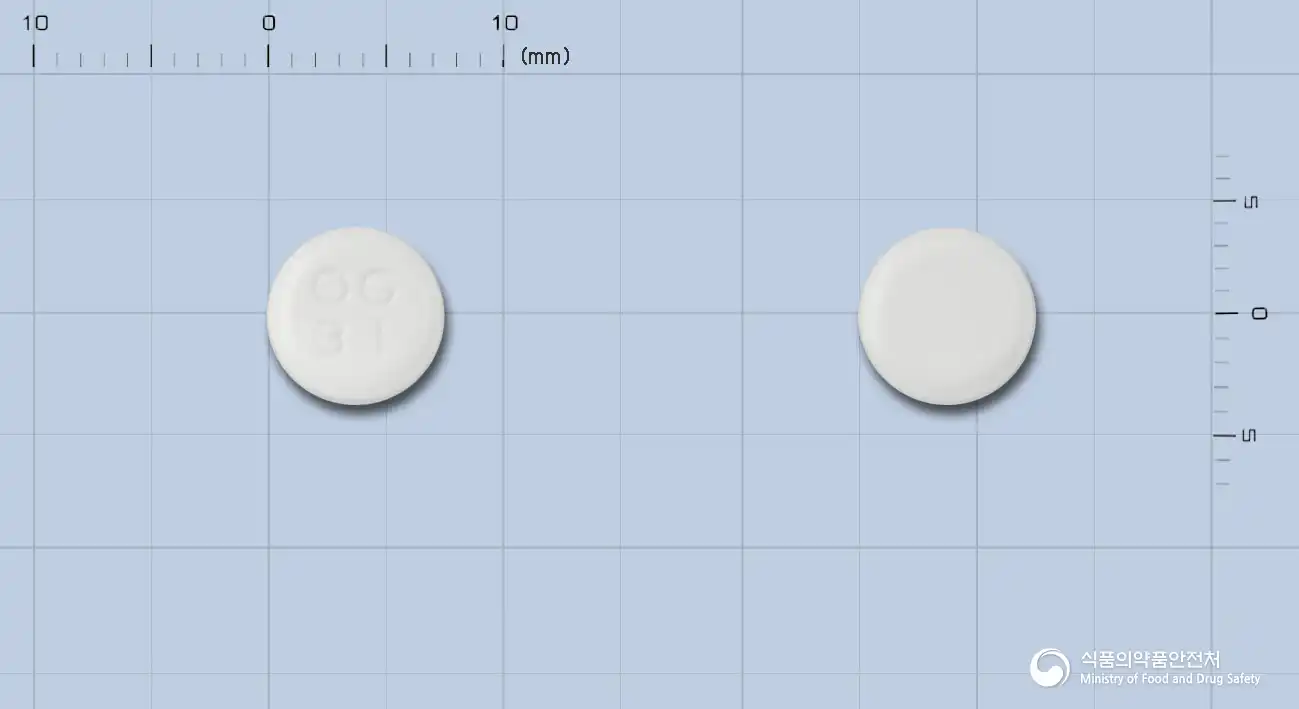
Cilostazol 50mg
Tablet · Prescription medication
Otsuka Pharmaceutical Co., Ltd.
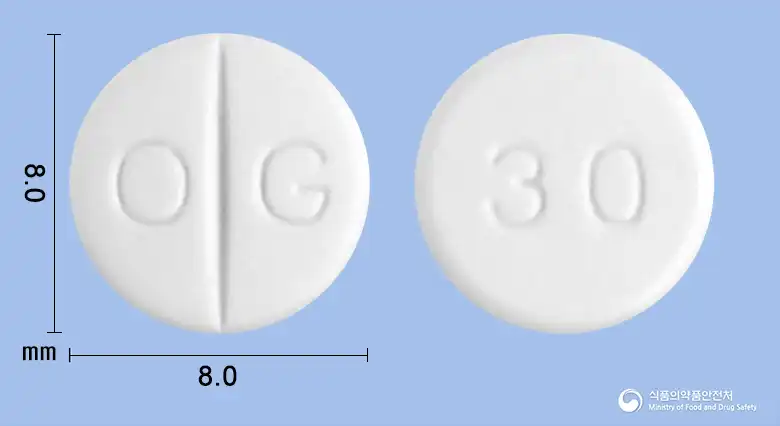
Cilostazol 100mg
Tablet · Prescription medication
Korea Otsuka Pharmaceutical Co., Ltd.
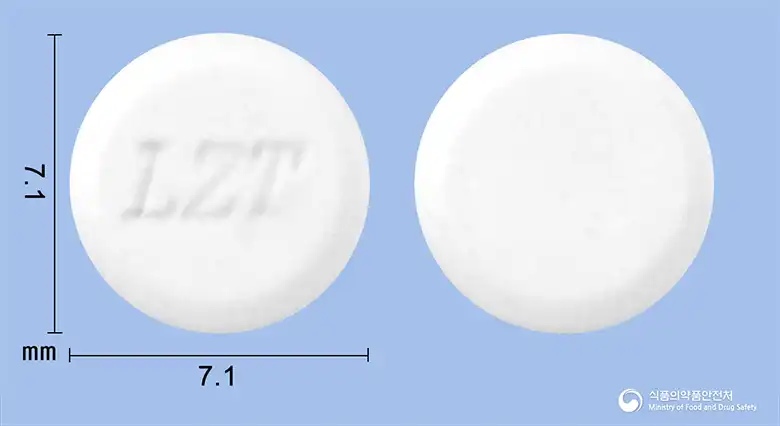
Cilostazol 50mg
Tablet · Prescription medication
Kyungdong Pharmaceutical Co., Ltd.
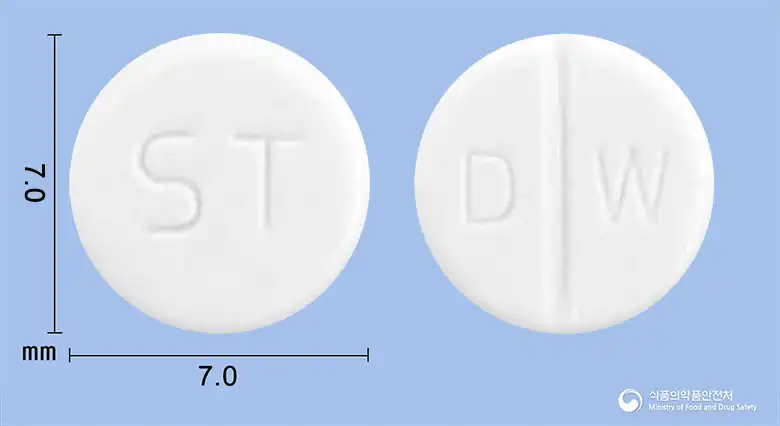
Cilostazol 50mg
Tablet · Prescription medication
Daewon Pharmaceutical Co., Ltd.
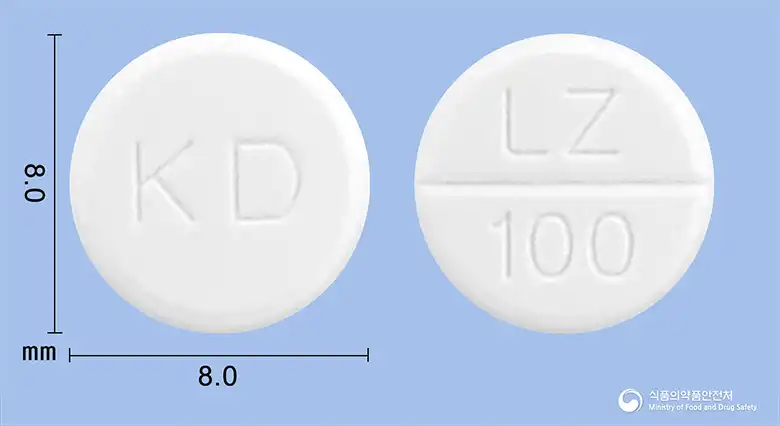
Cilostazol 100mg
Tablet · Prescription medication
Kyungdong Pharmaceutical Co., Ltd.
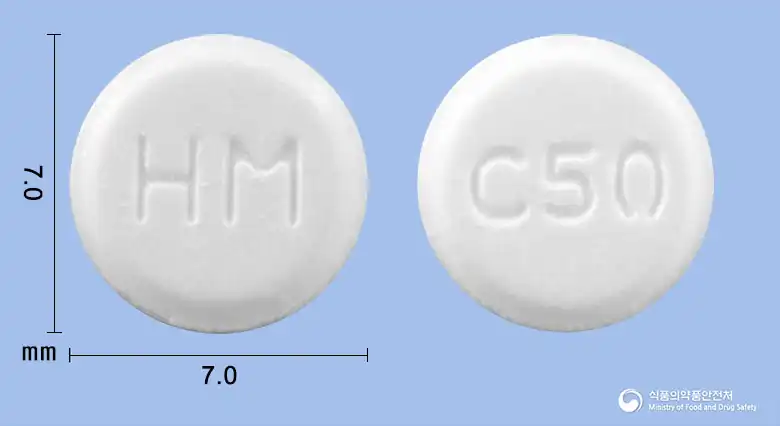
Cilostazol 50mg
Tablet · Prescription medication
Hanmi Pharmaceutical Co., Ltd.
Cilostazol
Prescription medication
Daehan New Pharm Co., Ltd.
Even with the same ingredient, the dose and directions can differ by strength and dosage form. Talk to a doctor or pharmacist before switching from a medication you are already taking.
No questions yet.
For anything that needs medical judgment, consult a doctor or pharmacist.
This drug information is based on data provided by the Korea Ministry of Food and Drug Safety.
Consult a doctor or pharmacist for accurate dosage, administration, and usage instructions.