
 한국어
한국어 English
 日本語
日本語 中文(简体)
 Viewing now
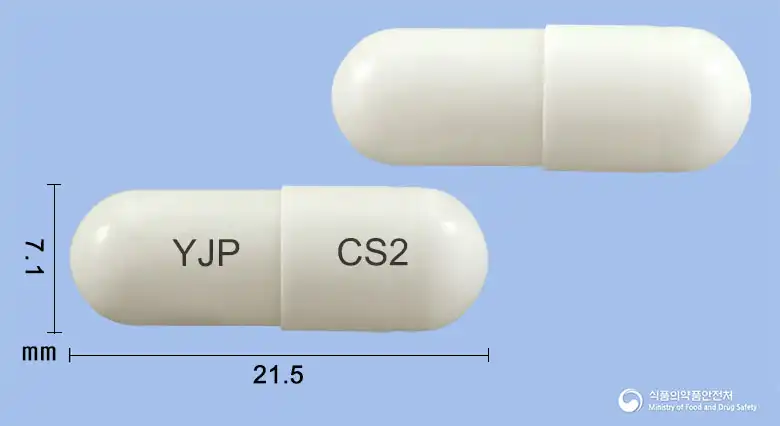
Youngjin Cilostazol Extended-Release Capsule 200 mg (Cilostazol)
Cilostazol 200mg
Hard capsule · Prescription medication
Youngjin Pharmaceutical Co., Ltd.
MFDS item code 201903664 · Approved 2019.05.31 · Insurance code 642404470
Improvement of chronic arterial occlusive disease (ulcers, pain) and prevention of recurrent cerebral infarction.
This medication helps improve ischemic symptoms such as ulcers, pain, and coldness caused by chronic arterial occlusive disease. Additionally, it has the effect of inhibiting recurrence after the onset of cerebral infarction, contributing to the maintenance of cerebrovascular health. Therefore, it is used to improve blood circulation and alleviate related symptoms.
For cilostazol, the usual adult dose is 200 mg taken orally once a day. This medication should be taken on an empty stomach, avoiding meals.
This medication may increase heart rate, which could lead to angina symptoms, so it is important to consult a doctor about any angina symptoms. Patients at high risk of bleeding, those with a recent hemorrhagic stroke, active peptic ulcers, and uncontrolled hypertension should not use this medication. Patients with congestive heart failure or a history of allergic reactions to this medication, pregnant women or those who may become pregnant, and nursing mothers should not take this medication. Patients taking anticoagulants, antiplatelet agents, thrombolytics, etc., should exercise caution due to an increased risk of bleeding. Women during menstruation should use it carefully as bleeding may be aggravated. Patients with heart disease should be cautious as this medication may increase pulse rate and worsen angina. Patients with severely impaired kidney or liver function may have increased concentrations of this medication, requiring caution during use. Diabetics should closely follow their doctor's directions as they may be more susceptible to bleeding side effects. This medication can cause dizziness, so caution should be exercised when driving or operating machinery. Taking it with food may increase drug concentration and side effects, so it is advisable to take it on an empty stomach, especially after a high-fat meal. Pregnant or nursing women should not take this medication, and women who may become pregnant should consult beforehand. Safety for children or neonates has not been established, so it is advisable to avoid use. Elderly patients may have reduced bodily functions, so dose adjustments and caution are necessary. Overdosing may result in severe headache, diarrhea, hypotension, rapid heartbeat, etc., and immediate medical assistance is required. This medication is metabolized in the liver, so it may lead to increased drug concentration or interactions when taken with certain medications, so you must inform your doctor about any medications you are taking. Regular blood tests or other examinations should be conducted to check for symptoms of bleeding or blood abnormalities. If you experience any adverse symptoms or discomfort while taking this medication, consult your healthcare provider immediately.
Hives, severe swelling (edema), chest pain, difficulty breathing, cold sweat, pallor, severe rash with high fever, blisters, peeling skin, pain in mucous membranes of the mouth/eyes, difficulty breathing or shortness of breath, asthma attacks, respiratory abnormalities with coughing and fever, yellowing of skin or eyes (jaundice), extreme lethargy, sudden and severe headache, thunderclap headache, seizures, confusion of consciousness, visual abnormalities, paralysis, reduced urine output.
Not everyone experiences these, and they can vary from person to person.
This medication may be sensitive to air or moisture, so it should be stored in a tightly sealed container. It is advisable to maintain storage temperature at room temperature between 1 and 30 degrees Celsius. This will help keep the medication effective for a longer time.
An opaque capsule containing white or light yellow granules.
30 capsules/bottle, 200 capsules/bottle
Even with the same ingredient, strength, dosage form and how it is taken can differ.
Viewing nowCilostazol 200mg
Hard capsule · Prescription medication
Youngjin Pharmaceutical Co., Ltd.
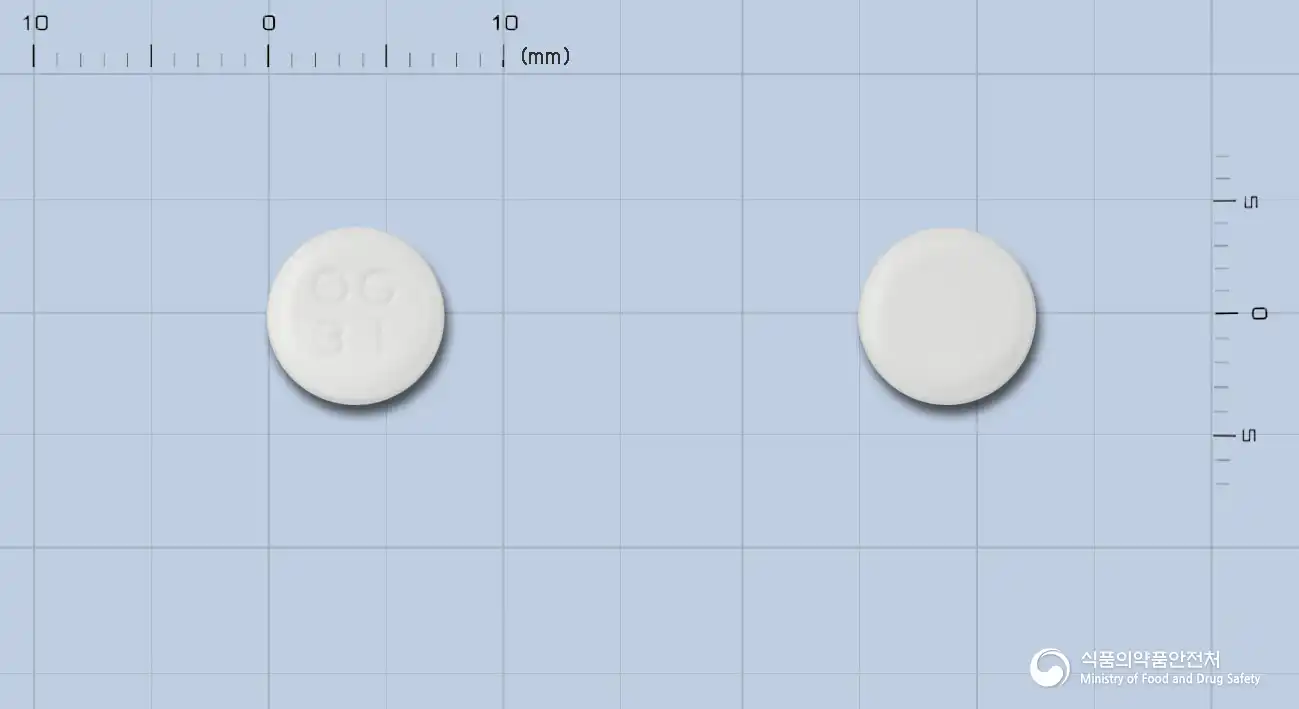
Cilostazol 50mg
Tablet · Prescription medication
Otsuka Pharmaceutical Co., Ltd.
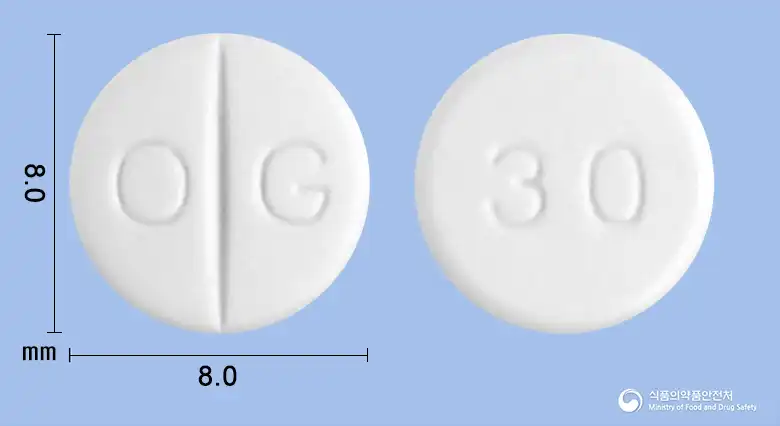
Cilostazol 100mg
Tablet · Prescription medication
Korea Otsuka Pharmaceutical Co., Ltd.
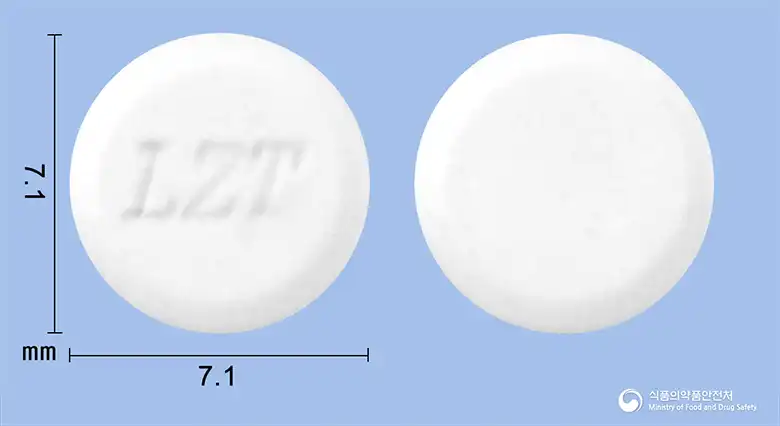
Cilostazol 50mg
Tablet · Prescription medication
Kyungdong Pharmaceutical Co., Ltd.
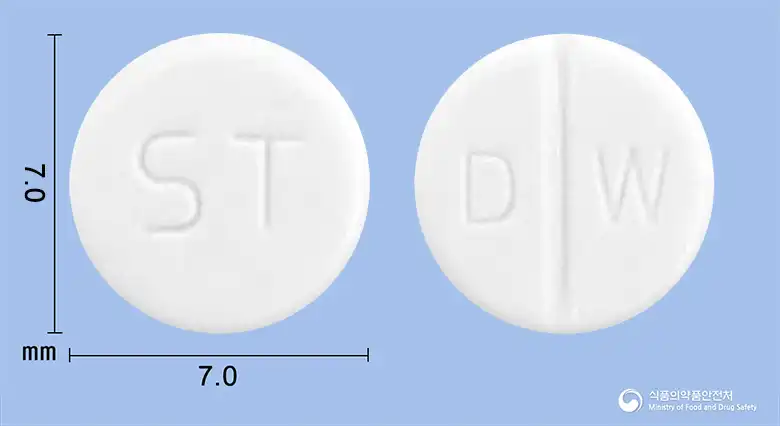
Cilostazol 50mg
Tablet · Prescription medication
Daewon Pharmaceutical Co., Ltd.
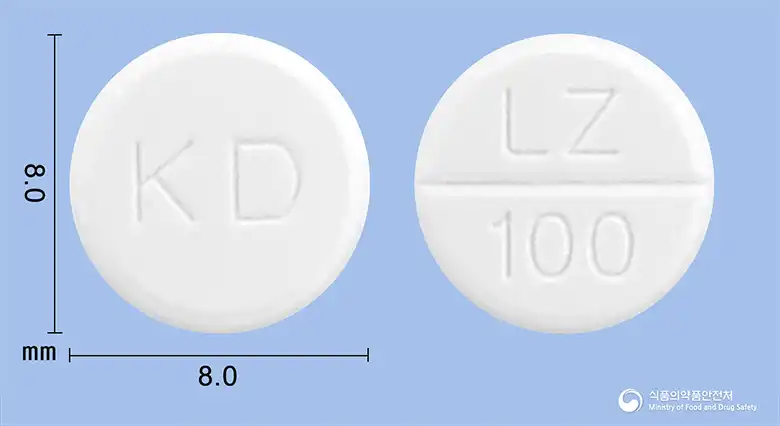
Cilostazol 100mg
Tablet · Prescription medication
Kyungdong Pharmaceutical Co., Ltd.
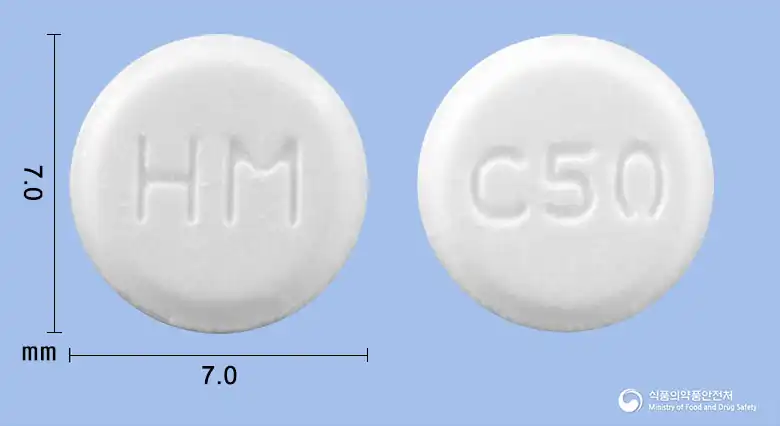
Cilostazol 50mg
Tablet · Prescription medication
Hanmi Pharmaceutical Co., Ltd.
Cilostazol
Prescription medication
Daehan New Pharm Co., Ltd.
Even with the same ingredient, the dose and directions can differ by strength and dosage form. Talk to a doctor or pharmacist before switching from a medication you are already taking.
No questions yet.
For anything that needs medical judgment, consult a doctor or pharmacist.
This drug information is based on data provided by the Korea Ministry of Food and Drug Safety.
Consult a doctor or pharmacist for accurate dosage, administration, and usage instructions.