
 한국어
한국어 English
 日本語
日本語 中文(简体)
 Viewing now
Rostalsul Capsule 100 mg (Cilostazol)
Cilostazol 100mg
Hard capsule · Prescription medication
Shinpoong Pharmaceutical Co., Ltd.
MFDS item code 201903646 · Approved 2019.05.31 · Insurance code 648507880
Improvement of chronic arterial occlusion (ulcers, pain, etc.) and prevention of recurrent cerebral infarction.
This medication helps improve ischemic symptoms such as ulcers, pain, and cold sensation caused by chronic arterial occlusion. It also has an effect of preventing recurrence after the onset of cerebral infarction. Therefore, it is useful for blood flow improvement and vascular health management, contributing to symptom relief for patients.
As cilostazol, the usual dosage is 200 mg taken orally once a day for adults. This medication should be taken on an empty stomach, avoiding meals.
This medication can increase heart rate and may cause angina symptoms such as chest pain; therefore, symptoms should be monitored closely. It should not be administered to patients with a risk of bleeding or those who have recently had bleeding strokes or gastrointestinal bleeding. It is also safer for patients with congestive heart failure, those who have had allergic reactions to this medication, and pregnant or nursing women to avoid use. Patients taking anticoagulants or antiplatelet drugs, women menstruating, and patients with heart diseases should use this medication cautiously. Patients with severely impaired heart, kidney, or liver function and diabetic patients should also be cautious with administration; patients with uncontrolled blood pressure require careful attention. Various side effects, such as headaches, diarrhea, palpitations, joint pain, and chest discomfort, may occur; any unusual symptoms should be reported to healthcare professionals immediately. If signs of bleeding or blood-related abnormalities appear, administration should be stopped, and appropriate treatment should be received. Since dizziness may occur, care should be taken when driving or operating machinery, and taking this medication with meals may increase drug concentration and the risk of side effects, so it is recommended to take it on an empty stomach. This medication is metabolized in the liver, so drug interactions may occur when taken with certain medications; consult a doctor or pharmacist if there are any concomitant medications. Pregnant or nursing women should not take this medication and should consult a specialist if necessary. Children and the elderly may have different body functions, so dosage adjustment and caution are needed when administering this medication. In case of overdose, symptoms such as headaches, diarrhea, hypotension, and increased heart rate may occur; immediate medical attention should be sought.
Hives, severe swelling (edema), chest tightness, difficulty breathing, cold sweat, paleness, severe rashes with high fever, blisters, skin peeling, pain in the mucous membranes of the mouth/eyes, shortness of breath or difficulty breathing, asthma attacks, respiratory abnormalities accompanied by cough and fever, yellowing of the skin or eyes (jaundice), extreme lethargy, sudden and severe headache, thunderclap headache, seizure, confusion of consciousness, visual disturbances, paralysis, urination
Not everyone experiences these, and they can vary from person to person.
This medication should be stored in a tightly closed container to prevent air or moisture ingress and should be kept at room temperature between 1 degree and 30 degrees Celsius. Storing it this way helps maintain the potency of the medication and prevents degradation.
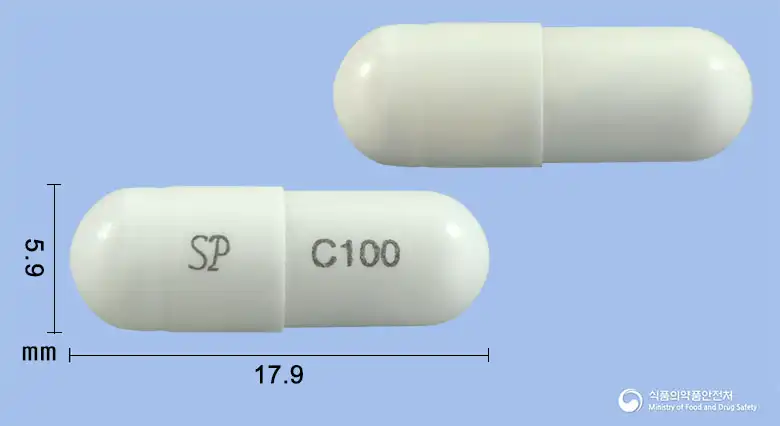
A hard capsule with a white or light yellow granule.
30 capsules/bottle, 500 capsules/bottle
Even with the same ingredient, strength, dosage form and how it is taken can differ.
Viewing nowCilostazol 100mg
Hard capsule · Prescription medication
Shinpoong Pharmaceutical Co., Ltd.
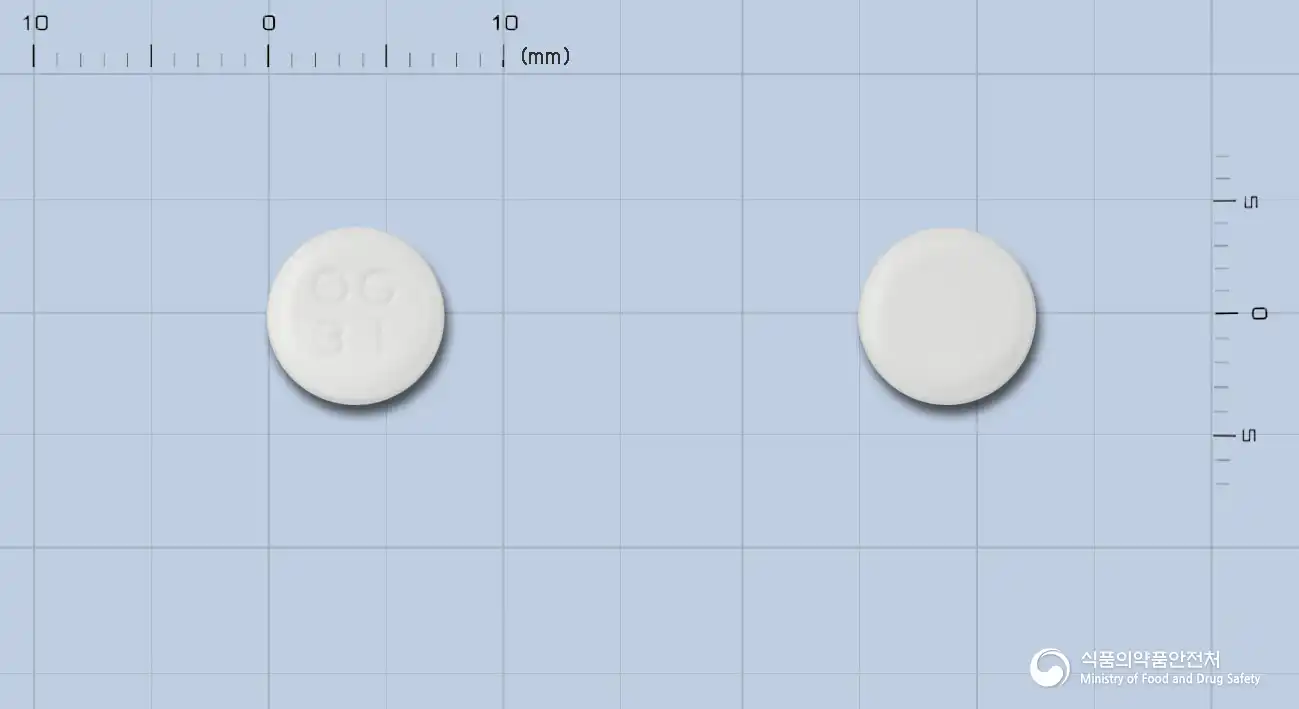
Cilostazol 50mg
Tablet · Prescription medication
Otsuka Pharmaceutical Co., Ltd.
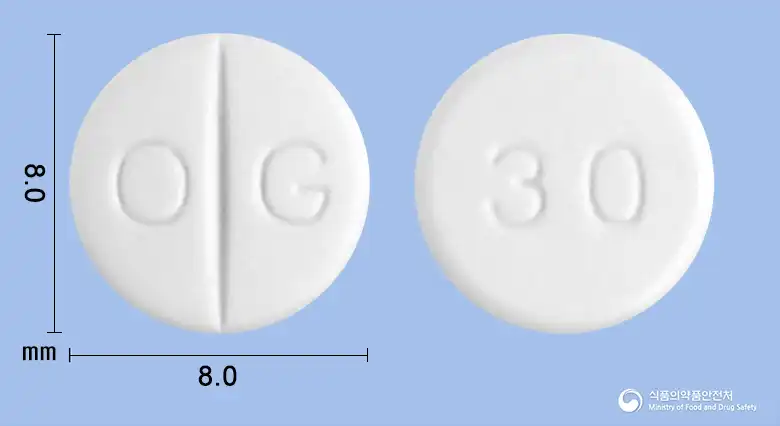
Cilostazol 100mg
Tablet · Prescription medication
Korea Otsuka Pharmaceutical Co., Ltd.
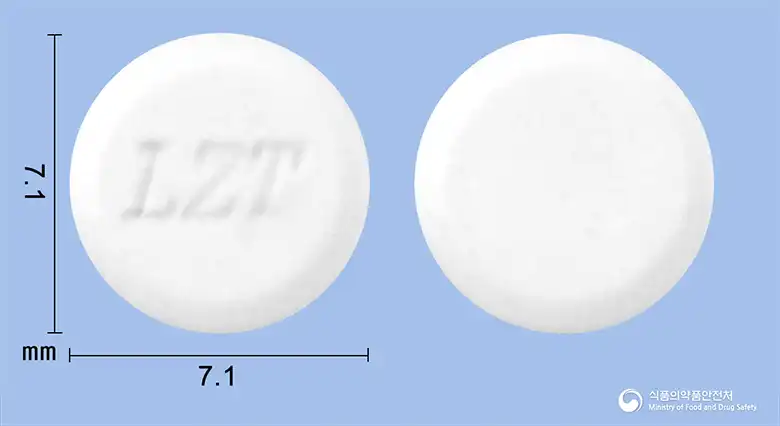
Cilostazol 50mg
Tablet · Prescription medication
Kyungdong Pharmaceutical Co., Ltd.
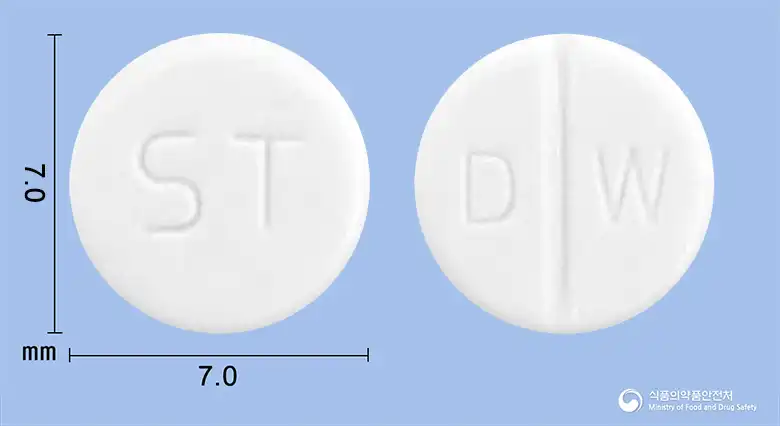
Cilostazol 50mg
Tablet · Prescription medication
Daewon Pharmaceutical Co., Ltd.
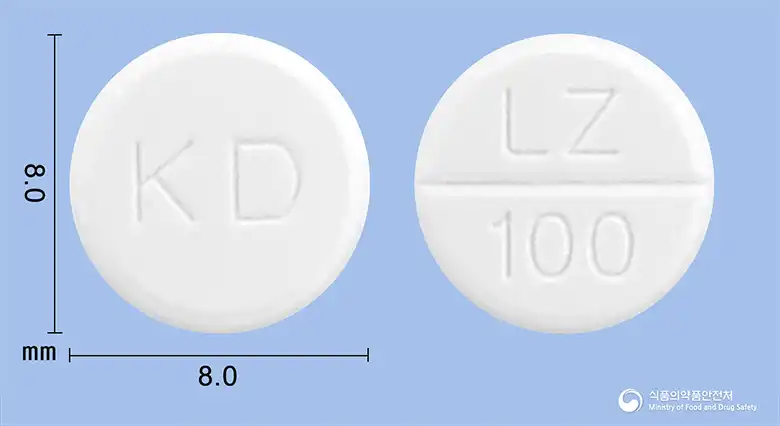
Cilostazol 100mg
Tablet · Prescription medication
Kyungdong Pharmaceutical Co., Ltd.
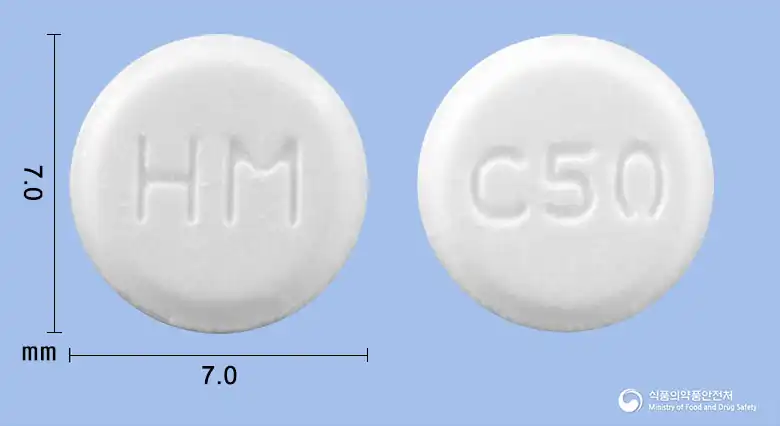
Cilostazol 50mg
Tablet · Prescription medication
Hanmi Pharmaceutical Co., Ltd.
Cilostazol
Prescription medication
Daehan New Pharm Co., Ltd.
Even with the same ingredient, the dose and directions can differ by strength and dosage form. Talk to a doctor or pharmacist before switching from a medication you are already taking.
No questions yet.
For anything that needs medical judgment, consult a doctor or pharmacist.
This drug information is based on data provided by the Korea Ministry of Food and Drug Safety.
Consult a doctor or pharmacist for accurate dosage, administration, and usage instructions.