
 한국어
 English
 日本語
 中文(简体)
 Viewing now
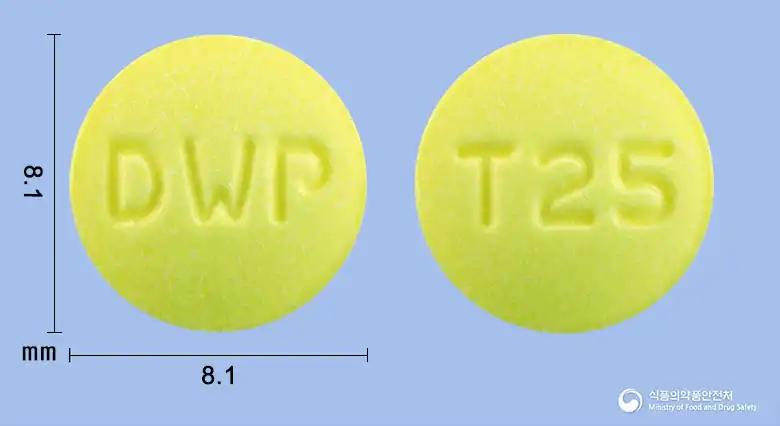
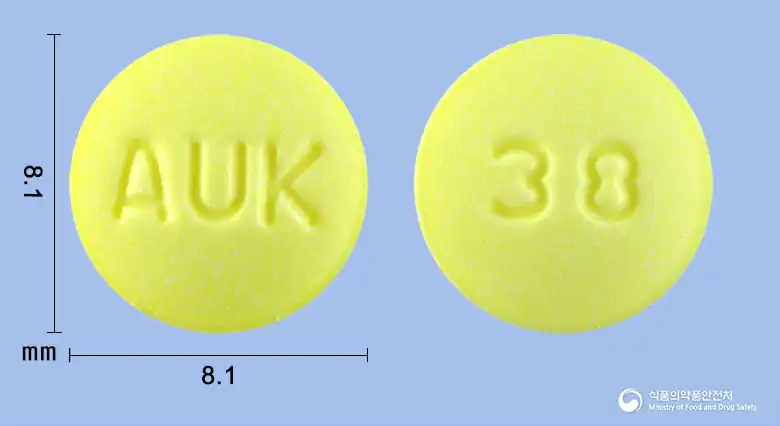
Tutinecol Tablets (Bethanechol Chloride)
Bethanechol Chloride 25mg
Tablet · Prescription medication
Daewon Pharmaceutical Co., Ltd.
MFDS item code 201903639 · Approved 2019.05.31 · Insurance code 671806950
Treatment of functional urinary retention (postoperative and postpartum) and atonic neurogenic bladder
This medication is used to treat functional urinary retention and neurogenic atonic bladder that occur after surgery or childbirth.
Adults: Administer 10 ~ 25 milligrams per dose, 3 ~ 4 times daily. Taking this medicine immediately after a meal may cause symptoms such as nausea and vomiting; therefore, taking it on an empty stomach is recommended.
If serious side effects occur after administration of this medication, it can be treated with subcutaneous injection of a drug called atropine sulfate. This drug should not be used in patients with mechanical obstruction of the gastrointestinal tract or urinary tract. Additionally, patients with spastic gastrointestinal diseases, gastric ulcers, or acute inflammatory gastrointestinal diseases should not take this medication. It should not be administered to patients with peritonitis, nor to individuals with enhanced vagal nerve tension. Asthmatic patients should be cautious when taking this medication as asthma attacks may worsen. Patients with hyperthyroidism should avoid this medication as it may cause side effects. Patients with coronary artery obstruction also face an increased risk of worsening heart-related issues when taking this medication. Patients with bradycardia, atrioventricular conduction disturbances, and vascular instability should be cautious as heart rhythm disturbances may occur when taking this medication. Patients with low or high blood pressure should be mindful of changes in blood pressure when taking this medication. Patients with myocardial infarction or severe heart disease should avoid this medication as it may affect cardiac function. Patients with epilepsy or Parkinson's disease should not use this medication as it may worsen symptoms. Patients receiving anticholinesterase treatment may experience increased side effects due to interactions with this medication. Patients who have not healed after gastrointestinal anastomosis should avoid taking this medication. Pregnant women should not take this medication as it may affect the fetus. This medication contains lactose, and patients with lactose intolerance, Lapp lactase deficiency, or genetic conditions causing glucose-galactose malabsorption should refrain from using it. Side effects may include gastrointestinal symptoms such as heartburn, abdominal discomfort, nausea, vomiting, gastric cramps, and diarrhea. Additionally, neurological symptoms such as sweating, facial flushing, and increased salivation may occur. Cardiovascular side effects such as palpitations or hypotension may arise, and patients with hypertension may temporarily experience atrial fibrillation. In cases of overdose, severe symptoms like cardiac arrest, fainting, complete heart block, dyspnea, orthostatic hypotension, loss of bowel control, and urgency to urinate may present. Asthmatic patients may experience asthma attacks, and other symptoms such as chest tightness, headache, and discomfort have also been reported. Taking this medication with drugs such as quinidine and procainamide can reduce effectiveness, hence caution is advised. The effect may increase when taken with cholinergic drugs, especially cholinesterase inhibitors, thus careful administration is necessary. Special caution is required when administering this medication to patients taking sympatholytic agents as severe abdominal symptoms and rapid blood pressure declines may occur. This drug should be stored in a sealed container to prevent air or moisture ingress, kept at a temperature between 1 and 30 degrees Celsius. Storing it this way will help maintain the drug's effectiveness and prevent degradation.
Not everyone experiences these, and they can vary from person to person.
This medication should be stored in a sealed container to prevent air and moisture ingress and should be kept at a temperature between 1 and 30 degrees Celsius. Storing it in this manner will help maintain its effectiveness and prevent degradation.
Yellow round tablets
100 tablets per bottle
Even with the same ingredient, strength, dosage form and how it is taken can differ.
Viewing nowBethanechol Chloride 25mg
Tablet · Prescription medication
Daewon Pharmaceutical Co., Ltd.
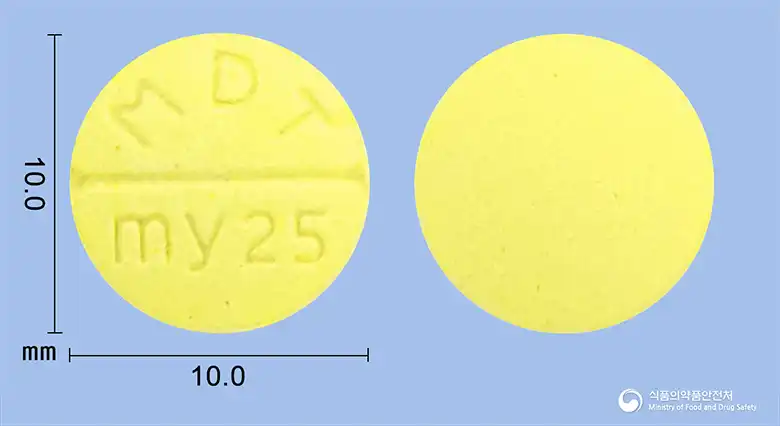
Bethanechol Chloride 25mg
Tablet · Prescription medication
Albogen Korea Co., Ltd.
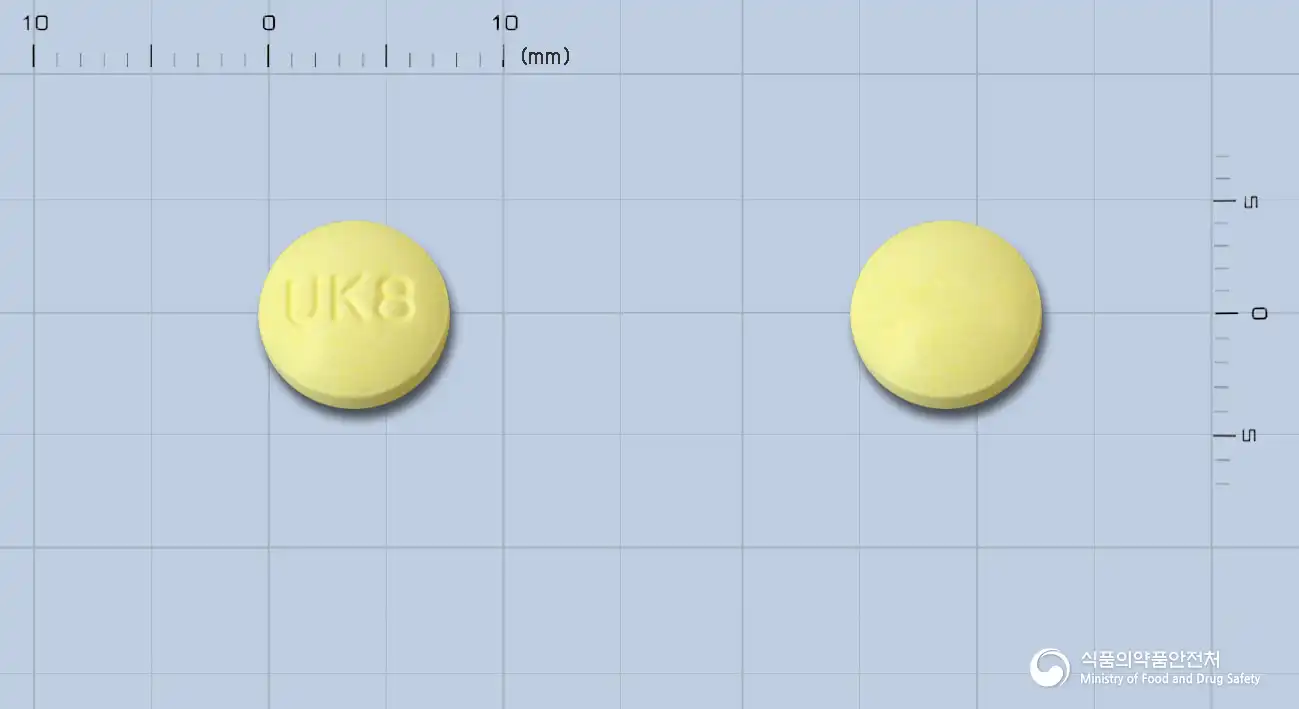
Bethanechol Chloride 25mg
Tablet · Prescription medication
Korea Union Pharmaceutical Co., Ltd.
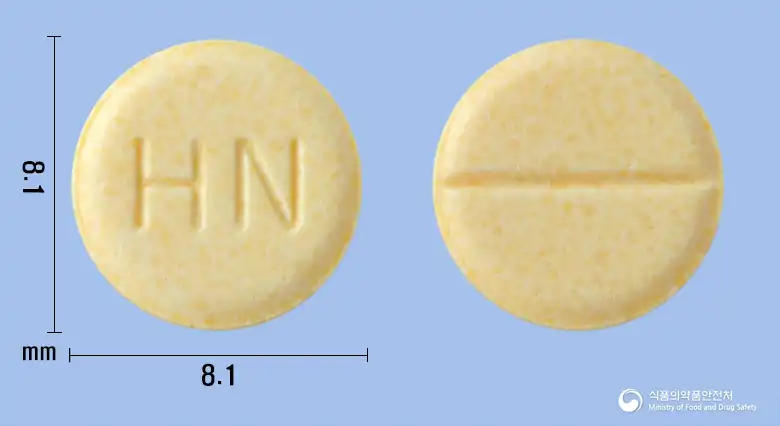
Bethanechol Chloride 25mg
Tablet · Prescription medication
Il Yang Pharmaceutical Co., Ltd.
Bethanechol Chloride 10mg
Tablet · Prescription medication
Il Yang Pharmaceutical Co., Ltd.
Bethanechol Chloride 25mg
Tablet · Prescription medication
Os Korea Pharmaceutical Co., Ltd.
Even with the same ingredient, the dose and directions can differ by strength and dosage form. Talk to a doctor or pharmacist before switching from a medication you are already taking.
No questions yet.
For anything that needs medical judgment, consult a doctor or pharmacist.
This drug information is based on data provided by the Korea Ministry of Food and Drug Safety.
Consult a doctor or pharmacist for accurate dosage, administration, and usage instructions.