Medication info
Bonrail Tablet

Bonrail Tablet

Prescription medicationTabletOral
Ingredient · strength
Angelica Gigas Root·Chaenomelis Fructus·Saposhnikovia Root·Dipsaci Radix·Acanthopanax Root Bark·Achyranthes Root·Clematidis Radix·Cinnamon Bark·Gentianae Macrophyllae Radix·Cnidium Rhizome·Gastrodia Rhizome·Safflower 25% Ethanol Soft Extract (3.5→1)›405.4mg / 1 tablet
Manufacturer / importer
Jeil Pharmaceutical Co., Ltd.
Appearance
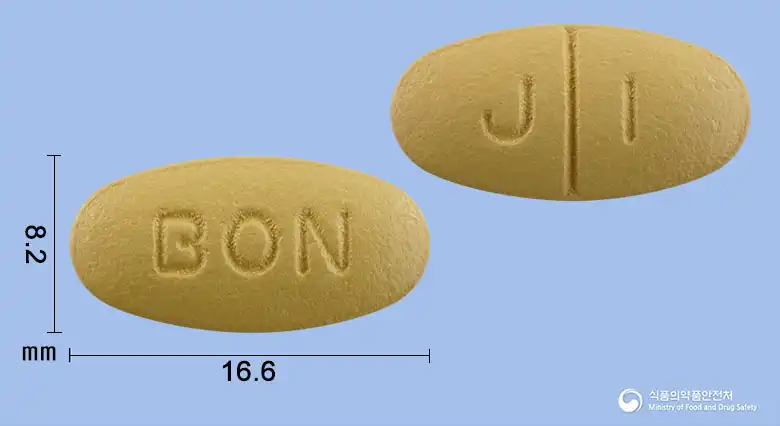
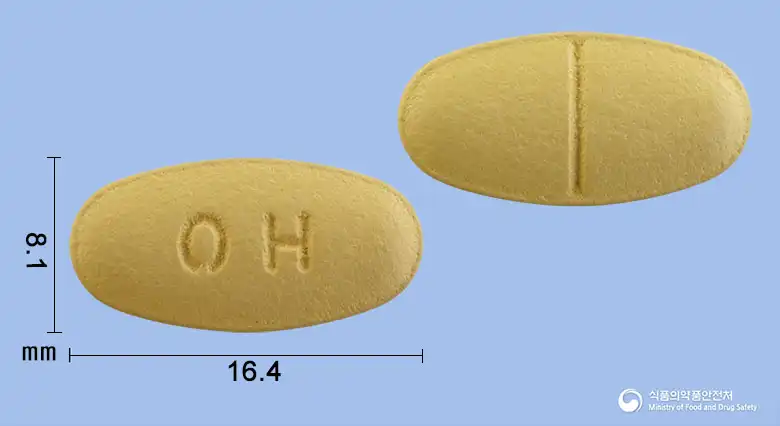
Yellow oval film-coated tablet
Packaging
30 tablets per bottle, 300 tablets per bottle
Approval status
Active

MFDS item code 201903621 · Notified 2019.05.31 · Insurance code 645405520

Summary

Main use
Relief of symptoms of osteoarthritis
Who takes it
Adults
Adult dose
Adults: Take 1 tablet twice daily.

Ingredients

Manufacturer
Jeil Pharmaceutical Co., Ltd.

Efficacy & effects

Relief of symptoms of osteoarthritis

  • Symptoms of osteoarthritis
View approved original text

Osteoarthritis is a condition that causes symptoms such as joint pain, stiffness, and limited movement. This medication alleviates these osteoarthritis symptoms, reducing discomfort in daily life. It helps to decrease pain and inflammation and improve joint function. As a result, it enables patients to move more comfortably. This medication is used for the relief of osteoarthritis symptoms.

How to take

Adult dose

Adults: Take 1 tablet twice daily.

Precautions

This medication should not be administered to patients with allergic reactions to this drug or its constituents, or with a history of such reactions. Patients with peptic ulcers, severe cardiovascular diseases, or serious liver or kidney impairments should not use this medication. Additionally, patients who have had allergic reactions to COX-2 inhibitors, sulfonamides, aspirin, or other non-steroidal anti-inflammatory drugs should also avoid this medication. Pregnant women or those who may become pregnant should not take this medication due to the risk of miscarriage or preterm birth from the herbal components included. Patients with a history of peptic ulcers, cardiovascular diseases, liver or kidney dysfunction, bronchial asthma, or those taking psychoactive medications should use this medication cautiously, as its safety and efficacy have not been fully verified. When taking this medication, side effects such as heartburn, dyspepsia, dry mouth, nausea, diarrhea, facial swelling, generalized edema, fatigue, itching, leukopenia, headache, upper respiratory infections, and blurred vision may occur, and caution is advised. Particularly, patients with a history of peptic ulcers should be careful as heartburn and dyspepsia may worsen. Patients with fluid retention or heart failure may also experience exacerbated swelling and should exercise caution. Individuals who consume alcohol frequently are at a higher risk of gastric bleeding when taking this medication, so special care is needed. This medication has limited experience being taken with other corticosteroid preparations or non-steroidal anti-inflammatory drugs, so caution is needed when used in combination. If cardiovascular, gastrointestinal, liver, or kidney dysfunction symptoms occur during treatment, immediate consultation with a doctor should be sought for appropriate action. Regular blood tests, liver and kidney function tests, and electrocardiograms should be conducted; if any abnormal signs are detected, the medication should be discontinued or adjusted. Severe allergic reactions such as anaphylaxis may occur, so immediate emergency care should be sought if symptoms appear. This medication cannot be used for the treatment of corticoid deficiency. Caution is necessary as this medication may obscure inflammatory symptoms, leading to delays in infection diagnosis. If dizziness or drowsiness occurs during use, driving or operating machinery should be avoided. The components of angelica and ligusticum included in this medication may cause appetite loss, abdominal discomfort, nausea, vomiting, or diarrhea in individuals with weak stomachs; hence, consultation with a specialist before use is recommended, and immediate cessation should occur if symptoms arise. Due to the presence of gastrodia, rashes may occur; if a rash appears, the medication should be discontinued and a specialist consulted. Pregnant or breastfeeding women should refrain from taking this medication, and breastfeeding should be stopped if currently nursing. The safety and efficacy for newborns, infants, children, and adolescents have not been confirmed, so use is not recommended. Elderly individuals may experience adverse reactions more readily, so careful observation and cautious administration are required. In case of overdose, immediate precise diagnosis and treatment in a hospital are necessary. This medication must be kept out of reach of children and transferring it to another container is not advisable for maintaining quality.

Side effects

  • heartburn
  • indigestion
  • dry mouth
  • nausea
  • diarrhea
  • facial swelling
  • generalized edema
  • weakness
  • hypertriglyceridemia
  • hypercholesterolemia
Show 68 more
  • transaminitis
  • increased ALT
  • increased AST
  • itching
  • leukopenia
  • neutropenia
  • chest discomfort
  • headache
  • upper respiratory infection
  • blurred vision
  • gastrointestinal bleeding
  • colon polyps
  • gastroesophageal reflux disease
  • fractures
  • leg fractures
  • polymyalgia rheumatica
  • liver abscess
  • intracranial hemorrhage
  • mitral valve dysfunction
  • pyelonephritis
  • pneumonia
  • cold
  • epigastric discomfort
  • gastritis
  • hives
  • constipation
  • upper abdominal pain
  • enteritis
  • toe fracture
  • thyroid nodule
  • white tongue
  • duodenal ulcer
  • gastroesophageal reflux
  • gastric polyp disease
  • atrophic gastritis
  • bowel obstruction
  • abnormal sputum
  • bronchitis
  • rib fracture
  • tendinitis
  • neck/shoulder pain
  • non-inflammatory joint swelling
  • cystitis
  • dysuria
  • renal cyst
  • chest pain
  • influenza-like symptoms
  • back pain
  • rosacea
  • hair loss
  • fatty liver
  • benign prostatic hyperplasia
  • kidney cancer
  • burns
  • paresthesia
  • depression
  • tinnitus
  • bitter taste
  • bruising
  • dizziness
  • drowsiness
  • peripheral edema
  • loss of appetite
  • gastric discomfort
  • nausea
  • vomiting
  • rash
  • insomnia

Not everyone experiences these, and they can vary from person to person.

Storage

This medication should be stored in a tightly sealed container protected from air and moisture. It is recommended to maintain storage temperatures between 1°C and 30°C.

Appearance and packaging

Appearance

Yellow oval film-coated tablet

Package unit

30 tablets per bottle, 300 tablets per bottle

Same-ingredient medicines

Even with the same ingredient, strength, dosage form and how it is taken can differ.

Even with the same ingredient, the dose and directions can differ by strength and dosage form. Talk to a doctor or pharmacist before switching from a medication you are already taking.

Questions about this medicine

No questions yet.

For anything that needs medical judgment, consult a doctor or pharmacist.

Related searches

Search tags

Suggested searches

This drug information is based on data provided by the Korea Ministry of Food and Drug Safety.
Consult a doctor or pharmacist for accurate dosage, administration, and usage instructions.