
 한국어
 English
 日本語
 中文(简体)
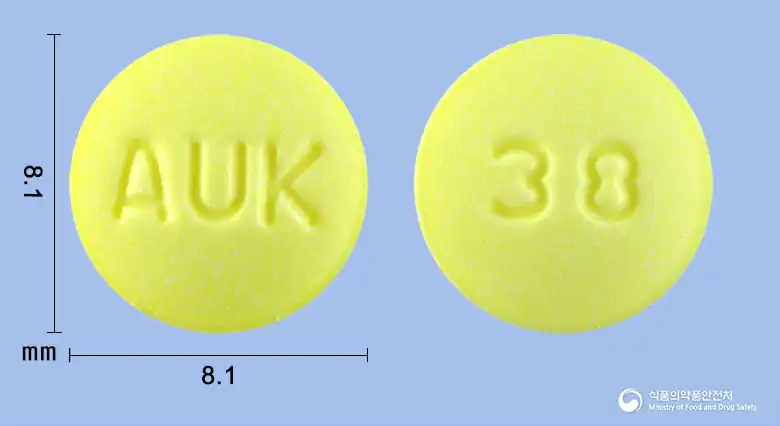 Viewing now
Osnecol Tablets (Bethanechol Chloride)
Bethanechol Chloride 25mg
Tablet · Prescription medication
Os Korea Pharmaceutical Co., Ltd.
MFDS item code 201903597 · Approved 2019.05.31 · Insurance code 629701790
Treatment of functional urinary retention after surgery or childbirth and neurogenic bladder detrusor relaxation
This medication is used to treat functional urinary retention and neurogenic bladder relaxation that may occur after surgery or childbirth.
Adults: Administer 10 ~ 25 milligrams per dose, 3 ~ 4 times daily. Taking this medicine immediately after a meal may cause symptoms such as nausea and vomiting; therefore, taking it on an empty stomach is recommended.
This medication can be treated with subcutaneous injection of atropine sulfate if serious side effects occur after administration. This medication should not be used in patients with mechanical obstruction in the gastrointestinal tract or urinary tract. Patients with spastic gastrointestinal diseases, gastric ulcers, or acute gastrointestinal inflammation should also avoid taking this medication. It is also safe not to administer this medication to patients with peritonitis. This medication is not suitable for patients with heightened vagal tone. Patients with asthma should be cautious as their symptoms may worsen with this medication. It is advisable for patients with overly active thyroid function to avoid this medication. Patients with coronary artery obstruction should be careful as this medication may burden the heart. This medication is unsuitable for patients with bradycardia, atrioventricular conduction block, or vascular instability. Patients with low blood pressure or high blood pressure should take special care regarding changes in blood pressure while using this medication. Patients with myocardial infarction or severe heart disease may pose a risk to the heart when taking this medication. Patients with epilepsy or Parkinson's disease should be cautious as this medication may worsen symptoms. Patients undergoing anticholinesterase therapy should be careful as interactions may occur with this medication. It is safest for patients who have undergone gastrointestinal anastomosis and have not healed to avoid this medication. Pregnant women should not take this medication as it may affect the fetus. This medication contains lactose, so patients with lactose intolerance or certain genetic metabolic disorders should avoid it. During use, gastrointestinal symptoms such as heartburn, abdominal discomfort, nausea, vomiting, stomach cramps, and diarrhea may occasionally occur. Neurologically, symptoms like sweating, flushing of the face, and increased salivation may appear. In the cardiovascular system, symptoms like rapid heartbeat or low blood pressure may occur, and hypertensive patients may experience transient cardiac rhythm abnormalities. In case of overdose, serious symptoms such as fainting, cardiac arrest, respiratory distress, orthostatic hypotension, involuntary defecation, and sudden urinary urgency may occur. Other symptoms may include asthma attacks, chest tightness, headaches, and discomfort, so patients with asthma should be especially careful. This medication may interfere with each other's action if taken together with quinidine or procainamide, so caution is necessary. When combined with cholinergic drugs or cholinesterase inhibitors, the efficacy may be enhanced, thus caution should be taken. Patients taking sympathomimetic blockers should be particularly careful when taking this medication as it may aggravate abdominal symptoms and cause a rapid drop in blood pressure. This medication should be stored in a safe place out of reach of children. Avoid direct sunlight, store in a cool and dry place, and keep the cap tightly closed to maintain the medication's efficacy.
Not everyone experiences these, and they can vary from person to person.
This medication should be stored in a tightly sealed container to prevent air or moisture exposure. Additionally, it is safe to store at room temperature, which is not too hot or too cold, between 1 to 30 degrees Celsius.
Yellow round tablets
300 tablets/bottle
Even with the same ingredient, strength, dosage form and how it is taken can differ.
Viewing nowBethanechol Chloride 25mg
Tablet · Prescription medication
Os Korea Pharmaceutical Co., Ltd.
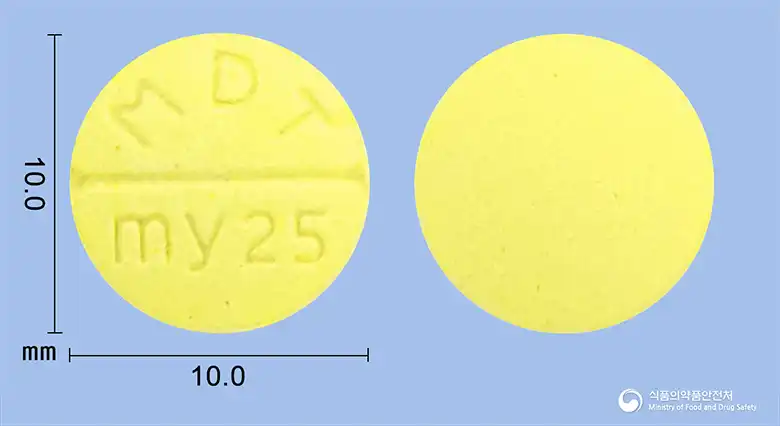
Bethanechol Chloride 25mg
Tablet · Prescription medication
Albogen Korea Co., Ltd.
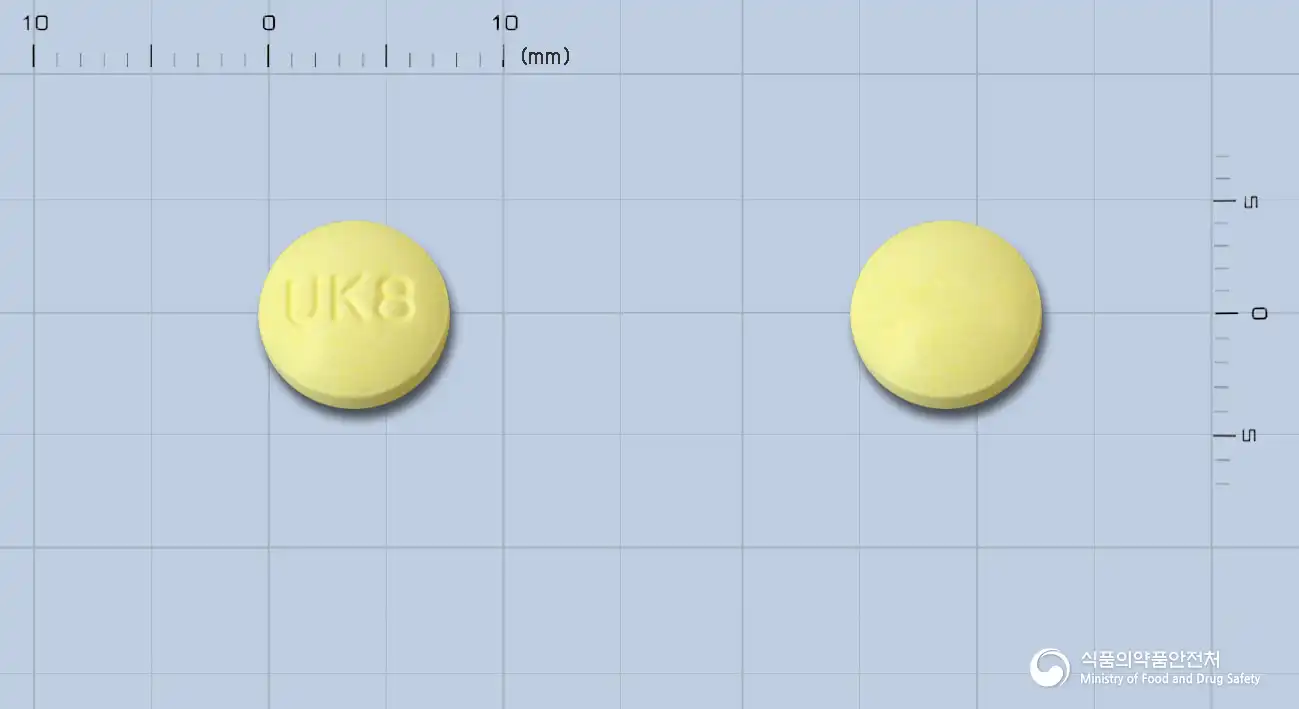
Bethanechol Chloride 25mg
Tablet · Prescription medication
Korea Union Pharmaceutical Co., Ltd.
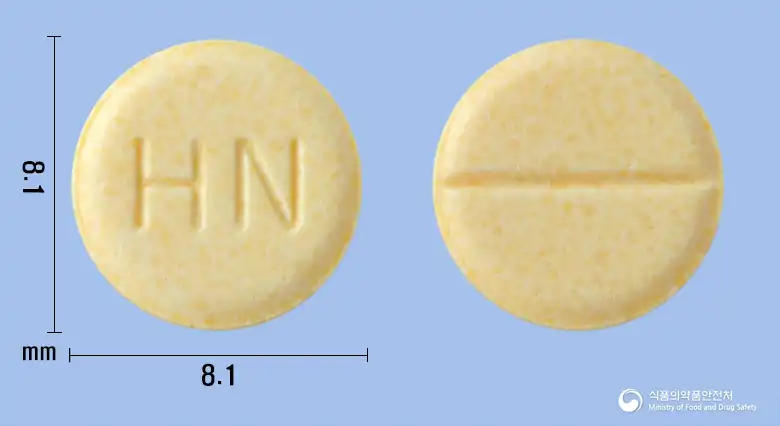
Bethanechol Chloride 25mg
Tablet · Prescription medication
Il Yang Pharmaceutical Co., Ltd.
Bethanechol Chloride 10mg
Tablet · Prescription medication
Il Yang Pharmaceutical Co., Ltd.
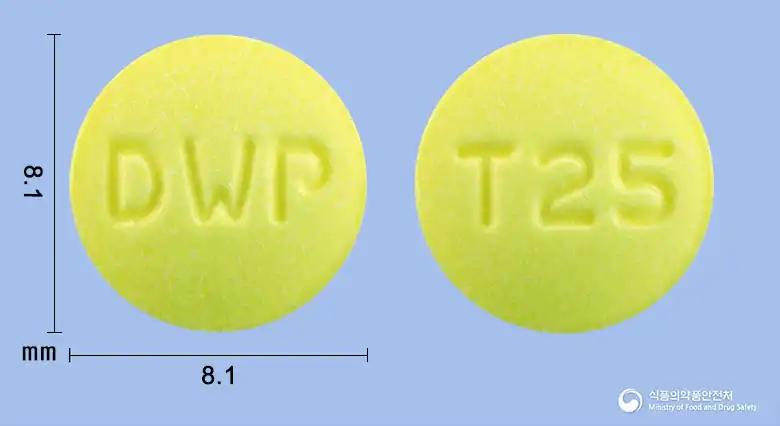
Bethanechol Chloride 25mg
Tablet · Prescription medication
Daewon Pharmaceutical Co., Ltd.
Even with the same ingredient, the dose and directions can differ by strength and dosage form. Talk to a doctor or pharmacist before switching from a medication you are already taking.
No questions yet.
For anything that needs medical judgment, consult a doctor or pharmacist.
This drug information is based on data provided by the Korea Ministry of Food and Drug Safety.
Consult a doctor or pharmacist for accurate dosage, administration, and usage instructions.