
 한국어
한국어 English
 日本語
日本語 中文(简体)
Dosage form image
Viewing nowDexibuprofen Syrup (Dexibuprofen)
Dexibuprofen 1200mg
Syrup · OTC medication
Independent Bio Pharmaceutical Co., Ltd.
MFDS item code 201903568 · Notified 2019.05.30
Antipyretic effect for fever due to acute upper respiratory tract infections
This medication is used to rapidly reduce fever caused by acute upper respiratory tract infections.
For infants and children over 6 months, the dose is 0.4-0.6 mL/kg (5-7 mg/kg as dexibuprofen) to be taken every 4-6 hours as needed, not exceeding a maximum of 4 times a day (28 mg/kg).
Individuals who regularly consume alcohol in quantities of 3 or more drinks per day should consult a physician or pharmacist before taking this medication. This medication may increase the risk of gastrointestinal bleeding. Moreover, this medication may cause cardiovascular problems, thereby increasing the risk of serious thromboembolic reactions such as myocardial infarction or stroke. Particularly, those with cardiovascular disease or risk factors should exercise extreme caution, and if symptoms appear, they should seek immediate medical attention. It may also lead to serious gastrointestinal issues such as gastrointestinal bleeding, ulcers, or perforation; thus, elderly patients or those with a history of gastrointestinal disorders should take special care. If symptoms of gastrointestinal bleeding appear during treatment, discontinue use immediately and seek treatment. Patients with peptic ulcers, severe liver dysfunction, renal impairment, severe hypertension, asthma history, etc., should not use this medication, and it should also be avoided by those with hypersensitivity to aspirin or other non-steroidal anti-inflammatory drugs. This medication should be used cautiously in patients with blood disorders, liver dysfunction, renal impairment, hypertension, heart failure, allergic conditions, and autoimmune diseases; individuals on low-dose aspirin should be cautious as this medication may diminish the effectiveness of aspirin. During treatment, various side effects may occur infrequently, such as shock, blood disorders, gastrointestinal bleeding, skin rashes, liver function abnormalities, asthma attacks, vision disturbances, and renal function decline; if any abnormal symptoms occur, discontinue use immediately and consult a doctor. This medication should be utilized for the shortest duration and at the lowest effective dose, and regular blood tests and liver and kidney function tests are required during long-term use. Particularly, women who are pregnant or may become pregnant should avoid taking this medication, as it can be harmful to the fetus during late pregnancy. Women who are breastfeeding should also discontinue breastfeeding or stop using this medication, as it may be transferred to breast milk and affect the infant. Children and the elderly may be more sensitive to the side effects of this medication; therefore, it should be carefully administered at the minimal effective dose. When taken alongside other medications, interactions may occur; especially when combined with other anti-inflammatory drugs, antihypertensives, anticoagulants, lithium, methotrexate, etc., it is important to consult a physician or pharmacist. In case of overdose, immediate emergency treatment such as gastric lavage or inducing vomiting should be undertaken, and it should be stored out of reach of children.
Hives, severe swelling (edema), difficulty breathing, asthma attacks, gastrointestinal bleeding, peptic ulcers, bloody stools, Stevens-Johnson syndrome, Lyell's syndrome, DRESS syndrome, acute generalized exanthematous pustulosis, jaundice, anaphylactic shock, severe allergic reactions, serious skin reactions, respiratory issues, liver dysfunction (jaundice), severe edema or urinary issues, severe neurological symptoms.
Not everyone experiences these, and they can vary from person to person.
Do not take this medication with other non-steroidal anti-inflammatory drugs or high doses of methotrexate. Consult a physician or pharmacist when taking corticosteroids, digoxin, phenytoin, probenecid, sulfinpyrazone, sulfonylureas, diuretics, antihypertensives, ACE inhibitors, furosemide, aspirin, lithium, low-dose methotrexate, or coumarin anticoagulants (such as warfarin) together with this medication.
Caution is advised when taking this medication with alcohol.
This medication is sensitive to light and should be stored in a tightly sealed container that blocks light. Moreover, it is important to keep the medication at room temperature between 15°C and 25°C to maintain its efficacy.
A syrup with a fruity aroma, white to pale yellow liquid contained in a brown glass bottle or white plastic bottle.
For domestic use - 500 milliliters/bottle
Even with the same ingredient, strength, dosage form and how it is taken can differ.
Dexibuprofen 1200mg
Syrup · OTC medication
Independent Bio Pharmaceutical Co., Ltd.
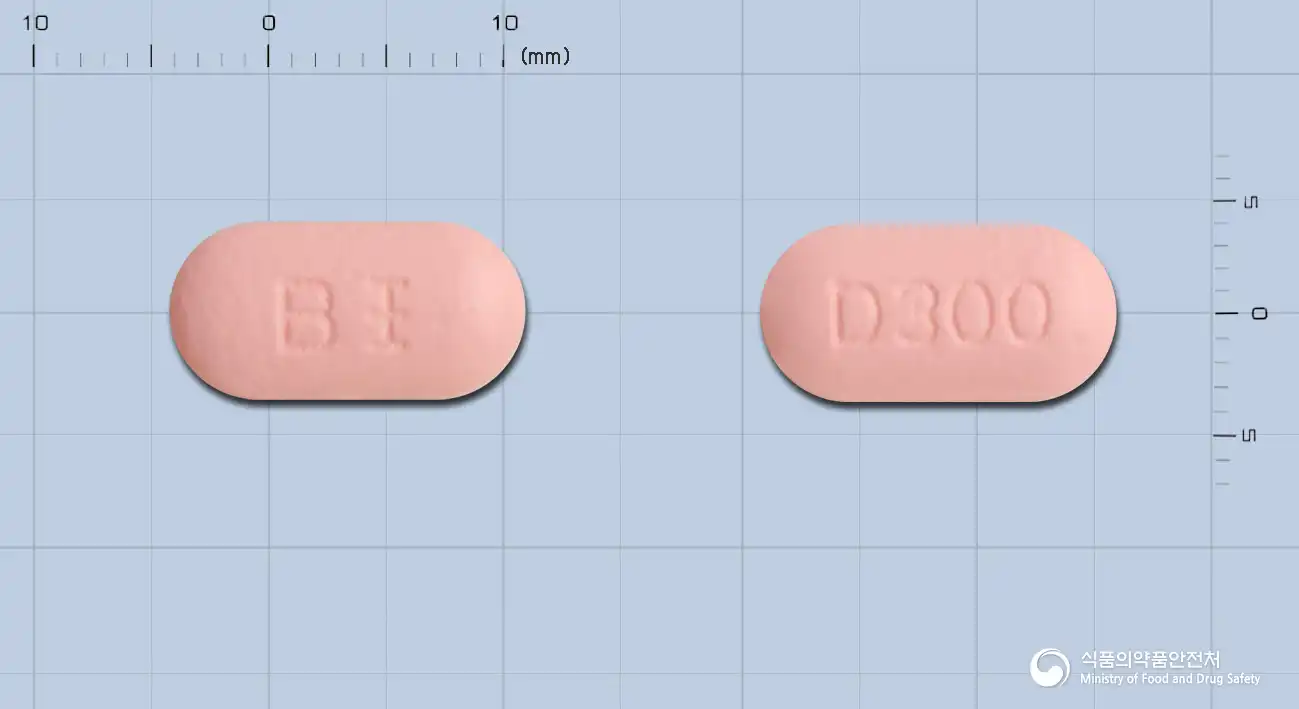
Dexibuprofen 300mg
Tablet · OTC medication
Bionex Co., Ltd.

Dexibuprofen 300mg
Tablet · OTC medication
Anguk Pharmaceutical Co., Ltd.
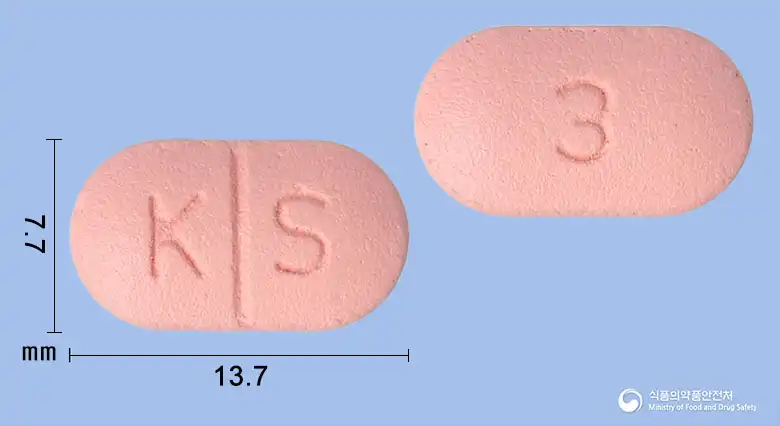
Dexibuprofen 300mg
Tablet · OTC medication
Aprogen Pharmaceuticals, Co., Ltd.
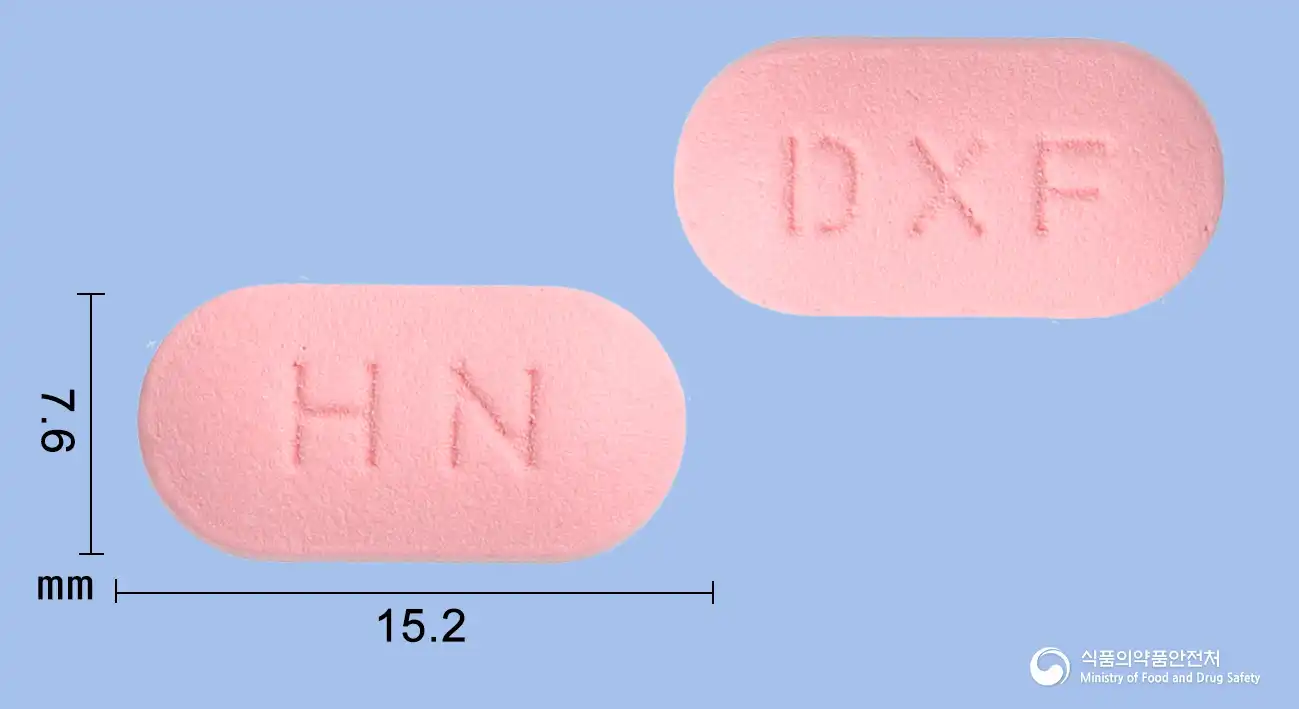
Dexibuprofen 300mg
Tablet · OTC medication
Hana Pharmaceutical Co., Ltd.

Dexibuprofen 150mg
Tablet · OTC medication
Anguk Pharm Co., Ltd.
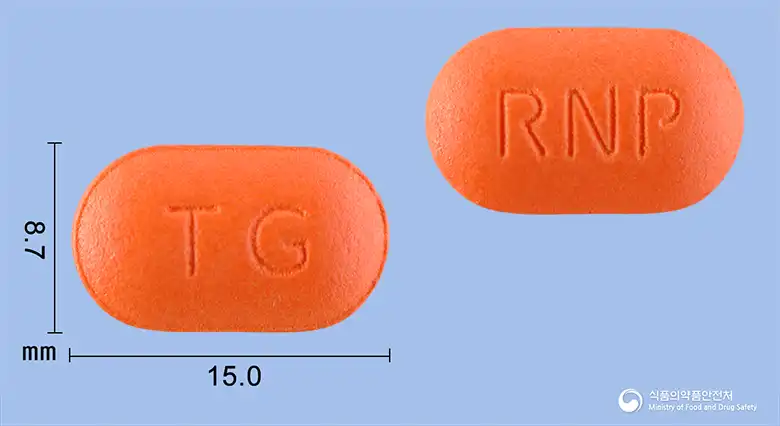
Dexibuprofen 300mg
Tablet · OTC medication
Taeguk Pharmaceutical Co., Ltd.
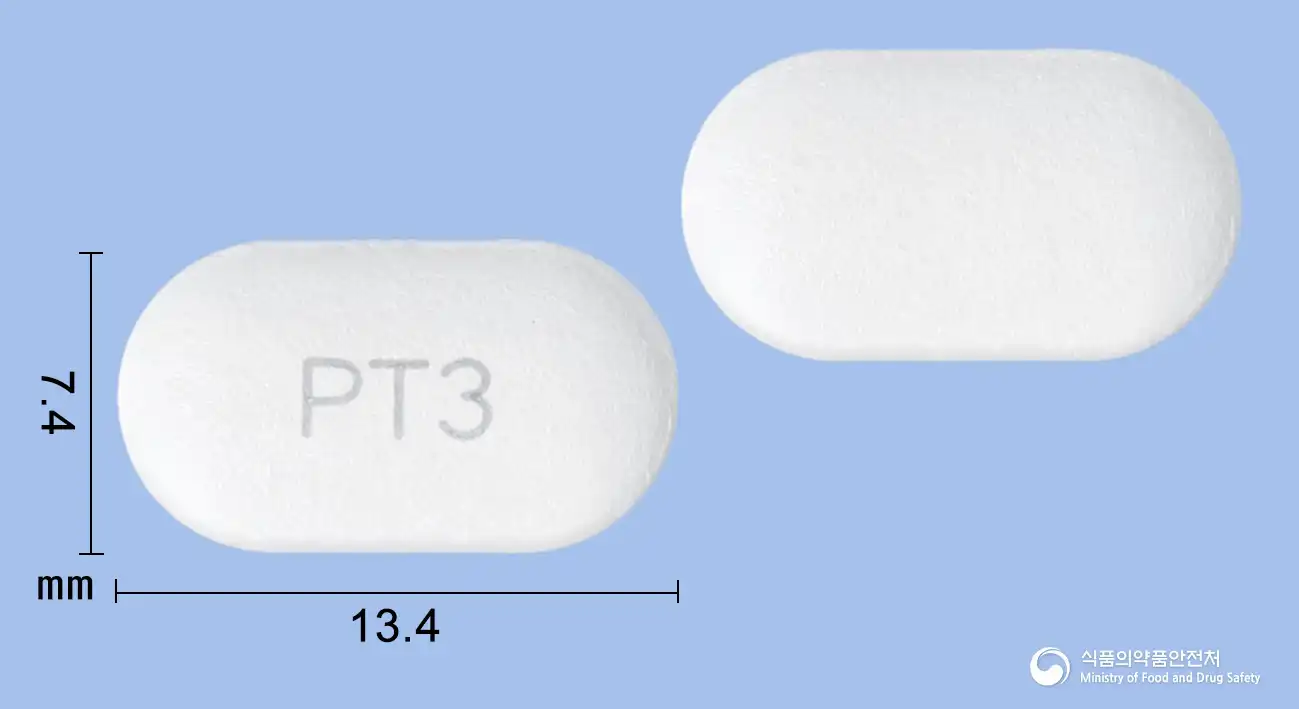
Dexibuprofen 300mg
Tablet · OTC medication
Genupharm Co., Ltd.
Even with the same ingredient, the dose and directions can differ by strength and dosage form. Talk to a doctor or pharmacist before switching from a medication you are already taking.
No questions yet.
For anything that needs medical judgment, consult a doctor or pharmacist.
This drug information is based on data provided by the Korea Ministry of Food and Drug Safety.
Consult a doctor or pharmacist for accurate dosage, administration, and usage instructions.