
 한국어
한국어 English
 日本語
日本語 中文(简体)
 Viewing nowCombination
Telmisartan Plus Tablet 80/12.5mg
Telmisartan 80mg · Hydrochlorothiazide 12.5mg
Tablet · Prescription medication · Combination
Pamgen Science Co., Ltd.
MFDS item code 201903553 · Approved 2019.05.29 · Insurance code 670104380
Treatment for hypertension control in essential hypertension
This medication is used as an adjunct therapy for patients with essential hypertension who have difficulty controlling blood pressure with monotherapy of telmisartan. It effectively lowers blood pressure, reduces the risk of cardiovascular diseases, and aids in overall blood pressure management.
For patients whose blood pressure is not adequately controlled with telmisartan monotherapy, take this medication once daily with or without food. It is recommended to adjust the dosage of each component individually before administration. - The telmisartan/hydrochlorothiazide combination of 40/12.5mg can be administered to patients whose blood pressure is not adequately controlled with 40mg of telmisartan. - The telmisartan/hydrochlorothiazide combination of 80/12.5mg can be administered to patients whose blood pressure is not adequately controlled with 80mg of telmisartan. - The telmisartan/hydrochlorothiazide combination of 80/25mg can be administered to patients whose blood pressure is not adequately controlled with a combination of 80mg of telmisartan and 12.5mg of hydrochlorothiazide. Sodium or volume depletion should be resolved before starting this medication. Patients with renal impairment: No dosage adjustment is necessary for patients with mild to moderate renal impairment. This medication should not be administered to patients with severe renal impairment (creatinine clearance <30 mL/min). Regular monitoring of renal function is recommended. Patients with liver impairment: This medication should be administered with caution in patients with mild to moderate liver impairment. Do not exceed a daily dosage of 40/12.5mg. This medication should not be administered to patients with severe liver impairment (see precautions 2). Thiazide diuretics should be used cautiously in patients with liver dysfunction. Elderly patients: No dosage adjustment is necessary. Pediatric patients: The safety and efficacy of this medication have not been established in children under 18 years of age.
The safety and efficacy of this medication have not been established in children under 18 years of age.
This medication should not be used during pregnancy, especially in the second and third trimesters, as it can pose serious risks to the fetus. Patients who are allergic to any component of this medication or have specific liver or kidney disorders should not take it. Elderly patients, patients with high potassium levels, those with weakened liver function, or patients with heart valve diseases require special caution when using this medication. The hydrochlorothiazide component may cause electrolyte imbalances in the body, so potassium, sodium, and other levels in the blood should be regularly monitored during use. This medication can interact with other blood pressure medications or multiple drugs, so all medications currently being taken should be reported to a physician or pharmacist. Caution is needed while driving or operating machinery as dizziness or drowsiness may occur. In case of overdose, symptoms such as hypotension, electrolyte abnormalities, and dehydration may occur, and appropriate medical attention should be sought immediately. The safety and efficacy of this medication have not been established in children, so it is advisable not to use it in this population. This medication should be kept out of reach of children and should not be transferred to other containers.
Hives, severe swelling (edema), angioedema, vascular edema (including fatal outcomes), chest tightness, difficulty breathing, respiratory distress, respiratory pain, lung inflammation, pulmonary edema, acute respiratory distress syndrome (ARDS), cold sweat, pallor, severe rash with fever, blisters, skin peeling, oral/ocular mucosal pain, jaundice (yellowing of skin or eyes), liver dysfunction/liver disorder, profound general malaise, sudden and extreme manifestations.
Not everyone experiences these, and they can vary from person to person.
This medication should be stored in a tightly sealed container to avoid exposure to air or moisture. It is advisable to maintain storage temperatures between 1 to 30 degrees Celsius.
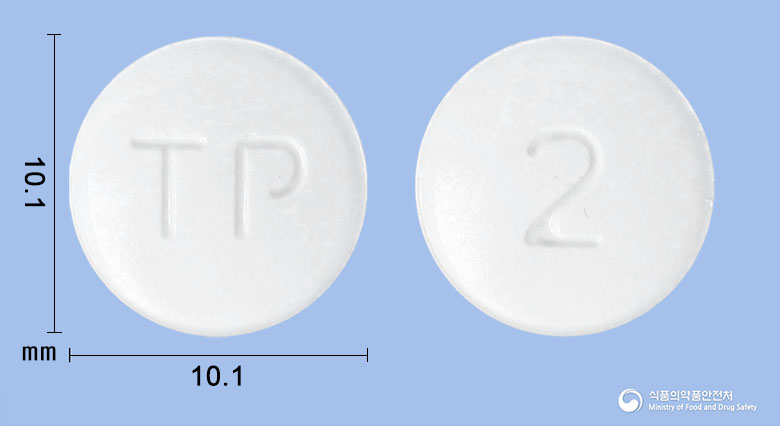
White or almost white, biconvex, round tablets
30 tablets/bottle
Even with the same ingredient, strength, dosage form and how it is taken can differ.
Viewing nowCombinationTelmisartan 80mg · Hydrochlorothiazide 12.5mg
Tablet · Prescription medication · Combination
Pamgen Science Co., Ltd.
 Combination
Telmisartan 40mg · Hydrochlorothiazide 12.5mg
Tablet · Prescription medication · Combination
Boehringer Ingelheim Korea Co., Ltd.
 Combination
Telmisartan 80mg · Hydrochlorothiazide 12.5mg
Tablet · Prescription medication · Combination
Boehringer Ingelheim Korea Co., Ltd.
 Combination
Telmisartan 40mg · Hydrochlorothiazide 12.5mg
Tablet · Prescription medication · Combination
Kwangdong Pharmaceutical Co., Ltd.
 Combination
Telmisartan 80mg · Hydrochlorothiazide 12.5mg
Tablet · Prescription medication · Combination
Kwangdong Pharmaceutical Co., Ltd.
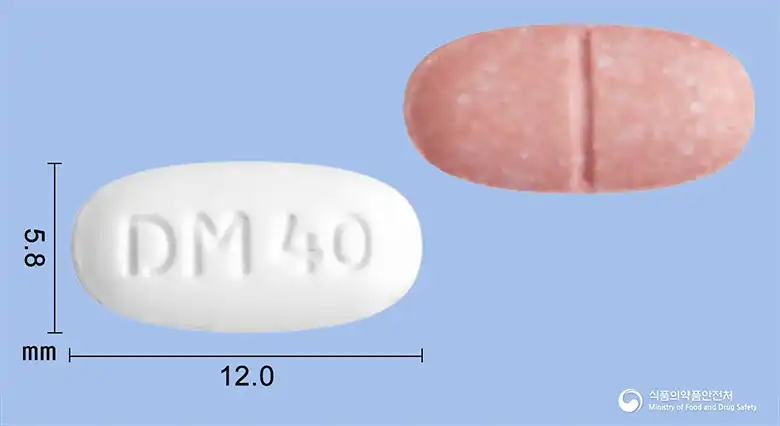 Combination
Telmisartan 40mg · Hydrochlorothiazide 12.5mg
Tablet · Prescription medication · Combination
Dasan Pharmaceutical Co., Ltd.
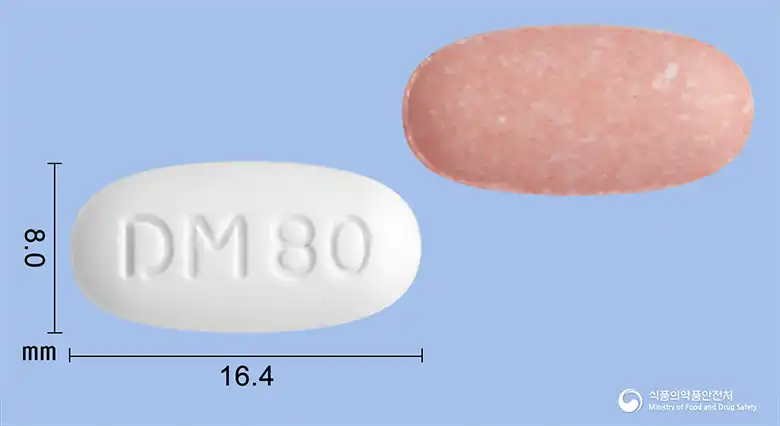 Combination
Telmisartan 80mg · Hydrochlorothiazide 12.5mg
Tablet · Prescription medication · Combination
Dasan Pharmaceutical Co., Ltd.
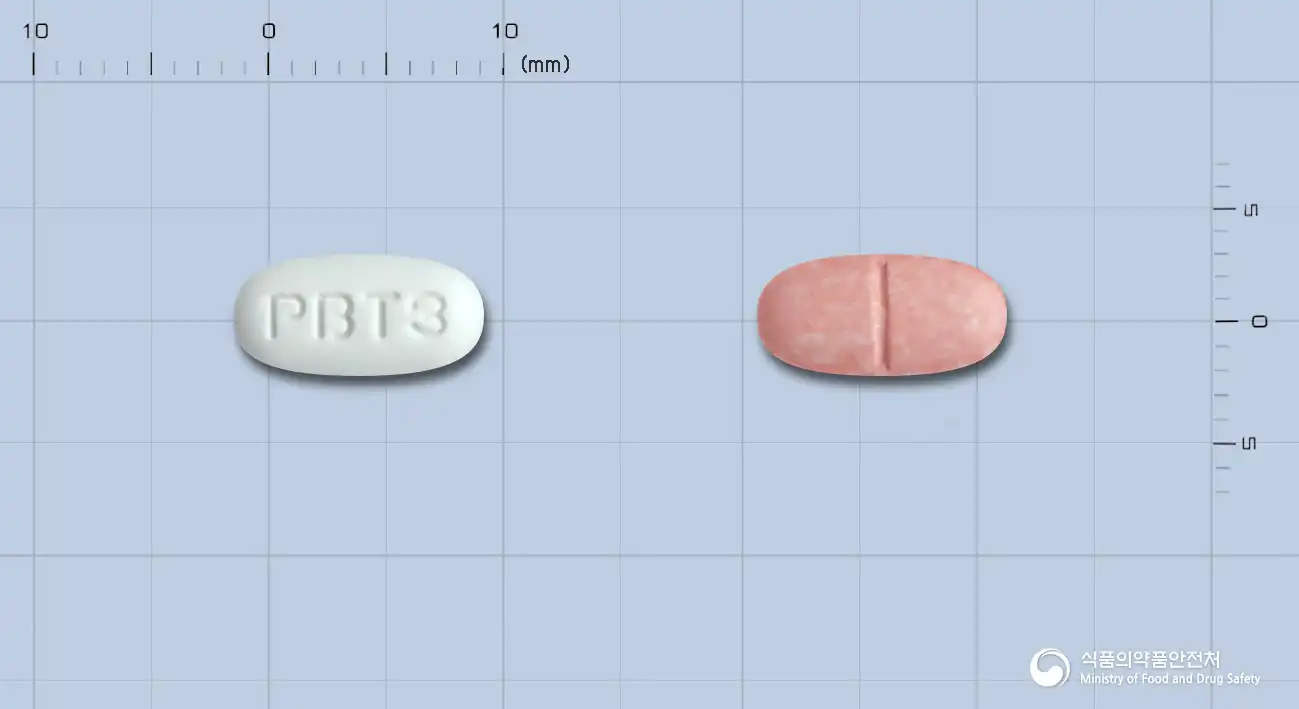 Combination
Telmisartan 40mg · Hydrochlorothiazide 12.5mg
Tablet · Prescription medication · Combination
Hanmi Pharm Co., Ltd.
Even with the same ingredient, the dose and directions can differ by strength and dosage form. Talk to a doctor or pharmacist before switching from a medication you are already taking.
No questions yet.
For anything that needs medical judgment, consult a doctor or pharmacist.
This drug information is based on data provided by the Korea Ministry of Food and Drug Safety.
Consult a doctor or pharmacist for accurate dosage, administration, and usage instructions.