
 한국어
한국어 English
 日本語
日本語 中文(简体)
 Viewing nowCombination
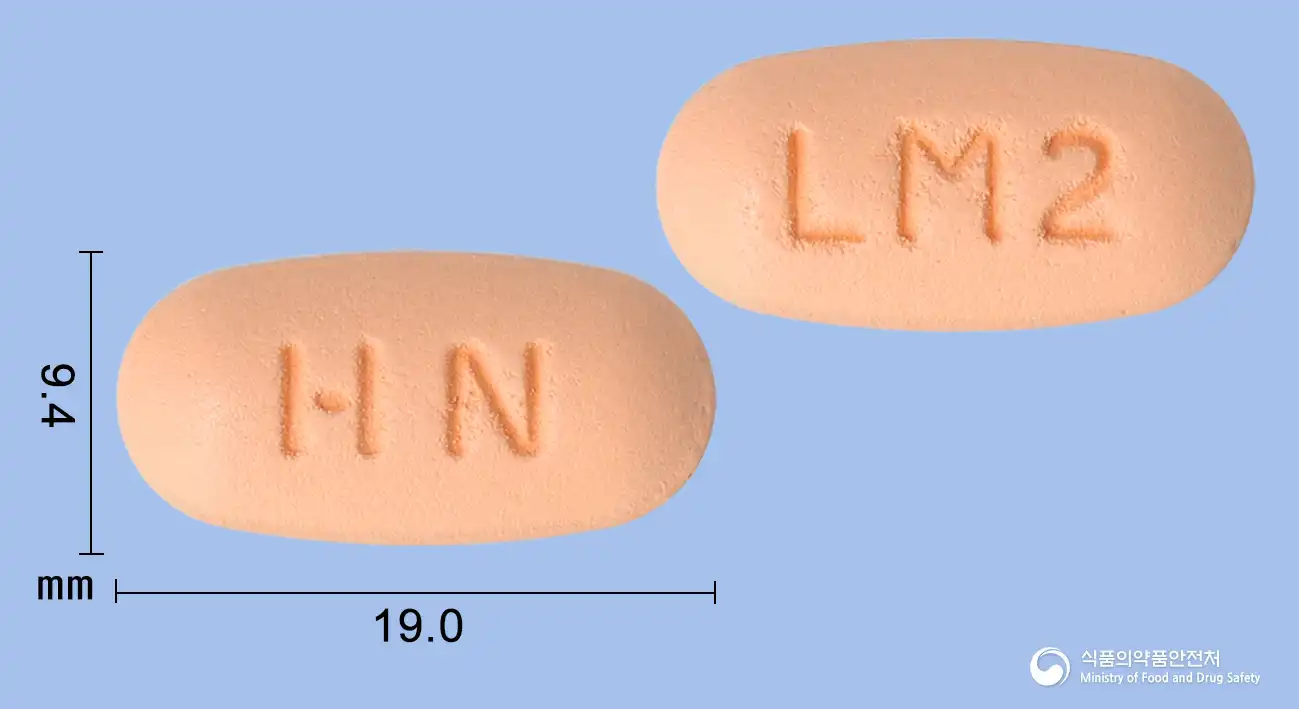
Linawon Duo Tablets 2.5/850 mg (Linagliptin, Metformin)
Linagliptin 2.5mg · Metformin Hydrochloride 850mg
Tablet · Prescription medication · Combination
Hana Pharmaceutical Co., Ltd.
MFDS item code 201903533 · Approved 2019.05.29 · Insurance code 657808110
Improvement in blood sugar control for type 2 diabetes
This medication is used in conjunction with dietary and exercise therapy to assist in blood sugar control for patients with type 2 diabetes. The combined action of linagliptin and metformin helps effectively regulate blood sugar levels. This contributes to the improvement of blood sugar levels and diabetes management. Patients who take this medication consistently will find significant help in improving blood sugar control.
This medication is administered twice a day with meals. To reduce the gastrointestinal side effects associated with metformin, the dose should be gradually increased. 1. In cases not treated with metformin: The initial dose is to take Linawon 2.5/500 mg twice a day, with 1 tablet per dose, and can be increased to a maximum of 2.5/1000 mg twice a day, 1 tablet per dose. 2. If sufficient treatment is not achieved with metformin alone.
This medication helps regulate blood sugar levels. However, there is a risk of developing a rare complication known as lactic acidosis during treatment, so caution is required. Patients with allergies to any of the ingredients, type 1 diabetes, or severe renal impairment should not take this medication. Furthermore, patients who are dehydrated, have severe infections, or have poor heart or liver function should avoid this medication. Symptoms of hypoglycemia may occur, so especially when taken with insulin or sulfonylurea medications, blood sugar levels should be monitored regularly. Patients with impaired kidney function should undergo renal function tests before taking this medication and should have regular check-ups. If facing an acute illness or undergoing surgery, the medication should be temporarily discontinued. While taking this medication, gastrointestinal disorders such as abdominal pain, vomiting, and diarrhea may appear, and in rare cases, acute pancreatitis or blistering similar to bullous pemphigoid may occur, so if these symptoms arise, consultation with a doctor is necessary. It is advisable for women who are pregnant or breastfeeding to avoid this medication, and it is not recommended for children under 10 years old and adolescents between 10 and 17 years old. Elderly patients should have their renal function monitored regularly and should start at the minimum dosage, as renal function decline is common in this age group. This medication may interact with other drugs, so if currently taking any medications, patients must inform their doctor or pharmacist. Alcohol consumption should be avoided as it may increase the risk of lactic acidosis. When storing this medication, keep it out of reach of children and protect it from moisture. In case of overdose, immediate medical attention is required, and hemodialysis may be necessary.
Urticaria, severe swelling (edema), lactic acidosis, angioedema, pancreatitis, bullous pemphigoid, liver function abnormalities (abnormal liver function tests, hepatitis), angina, acute myocardial infarction, unstable angina, congestive heart failure, shortness of breath, asthma, acute kidney injury, end-stage renal disease, acute cholangitis, acute cholecystitis, cholangitis, gallstones, vitreous hemorrhage, cerebral infarction, cardiac arrest, confusion, seizures, visual disturbances, paralysis, severe and disabling events
Not everyone experiences these, and they can vary from person to person.
This medication is sensitive to air and moisture, so the bottle should be tightly closed and stored in an airtight condition. It is best to store it at room temperature, avoiding extreme heat or cold, specifically between 1 degree and 30 degrees Celsius.
Bright orange, biconvex, oval film-coated tablet
30 tablets/bottle, 60 tablets/bottle, 100 tablets/bottle, 200 tablets/bottle
Even with the same ingredient, strength, dosage form and how it is taken can differ.
Viewing nowCombinationLinagliptin 2.5mg · Metformin Hydrochloride 850mg
Tablet · Prescription medication · Combination
Hana Pharmaceutical Co., Ltd.
 Combination
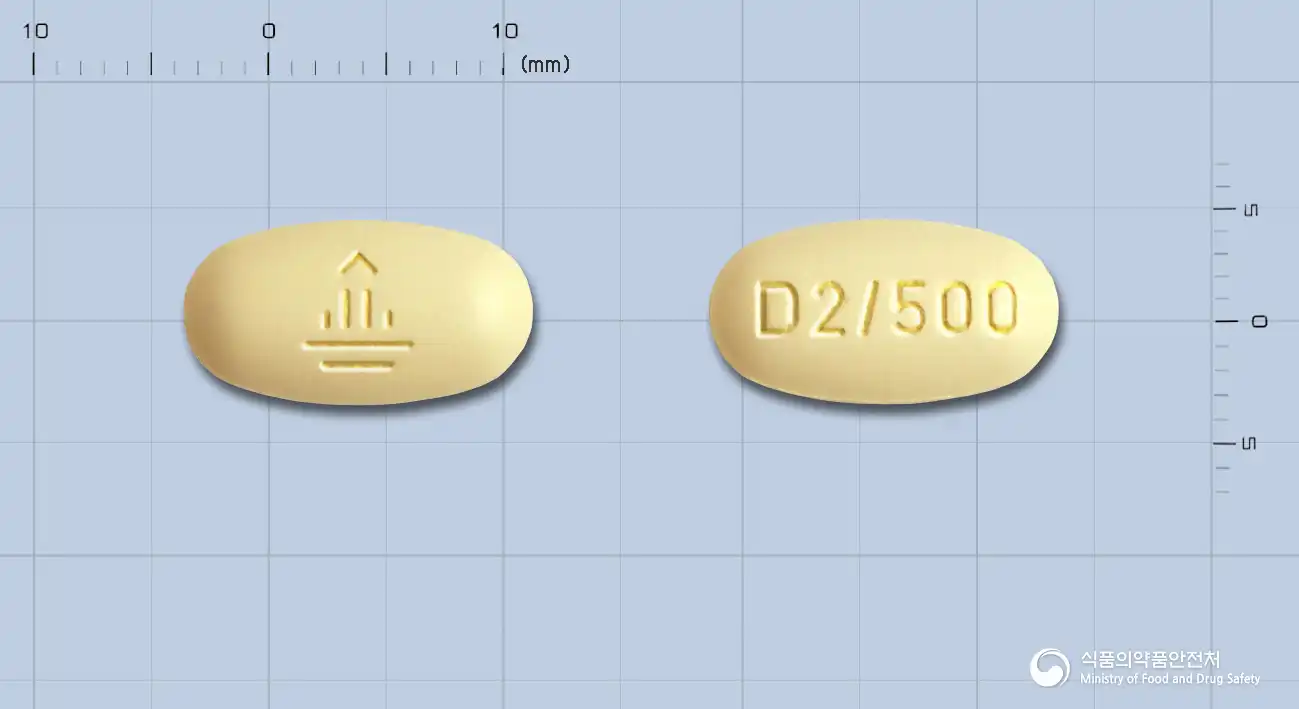
Linagliptin 2.5mg · Metformin Hydrochloride 500mg
Tablet · Prescription medication · Combination
Boehringer Ingelheim Korea Co., Ltd.
 Combination
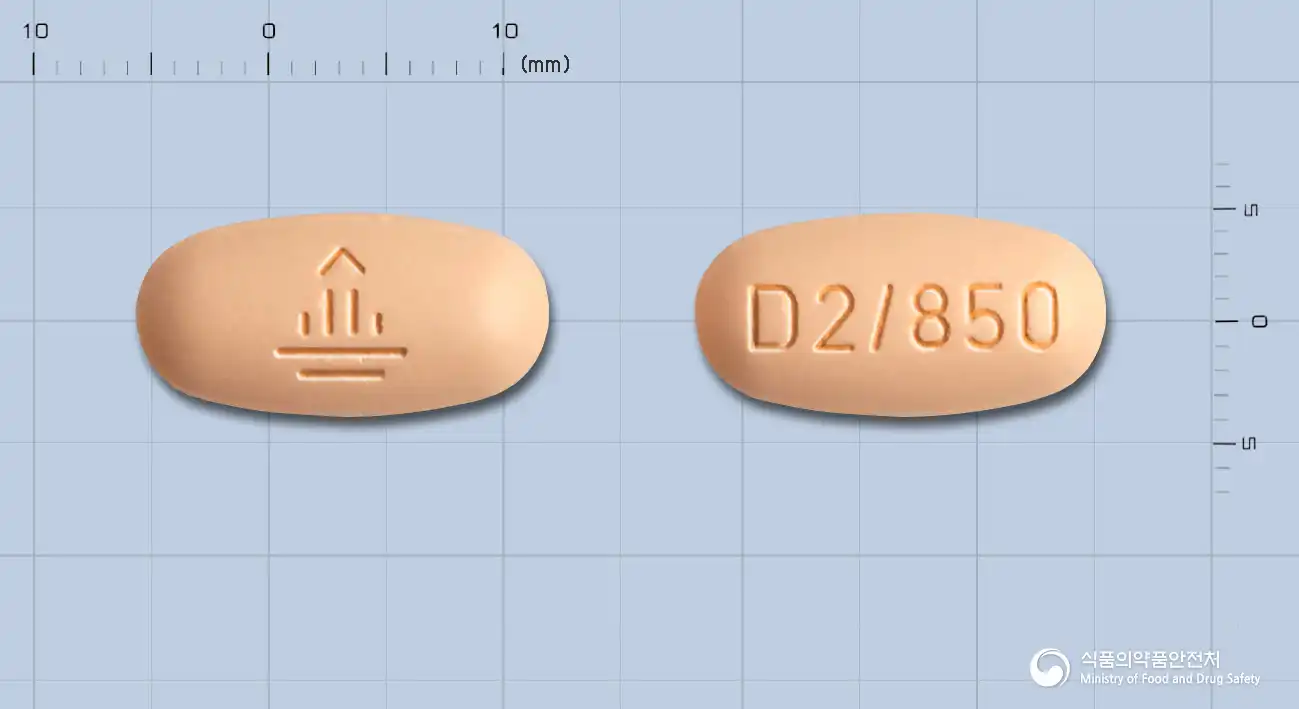
Linagliptin 2.5mg · Metformin Hydrochloride 850mg
Tablet · Prescription medication · Combination
Boehringer Ingelheim Korea Co., Ltd.
 Combination
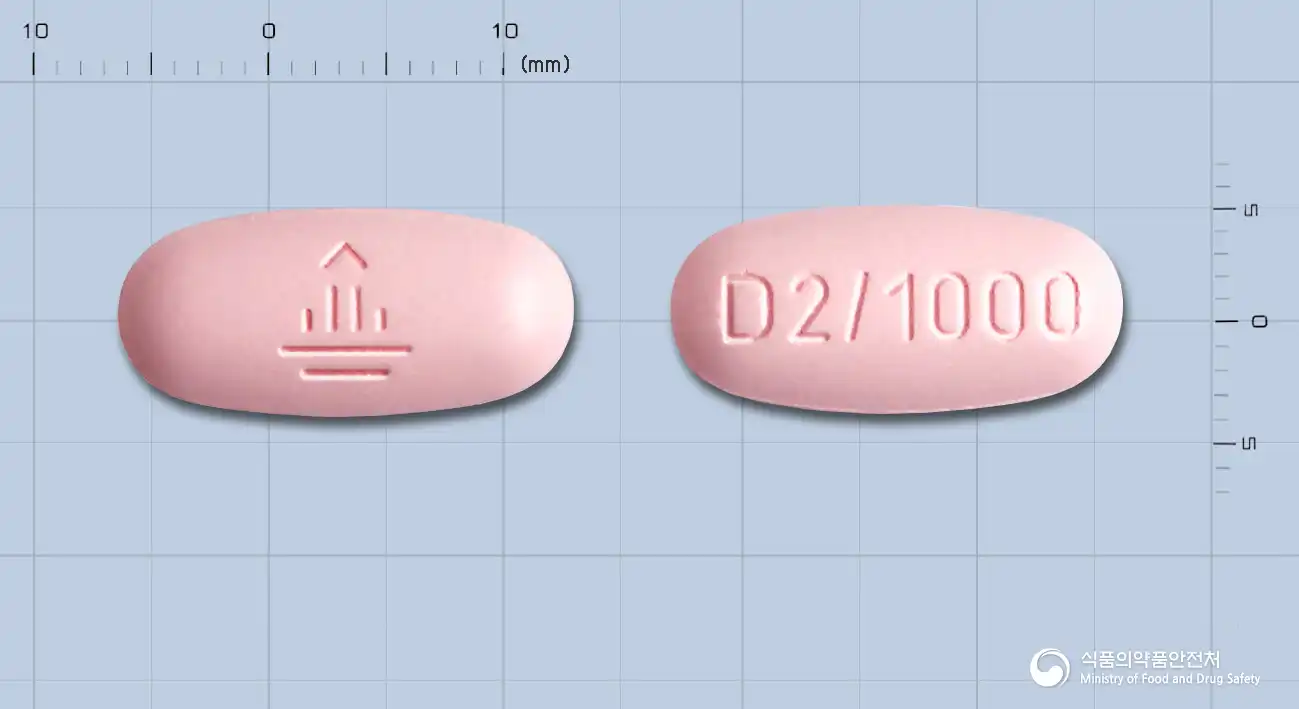
Linagliptin 2.5mg · Metformin Hydrochloride 1000mg
Tablet · Prescription medication · Combination
Boehringer Ingelheim Korea Co., Ltd.
Linagliptin 2.5mg · Metformin Hydrochloride 1000mg
Tablet · Prescription medication · Combination
Anguk Pharm Co., Ltd.
Linagliptin 2.5mg · Metformin Hydrochloride 1000mg
Prescription medication · Combination
Hanmi Pharmaceutical Co., Ltd.
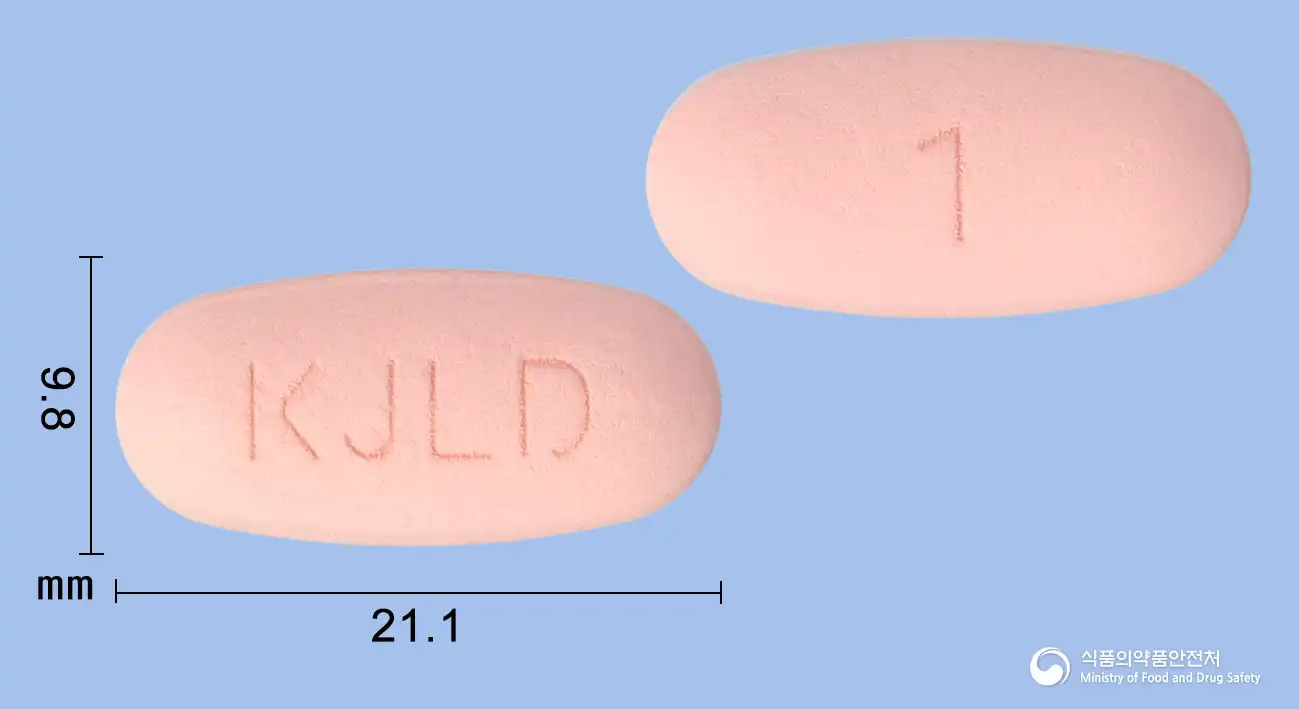 Combination
Linagliptin 2.5mg · Metformin Hydrochloride 1000mg
Tablet · Prescription medication · Combination
Kukje Pharmaceutical Co., Ltd.
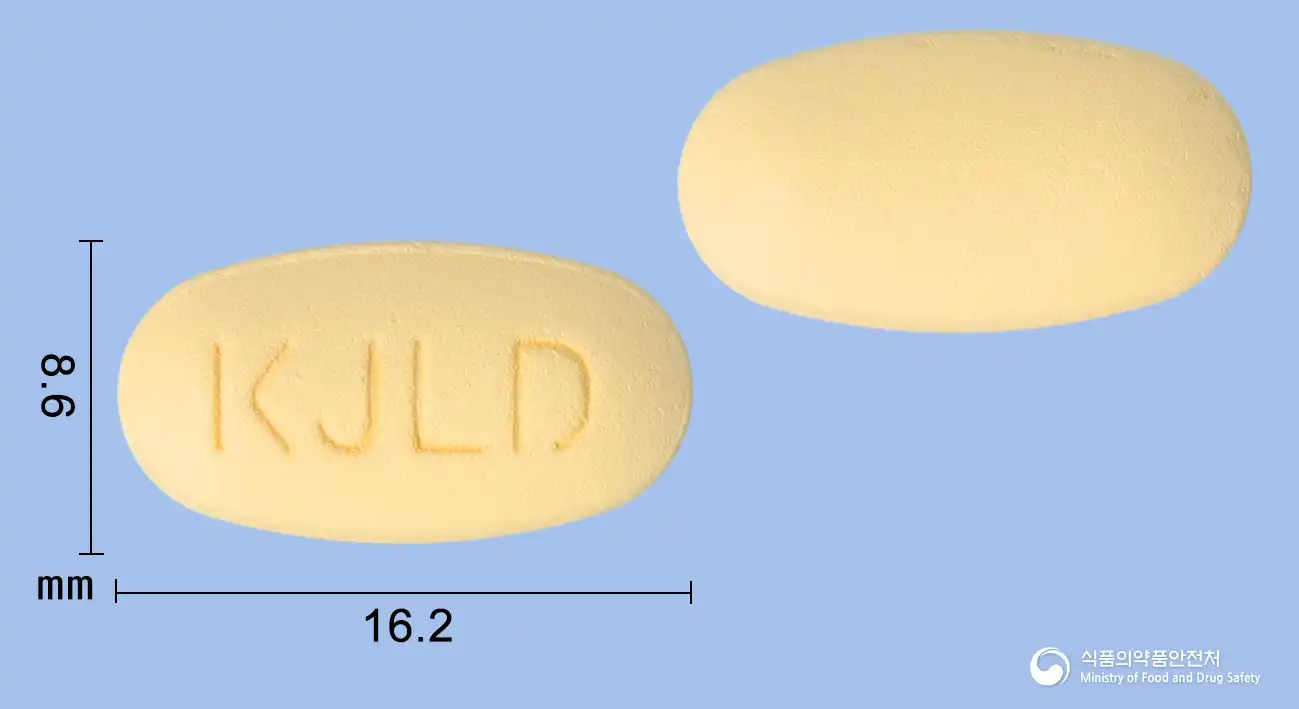 Combination
Linagliptin 2.5mg · Metformin Hydrochloride 500mg
Tablet · Prescription medication · Combination
International Pharmaceutical Co., Ltd.
Even with the same ingredient, the dose and directions can differ by strength and dosage form. Talk to a doctor or pharmacist before switching from a medication you are already taking.
No questions yet.
For anything that needs medical judgment, consult a doctor or pharmacist.
This drug information is based on data provided by the Korea Ministry of Food and Drug Safety.
Consult a doctor or pharmacist for accurate dosage, administration, and usage instructions.