
 한국어
 English
 日本語
 中文(简体)
 Viewing now
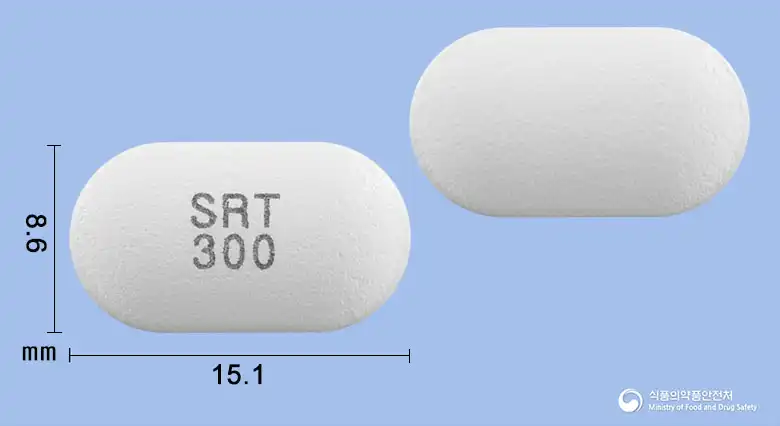
Saporate Sustained Release Tablet 300 mg (Sarpogrelate Hydrochloride)
Sarpogrelate Hydrochloride 200mg
Tablet · Prescription medication
Hanmi Pharmaceutical Co., Ltd.
MFDS item code 201903511 · Approved 2019.05.28 · Insurance code 643508130
Improvement of ischemic symptoms (ulcers, pain, etc.) caused by chronic arterial occlusion
This medication is used to improve ischemic symptoms such as ulcers, pain, and cold sensations, arising from chronic arterial occlusion. It helps alleviate blood circulation disorders caused by conditions such as Buerger's disease, obstructive atherosclerosis, and diabetic peripheral vascular disease, aiding in symptom improvement. It contributes to reducing uncomfortable symptoms and enhancing blood flow, thereby improving the patient's quality of life. Thus, it is effectively used to improve these ischemic symptoms.
Adults: Take 300 mg of sarpogrelate hydrochloride extended-release tablets orally once daily after a meal. Swallow this medicine whole; do not chew or crush it.
This medication should not be administered to patients with bleeding. Increased bleeding may occur in conditions with a high risk of bleeding such as hemophilia or gastrointestinal bleeding. It is safest not to use this medication in women who are pregnant or may become pregnant, as there are animal studies indicating potential harm to the fetus. Careful administration is required in women menstruating or patients with a tendency for bleeding, as well as patients taking anticoagulants or platelet aggregation inhibitors, due to the increased risk of bleeding. Patients with severely impaired kidney function and elderly patients should also use this medication with caution, as it can affect drug elimination, potentially leading to a higher occurrence of adverse reactions. During treatment with this medication, various adverse reactions may arise, including urticaria, dyspepsia, headache, cough, and changes in blood pressure, so patients should observe symptoms closely. Additionally, serious side effects such as bleeding, liver dysfunction, blood disorders, and skin rashes may rarely occur, thus any unusual symptoms should prompt immediate consultation with healthcare professionals. Regular blood tests are important during treatment to monitor bleeding risks or liver function status. The risk of bleeding may increase when combined with anticoagulants or platelet aggregation inhibitors, so special caution is needed when using these medications together. Women who are breastfeeding should avoid this medication if possible, or discontinue breastfeeding, as this medication can be secreted in breast milk. Safety in pediatric patients has not been established; therefore, it is advisable not to use in children. Lastly, this medication should be kept out of reach of children and should not be stored in different containers to prevent accidents and maintain drug quality.
Not everyone experiences these, and they can vary from person to person.
This medication may be sensitive to air and moisture, so it must be stored in a tightly sealed container. It is recommended to maintain storage temperatures between 1 to 30 degrees Celsius.
White rectangular film-coated tablet
30 tablets/bottle, 100 tablets/bottle
Even with the same ingredient, strength, dosage form and how it is taken can differ.
Viewing nowSarpogrelate Hydrochloride 200mg
Tablet · Prescription medication
Hanmi Pharmaceutical Co., Ltd.
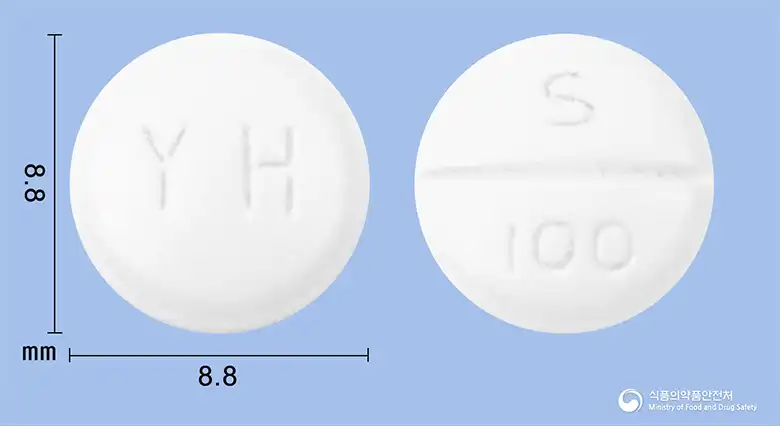
Sarpogrelate Hydrochloride 100mg
Tablet · Prescription medication
Yuhan Corporation
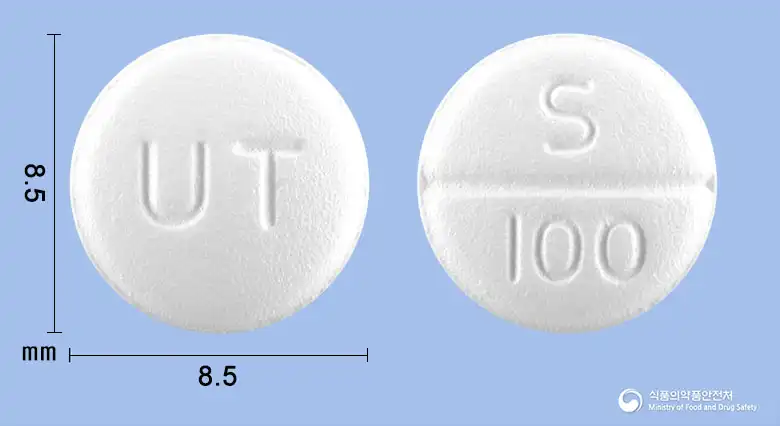
Sarpogrelate Hydrochloride 100mg
Tablet · Prescription medication
Korea United Pharmaceutical Co., Ltd.
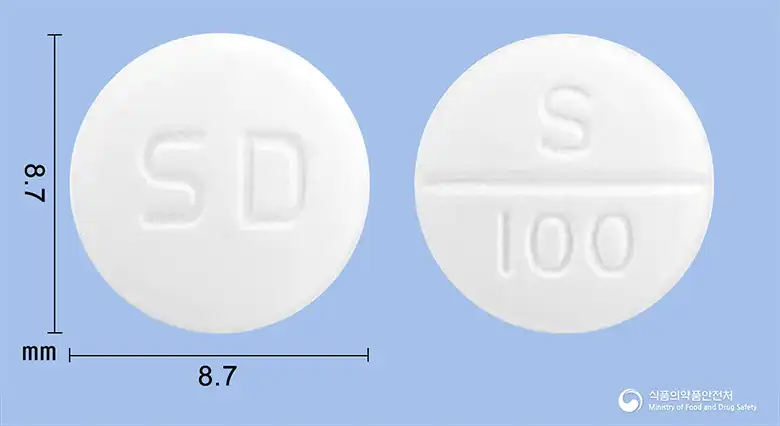
Sarpogrelate Hydrochloride 100mg
Tablet · Prescription medication
(Co., Ltd.) Pharmgen Science
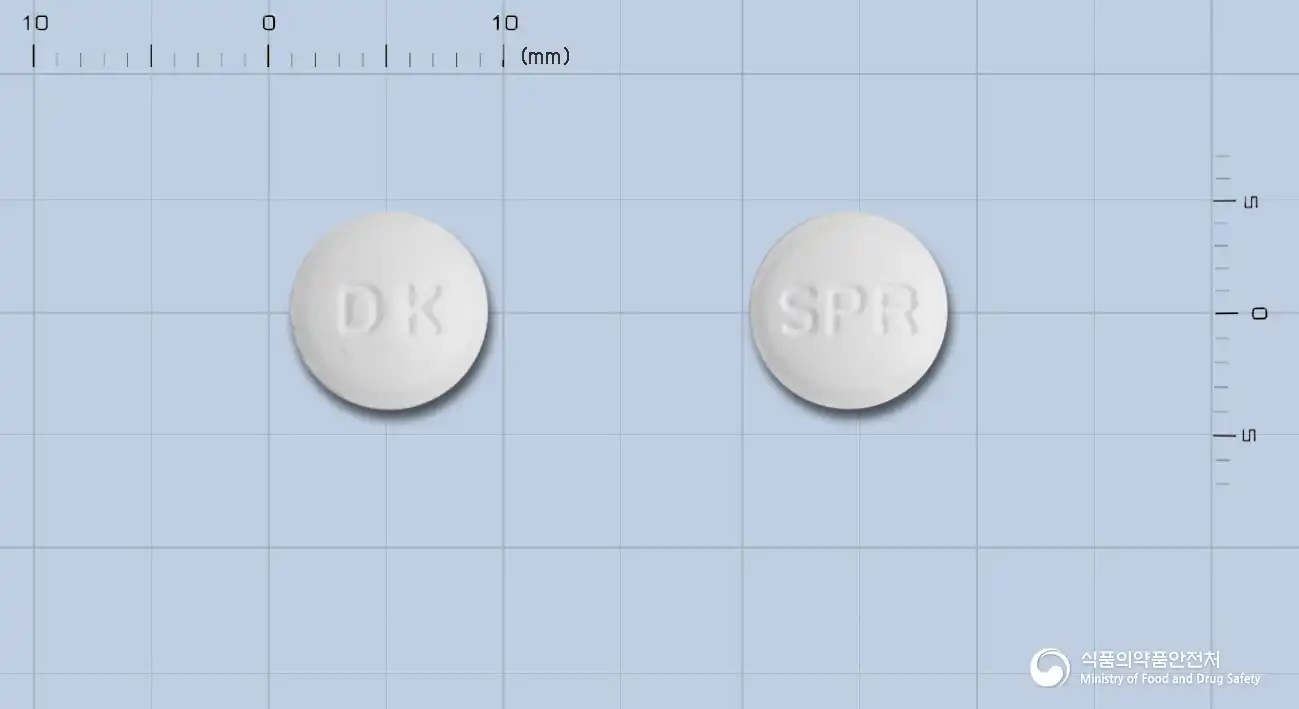
Sarpogrelate Hydrochloride 100mg
Tablet · Prescription medication
Dongkook Pharmaceutical Co., Ltd.
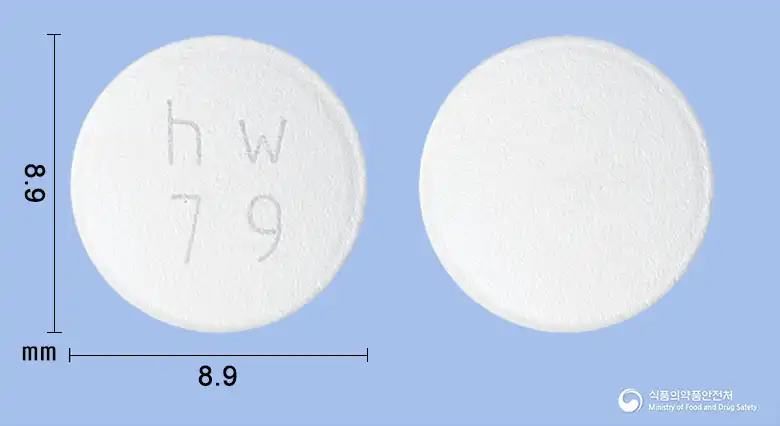
Sarpogrelate Hydrochloride 100mg
Tablet · Prescription medication
Haewon Pharmaceutical Co., Ltd.
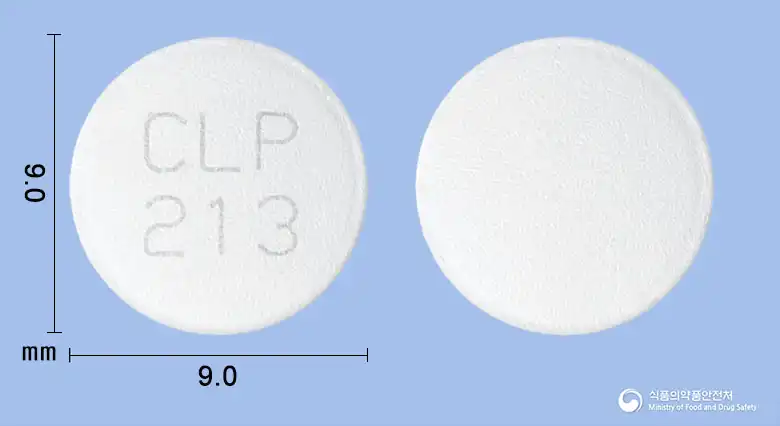
Sarpogrelate Hydrochloride 100mg
Tablet · Prescription medication
Celltrion Pharmaceutical Co., Ltd.
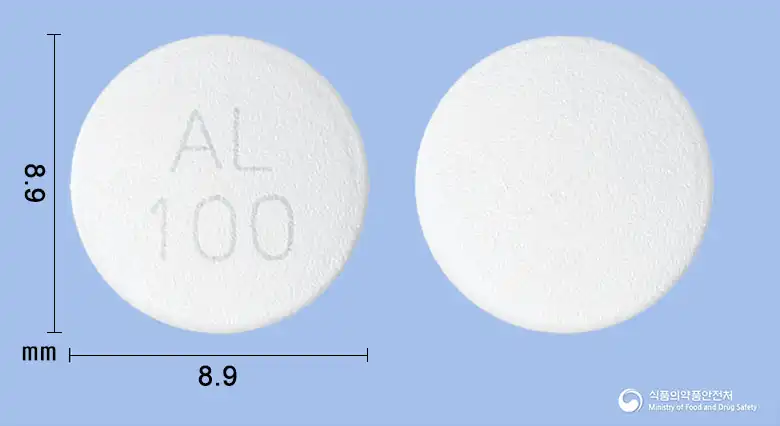
Sarpogrelate Hydrochloride 100mg
Tablet · Prescription medication
Allico Pharmaceuticals Co., Ltd.
Even with the same ingredient, the dose and directions can differ by strength and dosage form. Talk to a doctor or pharmacist before switching from a medication you are already taking.
No questions yet.
For anything that needs medical judgment, consult a doctor or pharmacist.
This drug information is based on data provided by the Korea Ministry of Food and Drug Safety.
Consult a doctor or pharmacist for accurate dosage, administration, and usage instructions.