
 한국어
한국어 English
 日本語
日本語 中文(简体)
 Viewing nowCombination
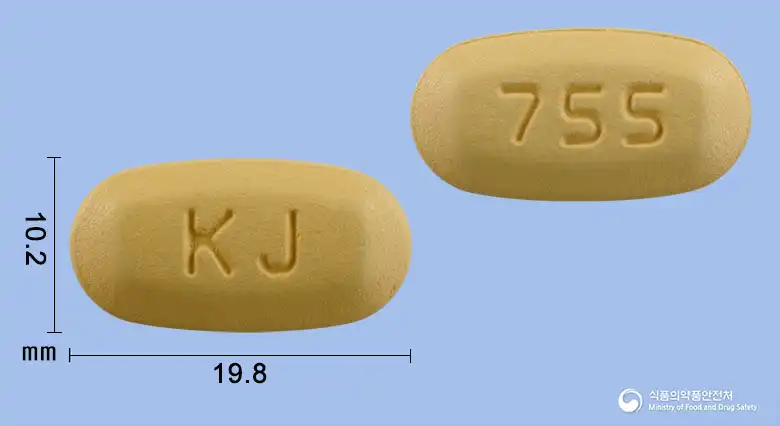
Crevis Tablet 750/5 mg
Metformin Hydrochloride 750mg · Rosuvastatin Calcium 5.2mg
Tablet · Prescription medication · Combination
International Pharmaceutical Co., Ltd.
MFDS item code 201903379 · Approved 2019.05.24
This product's status changed to Approval revoked on 2026.02.19. It may no longer be sold, so consult a doctor or pharmacist before taking it.
Efficacy of Combination Replacement Therapy
This medication is used as a combination replacement therapy for patients with both hyperglycemia and hyperlipidemia who need to take Metformin Hydrochloride and Rosuvastatin Calcium together. By administering both medications simultaneously, it enhances treatment efficacy and improves patient adherence to medication.
This medication is administered once daily in conjunction with the evening meal for adults.
This medication can rarely cause a serious metabolic disorder known as lactic acidosis, so any symptoms should be reported to a healthcare professional immediately. When taking this medication together with insulin or sulfonylurea drugs for diabetes treatment, there is a risk of hypoglycemia, so caution is required. Individuals allergic to any ingredient in this medication or to similar drugs should not use it. Patients with severely impaired liver function or liver disease should not take this medication. Individuals with muscle diseases or a high risk of muscle problems should be particularly cautious about muscle-related side effects when taking this medication. Women who are pregnant, breastfeeding, or of childbearing potential should not take this medication and should use appropriate contraception. Patients with very poor kidney function or conditions that may affect kidney function, such as acute heart failure or severe infections, should also refrain from using this medication. The use of this medication should be temporarily discontinued before and after tests using iodinated contrast agents and should only be resumed once kidney function is confirmed normal. Children or adolescents under 19 years of age should not take this medication, as its safety and efficacy have not been established in this age group. Elderly patients may experience reduced kidney function, so regular kidney function tests should be conducted during treatment, and dosage adjustments may be necessary. It is advisable to avoid alcohol consumption during the course of this medication, as excessive drinking can increase the risk of lactic acidosis. While on this medication, blood glucose levels, liver function, and muscle condition should be regularly monitored for any abnormal signs. If symptoms such as muscle pain, weakness, fatigue, fever occur, the physician should be notified immediately, and blood tests may be necessary to check for muscle damage. This medication may interact with other drugs, so inform your doctor or pharmacist of any other medications being taken. In cases of overdose, as there is no specific antidote, appropriate treatment should be sought immediately at a hospital, and, if necessary, drug removal via dialysis may be an option. This medication should be stored out of reach of children and kept sealed in its original container for safety.
Hives, severe swelling (edema), chest tightness, difficulty breathing, abnormal liver function tests, jaundice, severe allergic reactions, severe skin reactions, Stevens-Johnson syndrome, eosinophilia with systemic symptoms (DRESS), rhabdomyolysis, severe muscle weakness and ocular myasthenia, acute renal failure, thrombocytopenia, increased serum creatinine, hypoglycemia, lactic acidosis, myopathy, acute myocardial infarction,
Not everyone experiences these, and they can vary from person to person.
This medication should be stored in a tightly sealed container to prevent exposure to air or moisture. The storage temperature should be kept between 1 and 30 degrees Celsius.
Yellow oval film-coated tablet
30 tablets (10 tablets/PTP×3)
Even with the same ingredient, strength, dosage form and how it is taken can differ.
Viewing nowCombinationMetformin Hydrochloride 750mg · Rosuvastatin Calcium 5.2mg
Tablet · Prescription medication · Combination
International Pharmaceutical Co., Ltd.
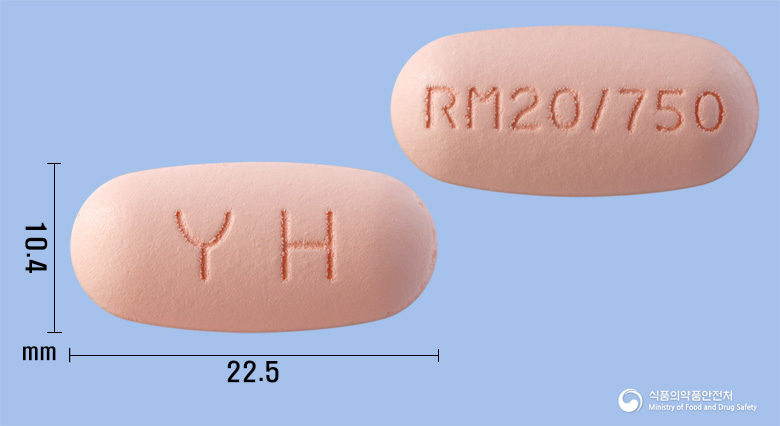 Combination
Metformin Hydrochloride 750mg · Rosuvastatin Calcium 20.8mg
Tablet · Prescription medication · Combination
Yuhan Corporation
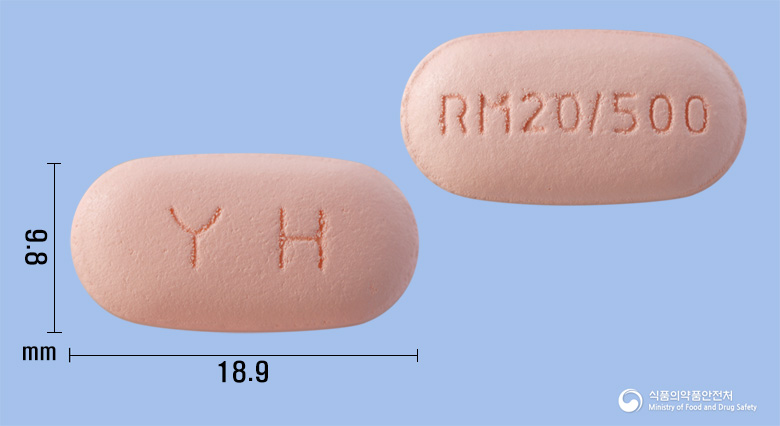 Combination
Metformin Hydrochloride 500mg · Rosuvastatin Calcium 20.8mg
Tablet · Prescription medication · Combination
Yuhan Corporation
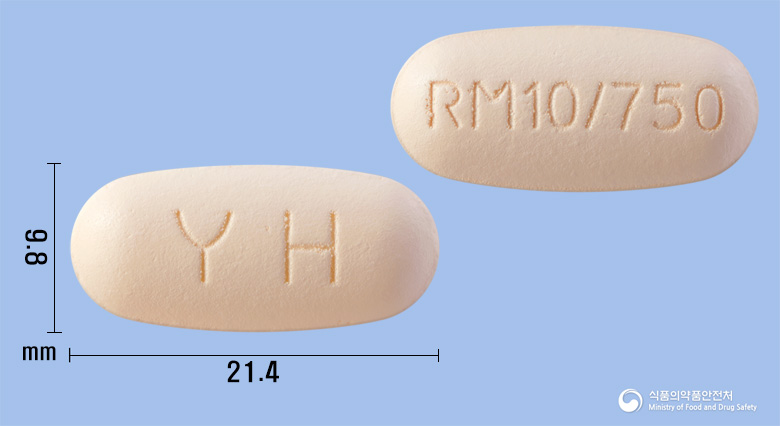 Combination
Metformin Hydrochloride 750mg · Rosuvastatin Calcium 10.4mg
Tablet · Prescription medication · Combination
Yuhan Corporation
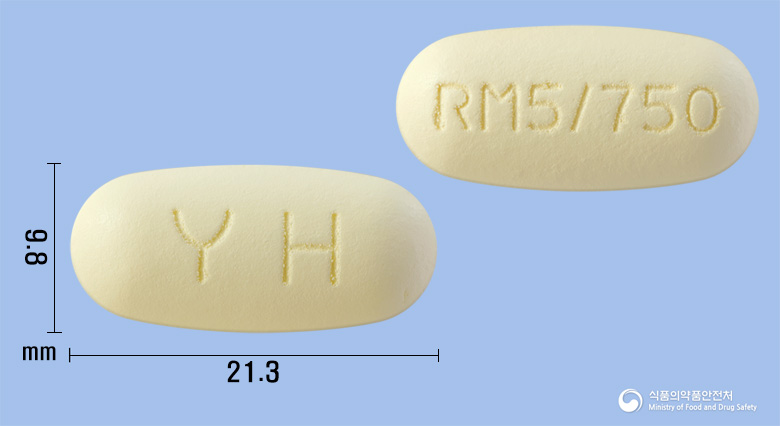 Combination
Metformin Hydrochloride 750mg · Rosuvastatin Calcium 5.2mg
Tablet · Prescription medication · Combination
Yuhan Corporation
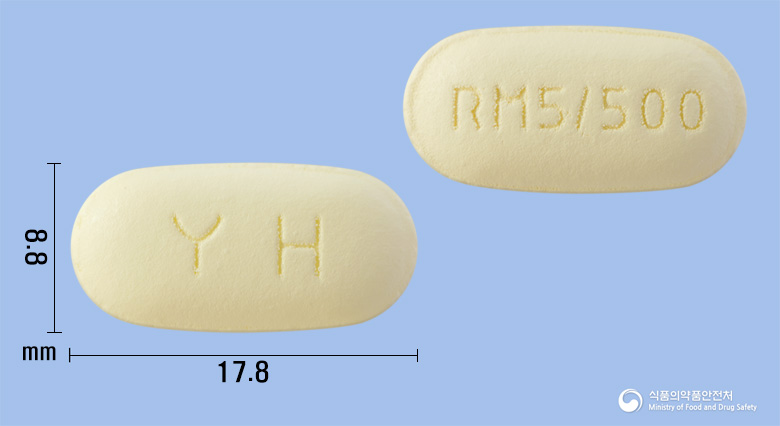 Combination
Metformin Hydrochloride 500mg · Rosuvastatin Calcium 5.2mg
Tablet · Prescription medication · Combination
Yuhan Corporation
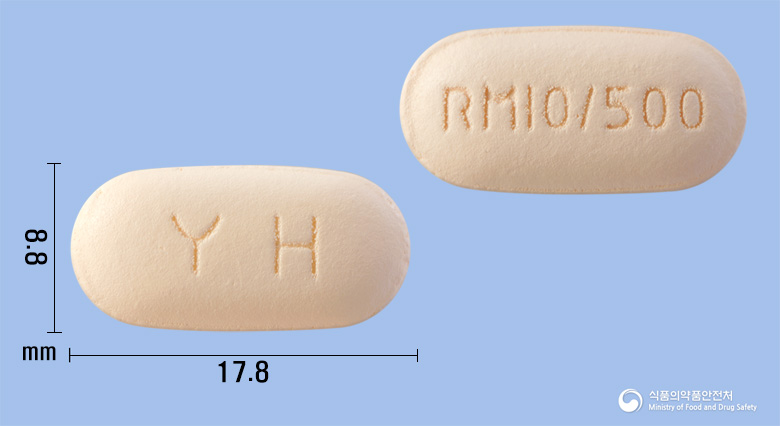 Combination
Metformin Hydrochloride 500mg · Rosuvastatin Calcium 10.4mg
Tablet · Prescription medication · Combination
Yuhansangyo Co., Ltd.
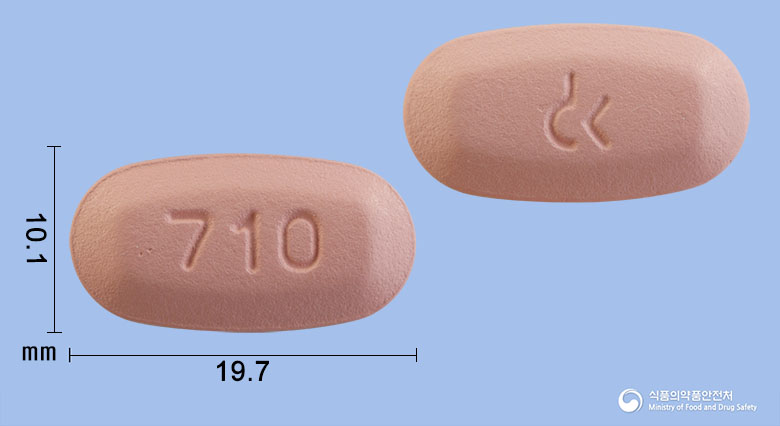 Combination
Metformin Hydrochloride 750mg · Rosuvastatin Calcium 10.4mg
Tablet · Prescription medication · Combination
Dongkuk Pharmaceutical Co., Ltd.
Even with the same ingredient, the dose and directions can differ by strength and dosage form. Talk to a doctor or pharmacist before switching from a medication you are already taking.
No questions yet.
For anything that needs medical judgment, consult a doctor or pharmacist.
This drug information is based on data provided by the Korea Ministry of Food and Drug Safety.
Consult a doctor or pharmacist for accurate dosage, administration, and usage instructions.