
 한국어
한국어 English
 日本語
日本語 中文(简体)
Dosage form image
Viewing nowRosumax Tablet 20 Milligrams (Rosuvastatin Calcium)
Rosuvastatin Calcium 20.8mg
Tablet · Prescription medication
Jeongwoo Pharmaceutical Co., Ltd.
MFDS item code 201903288 · Approved 2019.05.21
This product's status changed to Expired on 2024.05.21. It may no longer be sold, so consult a doctor or pharmacist before taking it.
Treatment of hypercholesterolemia and familial hypercholesterolemia (including cardiovascular disease risk) and reduction of cardiovascular disease risk
This medicine is used as an adjunct therapy in patients with primary hypercholesterolemia and mixed hyperlipidemia when diet and exercise do not adequately control these conditions. It is also helpful as an adjunct to lipid-lowering therapy in patients with homozygous familial hypercholesterolemia. It effectively lowers total cholesterol and LDL-cholesterol levels, limiting the progression of atherosclerosis. Furthermore, it is used as an adjunct to diet in pediatric patients aged 10 years and older with heterozygous familial hypercholesterolemia that meets specific criteria. It is beneficial for patients with primary dysbetalipoproteinemia; while there is no clinical evidence for the risk of coronary artery disease, it is used to reduce the risk of stroke, myocardial infarction, and arterial revascularization in middle-aged patients with cardiovascular disease risk factors. This medication effectively improves dyslipidemia and the risk of cardiovascular disease.
Can be taken once daily at any time of the day, regardless of meals. The initial dosage is 5 milligrams once daily, and the maintenance dosage is 10 milligrams once daily, with most patients adjusting to this dosage. The maintenance dosage should be appropriately adjusted every 4 weeks or more based on LDL-cholesterol levels, treatment goals, and patient response and can be increased up to a maximum of 20 milligrams per day.
For pediatric patients aged 10 to 17 years, administer 5 to 20 milligrams once daily. Dosage should be adjusted every 4 weeks or more based on individual treatment goals. For those under 10 years of age
This medication should not be used in patients with known allergies to specific ingredients. Patients with active liver disease or abnormally high liver enzyme levels should not take this medication. Patients with muscular disorders or myopathy should avoid this medication, and those taking cyclosporine should not use it concurrently. Patients with severe renal impairment and pregnant or breastfeeding women, as well as women of childbearing potential who are not using appropriate contraception, should not use this medication. The 40-milligram dosage is contraindicated for patients at high risk of muscle disorders, including those with moderate renal impairment, hypothyroidism, a history of hereditary muscular diseases, and alcohol abuse. This medication contains lactose and should not be administered to patients with lactose intolerance or related genetic disorders. Patients with high alcohol consumption or a history of liver disease should have regular liver function tests before and during treatment. If symptoms of myalgia or myopathy occur, immediate medical consultation and necessary testing should occur, and drug cessation may be required. If acute severe conditions or serious physical ailments are present, this medication should be discontinued. This medication may rarely trigger severe myasthenia gravis or ophthalmoplegic myasthenia; if such symptoms occur, discontinue use. The risk of muscular toxicity may increase when taken with certain other medications, so concomitant use must be checked. Renal function tests may be required for high-dose administration. Asian patients may have higher drug exposure, so dosages may need to be adjusted. This medication can also be used in children and adolescents, but growth and secondary sexual characteristics need to be monitored. Severe skin reactions may occur infrequently; if skin abnormality symptoms appear, medication use should be stopped immediately. This medication can interact with other drugs, so consult with healthcare providers if currently taking any other medications. Pregnant or breastfeeding women should not use this medication, and women of childbearing potential should practice appropriate contraception. In case of overdose, as there are no specific antidotes, treatment should be symptomatic along with liver function and muscle enzyme testing.
Headache, dizziness, constipation, nausea, abdominal pain, itching, rash, myalgia, weakness, hematuria, diarrhea, fatigue, numbness, paresthesia, chest discomfort, anorexia, abdominal bloating, syncope, generalized pain, muscle cramps, gout, erectile dysfunction, joint pain, memory loss, peripheral neuropathy, thrombocytopenia, hepatitis, elevated transaminases, eosinophilia, and drug reaction with eosinophilia and systemic symptoms syndrome, lupus-like syndrome, muscle rupture
Not everyone experiences these, and they can vary from person to person.
Store this medication in a tightly sealed container to avoid exposure to air or moisture. It is best to keep the storage temperature between 1 to 30 degrees Celsius. This will help maintain the medication's efficacy for a longer period.
Pink round film-coated tablets
30 tablets (15 tablets/PTP x 2 packs)
Even with the same ingredient, strength, dosage form and how it is taken can differ.
Rosuvastatin Calcium 20.8mg
Tablet · Prescription medication
Jeongwoo Pharmaceutical Co., Ltd.
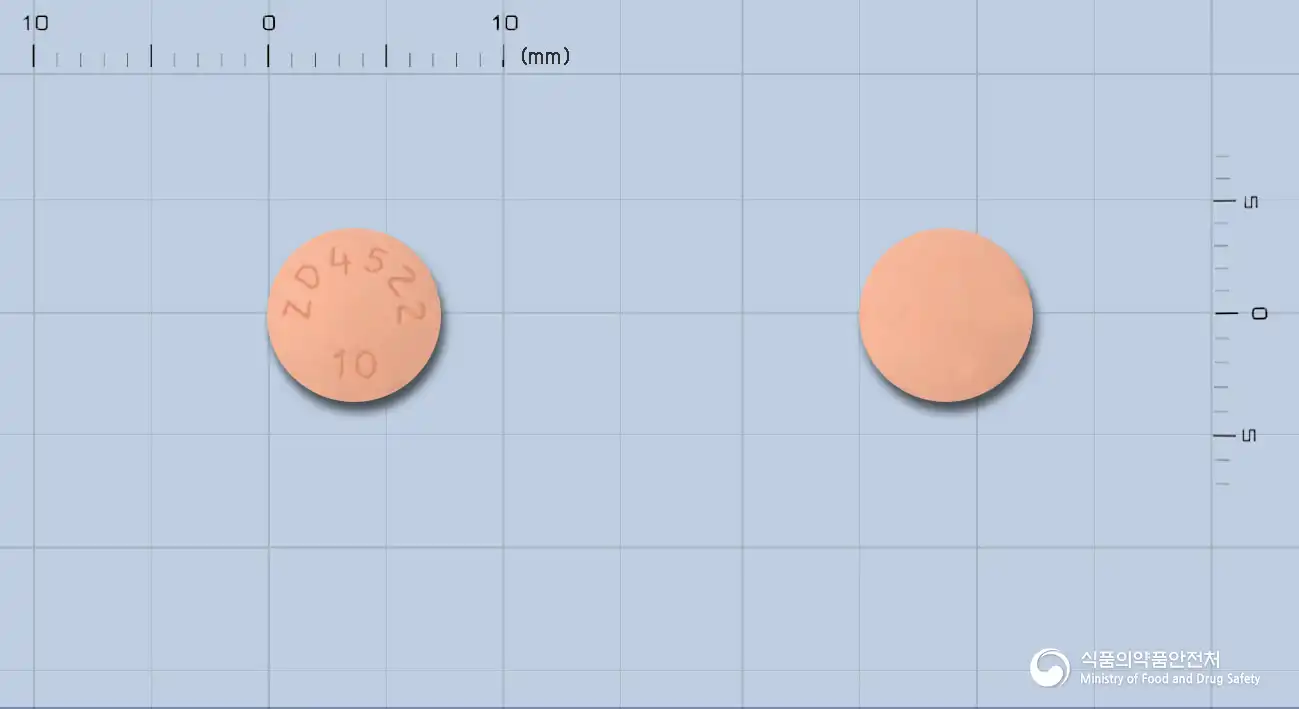
Rosuvastatin Calcium 10.4mg
Tablet · Prescription medication
AstraZeneca Korea Co., Ltd.

Rosuvastatin Calcium 20.8mg
Tablet · Prescription medication
AstraZeneca Korea Co., Ltd.
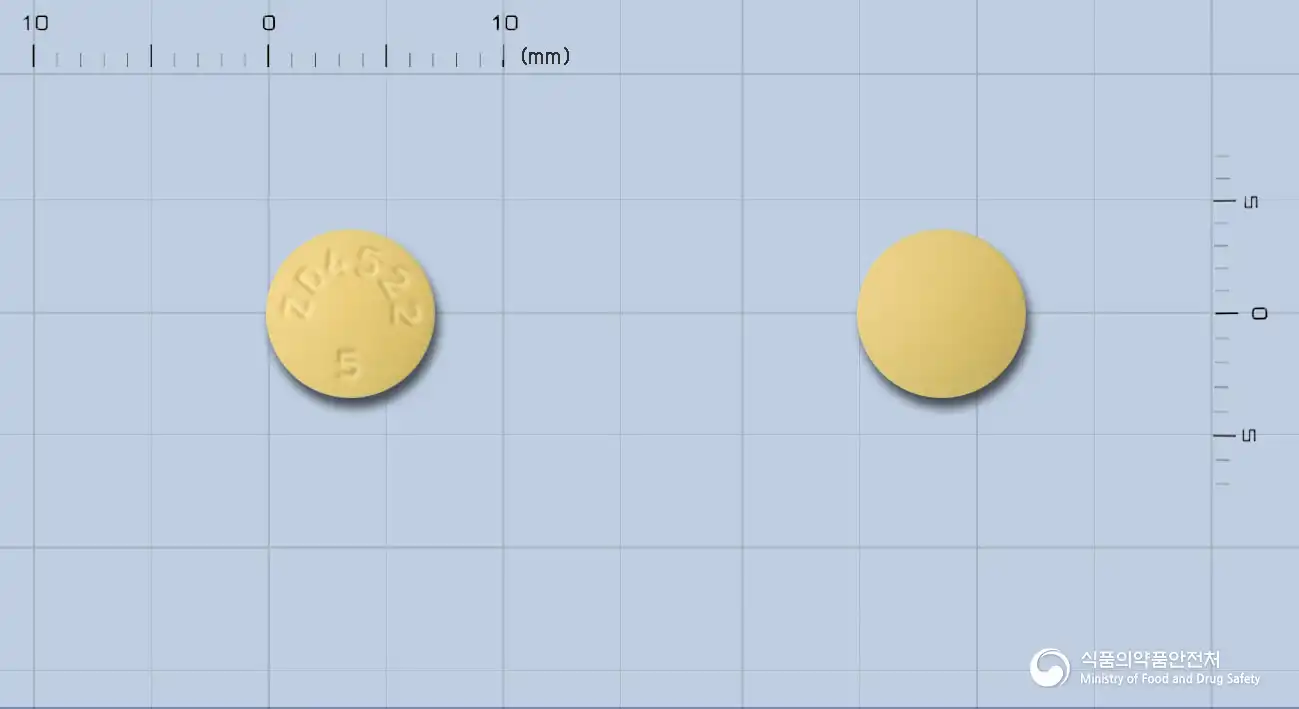
Rosuvastatin Calcium 5.2mg
Tablet · Prescription medication
AstraZeneca Korea Co., Ltd.
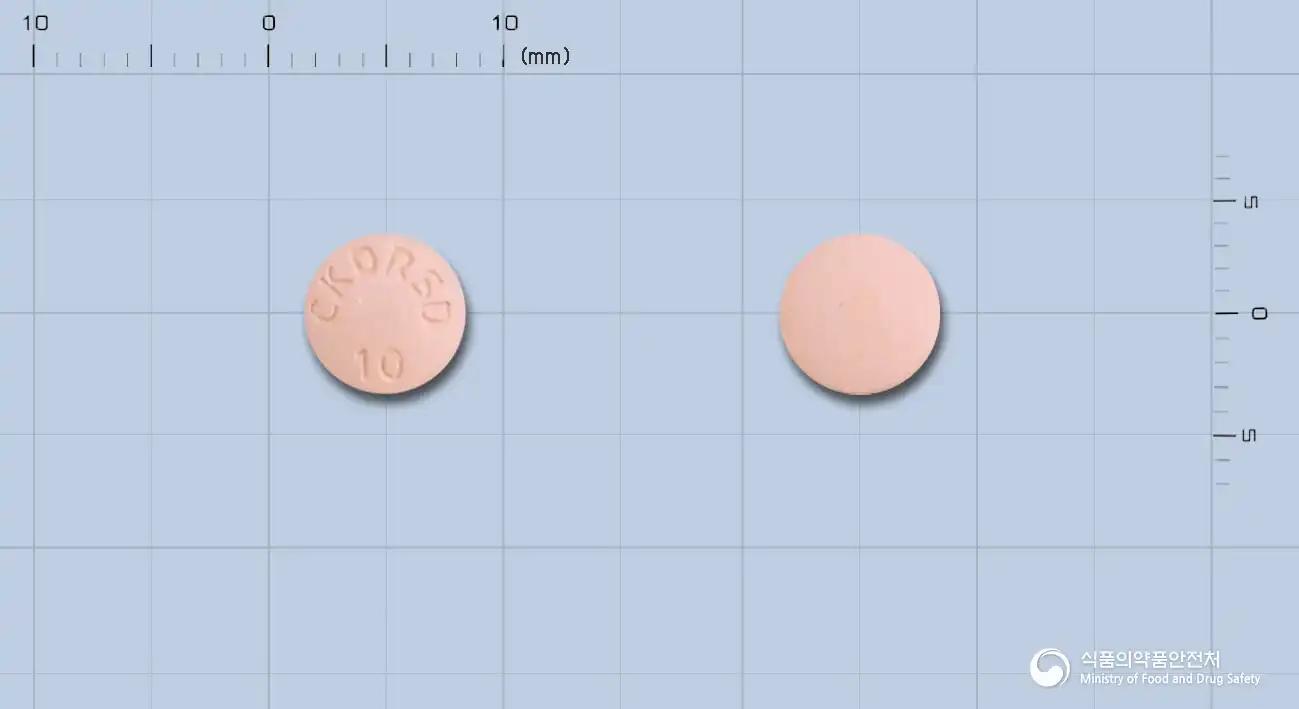
Rosuvastatin Calcium 10.4mg
Tablet · Prescription medication
Chong Kun Dang Pharmaceutical Corp.
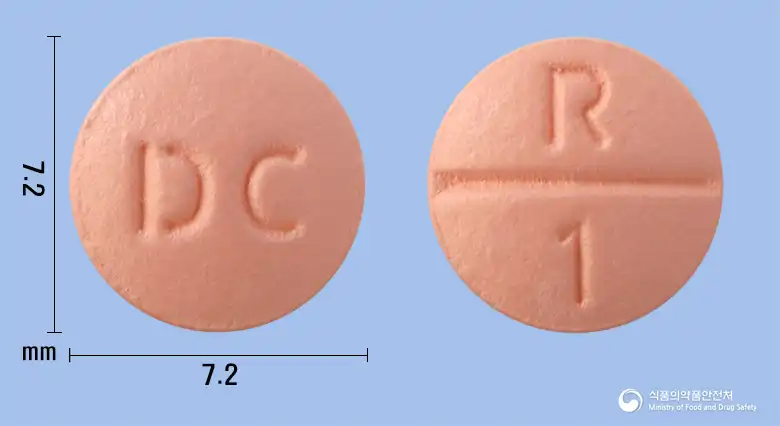
Rosuvastatin Calcium 10.4mg
Tablet · Prescription medication
Dong Gu Bio Pharmaceutical Co., Ltd.
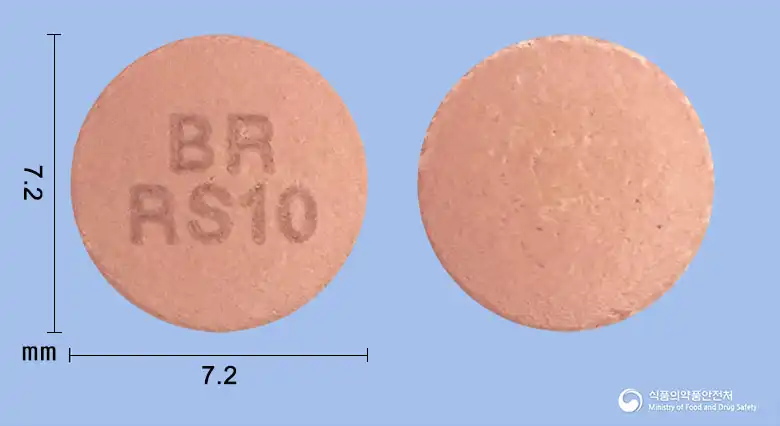
Rosuvastatin Calcium 10.4mg
Tablet · Prescription medication
Boryung Pharmaceutical Co., Ltd.

Rosuvastatin Calcium 20.8mg
Tablet · Prescription medication
Jongkundang Co., Ltd.
Even with the same ingredient, the dose and directions can differ by strength and dosage form. Talk to a doctor or pharmacist before switching from a medication you are already taking.
No questions yet.
For anything that needs medical judgment, consult a doctor or pharmacist.
This drug information is based on data provided by the Korea Ministry of Food and Drug Safety.
Consult a doctor or pharmacist for accurate dosage, administration, and usage instructions.