
 한국어
 English
 日本語
 中文(简体)
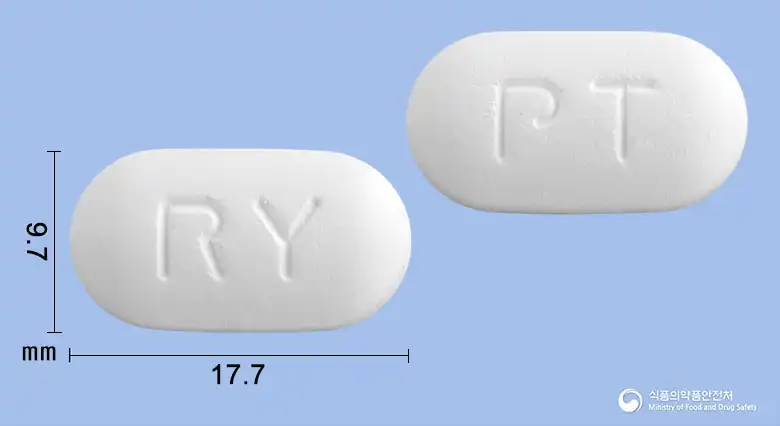 Viewing nowCombination
Piromet Tablet 15/850 mg (Pioglitazone Hydrochloride, Metformin Hydrochloride)
Metformin Hydrochloride 850mg · Pioglitazone Hydrochloride 16.53mg
Tablet · Prescription medication · Combination
IYON Pharmaceutical Co., Ltd.
MFDS item code 201903191 · Approved 2019.05.16 · Insurance code 658603770
Improvement of glycemic control in patients with type 2 diabetes mellitus
This medication is used to help control blood glucose levels in patients with type 2 diabetes when combined with diet and exercise. Taking pioglitazone and metformin together can effectively improve blood glucose levels. It is a medication to assist patients in managing their blood sugar levels, contributing to maintaining health through consistent treatment.
For the treatment of patients with type 2 diabetes mellitus, the dose of this medicine should be individualized based on efficacy and tolerability, without exceeding the maximum dose of each component: pioglitazone 30mg and metformin 2500mg. The initial dose of this medicine should be based on the patient's current treatment regimen. 1. Patients whose blood glucose is not adequately controlled with pioglitazone or metformin monotherapy: The dose should be based on the current dose of metformin or pioglitazone. Start with 1 tablet of this medicine daily, assess the adequacy of the treatment response, and gradually adjust the dose. 2. Patients switching from combination therapy with pioglitazone and metformin: Patients switching from combination therapy with pioglitazone and metformin to this medicine may start at their existing doses of pioglitazone and metformin. 3. Patients with renal impairment: All dose adjustments should be based on careful assessment of renal function. In general, the maximum dose of this medicine should not be reached in elderly, debilitated, or malnourished patients. This medicine should generally be administered in divided doses with meals, which can reduce gastrointestinal adverse reactions caused by metformin. Sufficient time is needed to assess the adequacy of the treatment response. Ideally, treatment response should be assessed using glycated hemoglobin (HbA1C), which is a better indicator of long-term glycemic control than fasting plasma glucose (FPG). HbA1c reflects blood glucose levels over the previous 2 - 3 months. In clinical use of this medicine, if glycemic control measured by FPG has not worsened, administration for an appropriate period (8-12 weeks) is recommended to evaluate changes in HbA1C.
This medication may cause severe lactic acidosis, so those with impaired kidney function or heart disease should exercise special caution. If sudden symptoms of heart failure, weight gain, shortness of breath, or swelling occur while taking this medication, consult a physician immediately. This medication should not be administered to patients with impaired liver function, and if liver dysfunction is suspected, regular liver function tests should be performed. This medication should not be used in patients with a history of bladder cancer or active bladder cancer. Women who are pregnant or breastfeeding should not take this medication, and premenopausal women should use appropriate contraception to avoid the possibility of pregnancy while on this medication. Elderly patients may have reduced kidney function, so the dosage of this medication should be carefully adjusted, and regular kidney function tests should be performed. Excessive alcohol consumption should be avoided while taking this medication, and temporary discontinuation may be required in cases of dehydration, severe infection, or before and after surgery. Symptoms of hypoglycemia may occur, so caution is advised when skipping meals or engaging in vigorous exercise. This medication can interact with other medications, so if you are taking other drugs, be sure to inform your physician or pharmacist. If any unusual symptoms or discomfort persists or worsens, contact healthcare professionals immediately.
Not everyone experiences these, and they can vary from person to person.
This medication should be stored in a tightly closed container to prevent exposure to air and moisture. It is also safe to store the medication at room temperature, between 1 to 30 degrees Celsius, avoiding extremely hot or cold places.
White to whitish rectangular film-coated tablets
30 tablets (10 tablets/PTP*3)
Even with the same ingredient, strength, dosage form and how it is taken can differ.
Viewing nowCombinationMetformin Hydrochloride 850mg · Pioglitazone Hydrochloride 16.53mg
Tablet · Prescription medication · Combination
IYON Pharmaceutical Co., Ltd.
Pioglitazone Hydrochloride 16.53mg · Metformin Hydrochloride 850mg
Tablet · Prescription medication · Combination
Celltrion Pharmaceutical Co., Ltd.
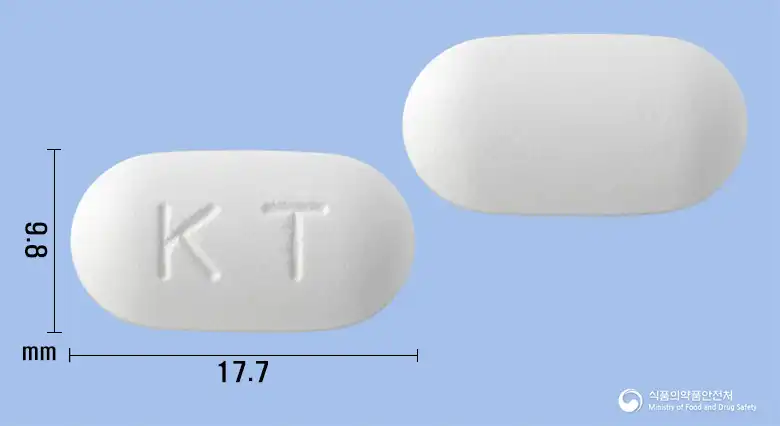 Combination
Metformin Hydrochloride 850mg · Pioglitazone Hydrochloride 16.53mg
Tablet · Prescription medication · Combination
Genewon Science Co., Ltd.
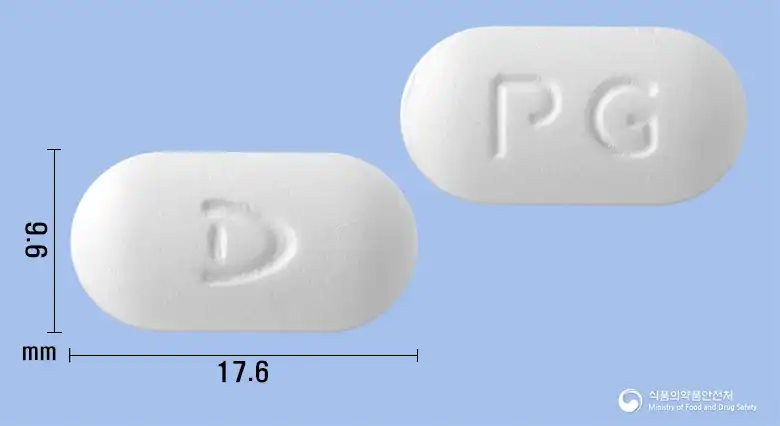 Combination
Metformin Hydrochloride 850mg · Pioglitazone Hydrochloride 16.53mg
Tablet · Prescription medication · Combination
Dalim Biotech Co., Ltd.
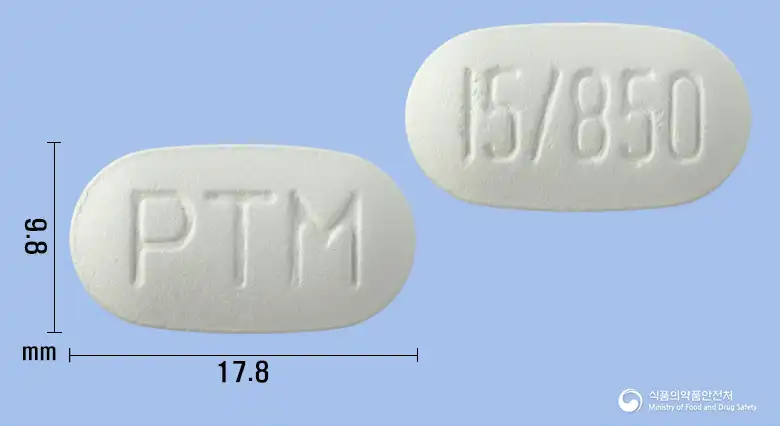 Combination
Pioglitazone Hydrochloride 16.53mg · Metformin Hydrochloride 850mg
Tablet · Prescription medication · Combination
Kyungdong Pharmaceutical Co., Ltd.
Metformin Hydrochloride · Pioglitazone Hydrochloride
Prescription medication · Combination
Nexpam Korea Co., Ltd.
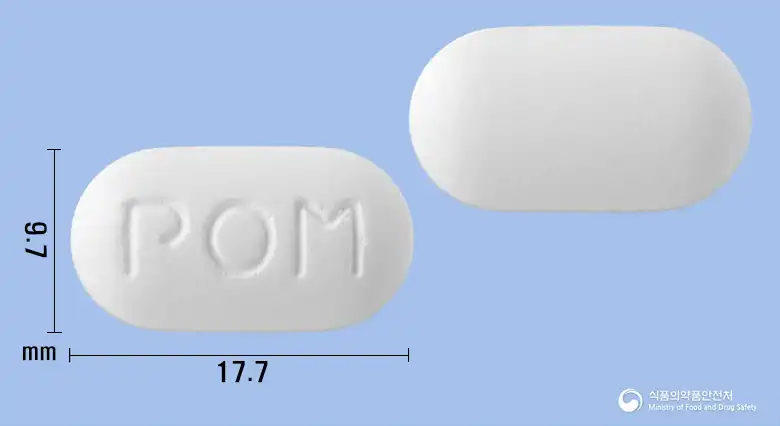 Combination
Pioglitazone Hydrochloride 16.53mg · Metformin Hydrochloride 850mg
Tablet · Prescription medication · Combination
Korea Prime Pharmaceutical Co., Ltd.
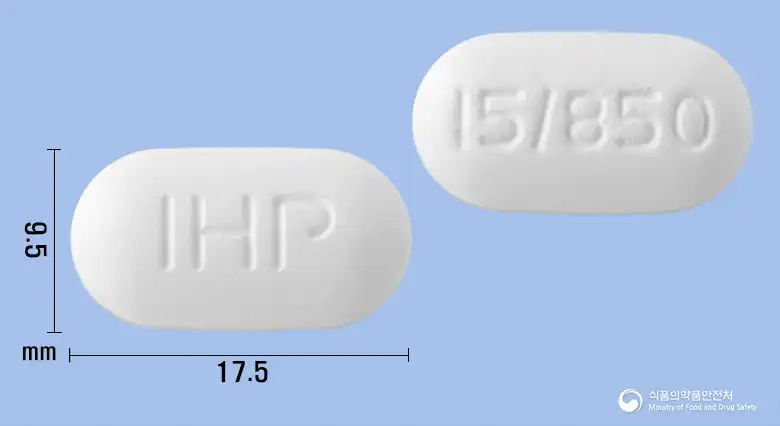 Combination
Metformin Hydrochloride 850mg · Pioglitazone Hydrochloride 16.53mg
Tablet · Prescription medication · Combination
Ilhwa Co., Ltd.
Even with the same ingredient, the dose and directions can differ by strength and dosage form. Talk to a doctor or pharmacist before switching from a medication you are already taking.
No questions yet.
For anything that needs medical judgment, consult a doctor or pharmacist.
This drug information is based on data provided by the Korea Ministry of Food and Drug Safety.
Consult a doctor or pharmacist for accurate dosage, administration, and usage instructions.