
 한국어
한국어 English
 日本語
日本語 中文(简体)
Dosage form image
Viewing nowCombinationLinaDia Duo Tablet 2.5/850 mg
Linagliptin 2.5mg · Metformin Hydrochloride 850mg
Tablet · Prescription medication · Combination
Dongkook Pharmaceutical Co., Ltd.
MFDS item code 201903156 · Approved 2019.05.15
Improvement of blood sugar control in type 2 diabetes
This medication helps with blood sugar control for patients with type 2 diabetes through the combination of linagliptin and metformin. It provides additional blood sugar control effects in conjunction with dietary and exercise therapies. This stabilizes blood sugar levels and helps prevent diabetes-related complications. It is used to effectively improve patients' blood sugar management.
This medication is administered twice daily with meals. - To reduce gastrointestinal side effects associated with metformin, dosage increases should be gradual. 1. If not previously treated with metformin: Initial dosage of this medication 2.5/500 mg is 1 tablet twice daily, and can be increased to 2.5/1000 mg. 2. If blood sugar control is difficult with monotherapy of metformin: Linagliptin 2.5 mg is administered twice daily along with the current metformin dosage (e.g., for a patient taking 1000 mg of metformin twice daily, 2.5 mg linagliptin/metformin 1000 mg should be taken twice daily with meals). 3. If transitioning from a combination therapy of linagliptin and metformin: Patients transitioning from a combination therapy of linagliptin and metformin should start at their current doses of linagliptin and metformin. 4. If blood sugar control is insufficient with a combination of metformin and sulfonylureas: The initial dosage of this medication should take into consideration a similar dose of linagliptin 2.5 mg administered twice daily (total daily dose 5 mg) along with the previous metformin dose. When administered alongside sulfonylureas, a reduction in sulfonylurea dosage may be necessary to reduce the risk of hypoglycemia. 5. If blood sugar control is insufficient with insulin and metformin: The initial dosage of this medication should consider a similar dose of linagliptin 2.5 mg administered twice daily (total daily dose 5 mg) alongside the previous metformin dose. When administering with insulin, a reduction in insulin dosage may be necessary to reduce the risk of hypoglycemia. Studies examining the safety and efficacy of this medication in patients transitioning from other oral hypoglycemic agents to this medication have not been conducted. Any changes in type 2 diabetes therapy can affect blood sugar control, thus careful monitoring is essential. Patients with kidney impairment: This medication may only be used for patients with moderate renal impairment stage 3a (creatinine clearance [CrCl] 45≤~<60 mL/min or estimated glomerular filtration rate [eGFR] 45≤~<60 mL/min/1.73 m²) if they do not have any other symptoms that would increase the risk of lactic acidosis. The starting dose of metformin should be given as 500 mg or 850 mg once daily, thus this medication should not be initiated. The maximum recommended dose of metformin is 500 mg twice daily. Kidney function should be closely monitored every 3-6 months. If CrCl < 45 mL/min or eGFR < 45 mL/min/1.73 m² occurs, this medication should be stopped immediately. Patients with liver impairment: Due to the metformin component, this medication should not be administered to patients with liver function impairment.
This medication can cause a rare but serious side effect known as lactic acidosis, so it should not be used in patients with impaired liver or kidney function. Patients who are allergic to any ingredients in this medication, or have type 1 diabetes, diabetic ketoacidosis, severe renal impairment, acute infections, or heart diseases should not be administered this medication. Since there is a risk of hypoglycemia, it is important to closely monitor blood sugar levels when used in combination with insulin or sulfonylureas. Patients with reduced kidney function should have regular kidney function tests and should not take this medication if kidney function becomes severely impaired. This medication should be temporarily discontinued before and after acute surgery or the use of iodinated contrast media, and can be resumed after kidney function has normalized. Caution is advised when using this medication in patients with liver dysfunction or heart failure, or those in acute alcohol intoxication. If symptoms suggestive of acute pancreatitis or bullous skin diseases appear during treatment, the medication should be stopped immediately and the patient should consult a physician. The metformin component can cause vitamin B12 deficiency, so regular monitoring of serum vitamin B12 levels is recommended for long-term treatment. It is safest not to take this medication during pregnancy or if there is a possibility of pregnancy, or while breastfeeding. This medication is not recommended for children under 10 years old, as its safety and efficacy have not been established in this age group. Elderly patients have a higher risk of reduced kidney function, so treatment should start at the minimum dose with regular monitoring of kidney function. There is insufficient research on the effects of this medication on driving or operating machinery, so caution is advised. In case of overdose, gastrointestinal disturbances or lactic acidosis may occur, requiring immediate treatment at a hospital, and hemodialysis may be necessary. When storing, keep out of reach of children, avoid moisture, and do not transfer to a different container.
Hives, angioedema, lactic acidosis, pancreatitis, bullous pemphigoid, abnormal liver function (jaundice, hepatitis), severe allergic reactions, severe skin reactions, respiratory issues (dyspnea, asthma, pulmonary embolism), severe neurological symptoms (severe headache, seizures, confusion, visual disturbances, paralysis), severe edema or urination abnormalities (generalized severe swelling, significant reduction in urine output), angina, acute myocardial infarction, unstable angina.
Nasopharyngitis, hypersensitivity, decreased vitamin B12, taste disturbances, cough, decreased appetite, diarrhea, constipation, nausea, vomiting, itching, erythema, rash, oral ulcer formation, abnormal liver function tests, hepatitis, joint pain without severe or disabling effects, increased lipase, increased amylase, increased triglycerides, increased urine albumin/creatinine ratio, decreased hemoglobin, increased potassium, increased creatinine in the blood.
Not everyone experiences these, and they can vary from person to person.
This medication is sensitive to air and moisture, so it must be stored in a tightly sealed container. Additionally, it should be stored at room temperature between 1°C and 30°C, avoiding extremes of temperature.
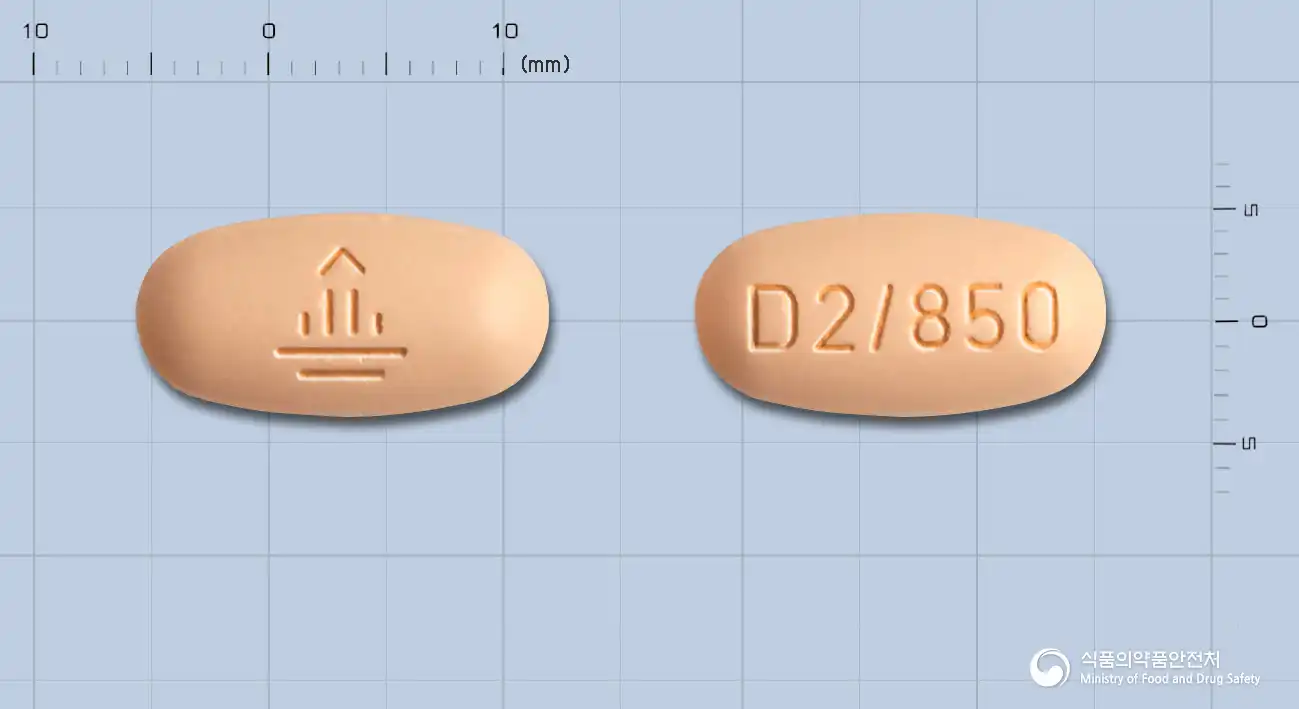
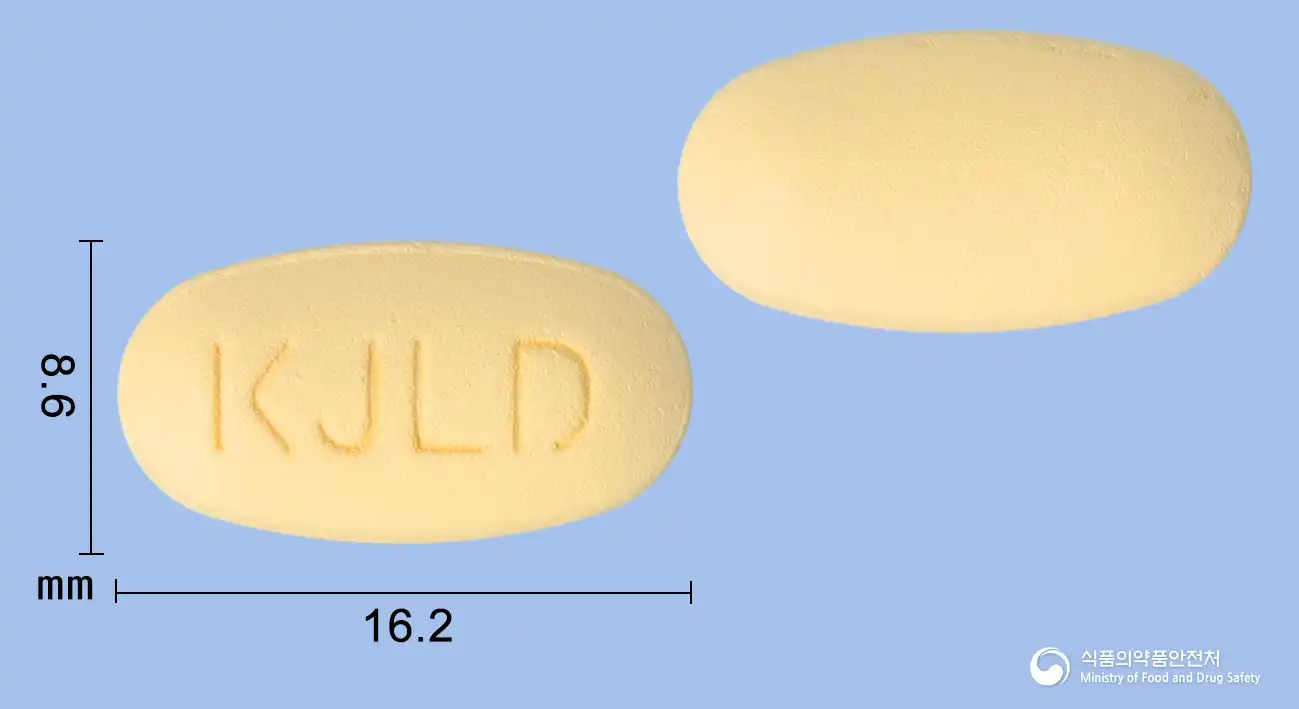
Bright orange, double convex, oval film-coated tablet
30 tablets/bottle, 60 tablets/bottle, 100 tablets/bottle, 200 tablets/bottle
Even with the same ingredient, strength, dosage form and how it is taken can differ.
Linagliptin 2.5mg · Metformin Hydrochloride 850mg
Tablet · Prescription medication · Combination
Dongkook Pharmaceutical Co., Ltd.
 Combination
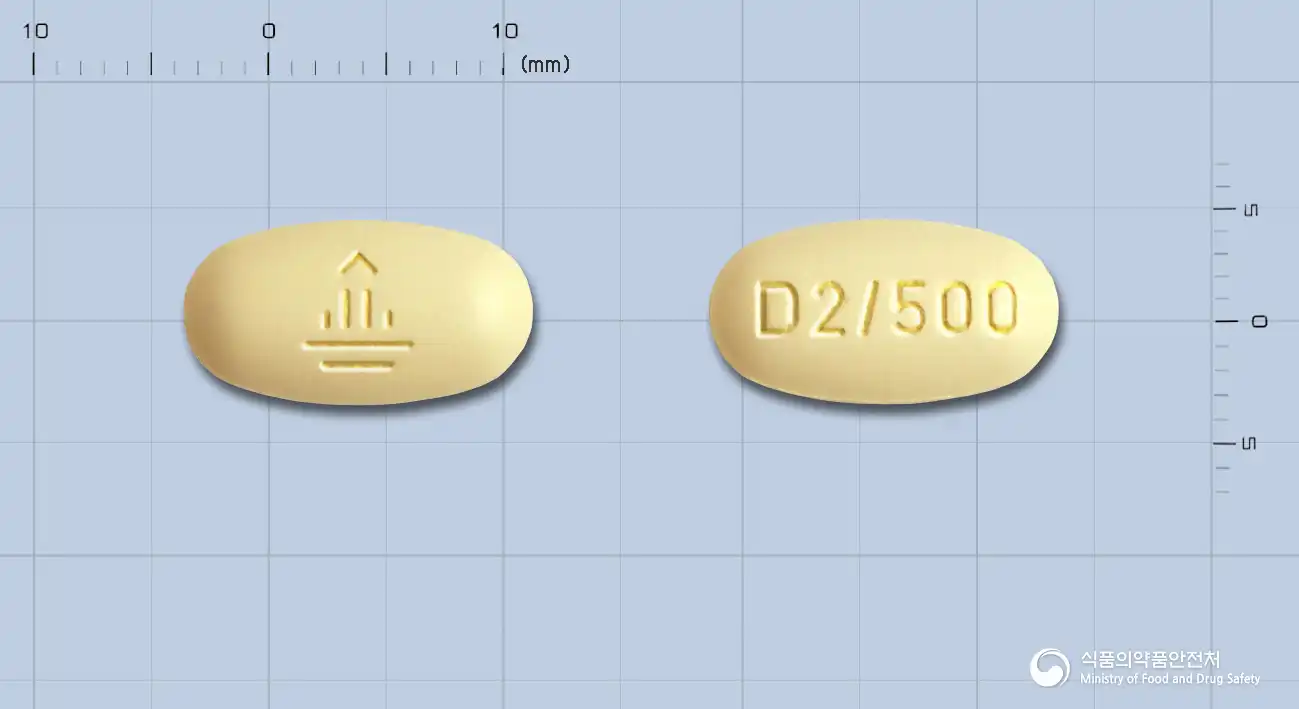
Linagliptin 2.5mg · Metformin Hydrochloride 500mg
Tablet · Prescription medication · Combination
Boehringer Ingelheim Korea Co., Ltd.
 Combination
Linagliptin 2.5mg · Metformin Hydrochloride 850mg
Tablet · Prescription medication · Combination
Boehringer Ingelheim Korea Co., Ltd.
 Combination
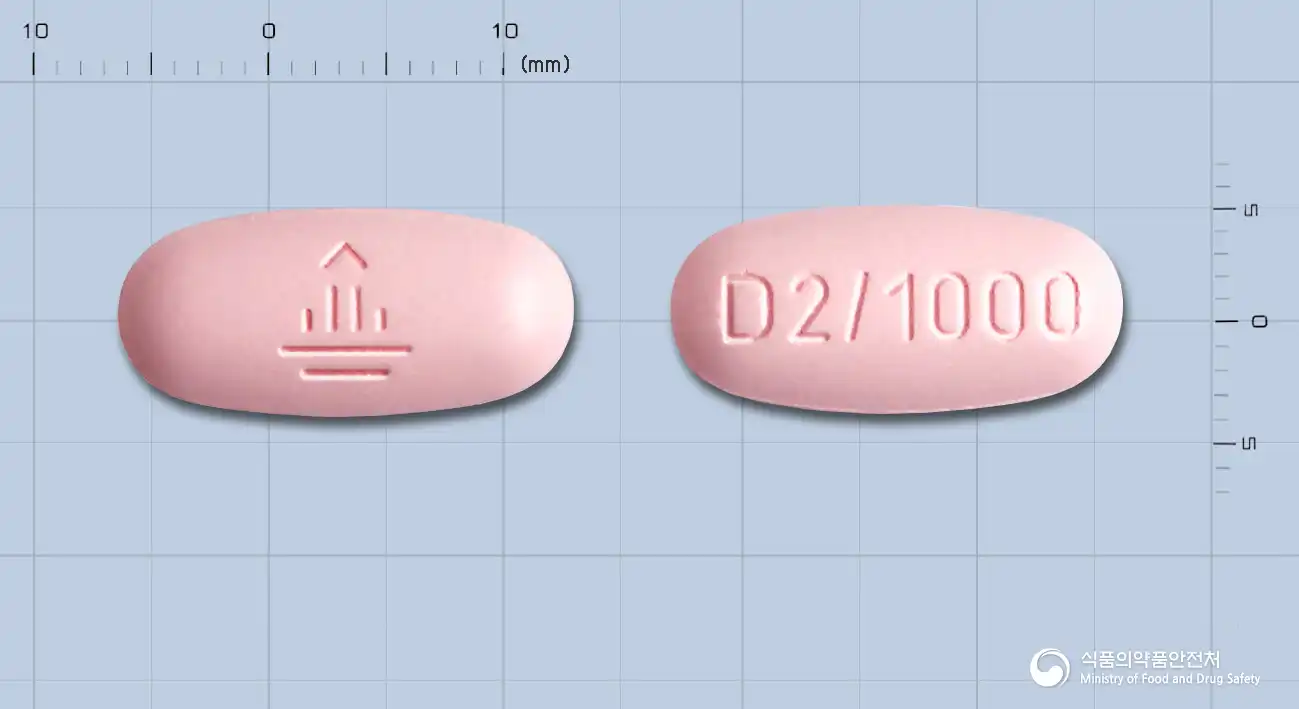
Linagliptin 2.5mg · Metformin Hydrochloride 1000mg
Tablet · Prescription medication · Combination
Boehringer Ingelheim Korea Co., Ltd.
Linagliptin 2.5mg · Metformin Hydrochloride 1000mg
Tablet · Prescription medication · Combination
Anguk Pharm Co., Ltd.
Linagliptin 2.5mg · Metformin Hydrochloride 1000mg
Prescription medication · Combination
Hanmi Pharmaceutical Co., Ltd.
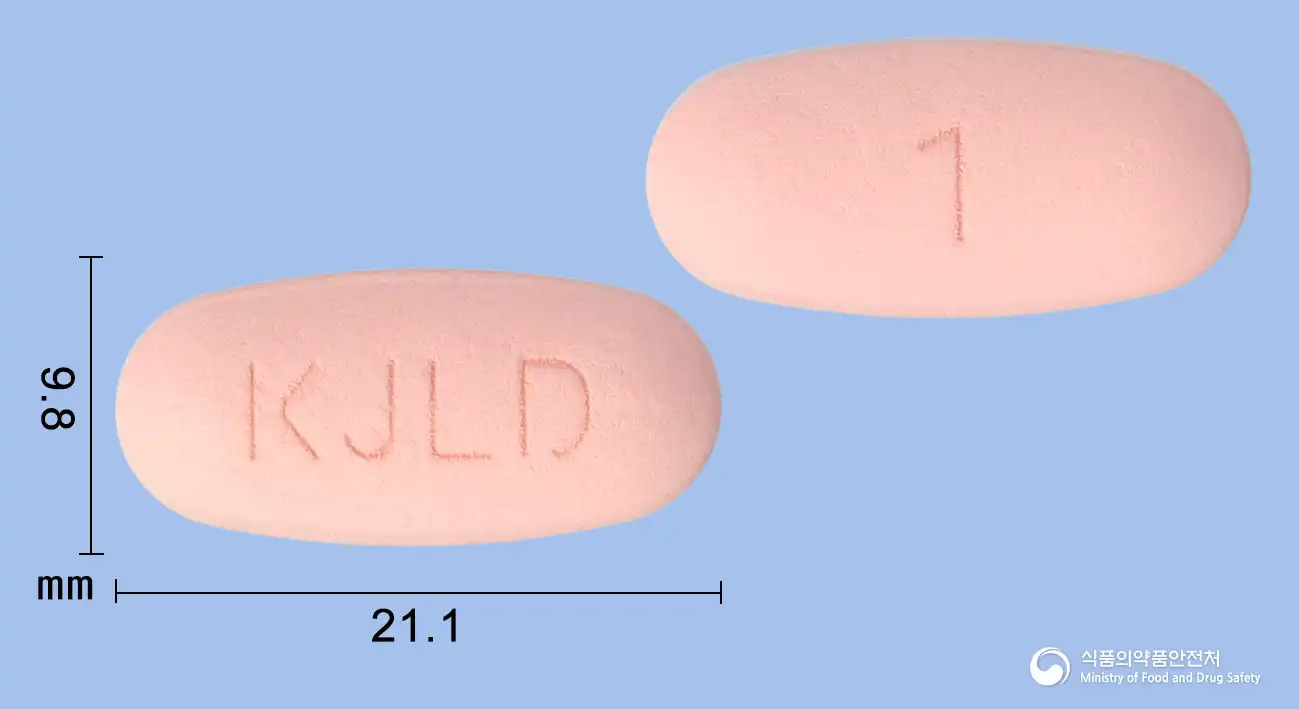 Combination
Linagliptin 2.5mg · Metformin Hydrochloride 1000mg
Tablet · Prescription medication · Combination
Kukje Pharmaceutical Co., Ltd.
 Combination
Linagliptin 2.5mg · Metformin Hydrochloride 500mg
Tablet · Prescription medication · Combination
International Pharmaceutical Co., Ltd.
Even with the same ingredient, the dose and directions can differ by strength and dosage form. Talk to a doctor or pharmacist before switching from a medication you are already taking.
No questions yet.
For anything that needs medical judgment, consult a doctor or pharmacist.
This drug information is based on data provided by the Korea Ministry of Food and Drug Safety.
Consult a doctor or pharmacist for accurate dosage, administration, and usage instructions.