
 한국어
한국어 English
 日本語
日本語 中文(简体)
Dosage form image
Viewing nowCombinationSebitan HCT Tablet 10/40/12.5 mg
Olmesartan Medoxomil 40mg · Amlodipine Besylate 13.888mg +1 more
Tablet · Prescription medication · Combination
Bionex Co., Ltd.
MFDS item code 201903101 · Approved 2019.05.14
This product's status changed to Expired on 2024.05.14. It may no longer be sold, so consult a doctor or pharmacist before taking it.
Improvement in blood pressure control for essential hypertension
The combination therapy of Amlodipine and Olmesartan Medoxomil is used to control blood pressure in patients with essential hypertension. These two drugs help lower blood pressure and reduce cardiovascular risks by acting via different mechanisms. If blood pressure control is difficult with monotherapy, this combination therapy can effectively manage blood pressure. This reduces the risk of complications related to hypertension and improves the patient’s health status. Ultimately, this medication is used for the treatment of essential hypertension.
This medication should be taken as one tablet once daily, with or without food, preferably at the same time every day (e.g., in the morning). The recommended dosing regimen is adjusted with stages of 5/20/12.5 mg, 5/40/12.5 mg, 5/40/25 mg, 10/40/12.5 mg, and 10/40/25 mg. The maximum dosage is 10/40/25 mg. Patients with renal impairment may require lower doses.
The safety and efficacy of this medication in pediatric patients under 18 years have not been established, and its use is not recommended.
This medication should not be taken during the second and third trimesters of pregnancy as it can cause serious harm to the fetus and newborn. Patients with allergies to this medication or its components, or those with certain heart, kidney, or liver diseases, should not take this medication. Patients with excessively low blood pressure or acute heart failure should also avoid this medication. Patients with decreased blood volume or salt deficiency may experience hypotension upon initial use, so caution is required and appropriate measures should be taken immediately if symptoms occur. Patients with poor kidney function may experience deterioration of kidney function when taking this medication, thus regular blood tests and monitoring are needed. Patients with severe liver function impairment or bile duct obstruction are not recommended to take this drug. This drug lowers blood pressure, so caution should be taken while driving or operating machinery, as dizziness may occur. While taking this medication, serum electrolyte levels, particularly potassium, sodium, calcium, and magnesium levels should be regularly monitored. This medication may commonly cause side effects such as peripheral edema, headache, dizziness, upper respiratory infections, rhinitis, urinary tract infections, sialadenitis, leukopenia, thrombocytopenia, bone marrow suppression, neutropenia/agranulocytosis, hemolytic anemia, aplastic anemia, drug hypersensitivity, hyperkalemia, hypokalemia, appetite loss, diabetes, hypercalcemia, hyperglycemia, hypomagnesemia, hyponatremia, hypochloremia, hypertriglyceridemia, hypercholesterolemia, and hyperuricemia. Due to the presence of Hydrochlorothiazide, there may be rare severe respiratory issues like acute respiratory distress syndrome, so if breathing difficulties or sudden symptoms occur, immediate consultation with medical personnel is required. This medication interacts with other blood pressure medications, diuretics, lithium, non-steroidal anti-inflammatory drugs (NSAIDs), so it is crucial to inform your healthcare provider about any other medications being taken. Women who are pregnant or planning to become pregnant should consult their doctor before starting this medication, and breastfeeding mothers are recommended to discontinue breastfeeding when taking this medication. The safety and efficacy of this medication in patients under 18 years have not been established, so it is not recommended for use. Elderly patients should start at a lower dose considering the possibility of decreased kidney and liver function and should be administered cautiously. In cases of overdose, severe hypotension and heart issues can occur, so the prescribed dosage must be strictly followed, and in cases of overdose, immediate medical attention should be sought. This medication should be stored in a tightly sealed container, away from moisture, heat, and direct sunlight, and out of reach of children.
Hives, severe swelling (edema), allergic reactions, severe rash with fever, blisters, skin peeling, pain in mucous membranes of the mouth/eyes, severe skin reactions, shortness of breath or difficulty breathing, asthma attacks, respiratory issues associated with cough and fever, jaundice, severe lethargy throughout the body, liver abnormalities, sudden and severe headache, thunderclap headache, seizures, confusion, visual disturbances
Not everyone experiences these, and they can vary from person to person.
This medication should be stored in a tightly sealed container to protect it from air and moisture. It is important to maintain a storage temperature between 1 to 30 degrees Celsius. Proper storage will ensure the safety and efficacy of the medication.
Round film-coated tablets with a grayish-red color
Domestic - 30 tablets (10 tablets/Alu-Alu X3) - 30 tablets/PTP
Even with the same ingredient, strength, dosage form and how it is taken can differ.
Olmesartan Medoxomil 40mg · Amlodipine Besylate 13.888mg +1 more
Tablet · Prescription medication · Combination
Bionex Co., Ltd.
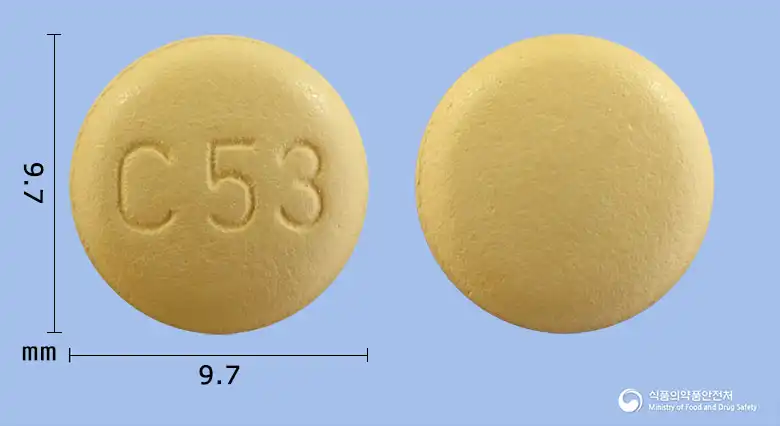 Combination
Olmesartan Medoxomil 40mg · Amlodipine Besylate 6.944mg +1 more
Tablet · Prescription medication · Combination
Hanmi Daiichi Sankyo Co., Ltd.
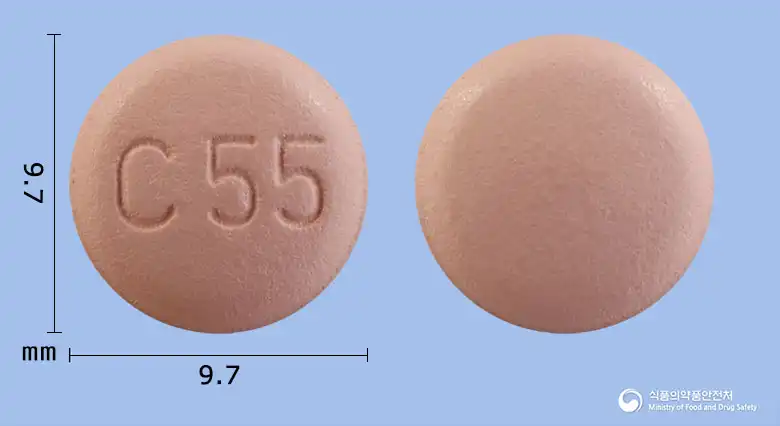 Combination
Olmesartan Medoxomil 40mg · Amlodipine Besylate 13.888mg +1 more
Tablet · Prescription medication · Combination
Daicel Corporation (Co., Ltd.)
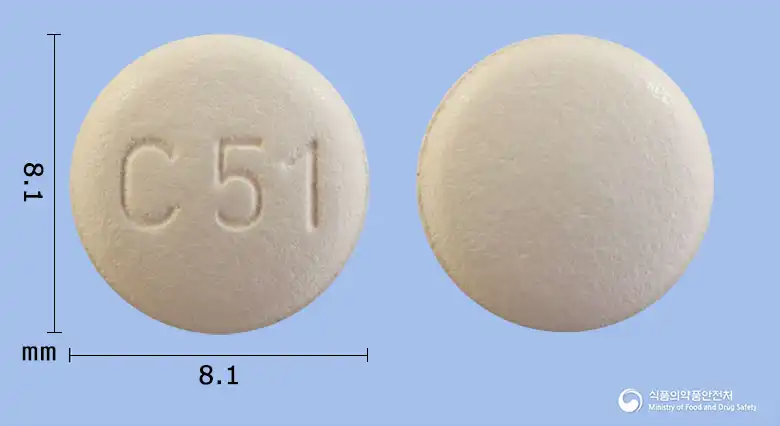 Combination
Olmesartan Medoxomil 20mg · Amlodipine Besylate 6.944mg +1 more
Tablet · Prescription medication · Combination
HanKook Daiichi Sankyo Co., Ltd.
Olmesartan Medoxomil · Amlodipine Besylate +1 more
Prescription medication · Combination
SYNEX Co., Ltd.
Olmesartan Medoxomil · Amlodipine Besylate +1 more
Prescription medication · Combination
SYNEX Co., Ltd.
Olmesartan Medoxomil · Amlodipine Besylate +1 more
Prescription medication · Combination
SYNEX Co., Ltd.
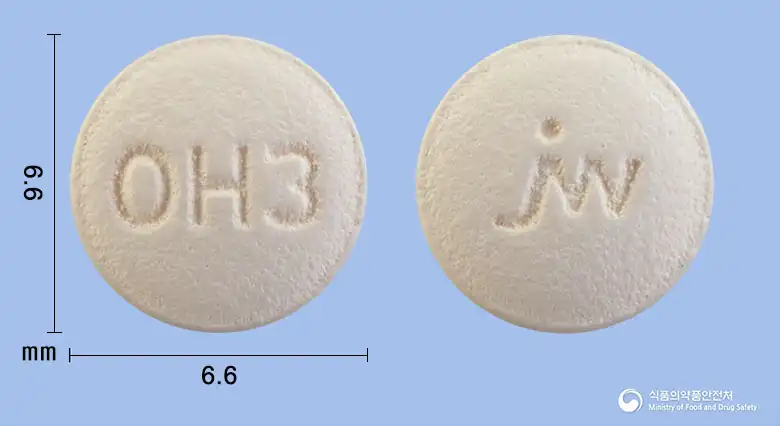 Combination
Amlodipine Besylate 6.944mg · Olmesartan Medoxomil 20mg +1 more
Tablet · Prescription medication · Combination
JW Pharmaceutical Corporation
Even with the same ingredient, the dose and directions can differ by strength and dosage form. Talk to a doctor or pharmacist before switching from a medication you are already taking.
No questions yet.
For anything that needs medical judgment, consult a doctor or pharmacist.
This drug information is based on data provided by the Korea Ministry of Food and Drug Safety.
Consult a doctor or pharmacist for accurate dosage, administration, and usage instructions.