
 한국어
한국어 English
 日本語
日本語 中文(简体)
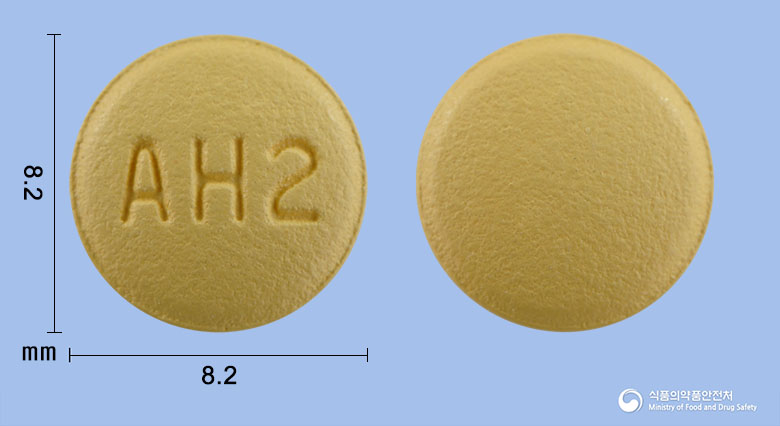 Viewing nowCombination
Olmedica HCT Tablet 5/40/12.5 mg
Olmesartan Medoxomil 40mg · Amlodipine Besylate 6.944mg +1 more
Tablet · Prescription medication · Combination
Daewoo Pharmaceutical Co., Ltd.
MFDS item code 201903061 · Approved 2019.05.10 · Insurance code 649605030
Improvement in blood pressure control in essential hypertension
The combination therapy of Amlodipine and Olmesartan Medoxomil is used when blood pressure is not adequately controlled in patients with essential hypertension. This medication helps effectively manage blood pressure by dilating blood vessels and lowering vascular pressure. As a combination drug, the two medications work complementarily to enhance blood pressure control effects. Therefore, it is useful in the treatment of patients with difficult-to-control blood pressure.
This medication should be taken once daily with water, regardless of meals. It is recommended to take it at the same time every day (e.g., in the morning). The maximum dose is Amlodipine/Olmesartan Medoxomil/Hydrochlorothiazide at 10/40/25 mg. Dosage adjustments should be made considering the patient's blood pressure response at intervals of more than 2 weeks. The recommended dosages are as follows: - 5/20/12.5 mg: to be administered to patients whose blood pressure is not adequately controlled with Amlodipine/Olmesartan Medoxomil 5/20 mg combination therapy. - 5/40/12.5 mg: to be administered to patients whose blood pressure is not adequately controlled with Amlodipine/Olmesartan Medoxomil 5/40 mg combination therapy or this medication 5/20/12.5 mg. - 5/40/25 mg: to be administered to patients whose blood pressure is not adequately controlled with this medication 5/40/12.5 mg. - 10/40/12.5 mg: to be administered to patients whose blood pressure is not adequately controlled with Amlodipine/Olmesartan Medoxomil 10/40 mg combination therapy or this medication 5/40/12.5 mg. - 10/40/25 mg: to be administered to patients whose blood pressure is not adequately controlled with this medication 5/40/25 mg or this medication 10/40/12.5 mg. * Please refer to the following dose escalation scheme. (The amounts of individual components are indicated in the order of Amlodipine/Olmesartan Medoxomil/Hydrochlorothiazide) 5/20/0 mg → 5/20/12.5 mg ↓ 5/40/0 mg → 5/40/12.5 mg → 5/40/25 mg ↓ ↓ 10/40/0 mg → 10/40/12.5 mg → 10/40/25 mg 0 Patients with renal impairment The maximum dose for patients with mild to moderate renal impairment (creatinine clearance 30-60 mL/min) is 20/5/12.5 mg once daily. For moderately impaired renal patients, monitoring potassium and creatinine levels is recommended. This medication should not be administered to patients with severe renal impairment (creatinine clearance < 30 mL/min). 0 Patients with hepatic impairment Caution should be exercised when administering to patients with mild to moderate hepatic impairment. The maximum dose for patients with moderate hepatic impairment is 5/20/12.5 mg once daily. In patients with hepatic impairment, blood pressure and kidney function should be closely monitored. This medication should not be administered to patients with severe hepatic impairment. 0 Elderly patients (65 years and older) Generally, treatment should start at lower dosages, and when adjusting dosages, consideration should be given to the patient's kidney function, heart function, and existing health conditions. Elderly patients should have their blood pressure monitored more frequently. Particularly in patients over 75 years of age, experience with this medication is limited, so monitoring must be done very carefully during administration. 0 Pediatrics The safety and efficacy in pediatric patients under 18 years of age have not been established; therefore, this medication is not recommended for use.
The safety and efficacy in pediatric patients under 18 years of age have not been established; therefore, this medication is not recommended for use.
This medication may cause serious harm to the fetus and newborn during the second and third trimesters of pregnancy; therefore, it should be discontinued immediately upon confirmation of pregnancy. Patients with allergies or hypersensitivity to this medication, its components, or related class drugs should not take it. Patients with severe hypotension, serious heart disease, unstable heart failure after acute myocardial infarction, or severe renal or hepatic diseases should not use this medication as well. Patients with reduced blood volume or electrolytes may experience hypotension when starting this medication, so their condition should be closely monitored, and in case of hypotension, they should lie down and receive treatment immediately. This medication has a strong blood pressure-lowering effect, so caution is required when used with other antihypertensives, especially with lithium, certain pain relievers, diuretics, etc., as the risk of side effects may increase. While taking this medication, electrolyte levels in the blood and renal function should be regularly monitored, and care should be taken to ensure potassium levels do not become too high or too low. This medication may cause symptoms such as dizziness or drowsiness; therefore, caution is needed when driving or operating dangerous machinery. Rarely, side effects such as skin rash, itching, severe allergic reactions, liver function abnormalities, and blood abnormalities may occur, so patients should consult a doctor immediately if they experience abnormal symptoms. Pregnant or breastfeeding women are advised not to use this medication, especially during pregnancy, as it may pose risks to the fetus, and should avoid taking it. Elderly patients may have impaired renal or hepatic function; therefore, they should start at a lower dosage, and their condition should be monitored closely. In case of overdose, severe hypotension, palpitations, bradycardia, and other symptoms may occur, so appropriate medical treatment should be sought immediately.
Hives, severe swelling (edema), chest tightness, shortness of breath, cold sweat, pallor, severe rash with fever, blistering, skin peeling, mucosal pain in the mouth/eyes, difficulty breathing or shortness of breath, asthma attacks, respiratory abnormalities with cough and fever, yellowing of the skin or eyes (jaundice), extreme lethargy, sudden and severe headache, lightning headache, seizures, confusion, visual disturbances, paralysis, urination
Not everyone experiences these, and they can vary from person to person.
This medication should be stored in a tightly sealed container to avoid exposure to air or moisture. It is best stored at room temperature between 1 degree and 30 degrees.
Pale yellow round film-coated tablet
30 tablets (10 tablets/Alu-Alu × 3)
Even with the same ingredient, strength, dosage form and how it is taken can differ.
Viewing nowCombinationOlmesartan Medoxomil 40mg · Amlodipine Besylate 6.944mg +1 more
Tablet · Prescription medication · Combination
Daewoo Pharmaceutical Co., Ltd.
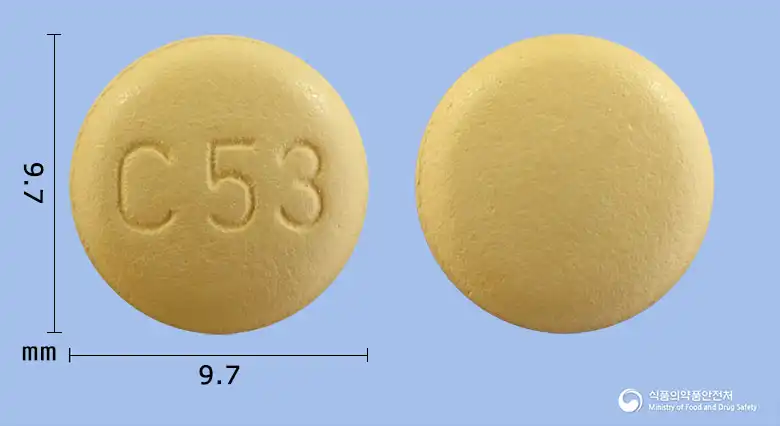 Combination
Olmesartan Medoxomil 40mg · Amlodipine Besylate 6.944mg +1 more
Tablet · Prescription medication · Combination
Hanmi Daiichi Sankyo Co., Ltd.
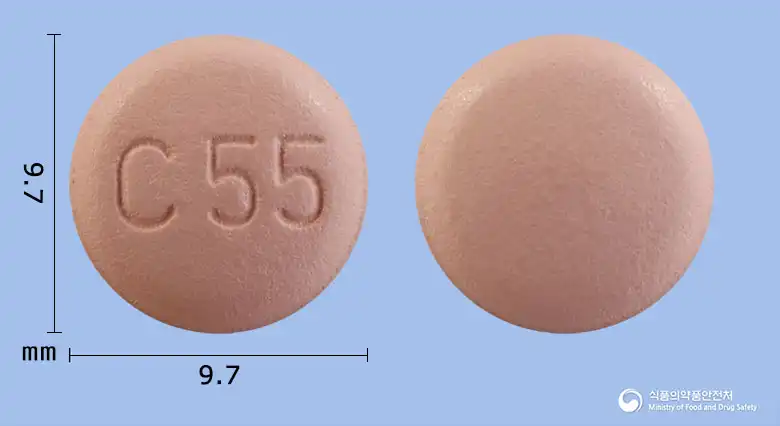 Combination
Olmesartan Medoxomil 40mg · Amlodipine Besylate 13.888mg +1 more
Tablet · Prescription medication · Combination
Daicel Corporation (Co., Ltd.)
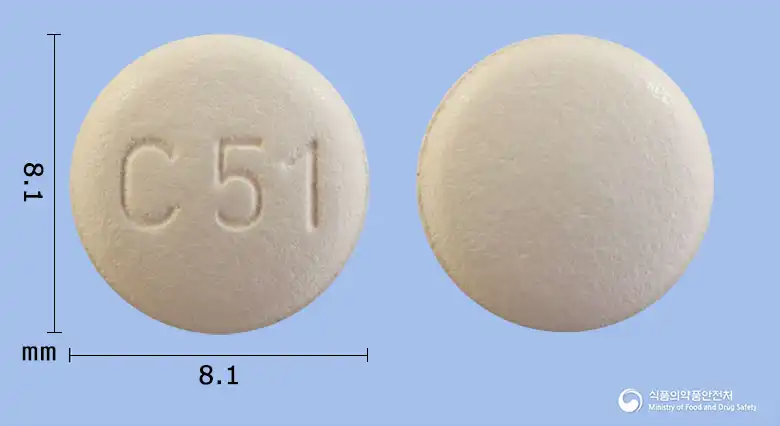 Combination
Olmesartan Medoxomil 20mg · Amlodipine Besylate 6.944mg +1 more
Tablet · Prescription medication · Combination
HanKook Daiichi Sankyo Co., Ltd.
Olmesartan Medoxomil · Amlodipine Besylate +1 more
Prescription medication · Combination
SYNEX Co., Ltd.
Olmesartan Medoxomil · Amlodipine Besylate +1 more
Prescription medication · Combination
SYNEX Co., Ltd.
Olmesartan Medoxomil · Amlodipine Besylate +1 more
Prescription medication · Combination
SYNEX Co., Ltd.
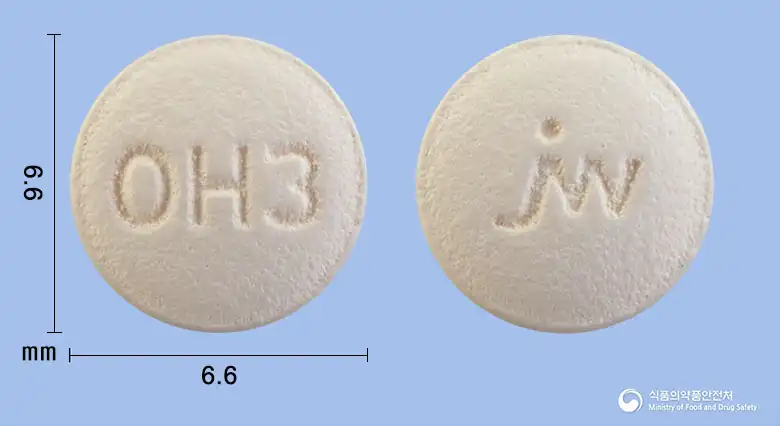 Combination
Amlodipine Besylate 6.944mg · Olmesartan Medoxomil 20mg +1 more
Tablet · Prescription medication · Combination
JW Pharmaceutical Corporation
Even with the same ingredient, the dose and directions can differ by strength and dosage form. Talk to a doctor or pharmacist before switching from a medication you are already taking.
No questions yet.
For anything that needs medical judgment, consult a doctor or pharmacist.
This drug information is based on data provided by the Korea Ministry of Food and Drug Safety.
Consult a doctor or pharmacist for accurate dosage, administration, and usage instructions.