
 한국어
 English
 日本語
 中文(简体)
 Viewing now
Celecoxib Capsule (Celecoxib)
Celecoxib 200mg
Hard capsule · Prescription medication
GL Pharma Co., Ltd.
MFDS item code 201903059 · Approved 2019.05.10 · Insurance code 649702170
Relief of joint disorders (such as osteoarthritis and rheumatoid arthritis), acute pain, and primary dysmenorrhea
This medication helps alleviate symptoms and signs caused by various types of arthritis such as osteoarthritis, rheumatoid arthritis, and ankylosing spondylitis. It is also effective in reducing acute pain in adults, such as pain after surgery or tooth extraction. Additionally, it is used to relieve pain caused by primary dysmenorrhea. Thus, this medication is used to improve various types of inflammatory and acute pain.
The minimum recommended dose of this drug should be adjusted for each patient, and it may be taken with or without food. Osteoarthritis (degenerative arthritis): Take 200 mg of celecoxib once daily, or 100 mg twice daily in divided doses. Rheumatoid arthritis: Take 100 mg or 200 mg of celecoxib twice daily. Ankylosing spondylitis (AS): Administer 200 mg of celecoxib once daily, or 100 mg twice daily in divided doses. If no effect is observed after 6 weeks, the dose may be increased to 400 mg per day. If no effect is observed after 6 weeks of treatment with 400 mg per day, another treatment option should be considered. Acute pain and primary dysmenorrhea: The initial recommended dose is 400 mg of celecoxib, with an additional 200 mg on the first day of treatment if needed. From the second day of treatment, the recommended dose, if needed, is 200 mg twice daily. Patients with hepatic impairment: For patients with moderate hepatic impairment (Child-Pugh Class II), the dose should be reduced to approximately 50% of the recommended daily dose.
Patients who regularly consume more than three drinks a day should consult a doctor or pharmacist before taking this medication due to the risk of gastrointestinal bleeding. It may increase the risk of cardiovascular diseases, so it should only be used at the minimum effective dosage and for the shortest duration necessary. If cardiovascular symptoms occur, medical personnel should be informed immediately. There may be serious issues such as perforation, ulcers, and bleeding in the gastrointestinal tract, so those with a history of gastrointestinal disease or the elderly should exercise particular caution. Patients with allergic reactions or severe liver/kidney impairment, active ulcers, heart failure, and pregnant women should not use this medication. Patients with reduced liver or kidney function, asthma, hypertension, edema, and the elderly should be administered this medication with care and regular monitoring is required. While taking this medication, symptoms such as headache, dizziness, indigestion, vomiting, skin rash, hypertension, and edema may occur, so symptoms should be monitored closely. As there are interactions with other medications, any current medications should be disclosed, especially caution is advised when used with antihypertensives, anticoagulants, antidepressants, etc. Pregnant or planning to become pregnant women should avoid taking this medication, and nursing mothers should either discontinue the medication or stop breastfeeding. Safety and efficacy in children and adolescents have not been established, so their use is not recommended. Elderly patients may have decreased kidney and heart function, thus dosage adjustments and careful monitoring are needed. If this medication is taken for a prolonged period, regular blood tests and liver/kidney function tests should be conducted, and if abnormal findings occur, medical personnel should be informed immediately. In case of overdose, symptoms such as nausea, vomiting, drowsiness, and lethargy may occur, and immediate treatment at a hospital is necessary. This medication should be kept out of reach of children, and it should not be transferred to other containers.
Gastrointestinal bleeding, cardiovascular thrombotic reactions, myocardial infarction, stroke, perforation of the upper and lower gastrointestinal tract, ulcers, bleeding, bronchitis, sinusitis, upper respiratory tract infections, urinary tract infections, pharyngitis, rhinitis, anemia, thrombocytopenia, hypersensitivity, insomnia, anxiety, confusion, dizziness, muscle hypertonicity, drowsiness, blurred vision, tinnitus, palpitations, congestive heart failure, arrhythmia, tachycardia, hypertension, flushing, cough, vomiting, abdominal pain, diarrhea, dyspepsia, flatulence, gastric ulcer, dental diseases, duodenal ulcer, esophageal ulcer, intestinal perforation, pancreatitis, elevated liver enzymes, itching, rash, urticaria, angioedema, alopecia, vesicular dermatitis, peripheral edema, facial edema, influenza-like illness, damage, taste disturbances, albuminuria, cystitis, hematuria, dysuria, oliguria, kidney stones, urinary incontinence, urinary tract infection, cloudy vision, cataract, conjunctivitis, eye pain, glaucoma, ocular hemorrhage, retinal artery or vein occlusion, increased serum creatinine, increased β2-microglobulin, increased NAG, positive urinary hematuria, positive urinary protein, renal dysfunction, acute kidney failure, interstitial nephritis, increased serum sodium, increased serum potassium, increased BUN, increased CPK, diabetes mellitus, hypercholesterolemia, hyperglycemia, hypokalemia, hyperkalemia, increased NPN, elevated creatinine, increased alkaline phosphatase, weight gain, loss of appetite, increased LDH, hypoglycemia, hyponatremia, synovial sac, arthralgia, arthropathy, skeletal abnormalities, myalgia, cervical tension syndrome, synovitis, tendinitis, myositis, leg cramps, fractures, tendon rupture, pain in various parts of the body, muscle rigidity, reduced hematocrit, increased hemoglobin, petechial hemorrhage, nosebleed, thrombocytopenic purpura, agranulocytosis, aplastic anemia, pancytopenia, leukopenia, folliculitis, contact dermatitis, injection site reactions, skin nodules, headache, leg cramps, hypertonicity, sensory decrease, migraine, neuralgia, neuropathy, sensory disturbances, cerebral infarction, aseptic meningitis, ataxia, suicide, loss of smell, loss of taste, exacerbation of allergies, allergic reactions, weakness, chest pain, fluid retention, systemic edema, facial edema, fatigue, lethargy, fever, facial flushing, influenza-like syndrome, pain, peripheral pain, sepsis, sudden death, anaphylaxis-like reactions, vasculitis, angioedema, wound infections, gingivitis, herpes simplex, herpes zoster, bacterial infections, fungal infections, soft tissue infections, viral infections, moniliasis, genital moniliasis, otitis media, breast tenderness, menopausal symptoms, fibrocystic changes of the breast, thoracic neoplasm, dysmenorrhea, menstrual disorders, vaginal bleeding, vaginitis, prostate disorders, ovarian cysts, hearing loss, ear abnormalities, otalgia, hearing impairment, liver function abnormalities, elevated ALT, elevated AST, increased γ-GTP, increased ALP, positive urinary urobilinogen, cholelithiasis, hepatitis, jaundice, liver failure, fulminant hepatitis, liver necrosis, vasculitis, pulmonary embolism, interstitial pneumonia, photosensitivity reactions, Stevens-Johnson syndrome, erythema multiforme, toxic epidermal necrolysis, drug rash accompanied by eosinophilia and systemic symptoms, acute generalized pustular rash, exfoliative dermatitis, acute kidney failure, hyponatremia, tubular interstitial nephritis, nephrotic syndrome, microangiopathic glomerulonephritis, female infertility, chest pain, nausea, constipation, thirst, ulcerative stomatitis, gastritis, allergies, back pain, hyperlipidemia, weight gain, positive RA factor, pneumonia, dyspnea, hearing impairment, hallucinations
Not everyone experiences these, and they can vary from person to person.
This medication should be stored in a tightly sealed container to prevent air or moisture exposure, and it is best kept in a cool place between 15 to 30 degrees Celsius. By storing it this way, the efficacy of the medication can be maintained and deterioration can be prevented.
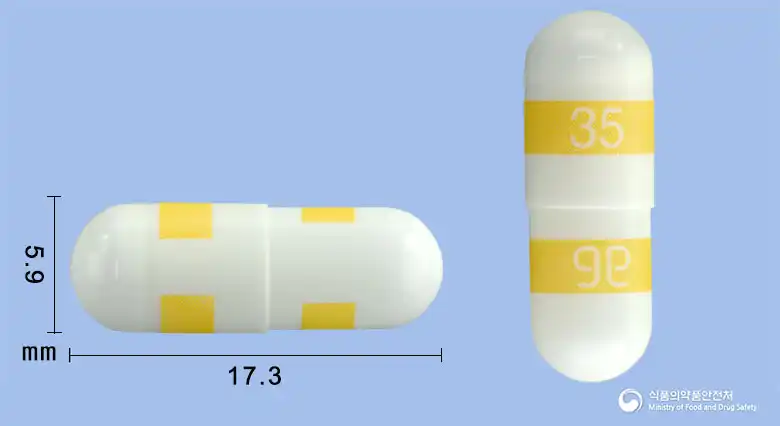
A white capsule filled with powder that is white to yellowish and has yellow bands on the top and bottom.
30 capsules/bottle, 100 capsules/bottle
Even with the same ingredient, strength, dosage form and how it is taken can differ.
Viewing nowCelecoxib 200mg
Hard capsule · Prescription medication
GL Pharma Co., Ltd.
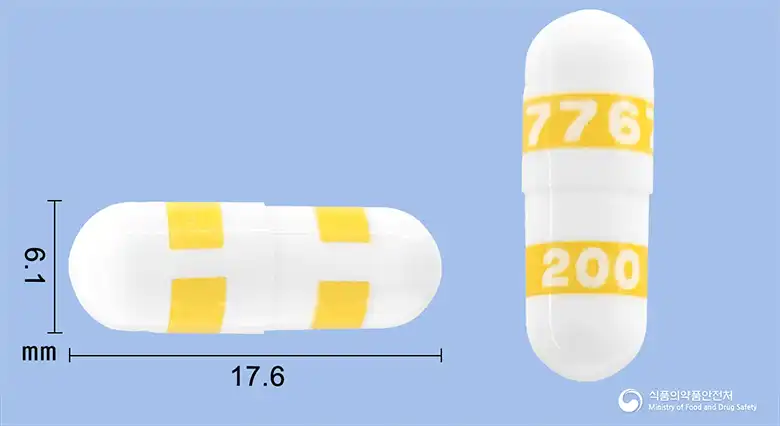
Celecoxib 200mg
Hard capsule · Prescription medication
Viatris Korea Co., Ltd.
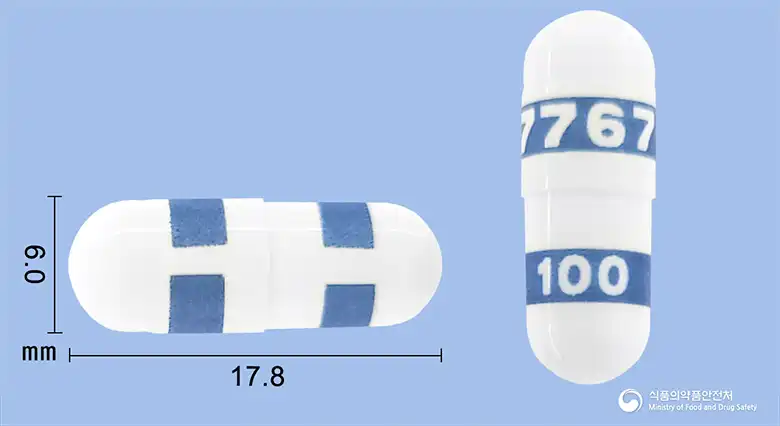
Celecoxib 100mg
Hard capsule · Prescription medication
Viatris Korea Co., Ltd.
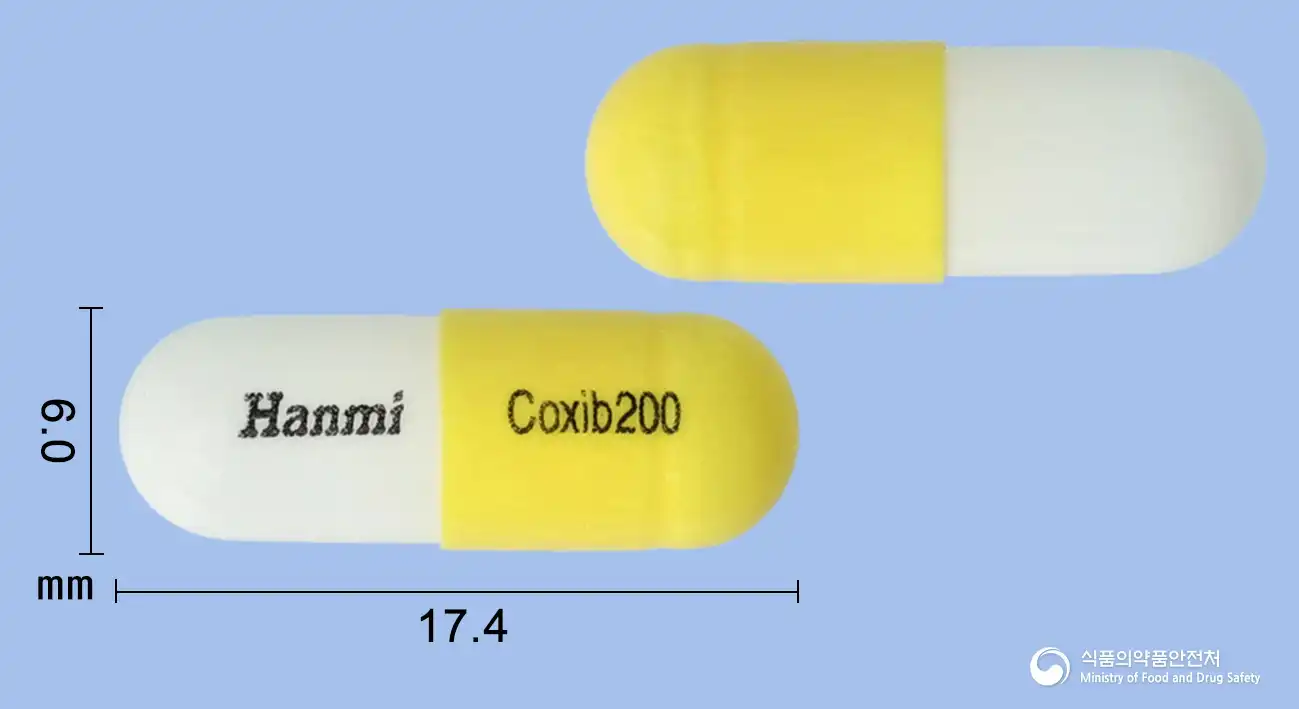
Celecoxib 200mg
Hard capsule · Prescription medication
Hanmi Pharmaceutical Co., Ltd.
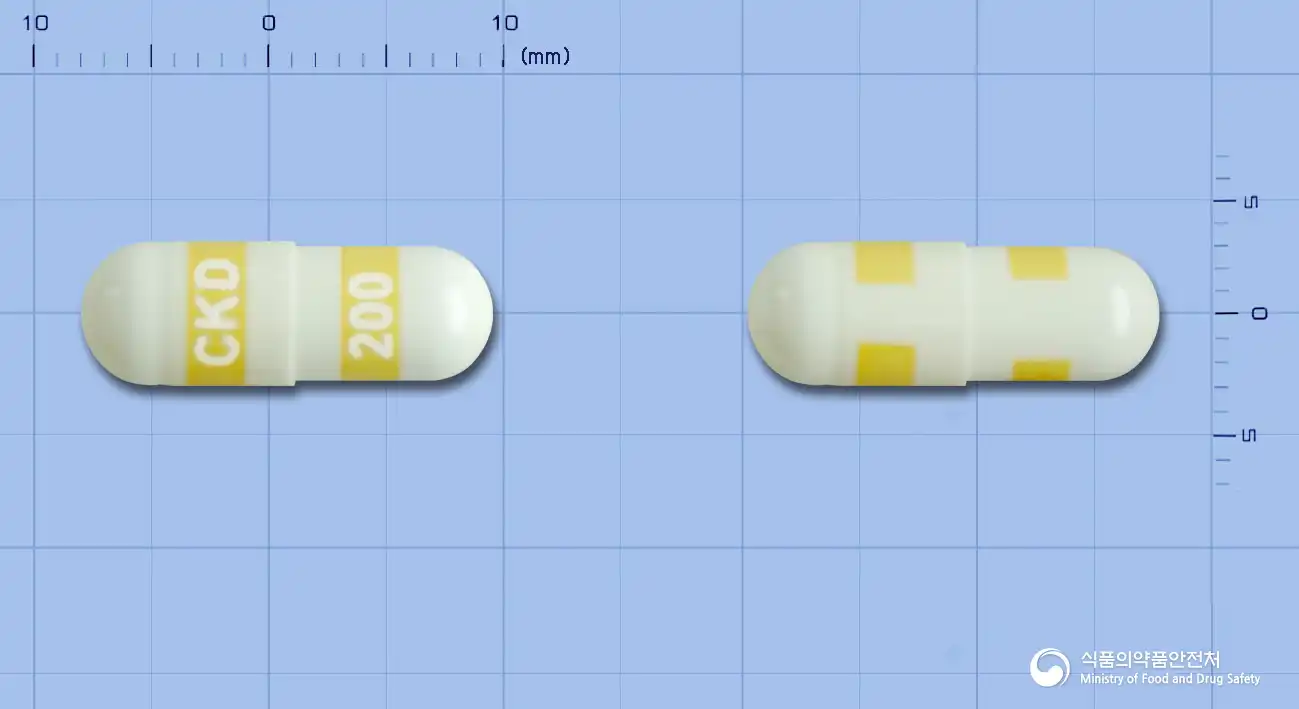
Celecoxib 200mg
Hard capsule · Prescription medication
Jonggu C(A) Co., Ltd.
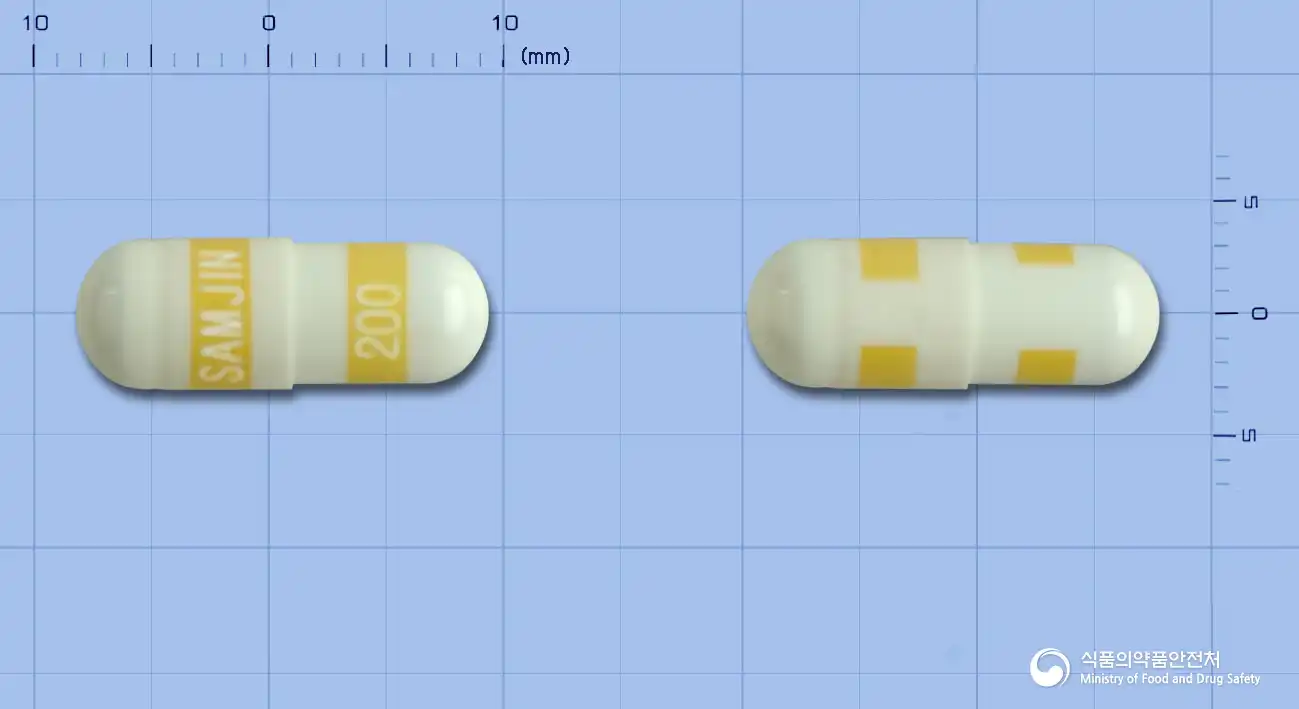
Celecoxib 200mg
Hard capsule · Prescription medication
Samjin Pharmaceutical Co., Ltd.
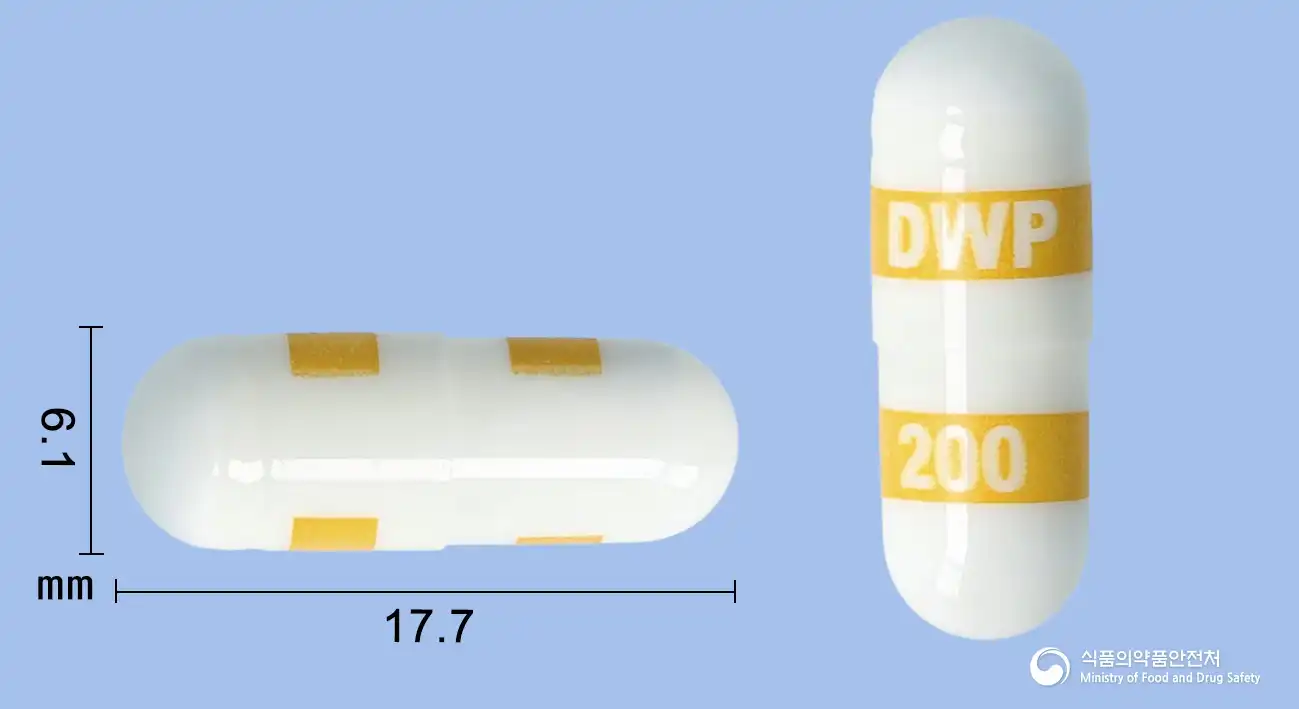
Celecoxib 200mg
Hard capsule · Prescription medication
Daewon Pharmaceutical Co., Ltd.
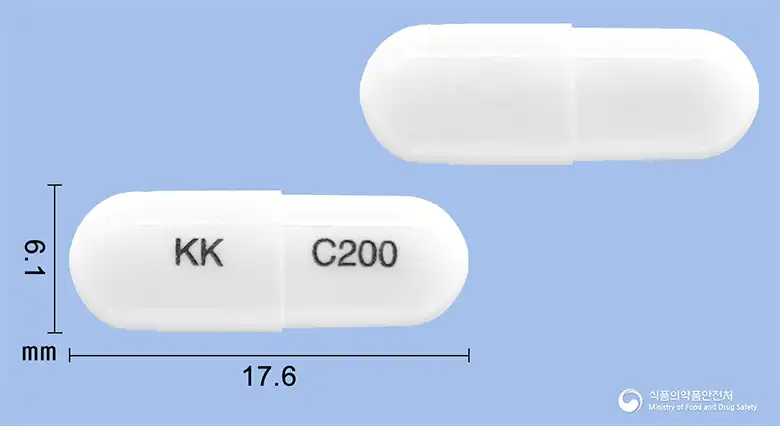
Celecoxib 200mg
Hard capsule · Prescription medication
Genewon Science Co., Ltd.
Even with the same ingredient, the dose and directions can differ by strength and dosage form. Talk to a doctor or pharmacist before switching from a medication you are already taking.
No questions yet.
For anything that needs medical judgment, consult a doctor or pharmacist.
This drug information is based on data provided by the Korea Ministry of Food and Drug Safety.
Consult a doctor or pharmacist for accurate dosage, administration, and usage instructions.