
 한국어
한국어 English
 日本語
日本語 中文(简体)
Dosage form image
Viewing nowIlyang Bio Olmesartan Medoxomil Tablet 40mg
Olmesartan Medoxomil 40mg
Tablet · Prescription medication
Ilyang Biopharm Co., Ltd.
MFDS item code 201902971 · Approved 2019.05.08
This product's status changed to Expired on 2024.05.08. It may no longer be sold, so consult a doctor or pharmacist before taking it.
Improvement of essential hypertension
Essential hypertension plays an important role in controlling blood pressure within the normal range and preventing cardiovascular complications. This medication lowers blood pressure, reduces the risk of stroke and myocardial infarction, and helps protect kidney function. With regular intake, it can maintain vascular health and enhance overall quality of life. Therefore, it is used for the treatment of essential hypertension.
The recommended initial dose for adults is 10mg once daily, taken regardless of meals. If blood pressure is not adequately controlled, it can be increased to 20mg once daily. If necessary, the dose can be increased to a maximum of 40mg once daily. The blood pressure lowering effect typically begins within 2 weeks of starting treatment, with maximum effect observed at about 8 weeks. If blood pressure is not adequately controlled, it can be combined with thiazide diuretics.
Safety and efficacy in children have not been established.
This medication can cause serious harm or death to the fetus and newborn if taken during the second and third trimesters of pregnancy, so it must be stopped immediately if pregnancy is confirmed. Do not take this medicine if you are allergic to it or its ingredients, are pregnant or breastfeeding, are undergoing kidney dialysis, or have severe liver impairment or biliary obstruction. Patients with lactose intolerance or certain genetic conditions should also avoid this medication. Before taking this medication, patients who have reduced blood volume or are on high-dose diuretics should be monitored closely for the risk of hypotension. Patients with severe heart failure or impaired kidney function risk worsening their kidney function while taking this medication, so regular blood tests are required. Patients with poor kidney function, those who have had a kidney transplant, or those with renal artery stenosis should also exercise caution when taking this medication. Patients with heart failure or impaired kidney function may experience hyperkalemia, so potassium levels in the blood should be checked frequently. Patients with aortic or mitral stenosis, obstructive or hypertrophic heart disease need to take this medication with special care. Low blood pressure may cause dizziness; therefore, avoid high-altitude work or driving and other dangerous activities. This medication may have a lesser blood pressure lowering effect in Black patients. The safety of this medication has been evaluated in large clinical trials, and most adverse reactions are mild and temporary. The most common adverse reaction is dizziness, while chest pain, peripheral edema, nausea, headache, and others have been reported rarely. If chronic diarrhea or significant weight loss occurs during treatment, consult a doctor to consider stopping the medication. Caution is needed when taking with potassium-sparing diuretics, potassium supplements, etc., as it can increase potassium levels in the blood. Combining with other antihypertensives may result in a stronger blood pressure lowering effect. Avoid co-administration with lithium as it may cause increased lithium levels and toxicity. Taking with non-steroidal anti-inflammatory drugs (NSAIDs) may worsen kidney function, so ensure adequate fluid intake and monitor kidney function. This medication should not be taken during pregnancy due to the risk of fetal harm, and if planning a pregnancy or already pregnant, consult a doctor. During breastfeeding, this medication can pass into breast milk and may cause adverse reactions in infants, so either breastfeeding should be stopped or the medication should be discontinued. Safety and efficacy in children have not been established. Elderly patients may have higher drug concentrations in the body; therefore, dose adjustment and caution are necessary. In case of overdose, symptoms such as hypotension and palpitations may occur; if symptoms are severe, seek immediate medical attention.
Urticaria, angioedema, anaphylaxis, severe allergic reactions, rhabdomyolysis, hyperkalemia, acute renal failure, liver dysfunction (increased transaminases or total bilirubin), autoimmune hepatitis, urticaria, angioedema, facial swelling (severe swelling), severe edema, asthma, respiratory distress, chest tightness
Not everyone experiences these, and they can vary from person to person.
This medication can be sensitive to air and moisture, so it should be stored in a tightly closed container. Additionally, it is best to keep the medication at room temperature between 1°C and 25°C. Storing it this way can help maintain the drug's effectiveness for a long time.
White oblong film-coated tablet
30 tablets/bottle, 300 tablets/bottle
Even with the same ingredient, strength, dosage form and how it is taken can differ.
Olmesartan Medoxomil 40mg
Tablet · Prescription medication
Ilyang Biopharm Co., Ltd.
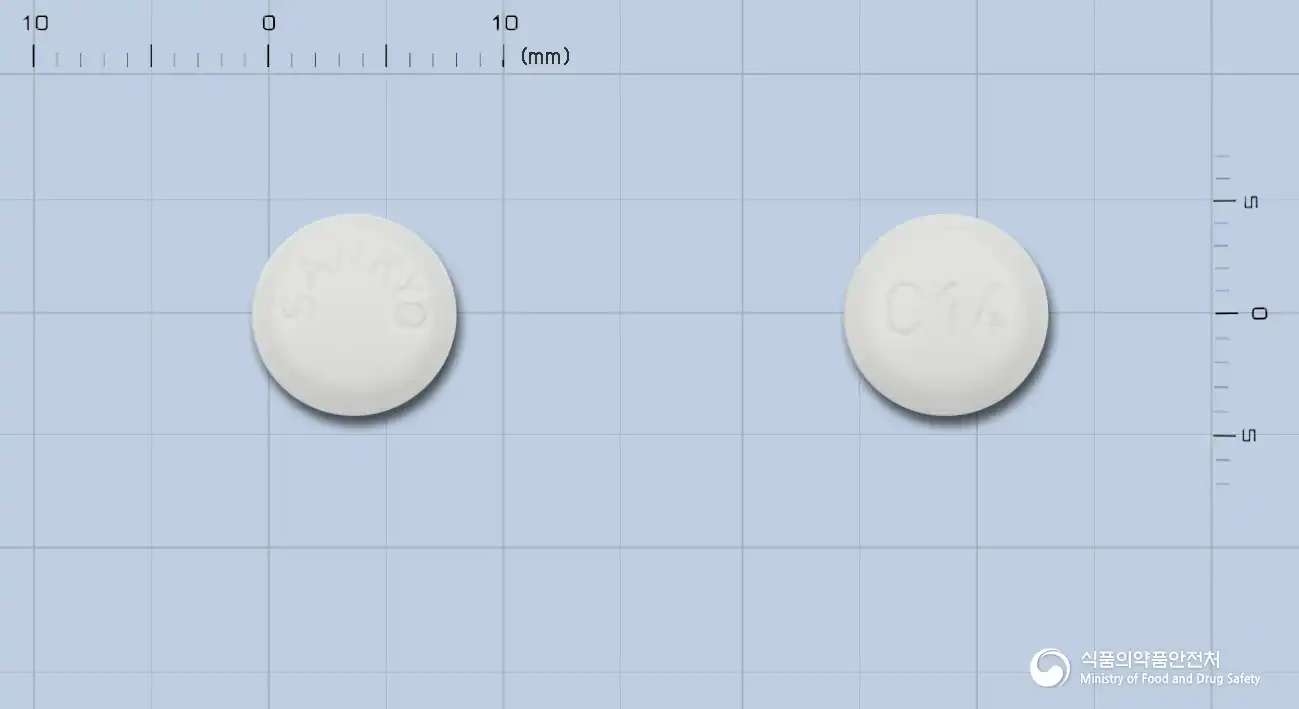
Olmesartan Medoxomil 20mg
Tablet · Prescription medication
Daewoong Pharmaceutical Co., Ltd.
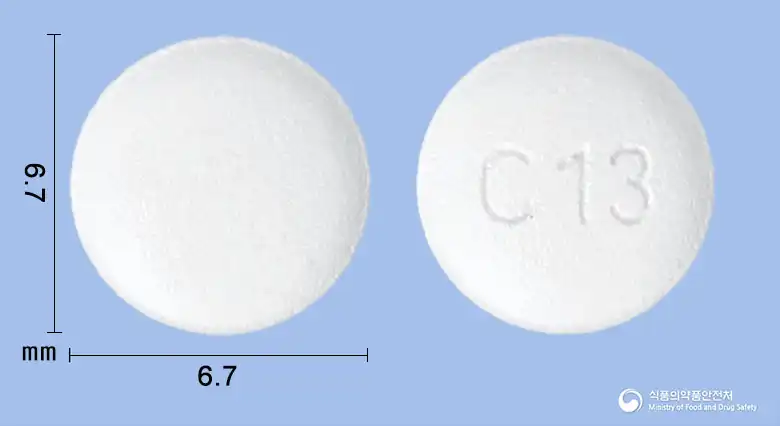
Olmesartan Medoxomil 10mg
Tablet · Prescription medication
Daewoong Pharmaceutical Co., Ltd.
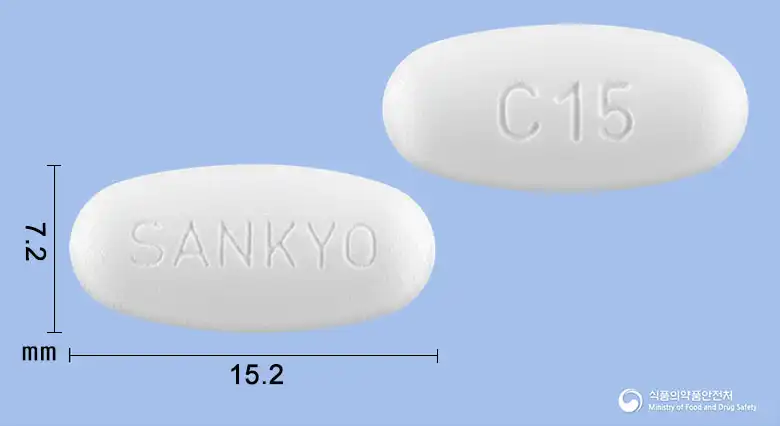
Olmesartan Medoxomil 40mg
Tablet · Prescription medication
Daewoong Pharmaceutical Co., Ltd.
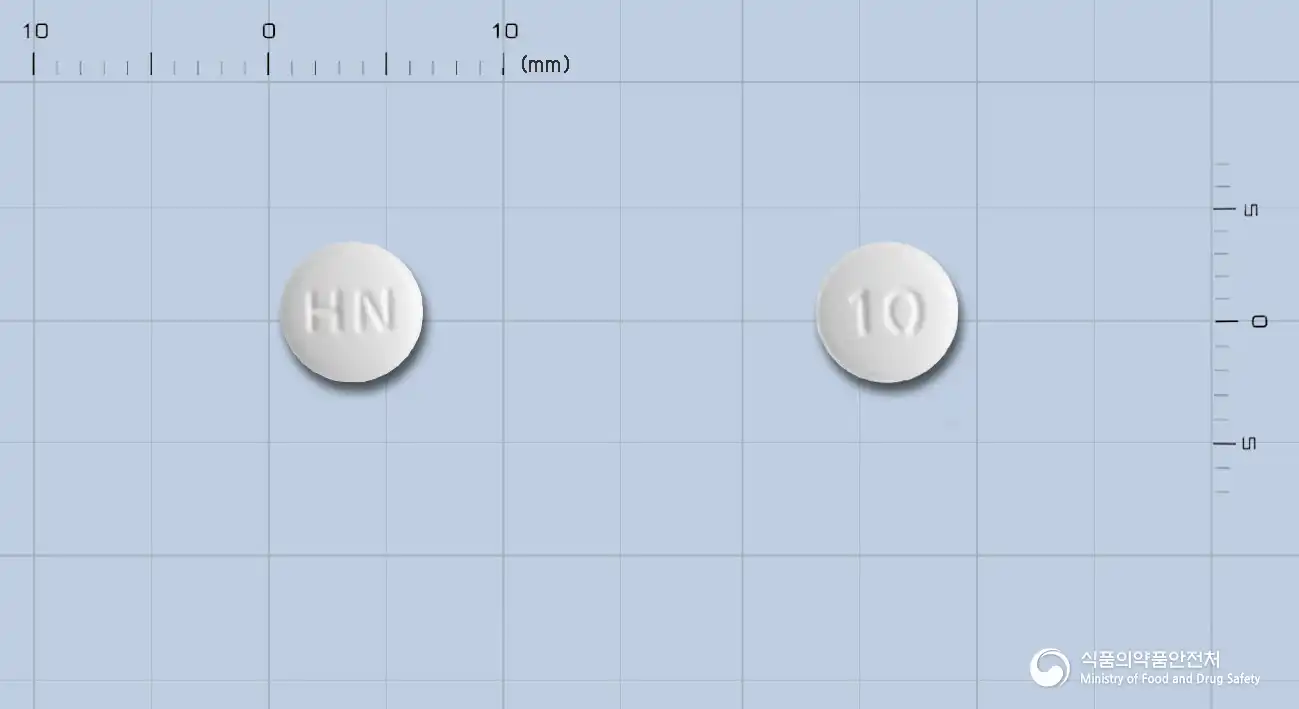
Olmesartan Medoxomil 10mg
Tablet · Prescription medication
Hana Pharmaceutical Co., Ltd.
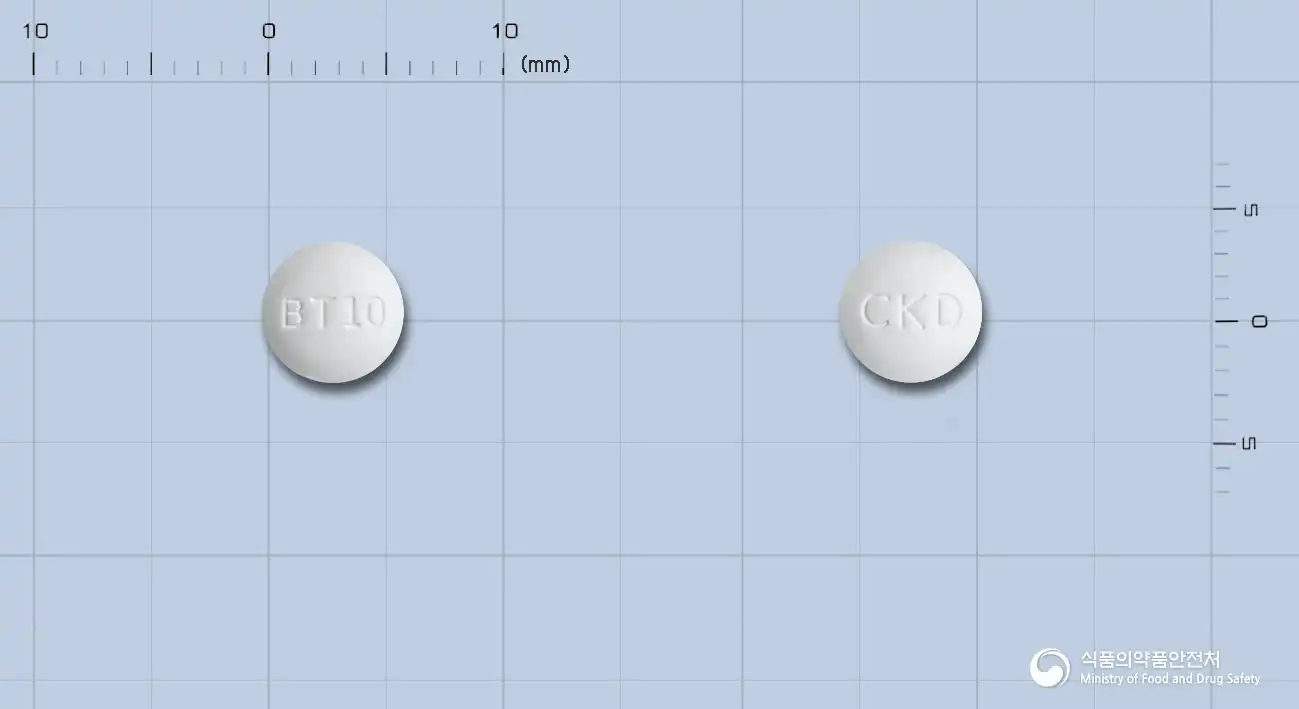
Olmesartan Medoxomil 10mg
Tablet · Prescription medication
Jongkeundang Co., Ltd.
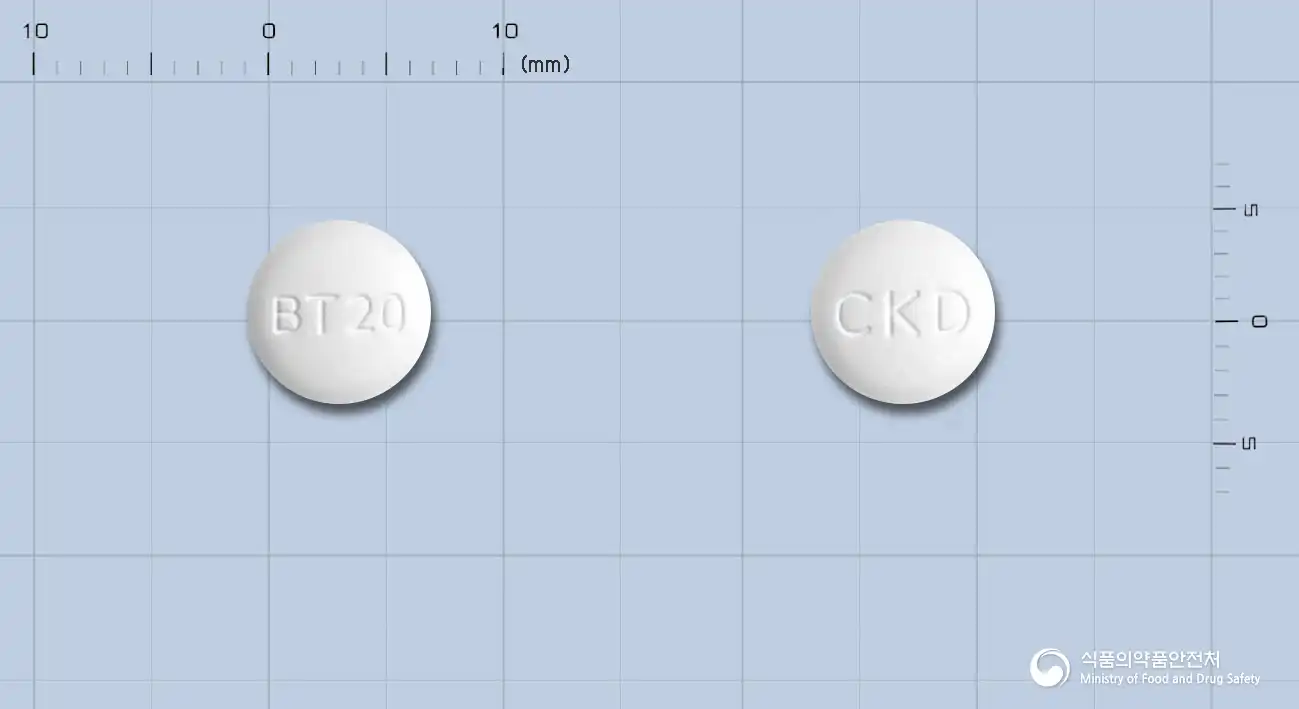
Olmesartan Medoxomil 20mg
Tablet · Prescription medication
Jongkundang Co., Ltd.
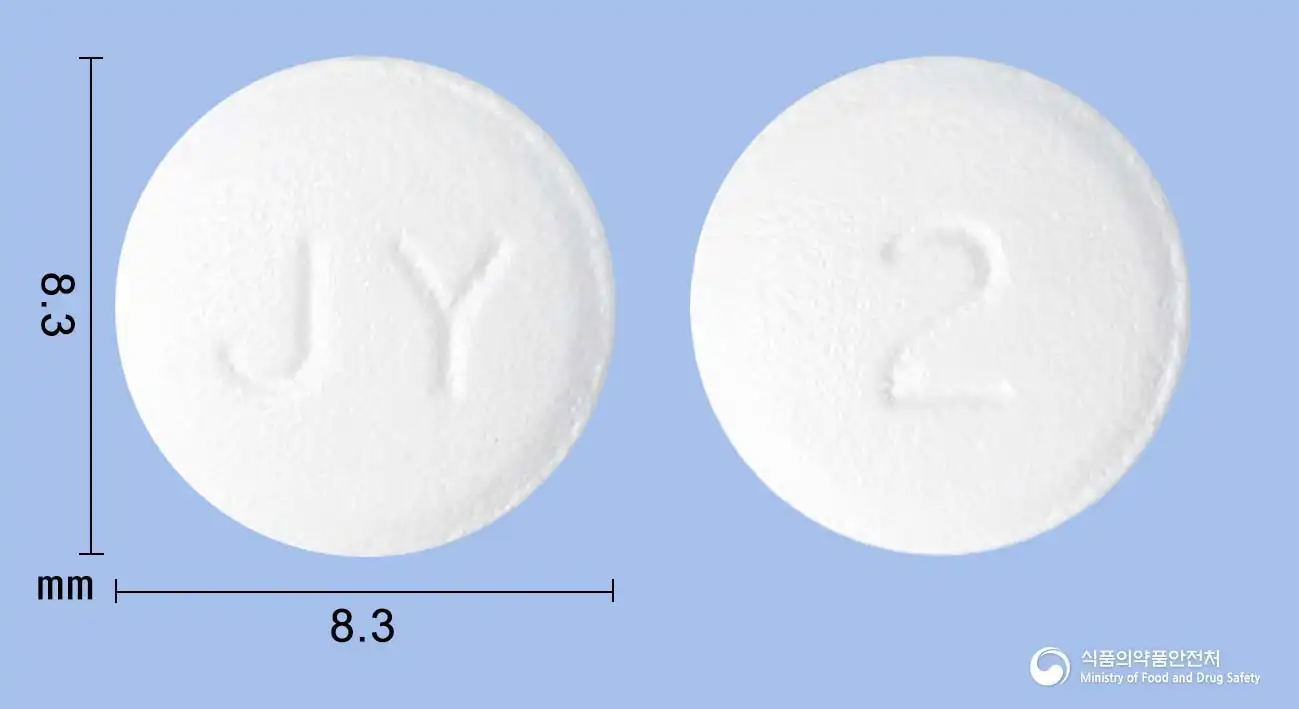
Olmesartan Medoxomil 20mg
Tablet · Prescription medication
Jinyang Pharmaceutical Co., Ltd.
Even with the same ingredient, the dose and directions can differ by strength and dosage form. Talk to a doctor or pharmacist before switching from a medication you are already taking.
No questions yet.
For anything that needs medical judgment, consult a doctor or pharmacist.
This drug information is based on data provided by the Korea Ministry of Food and Drug Safety.
Consult a doctor or pharmacist for accurate dosage, administration, and usage instructions.