
 한국어
 English
 日本語
 中文(简体)
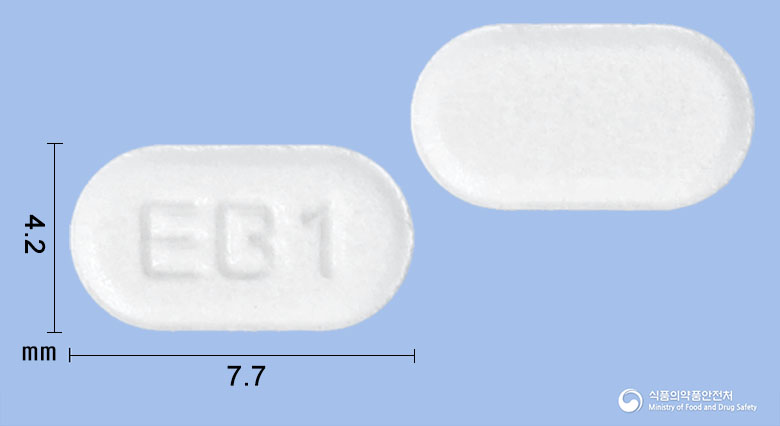 Viewing now
Ezetimibe Tablets 10 mg (Ezetimibe)
Ezetimibe 10mg
Tablet · Prescription medication
Korea Prime Pharmaceutical Co., Ltd.
MFDS item code 201902917 · Approved 2019.05.08 · Insurance code 663607820
Improvement of hypercholesterolemia, mixed hyperlipidemia, and homozygous sitosterolemia
This medication helps lower elevated total cholesterol and LDL cholesterol levels in patients with primary hypercholesterolemia and mixed hyperlipidemia. It also effectively controls cholesterol levels in patients with homozygous familial hypercholesterolemia when used alone or in conjunction with other therapies. Additionally, it reduces phytosterol levels in patients with homozygous sitosterolemia, contributing to improved vascular health. This drug is commonly used in conjunction with dietary modifications and may enhance therapeutic effects when administered with other medications. It is crucial to identify other potential causes and conduct necessary tests before treatment. Overall, this medication is used to effectively improve various types of hypercholesterolemia and related diseases.
Continue a standard cholesterol-lowering diet during treatment with this medicine. The recommended dose of this medicine is 10 mg once daily, with or without food. When administered concomitantly with an HMG-CoA reductase inhibitor (in patients with primary hypercholesterolemia), initiate this medicine concomitantly with the recommended starting dose of the HMG-CoA reductase inhibitor. If the patient is already receiving a high dose of an HMG-CoA reductase inhibitor, administer this medicine concomitantly while maintaining the dose of the HMG-CoA reductase inhibitor. When this medicine is administered concomitantly with fenofibrate (in patients with mixed hyperlipidemia), administer it with fenofibrate 160mg once daily or 200mg once daily (see Precautions for Use, 4. General Precautions). 1. Use in patients with hepatic impairment No dosage adjustment is required in patients with mild hepatic impairment; however, use of this medicine is not recommended in patients with moderate to severe hepatic impairment (see Precautions for Use, 2. Patients Requiring Caution). 2. Use in patients with renal failure No dosage adjustment is required in patients with renal failure. 3. Use in elderly patients No dosage adjustment is required in elderly patients. 4. Concomitant use with bile acid sequestrants Administer this medicine at least 2 hours before or at least 4 hours after a bile acid sequestrant (see Precautions for Use, 5. Interactions).
This medication should not be used by individuals with an allergy to any ingredients of this medication. Patients with liver function issues or significantly elevated liver enzyme levels should not take this medication in combination with certain other drugs. Women who are pregnant or breastfeeding are advised against using this medication in combination with specific lipid-lowering agents. Patients with severely impaired liver function, gallbladder diseases, or severe kidney dysfunction should not take this medication with specific drugs. Individuals with lactose intolerance or those genetically unable to digest lactose should not take this medication. The use of this medication is not recommended in patients with moderate to severe liver impairment. While this medication is generally considered safe, side effects such as headache, abdominal pain, diarrhea, fatigue, and muscle pain may occur. When taken in conjunction with other lipid-lowering agents, liver enzyme levels may increase, necessitating regular liver function tests. If muscle pain or weakness occurs, consultation with a physician should be sought immediately, and drug use should be discontinued if severe. Patients with severely impaired kidney function can use this medication without special dosage adjustments, but care should be taken for those with weakened renal function. There may be interactions when used with other medications, so any existing medications should be disclosed to a physician or pharmacist. Women who are pregnant or planning to become pregnant should consult a doctor before taking this medication. Women who are breastfeeding should exercise caution as this medication may be excreted in breast milk and could affect the infant. Children under 6 years of age are advised not to take this medication, while children and adolescents over 6 years should do so under physician's guidance. Elderly patients can generally use this medication, but care is needed due to age-related sensitivities. In case of overdose, there are no specific antidotes, and appropriate treatment should be provided based on symptoms. This medication should be kept out of reach of children and not transferred to other containers.
Fatigue, abdominal pain, diarrhea, viral infection, pharyngitis, sinusitis, arthralgia, lumbago, cough, chest pain, dizziness, headache, constipation, bloating, nausea, elevated AST, elevated ALT, myalgia, myopathy, rhabdomyolysis, hepatitis, thrombocytopenia, pancreatitis, sensory abnormalities, depression, cholelithiasis, cholecystitis, stomatitis, toxic epidermal necrolysis, eosinophilia, systemic symptoms associated drug reactions, erythema multiforme, drug-induced liver injury, chest discomfort, swelling, weakness, generalized edema, diabetic neuropathy, tremor, epigastric pain, vomiting, gastritis, xerostomia, discomfort in the epigastrium, belching, gastrointestinal disturbances, gastroesophageal reflux disease, tongue disorders, palpitations, congestive heart failure, myocardial ischemia, flushing, sputum, runny nose, limb pain, diabetes, hypoglycemia, anemia, splenomegaly, urticaria, hyperhidrosis, rash, pruritus, upper respiratory tract infection, conjunctival congestion, renal failure, liver function abnormality, increased serum creatinine, hypertension, increased blood urea, increased serum creatine phosphokinase, abnormal liver function tests, nausea
Not everyone experiences these, and they can vary from person to person.
This medication should be stored in a tightly closed container to prevent exposure to air and moisture. It is recommended to store it at room temperature between 1 and 30 degrees Celsius. Proper storage can maintain the effectiveness and safety of the medication.
White to almost white oblong tablets
30 tablets/box [(10 tablets/PTP*3)]
Even with the same ingredient, strength, dosage form and how it is taken can differ.
Viewing nowEzetimibe 10mg
Tablet · Prescription medication
Korea Prime Pharmaceutical Co., Ltd.
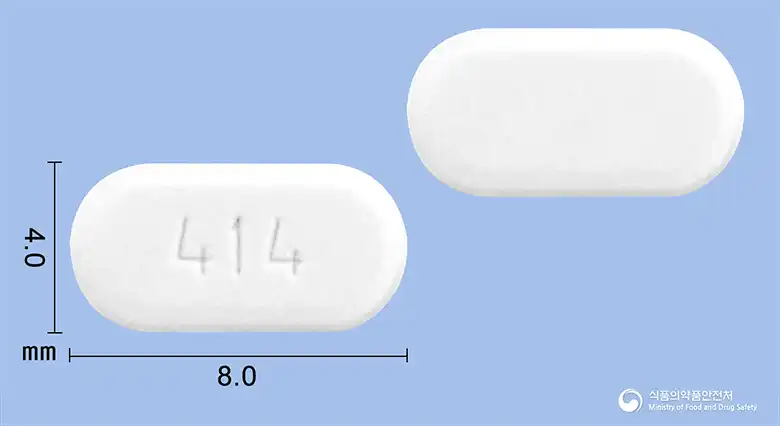
Ezetimibe 10mg
Tablet · Prescription medication
Korea Organon Co., Ltd.
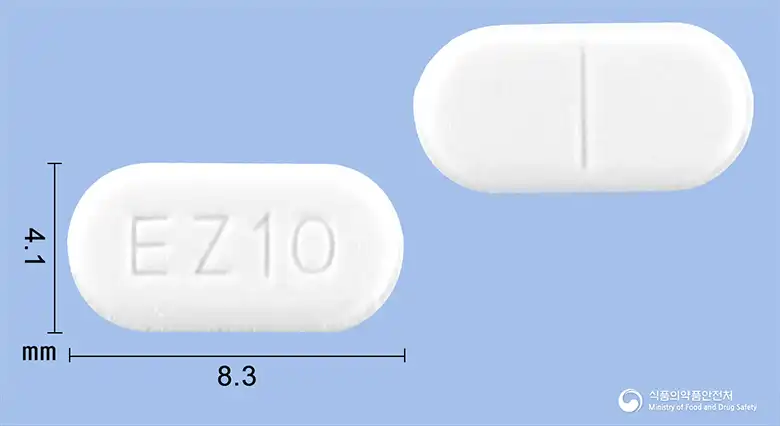
Ezetimibe 10mg
Tablet · Prescription medication
Hanmi Pharmaceutical Co., Ltd.
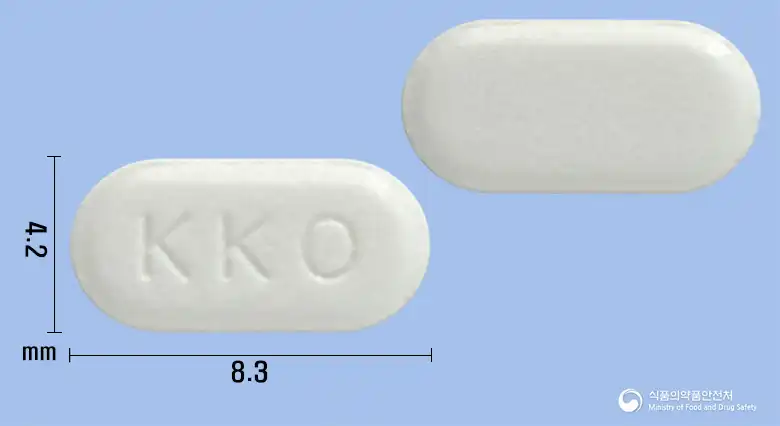
Ezetimibe 10mg
Tablet · Prescription medication
Genewon Science Co., Ltd.
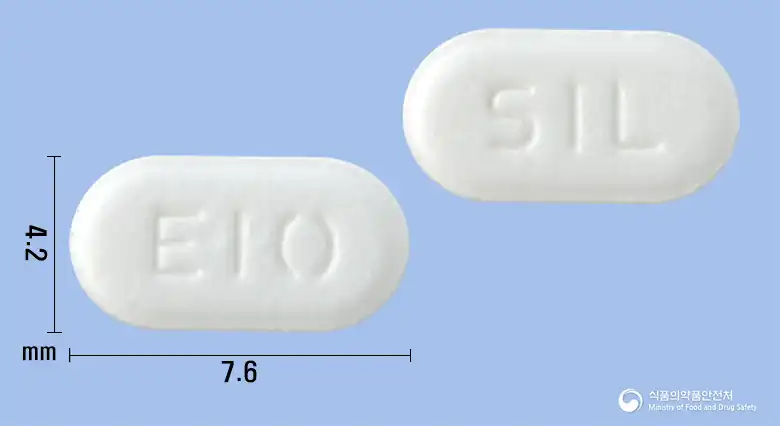
Ezetimibe 10mg
Tablet · Prescription medication
Shin Il Pharmaceutical Co., Ltd.
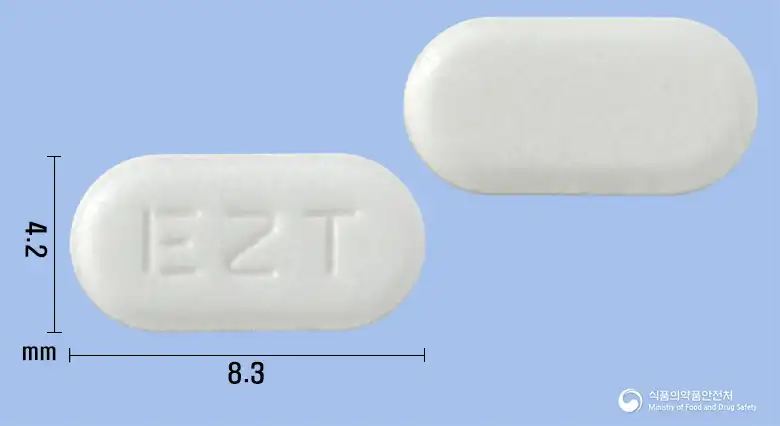
Ezetimibe 10mg
Tablet · Prescription medication
Korea Hutech Pharmaceutical Co., Ltd.
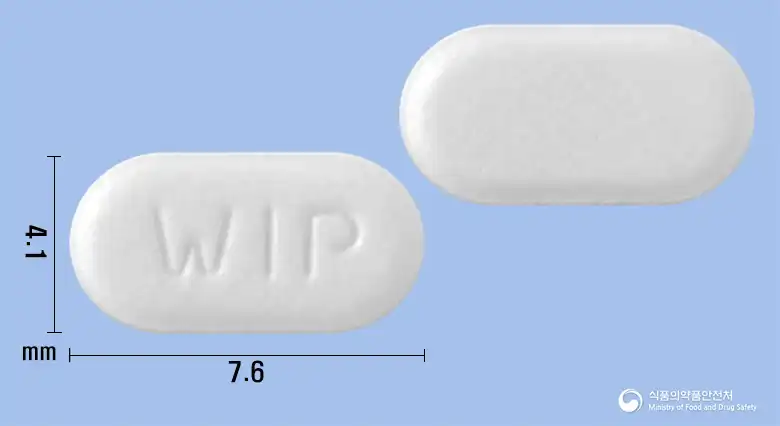
Ezetimibe 10mg
Tablet · Prescription medication
Hwanin Pharmaceutical Co., Ltd.
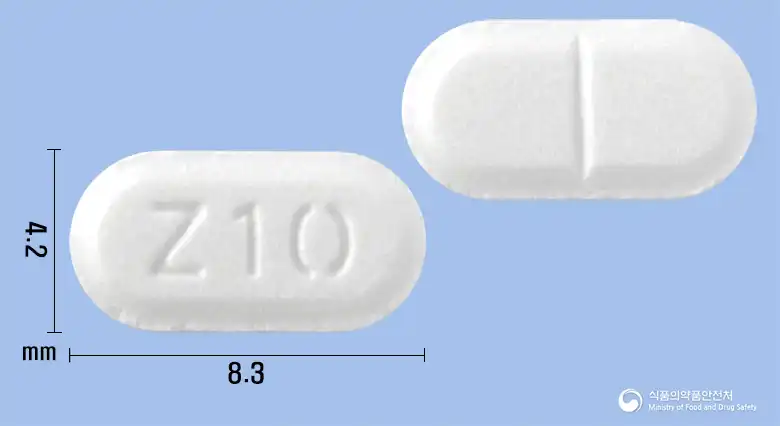
Ezetimibe 10mg
Tablet · Prescription medication
Jinyang Pharmaceutical Co., Ltd.
Even with the same ingredient, the dose and directions can differ by strength and dosage form. Talk to a doctor or pharmacist before switching from a medication you are already taking.
No questions yet.
For anything that needs medical judgment, consult a doctor or pharmacist.
This drug information is based on data provided by the Korea Ministry of Food and Drug Safety.
Consult a doctor or pharmacist for accurate dosage, administration, and usage instructions.