
 한국어
한국어 English
 日本語
日本語 中文(简体)
Dosage form image
Viewing nowCombinationBajetive Tablet 10/10 Milligrams
Ezetimibe 10mg · Simvastatin 10mg
Tablet · Prescription medication · Combination
Il-Yang Biopharm Co., Ltd.
MFDS item code 201902908 · Approved 2019.05.07
This product's status changed to Expired on 2024.05.07. It may no longer be sold, so consult a doctor or pharmacist before taking it.
Improvement of cholesterol and triglyceride levels in hypercholesterolemia (primary, homozygous familial) and mixed dyslipidemia
This medication is used in conjunction with dietary therapy to lower elevated total cholesterol, LDL cholesterol, apolipoprotein B, and triglycerides while increasing HDL cholesterol in patients with primary hypercholesterolemia, particularly those with heterozygous familial and non-familial and mixed dyslipidemia. It is administered as an adjunct or alternative treatment for patients with homozygous familial hypercholesterolemia, and it is also used as part of lipid-lowering therapy in patients at high risk of cardiovascular disease. This medication is prescribed when there is an inadequate response to appropriate dietary therapy and non-drug interventions, and it is important to identify secondary causes beforehand and take appropriate measures. During treatment, regular monitoring of total cholesterol, LDL-C, HDL-C, and triglyceride levels should be conducted to manage dyslipidemia effectively. Overall, this medication is used to improve lipid levels associated with hypercholesterolemia, thereby reducing the risk of atherosclerotic vascular disease.
This medication is administered once daily in the evening, regardless of meals. The dosage range for patients with primary hypercholesterolemia is 10/10mg to 10/40mg daily. The generally recommended starting dose is 10/20mg once daily. Patients with less need for LDL-cholesterol reduction may start at 10/10mg daily. After starting treatment or adjusting the dose, lipid levels should be checked after an interval of 4 weeks or more.
This medication is primarily used to reduce blood cholesterol levels and lower the risk of cardiovascular disease. Serious muscle-related side effects such as myopathy or rhabdomyolysis may occur with usage; therefore, if muscle pain or weakness is experienced, medical attention should be sought immediately. It may affect liver function; therefore, it should not be used in patients with liver disease or those with abnormally high liver enzyme levels. Pregnant or nursing women should not take this medication, and women who may become pregnant should consult their physician before use. It has many potential interactions with other drugs, especially certain antifungals, antibiotics, immunosuppressants, some cardiac medications, and lipid-lowering agents, which may increase the risk of muscle side effects. Therefore, inform healthcare providers of any concurrent medications. Elderly patients or those with reduced kidney function may be at higher risk of side effects and should be managed carefully. Regular blood tests are recommended to monitor liver function and muscle-related enzyme levels during treatment. There is no specific antidote for overdose; if an overdose occurs, an immediate visit to a healthcare facility for appropriate treatment is necessary.
Not everyone experiences these, and they can vary from person to person.
This medication is sensitive to air and moisture; it should be stored in a tightly sealed container. It is advisable to maintain a room temperature between 1 degree and 30 degrees Celsius. This helps to preserve the drug's effectiveness and safety over time.
White to pale yellow, biconvex, rectangular tablet
30 tablets (10 tablets/PTPX3)
Even with the same ingredient, strength, dosage form and how it is taken can differ.
Ezetimibe 10mg · Simvastatin 10mg
Tablet · Prescription medication · Combination
Il-Yang Biopharm Co., Ltd.
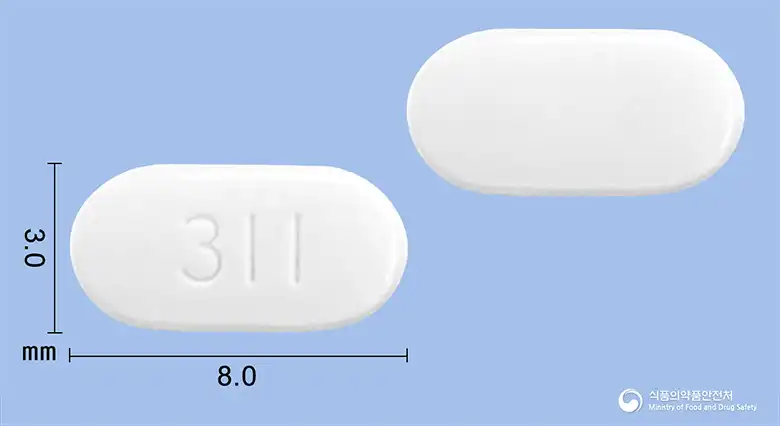 Combination
Simvastatin 10mg · Ezetimibe 10mg
Tablet · Prescription medication · Combination
Korea Organon Co., Ltd.
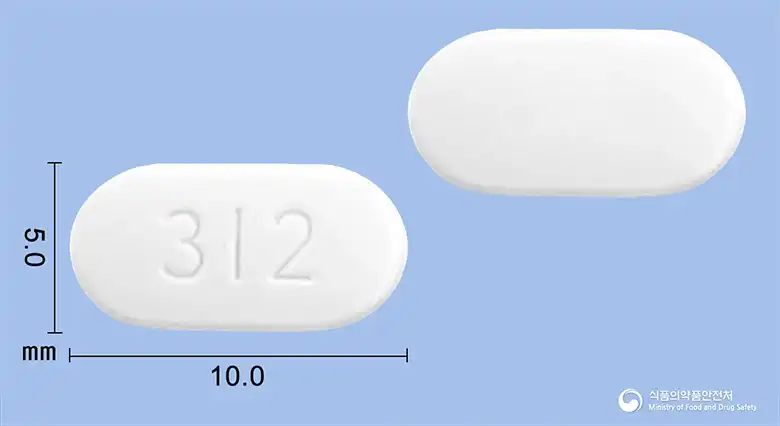 Combination
Simvastatin 20mg · Ezetimibe 10mg
Tablet · Prescription medication · Combination
Korea Organon Co., Ltd.
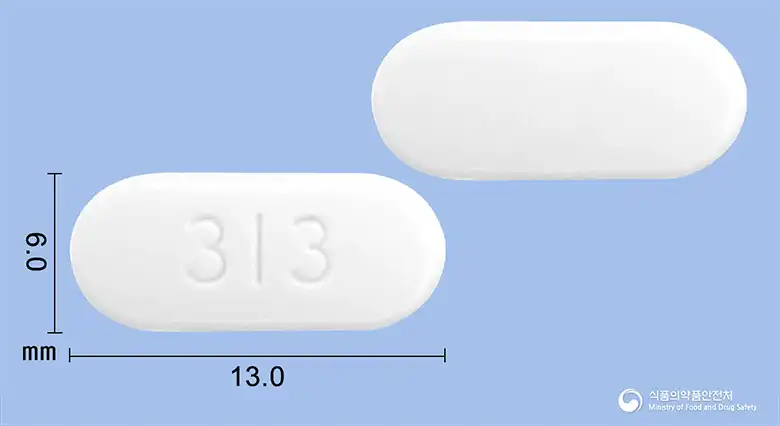 Combination
Simvastatin 40mg · Ezetimibe 10mg
Tablet · Prescription medication · Combination
Korea Organon Co., Ltd.
Ezetimibe 10mg · Simvastatin 10mg
Tablet · Prescription medication · Combination
Boryung Pharmaceutical Co., Ltd.
Ezetimibe 10mg · Simvastatin 20mg
Tablet · Prescription medication · Combination
Boryung Pharmaceutical Co., Ltd.
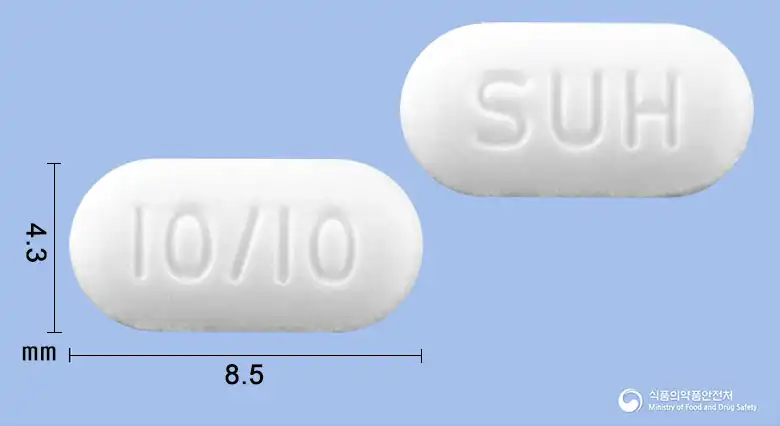 Combination
Ezetimibe 10mg · Simvastatin 10mg
Tablet · Prescription medication · Combination
Suhung Co., Ltd.
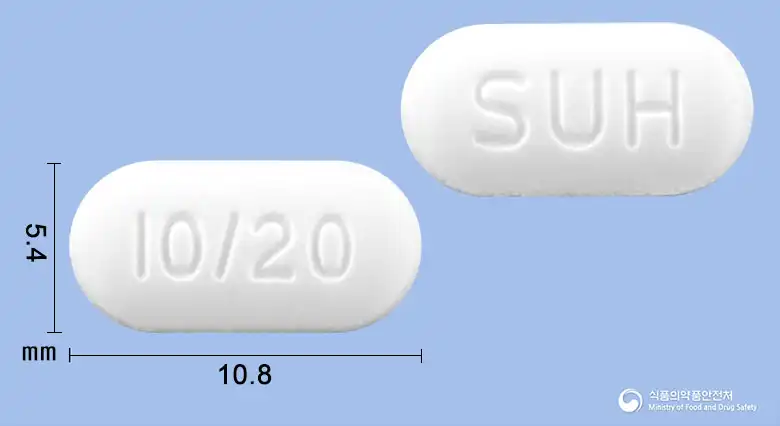 Combination
Ezetimibe 10mg · Simvastatin 20mg
Tablet · Prescription medication · Combination
Seohung Co., Ltd.
Even with the same ingredient, the dose and directions can differ by strength and dosage form. Talk to a doctor or pharmacist before switching from a medication you are already taking.
No questions yet.
For anything that needs medical judgment, consult a doctor or pharmacist.
This drug information is based on data provided by the Korea Ministry of Food and Drug Safety.
Consult a doctor or pharmacist for accurate dosage, administration, and usage instructions.