
 한국어
한국어 English
 日本語
日本語 中文(简体)
Dosage form image
Viewing nowEtimib 10 mg (Ezetimibe)
Ezetimibe 10mg
Tablet · Prescription medication
Seongwon Adcock Pharmaceuticals Co., Ltd.
MFDS item code 201902792 · Approved 2019.04.30
This product's status changed to Expired on 2024.04.30. It may no longer be sold, so consult a doctor or pharmacist before taking it.
Lipid-lowering effect by reducing LDL-C in hypercholesterolemia and sitosterolemia
This medicine is used as an adjunct to diet for the reduction of total cholesterol, low-density lipoprotein cholesterol (LDL-C), and apolipoprotein B in patients with primary hypercholesterolemia and mixed hyperlipidemia. Additionally, it is administered as an adjunct to other lipid-lowering therapies in patients with homozygous familial hypercholesterolemia or, if necessary, in combination with statins. It is also used in conjunction with dietary therapy to reduce sitosterol and campesterol in patients with homozygous sitosterolemia. This medication is indicated when the response to appropriate dietary therapy and non-pharmacological measures is inadequate, and should be used after thoroughly examining the patient's lipid state and excluding secondary causes. It aims to reduce the risk of vascular disease due to hypercholesterolemia and related dyslipidemia, and to improve blood lipid levels.
The recommended dosage of this medication is 10 mg once daily, and it can be taken regardless of meals. When co-administering with HMG-CoA reductase inhibitors, therapy should be initiated at the recommended starting dose of the HMG-CoA reductase inhibitor along with this medication, and if the patient is already receiving a high dose of an HMG-CoA reductase inhibitor, this medication should be combined with the same dose of the HMG-CoA reductase inhibitor.
This medication should not be used in patients who are allergic to specific ingredients. In patients with active liver disease or persistent unexplained elevation of liver enzymes, this medication should not be used in conjunction with certain types of cholesterol-lowering agents. Pregnant or nursing women are prohibited from taking this medication with certain cholesterol-lowering agents, so special caution is required for women of childbearing potential. This medication should not be used with certain fibrate medications in patients with severe liver dysfunction or gallbladder disease, and patients with severe renal impairment should also avoid this combination. This medication contains lactose; therefore, patients with lactose intolerance or certain genetic metabolic disorders should avoid its use. Patients with moderate to severe liver impairment may experience increased exposure to this medication, which may lead to unexpected side effects, requiring caution. This medication is generally well-tolerated, but side effects such as headache, abdominal pain, diarrhea, fatigue, muscle pain, and cough may occur. In particular, when used with other cholesterol-lowering agents, liver enzyme elevation or muscle-related adverse reactions may occur more frequently; therefore, regular monitoring is necessary. If muscle pain or weakness is felt, contact a doctor immediately, and discontinue medication if necessary. Since this medication is primarily metabolized in the liver, liver function tests should be conducted regularly, and its use should be re-evaluated if liver function worsens. Patients with severe renal impairment can use this medication, but it is important to periodically check renal function status. There may be drug interactions with other medications, so patients taking anticoagulants, immunosuppressants, bile acid sequestrants, etc., should consult with their doctor or pharmacist. Consultation with a doctor is also necessary before using this medication during pregnancy; its use is not recommended while breastfeeding. The use of this medication is not recommended for children under the age of 6, while pediatric patients aged 6 and older demonstrate a safety profile similar to that of adults. Elderly patients can generally use this medication safely, but caution is required as some may be more sensitive to the drug. This medication should be stored out of reach of children and should not be transferred to another container. In case of overdose, since there is no specific antidote, it is important to receive treatment based on the symptoms.
Not everyone experiences these, and they can vary from person to person.
This medication is sensitive to air and moisture; therefore, it should be stored in a tightly sealed container. The storage temperature should be maintained between 1 degree and 30 degrees Celsius.
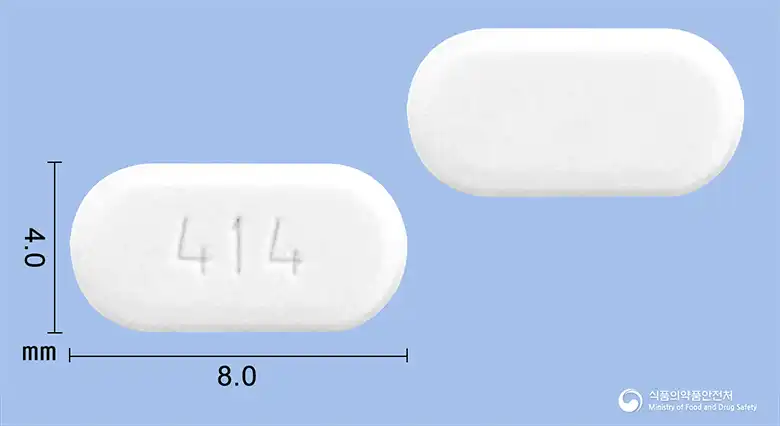
White to almost white oblong tablets
30 tablets (10 tablets/PTP x3)
Even with the same ingredient, strength, dosage form and how it is taken can differ.
Ezetimibe 10mg
Tablet · Prescription medication
Seongwon Adcock Pharmaceuticals Co., Ltd.
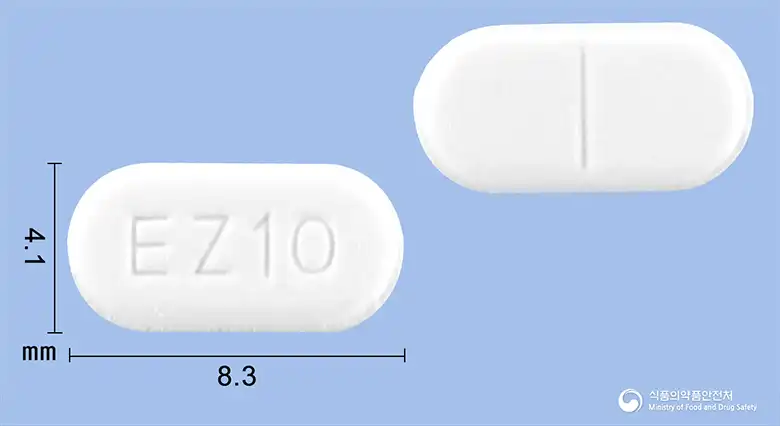
Ezetimibe 10mg
Tablet · Prescription medication
Korea Organon Co., Ltd.
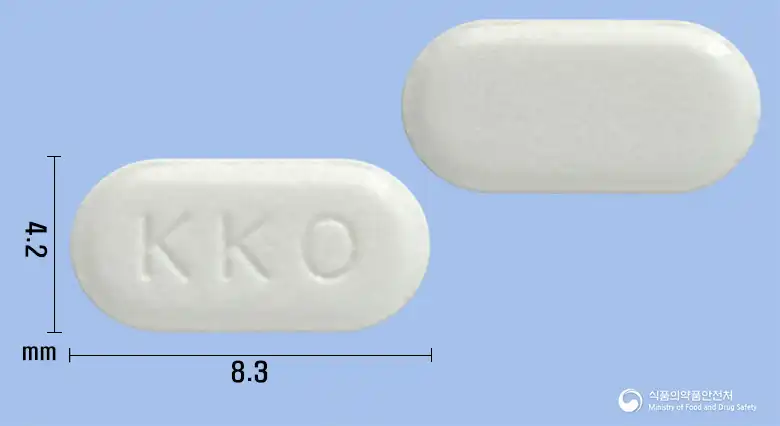
Ezetimibe 10mg
Tablet · Prescription medication
Hanmi Pharmaceutical Co., Ltd.
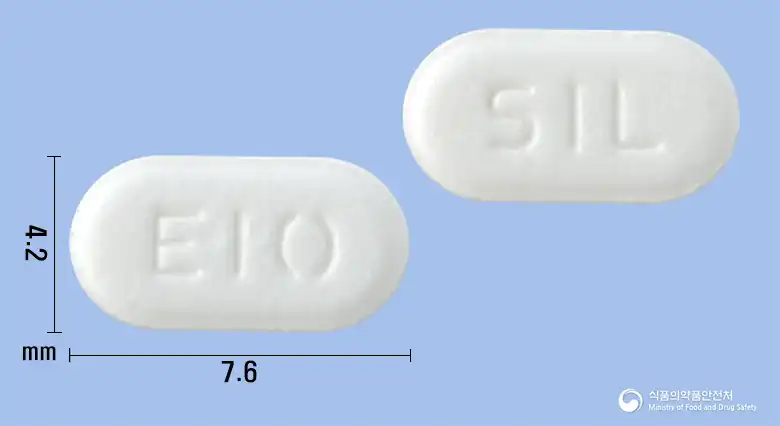
Ezetimibe 10mg
Tablet · Prescription medication
Genewon Science Co., Ltd.
Ezetimibe 10mg
Tablet · Prescription medication
Shin Il Pharmaceutical Co., Ltd.
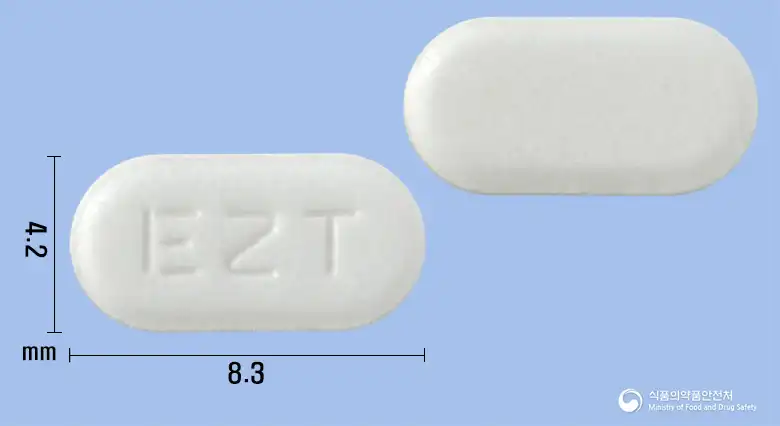
Ezetimibe 10mg
Tablet · Prescription medication
Korea Hutech Pharmaceutical Co., Ltd.
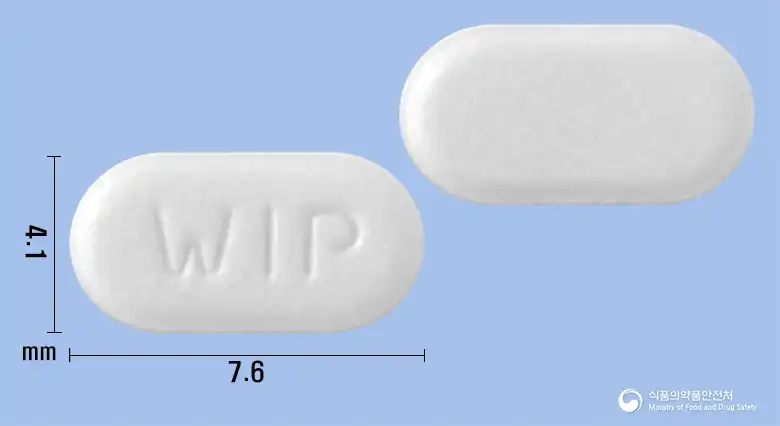
Ezetimibe 10mg
Tablet · Prescription medication
Hwanin Pharmaceutical Co., Ltd.
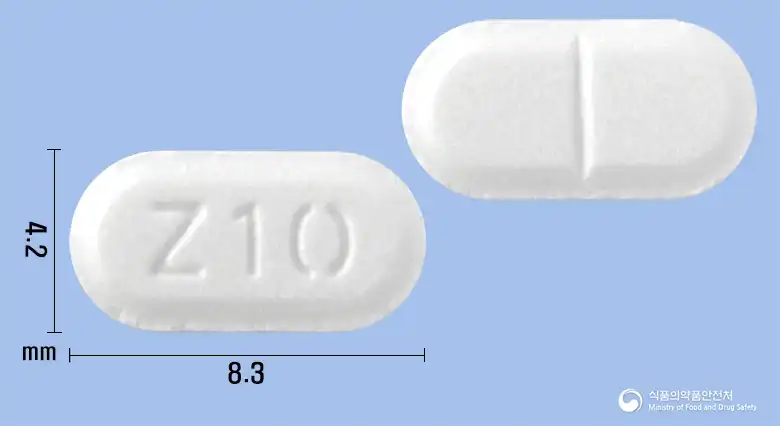
Ezetimibe 10mg
Tablet · Prescription medication
Jinyang Pharmaceutical Co., Ltd.
Even with the same ingredient, the dose and directions can differ by strength and dosage form. Talk to a doctor or pharmacist before switching from a medication you are already taking.
No questions yet.
For anything that needs medical judgment, consult a doctor or pharmacist.
This drug information is based on data provided by the Korea Ministry of Food and Drug Safety.
Consult a doctor or pharmacist for accurate dosage, administration, and usage instructions.