
 한국어
한국어 English
 日本語
日本語 中文(简体)
 Viewing nowCombination
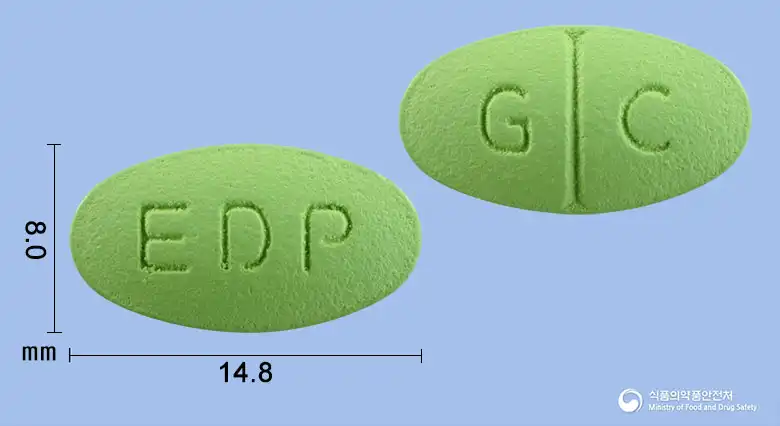
Silorin Tablet (Cilostazol, Ginkgo Biloba Extract)
Cilostazol 100mg · Ginkgo Biloba Leaf Dried Extract 80mg
Tablet · Prescription medication · Combination
Eden Pharma Co., Ltd.
MFDS item code 201902576 · Approved 2019.04.24 · Insurance code 628901260
Improvement of chronic arterial occlusive disease (ulcers, pain, etc.) and prevention of recurrence of cerebral infarction
Cilostazol can be used in combination with Ginkgo Biloba Extract to treat ischemic symptoms such as ulcers, pain, and cold sensation related to chronic arterial occlusive disease when cilostazol monotherapy is insufficient. Additionally, this combination therapy helps prevent recurrence after a cerebral infarction occurs. This combination therapy is expected to have positive effects on symptom relief and recurrence prevention.
The dosing regimen consists of administering cilostazol 100 mg and ginkgo biloba extract 80 mg combined, twice a day. Typically, it is taken orally as 1 tablet twice a day.
This medication contains ingredients that improve blood circulation and inhibit platelet aggregation, which can benefit vascular health. However, it may cause an increase in heart rate, leading to symptoms such as chest pain from angina, so caution is needed. It should not be administered to patients at high risk of bleeding or those with recent hemorrhagic disorders or who have undergone surgery. Patients with heart failure or a history of allergic reactions to this medication should also avoid it. Women who are pregnant or breastfeeding should refrain from taking this medication, and patients with lactose intolerance should proceed with caution. Patients taking anticoagulants or antiplatelet agents, which increase the risk of bleeding, should closely monitor for the possibility of bleeding while using this medication. Additionally, patients with heart disease or impaired kidney and liver function, as well as diabetic patients, should take it cautiously. This medication can cause various side effects, including bleeding, blood abnormalities, interstitial pneumonia, and cardiovascular issues. Skin rashes, dyspepsia, headaches, dizziness, and arrhythmias have also been reported, so any unusual symptoms should prompt immediate consultation with a physician. Caution is advised as this medication can cause dizziness when driving or operating machinery. As it is metabolized by the liver, it may raise blood concentration levels and increase the risk of side effects when taken with certain other drugs, so caution is warranted when used in combination. Pregnant or breastfeeding women should avoid use, and children or the elderly may need dosage adjustments. In case of overdose, severe headaches, diarrhea, hypotension, and arrhythmias may occur, requiring immediate medical attention. This medication should be stored in a tightly closed container, protected from light, and kept in a cool, dry place out of reach of children.
Hives, severe swelling, chest tightness, difficulty breathing, cold sweat, pallor, high fever, severe rashes, blisters, skin peeling, oral mucosal pain, eye mucosal pain, shortness of breath or difficulty breathing, asthma attacks, respiratory abnormalities accompanied by cough and fever, yellowing of the skin or eyes, general malaise, sudden and very severe headaches, thunderclap headaches, seizures, confusion of consciousness, visual disturbances, paralysis, significantly decreased urine output,
Not everyone experiences these, and they can vary from person to person.
This medication should be stored in a tightly closed container to protect it from air and moisture, preferably at a temperature between 1°C and 30°C. This storage method helps maintain its efficacy and prevent deterioration.
Green egg-shaped film-coated tablet
30 tablets/bottle, 300 tablets/bottle
Even with the same ingredient, strength, dosage form and how it is taken can differ.
Viewing nowCombinationCilostazol 100mg · Ginkgo Biloba Leaf Dried Extract 80mg
Tablet · Prescription medication · Combination
Eden Pharma Co., Ltd.
 Combination
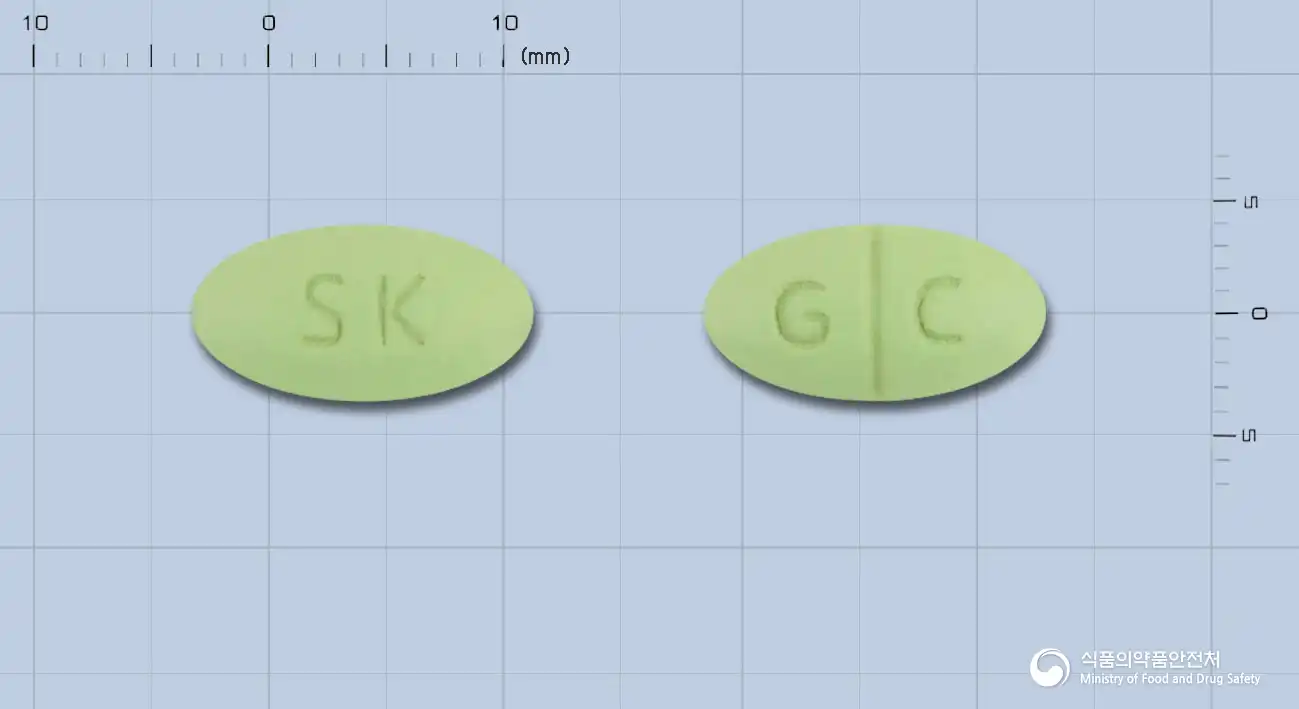
Cilostazol 100mg · Ginkgo Biloba Leaf Dried Extract 80mg
Tablet · Prescription medication · Combination
SK Chemical Co., Ltd.
Cilostazol · Ginkgo Biloba Leaf Dried Extract
Prescription medication · Combination
Korea Prime Pharmaceuticals Co., Ltd.
 Combination
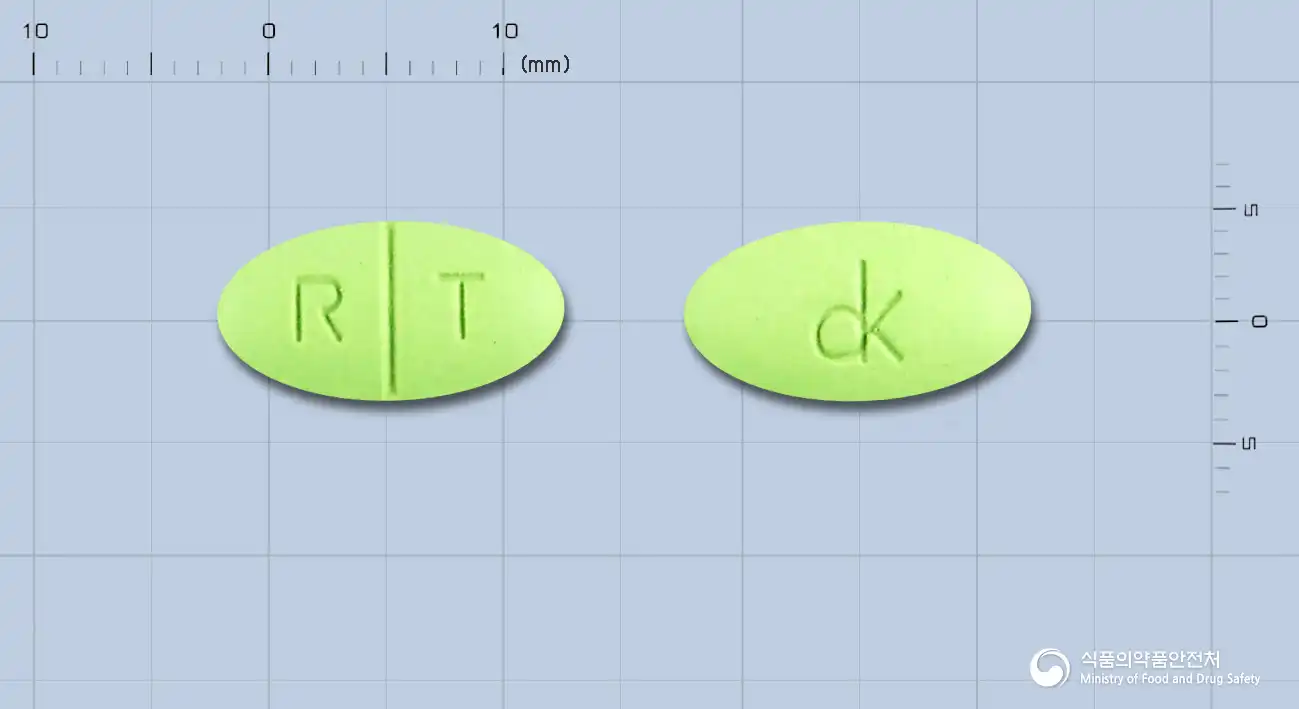
Cilostazol 100mg · Ginkgo Biloba Leaf Dried Extract 80mg
Tablet · Prescription medication · Combination
Dongguk Pharmaceutical Co., Ltd.
 Combination
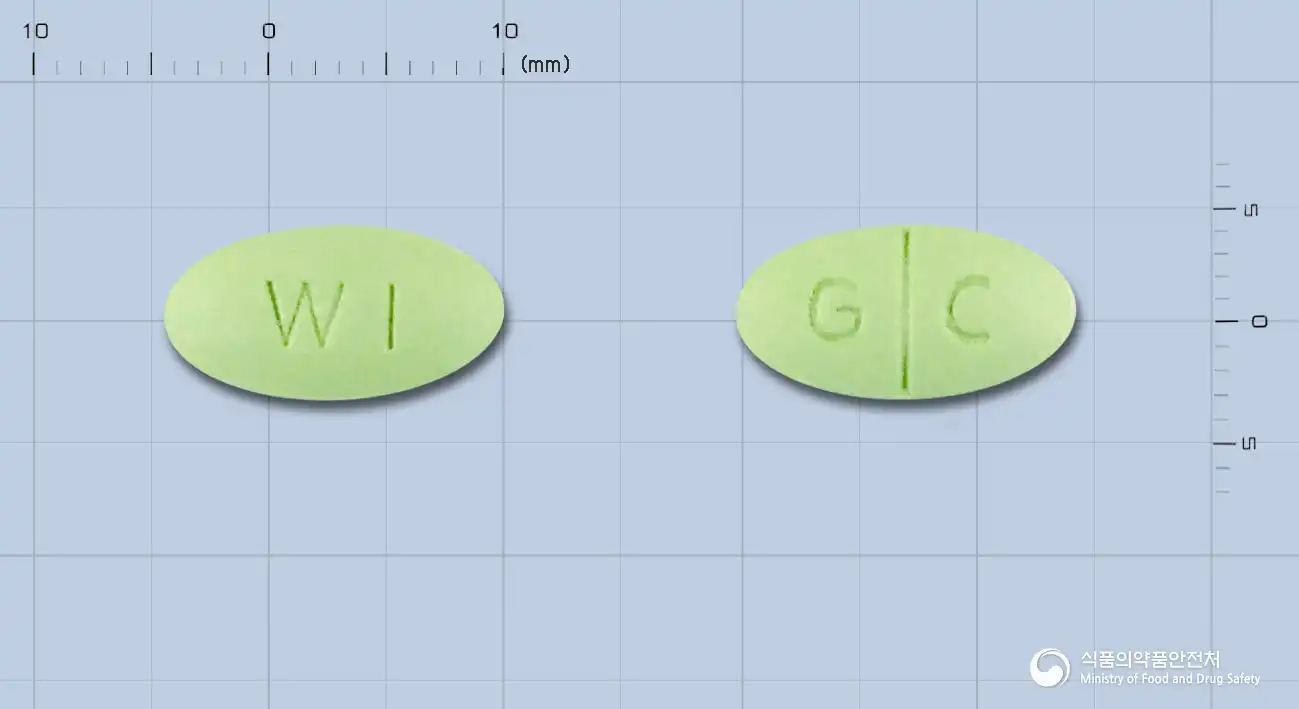
Cilostazol 100mg · Ginkgo Biloba Leaf Dried Extract 80mg
Tablet · Prescription medication · Combination
Hanin Pharmaceutical Co., Ltd.
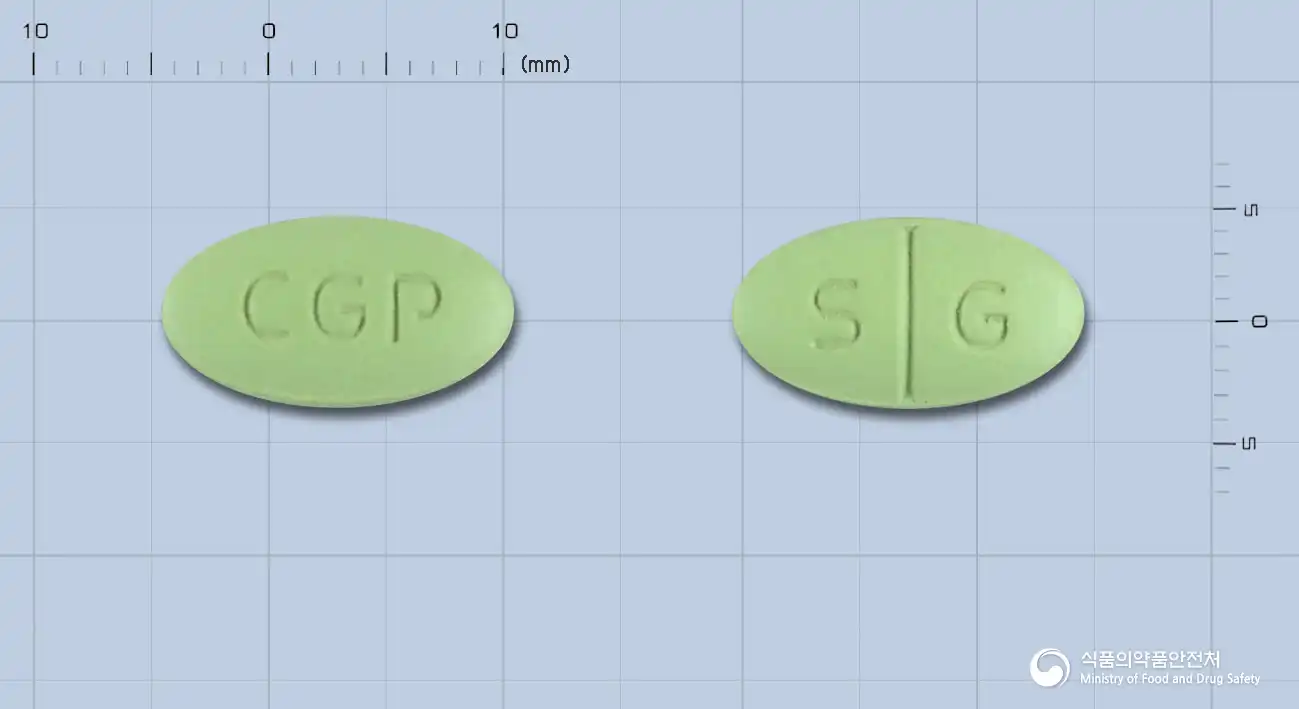 Combination
Cilostazol 100mg · Ginkgo Biloba Leaf Dried Extract 80mg
Tablet · Prescription medication · Combination
Aprogen Biosciences, Inc.
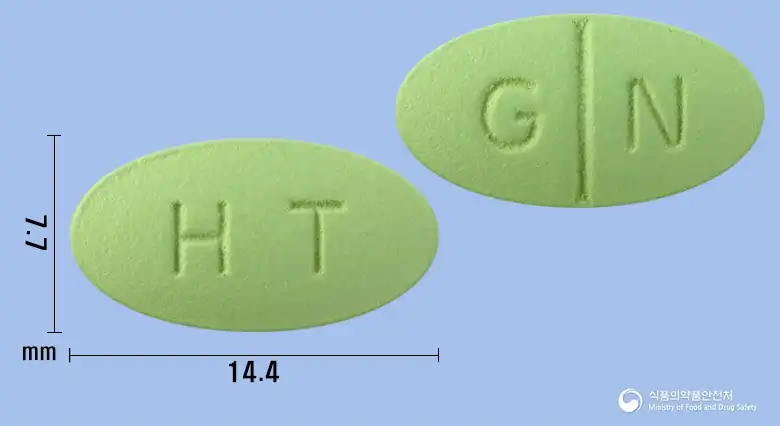 Combination
Cilostazol 100mg · Ginkgo Biloba Leaf Dried Extract 80mg
Tablet · Prescription medication · Combination
Korea Hyutech Pharmaceutical Co., Ltd.
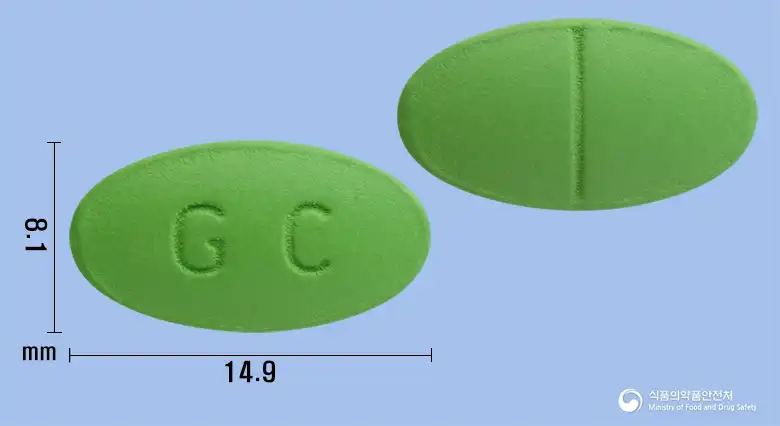 Combination
Cilostazol 100mg · Ginkgo Biloba Leaf Dried Extract 80mg
Tablet · Prescription medication · Combination
Genupharm Co., Ltd.
Even with the same ingredient, the dose and directions can differ by strength and dosage form. Talk to a doctor or pharmacist before switching from a medication you are already taking.
No questions yet.
For anything that needs medical judgment, consult a doctor or pharmacist.
This drug information is based on data provided by the Korea Ministry of Food and Drug Safety.
Consult a doctor or pharmacist for accurate dosage, administration, and usage instructions.