
 한국어
한국어 English
 日本語
日本語 中文(简体)
 Viewing now
Motilium 1 mg (Prucalopride Succinate)
Prucalopride Succinate 1.321mg
Tablet · Prescription medication
Youyu Pharmaceutical Co., Ltd.
MFDS item code 201902573 · Approved 2019.04.24
Improvement of chronic constipation symptoms
This medication is used to assist adult patients with chronic constipation symptoms who have failed to relieve their symptoms with laxatives.
This medication is administered orally and can be taken at any time of day, with or without meals. Adults should take 2 mg once daily. Seniors over 65 years of age should start with an initial dose of 1 mg once daily, and may increase to 2 mg once daily as needed. For patients with severe renal impairment (GFR < 30 ml/min/1.73 m2) and severe hepatic impairment (Child-Pugh class C), the dose is 1 mg once daily.
This medication should not be administered to certain patients. For example, it should not be used in patients who are allergic to the main ingredient or additives of this medication, those with severely impaired kidney function requiring dialysis, patients with structural or functional problems in the intestines leading to obstruction or perforation, and patients with genetic conditions such as lactose intolerance. For patients with severely impaired kidney function or other serious conditions affecting the heart, liver, lungs, or nervous system, the dose of this medication should be reduced and carefully monitored. In particular, patients with a history of arrhythmia or ischemic heart disease should use this medication more cautiously, and patients with severely impaired liver function should also be administered a lower dose. Common gastrointestinal symptoms such as headache, abdominal pain, nausea, and diarrhea may occur during treatment with this medication, particularly at the beginning of treatment, and they usually resolve naturally over time. Rarely, symptoms such as palpitations, fatigue, and dizziness have been reported, so it is important to consult a doctor if these symptoms appear. Severe diarrhea may reduce the effectiveness of oral contraceptives, so it is recommended to use additional contraceptive methods. This medication has a low potential for drug interactions, but caution is needed when used with certain medications, as blood concentration levels may change. Particularly, caution should be exercised when used in combination with drugs that may prolong the QT interval. Use of this medication is not recommended during pregnancy, and women of childbearing age should use effective contraceptive methods during treatment. Nursing women are also advised to avoid using this medication. It is safe to avoid using this medication in children and teenagers under 18 years of age. Overdose may result in headache, nausea, diarrhea, etc., and appropriate treatment is required depending on the symptoms. Care should be taken when driving or operating machinery after taking this medication, as dizziness or fatigue may occur. Finally, this medication should be kept out of the reach of children and stored in its original container away from moisture.
Headache, gastrointestinal symptoms (abdominal pain, nausea, diarrhea), dizziness, tremor, palpitations, vomiting, dyspepsia, rectal bleeding, distension, abnormal bowel sounds, frequent urination, fatigue, fever, malaise, abdominal bloating, abdominal discomfort, gastroesophageal reflux disease, rectal pain, hemorrhoid, functional gastrointestinal disorder, loose stools, esophagitis, duodenal ulcer, nasopharyngitis, bronchitis, herpes zoster, athlete's foot, bacterial vaginosis, bacterial bronchitis, facial swelling, chest
Not everyone experiences these, and they can vary from person to person.
This medication is sensitive to light and should be stored in a container that protects it from light. Additionally, it should be kept in a cool, dry place, at a temperature between 1°C and 30°C. Proper storage will help maintain the safety and effectiveness of the medication.
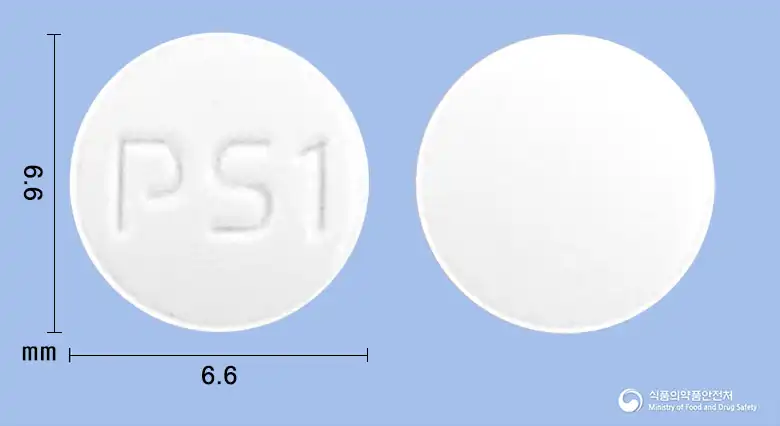
White round film-coated tablet
28 tablets (7 tablets/PTPX4) per box
Even with the same ingredient, strength, dosage form and how it is taken can differ.
Viewing nowPrucalopride Succinate 1.321mg
Tablet · Prescription medication
Youyu Pharmaceutical Co., Ltd.

Prucalopride Succinate 1.321mg
Tablet · Prescription medication
Hanmi Menarini Co., Ltd.

Prucalopride Succinate 2.642mg
Tablet · Prescription medication
Korea Menarini Co., Ltd.
Prucalopride Succinate 1.321mg
Tablet · Prescription medication
Genewon Science Co., Ltd.
Prucalopride Succinate 2.642mg
Tablet · Prescription medication
Genewell Science Co., Ltd.

Prucalopride Succinate 2.642mg
Tablet · Prescription medication
Yooyoung Pharmaceutical Co., Ltd.

Prucalopride Succinate 1.321mg
Tablet · Prescription medication
YuYoung Pharmaceutical Co., Ltd.
Prucalopride Succinate 1.321mg
Tablet · Prescription medication
Huons Co., Ltd.
Even with the same ingredient, the dose and directions can differ by strength and dosage form. Talk to a doctor or pharmacist before switching from a medication you are already taking.
No questions yet.
For anything that needs medical judgment, consult a doctor or pharmacist.
This drug information is based on data provided by the Korea Ministry of Food and Drug Safety.
Consult a doctor or pharmacist for accurate dosage, administration, and usage instructions.