
 한국어
 English
 日本語
 中文(简体)
Dosage form image
Viewing nowDexpro Tablet 300 mg (Dexibuprofen)
Dexibuprofen 300mg
Tablet · OTC medication
Jeongwoo Pharmaceutical Co., Ltd.
MFDS item code 201902257 · Notified 2019.04.12
This product's status changed to Expired on 2024.04.12. It may no longer be sold, so consult a doctor or pharmacist before taking it.
Relief of pain and inflammation after trauma or surgery, relief of joint disorders, and adjunctive treatment of infections
This medication is used for various joint-related diseases including chronic multiple arthritis, rheumatoid arthritis, osteoarthritis, and ankylosing spondylitis. It also helps alleviate pain, swelling, and inflammation that may occur after trauma or surgery. Additionally, it is effective as an adjunct treatment for infections accompanied by inflammation, pain, and fever. Therefore, this medication is widely used for the improvement of joint diseases and related symptoms.
○ Adults: Administer dexibuprofen 300 mg orally per dose, 2~4 times daily. Do not exceed 1,200 mg of dexibuprofen per day.
This medication should be taken with caution by individuals who regularly consume more than 3 alcoholic drinks per day; they must consult a physician or pharmacist before use. The risk of gastrointestinal bleeding may increase when taken with alcohol. This medication may increase the risk of cardiovascular disease; individuals with a history of heart disease or stroke or those with risk factors should exercise particular caution. If cardiovascular symptoms appear, consult a physician immediately. This medication can cause serious gastrointestinal side effects such as gastrointestinal bleeding, ulcers, and perforations, especially in the elderly or those with a history of gastrointestinal disorders. If gastrointestinal pain or bleeding occurs during use, discontinue use immediately and consult a healthcare provider. Patients with gastrointestinal ulcers, bleeding, severe liver or kidney dysfunction, severe heart failure, hypertension, and those allergic to this medication or its components should not take this medication. Caution is advised to avoid taking this medication in conjunction with aspirin or other non-steroidal anti-inflammatory drugs due to the increased risk of gastrointestinal bleeding. It should not be taken with high doses of methotrexate. During treatment, breastfeeding should be avoided, and caution is required when driving or operating machinery due to potential dizziness or fatigue. Long-term use at high doses may cause headaches. Patients with blood disorders, liver or kidney diseases, cardiovascular diseases, hypertension, or a history of hypersensitivity should consult with healthcare providers before use. It is also important to inform healthcare providers of other medications that may interact with this medication. If symptoms of shock, severe allergic reaction, gastrointestinal bleeding, severe skin rash, liver dysfunction, kidney impairment, or neurological symptoms occur, discontinue use immediately and consult a healthcare provider. This medication should be used at the minimum necessary dose for the shortest duration possible, and regular blood and liver and kidney function tests are necessary during long-term use. Special attention is required for the elderly or patients with chronic illnesses regarding potential adverse reactions. Pregnant women, especially those in their sixth month or later, should avoid this medication as it may pose risks to the fetus. If taken during the second trimester, it should be done after consulting a healthcare provider due to risks such as oligohydramnios. In case of overdose, seek medical help immediately, even if symptoms are not present. This medication should be kept out of reach of children and stored in a cool, dry place away from direct sunlight, ensuring it is tightly sealed. It is preferable to avoid transferring it to another container.
Not everyone experiences these, and they can vary from person to person.
This medication may be sensitive to air or moisture and must be stored in a tightly sealed container. Additionally, avoid extremely hot or cold conditions; it is best stored at room temperature between 1 and 30 degrees Celsius.
Pink rectangular film-coated tablet
30 tablets/bottle, 300 tablets/bottle
Even with the same ingredient, strength, dosage form and how it is taken can differ.
Dexibuprofen 300mg
Tablet · OTC medication
Jeongwoo Pharmaceutical Co., Ltd.
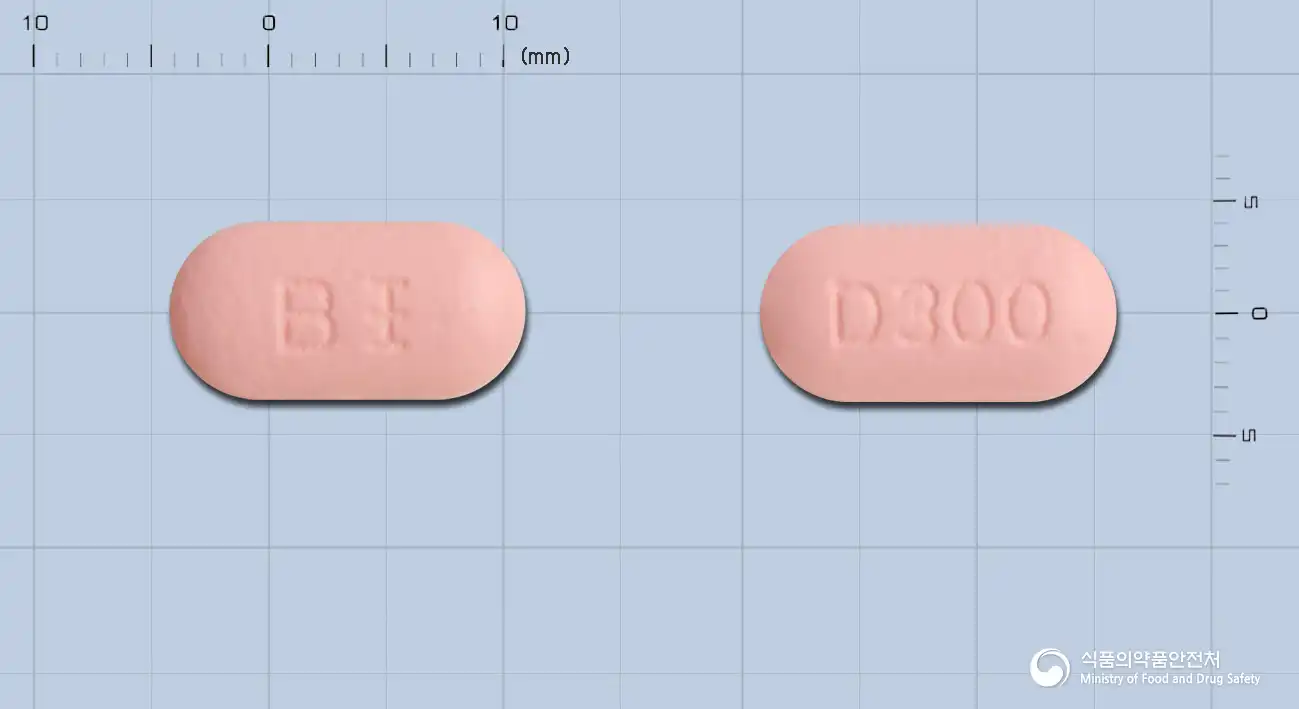
Dexibuprofen 300mg
Tablet · OTC medication
Bionex Co., Ltd.

Dexibuprofen 300mg
Tablet · OTC medication
Anguk Pharmaceutical Co., Ltd.
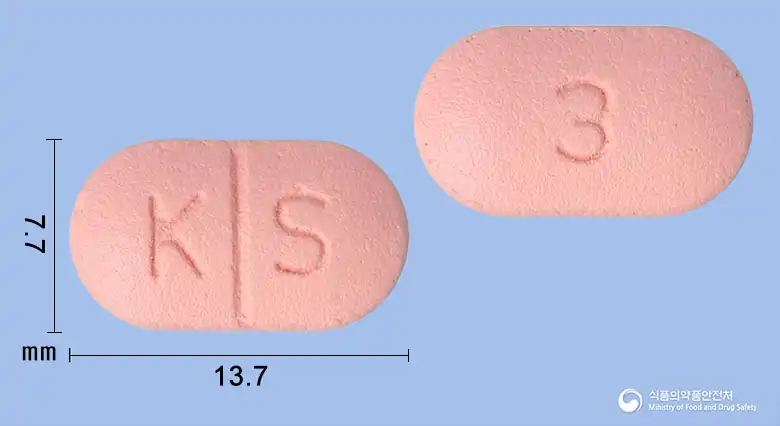
Dexibuprofen 300mg
Tablet · OTC medication
Aprogen Pharmaceuticals, Co., Ltd.
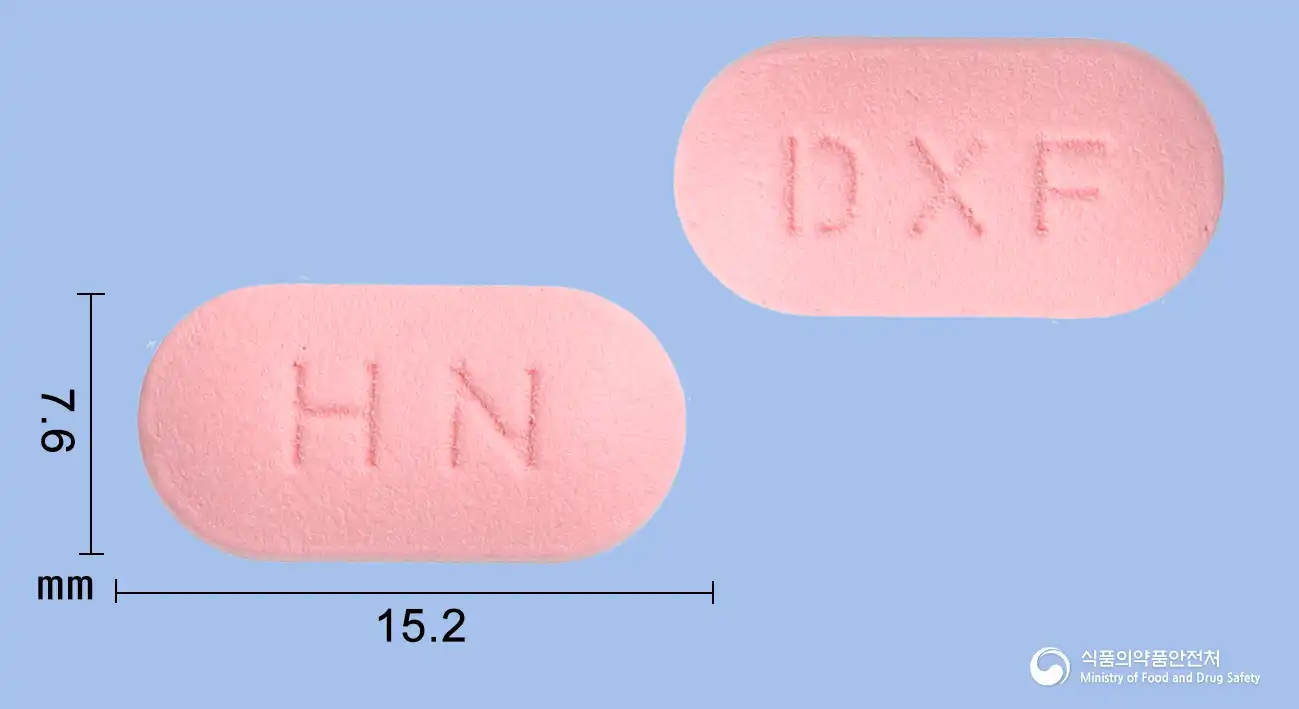
Dexibuprofen 300mg
Tablet · OTC medication
Hana Pharmaceutical Co., Ltd.
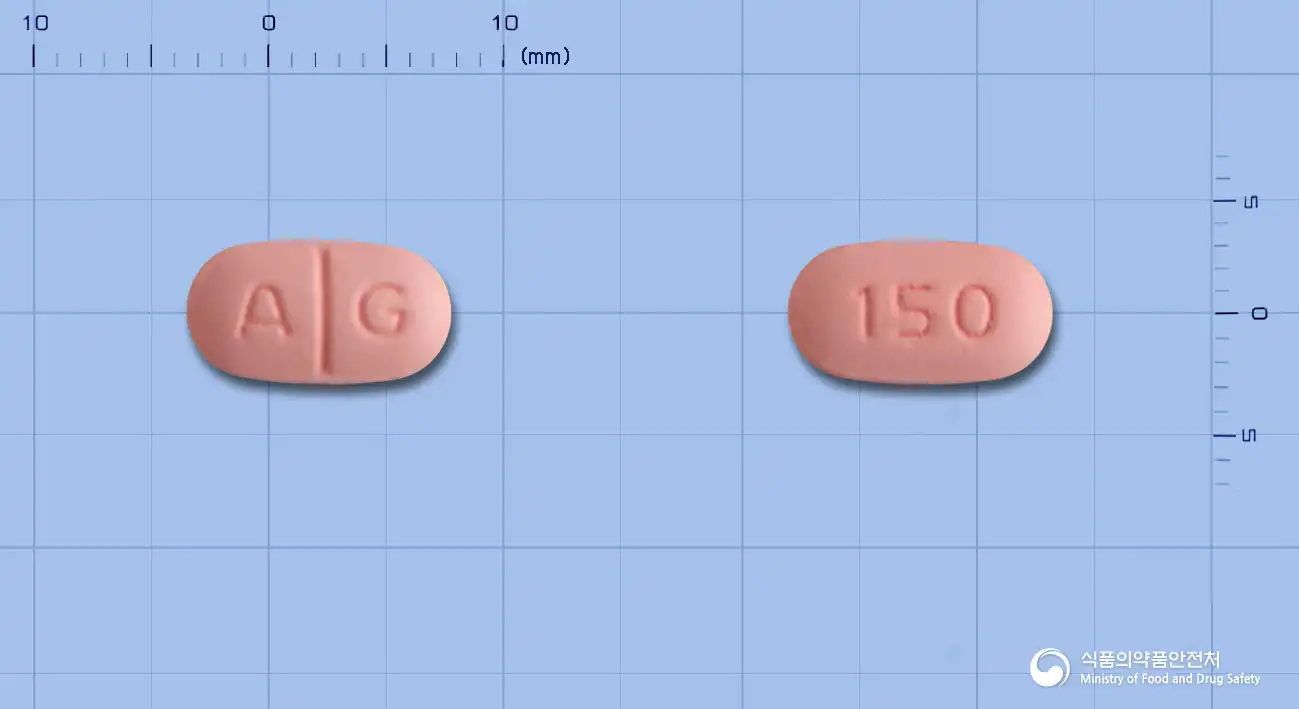
Dexibuprofen 150mg
Tablet · OTC medication
Anguk Pharm Co., Ltd.
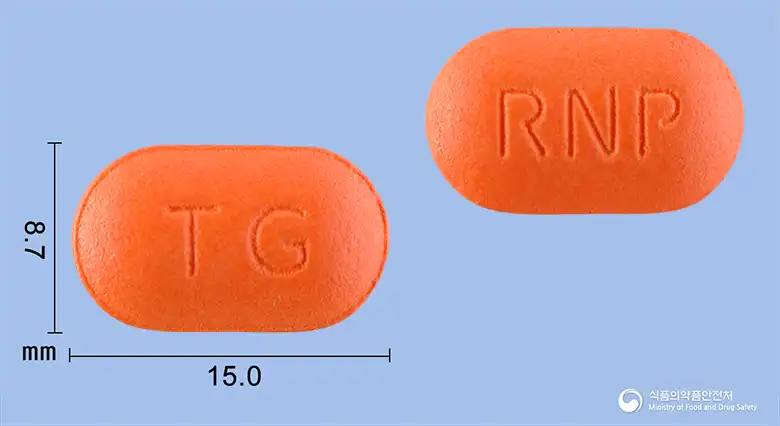
Dexibuprofen 300mg
Tablet · OTC medication
Taeguk Pharmaceutical Co., Ltd.
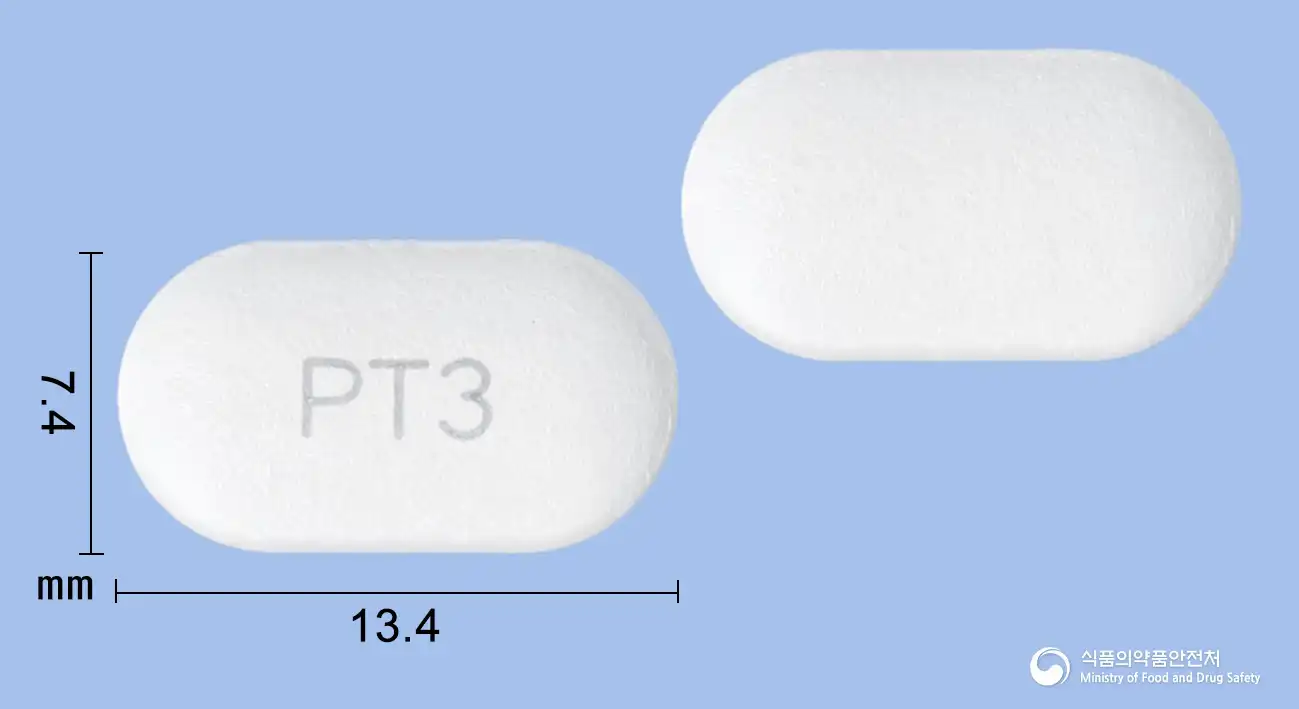
Dexibuprofen 300mg
Tablet · OTC medication
Genupharm Co., Ltd.
Even with the same ingredient, the dose and directions can differ by strength and dosage form. Talk to a doctor or pharmacist before switching from a medication you are already taking.
No questions yet.
For anything that needs medical judgment, consult a doctor or pharmacist.
This drug information is based on data provided by the Korea Ministry of Food and Drug Safety.
Consult a doctor or pharmacist for accurate dosage, administration, and usage instructions.