
 한국어
한국어 English
 日本語
日本語 中文(简体)
Dosage form image
Viewing nowCombinationGlyzenta Duo Tablet 2.5/1000 mg
Linagliptin 2.5mg · Metformin Hydrochloride 1000mg
Tablet · Prescription medication · Combination
Ajou Pharmaceutical Co., Ltd.
MFDS item code 201902223 · Approved 2019.04.11
Improvement in blood glucose control for type 2 diabetes
This medication helps control blood glucose levels in patients with type 2 diabetes who are suitable for combined use of Linagliptin and Metformin. Used in conjunction with diet and exercise therapy, it significantly aids in blood glucose management. This is used to effectively lower blood glucose levels and improve diabetes symptoms.
This medication is taken twice daily with meals. To minimize gastrointestinal side effects associated with Metformin, dosage increases should be gradual. 1. If not previously treated with Metformin: Start with this medication at a dosage of 2.5/500 mg twice daily, taking one tablet each time, and can increase to 2.5/1000 mg twice daily, one tablet each time. 2. If blood glucose control is insufficient with Metformin monotherapy.
This medication may cause a rare but serious side effect known as lactic acidosis, thus it should not be used in patients with kidney dysfunction or acute illnesses. Patients with allergies to the main ingredient or constituents of this medication, patients with type 1 diabetes, patients with severely impaired kidney or liver function, those in a state of severe dehydration or infection should not take this medication. When used together with medications that pose a risk of hypoglycemia, blood glucose levels should be monitored closely, and doses of those medications may need to be adjusted as necessary. Since kidney function is critical, regular kidney function tests should be conducted before and during treatment, especially in elderly patients or those with mild renal impairment. Patients with compromised heart function should frequently check their heart and kidney status when using this medication, and if acute pancreatitis or vesicular skin conditions are suspected, use should be stopped immediately and consulted with healthcare professionals. Gastrointestinal disturbances such as diarrhea, abdominal pain, and vomiting may occur during treatment; if these symptoms are severe, consult a physician. Pregnant or breastfeeding women are advised not to take this medication, and those planning to become pregnant should definitely consult their doctor. This medication is not recommended for children under 10 years of age, as its safety and efficacy in this population have not been established. Elderly patients may have decreased kidney function, so the dose of this medication should be carefully adjusted and kidney function monitored regularly. This medication may interact with other drugs, so if patients are taking other medications, they must inform their healthcare providers, as caution is warranted when taken together. In case of overdose, lactic acidosis may occur, so immediate medical attention should be sought, and hemodialysis may be necessary. This medication should be kept out of the reach of children, stored in a dry place, and not transferred to a different container.
Urticaria, severe swelling (edema), severe allergic reactions, lactic acidosis, severe skin adverse reactions, severe rashes associated with high fever, blisters, peeling skin, pain in oral/eye mucosa, difficulty breathing or shortness of breath, asthma attacks, respiratory abnormalities with cough and fever, yellowing of the skin or eyes (jaundice), severe systemic lethargy, hepatic abnormalities (jaundice), sudden and severe headaches, thunderclap headaches, seizures, confusion.
Not everyone experiences these, and they can vary from person to person.
This medication is sensitive to air and moisture, so it must be stored in a sealed container. It's important to maintain a storage temperature between 1 to 30 degrees Celsius.
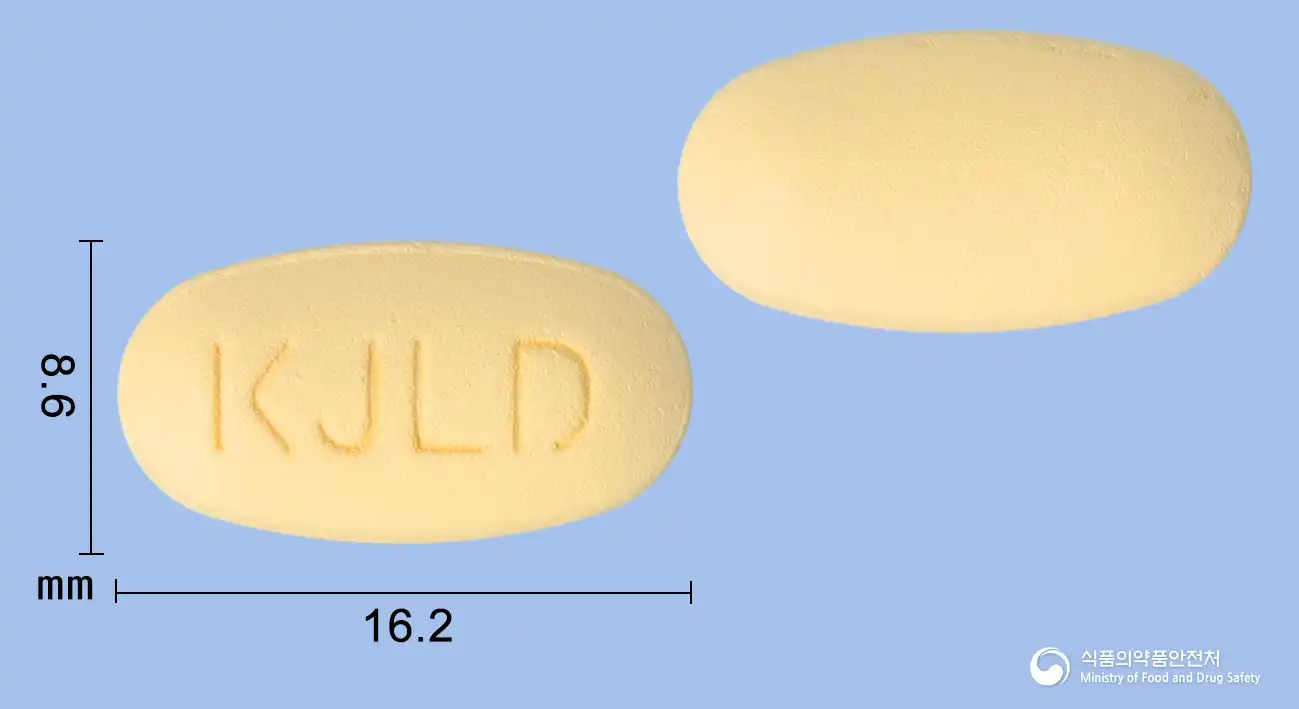
Bright pink, oval film-coated tablet with a convex shape on both sides
10 tablets/bottle, 30 tablets/bottle, 60 tablets/bottle, 100 tablets/bottle, 200 tablets/bottle, 30 tablets/box (10 tablets/PTP×3)
Even with the same ingredient, strength, dosage form and how it is taken can differ.
Linagliptin 2.5mg · Metformin Hydrochloride 1000mg
Tablet · Prescription medication · Combination
Ajou Pharmaceutical Co., Ltd.
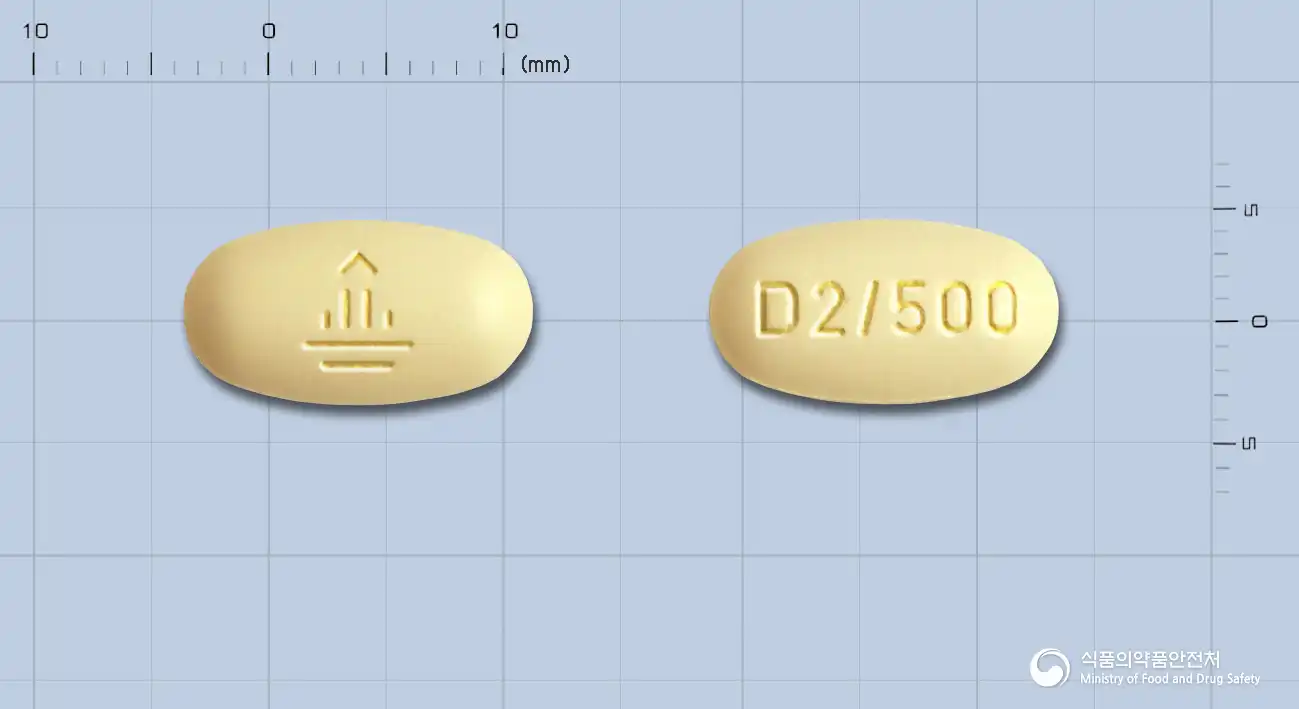 Combination
Linagliptin 2.5mg · Metformin Hydrochloride 500mg
Tablet · Prescription medication · Combination
Boehringer Ingelheim Korea Co., Ltd.
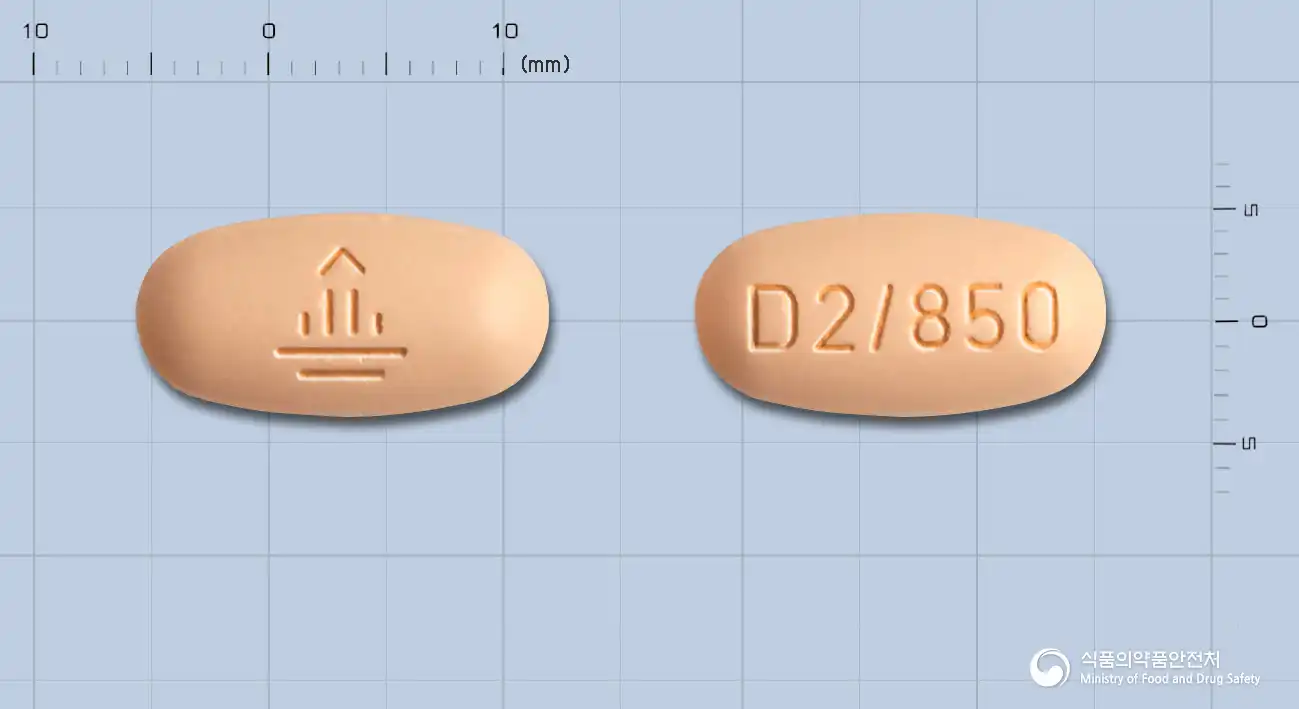 Combination
Linagliptin 2.5mg · Metformin Hydrochloride 850mg
Tablet · Prescription medication · Combination
Boehringer Ingelheim Korea Co., Ltd.
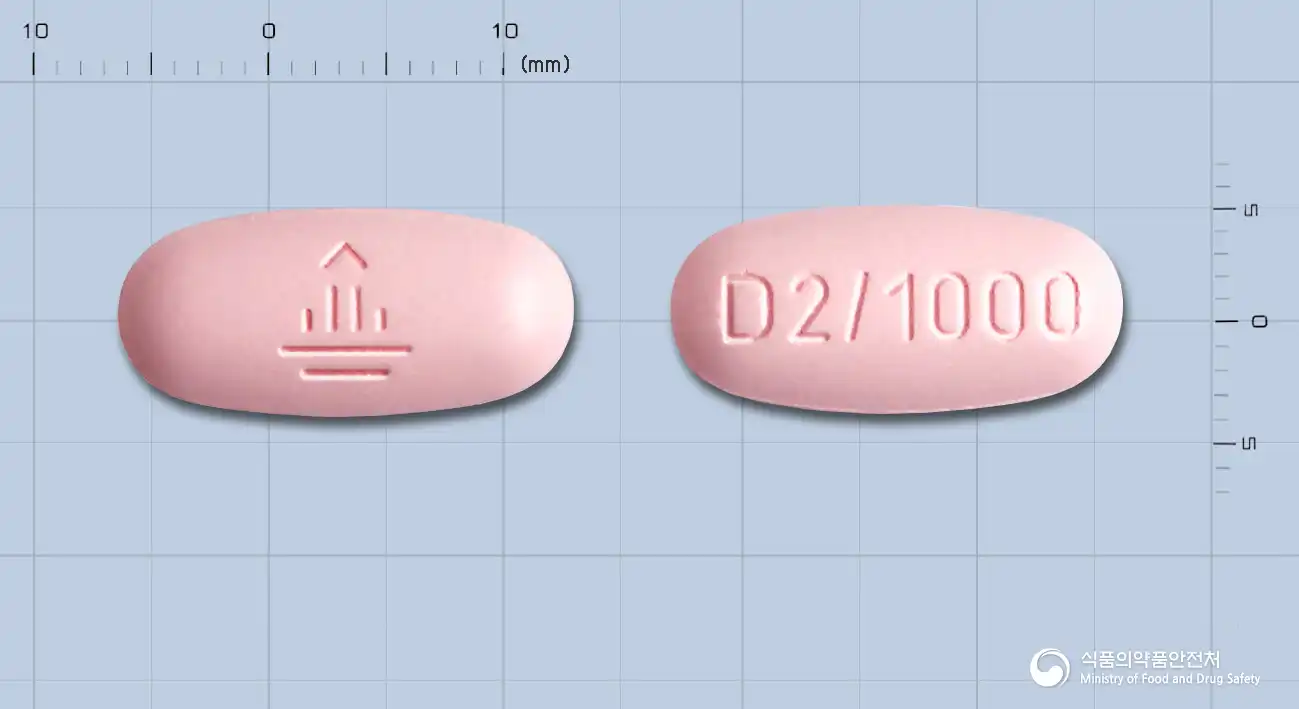 Combination
Linagliptin 2.5mg · Metformin Hydrochloride 1000mg
Tablet · Prescription medication · Combination
Boehringer Ingelheim Korea Co., Ltd.
Linagliptin 2.5mg · Metformin Hydrochloride 1000mg
Tablet · Prescription medication · Combination
Anguk Pharm Co., Ltd.
Linagliptin 2.5mg · Metformin Hydrochloride 1000mg
Prescription medication · Combination
Hanmi Pharmaceutical Co., Ltd.
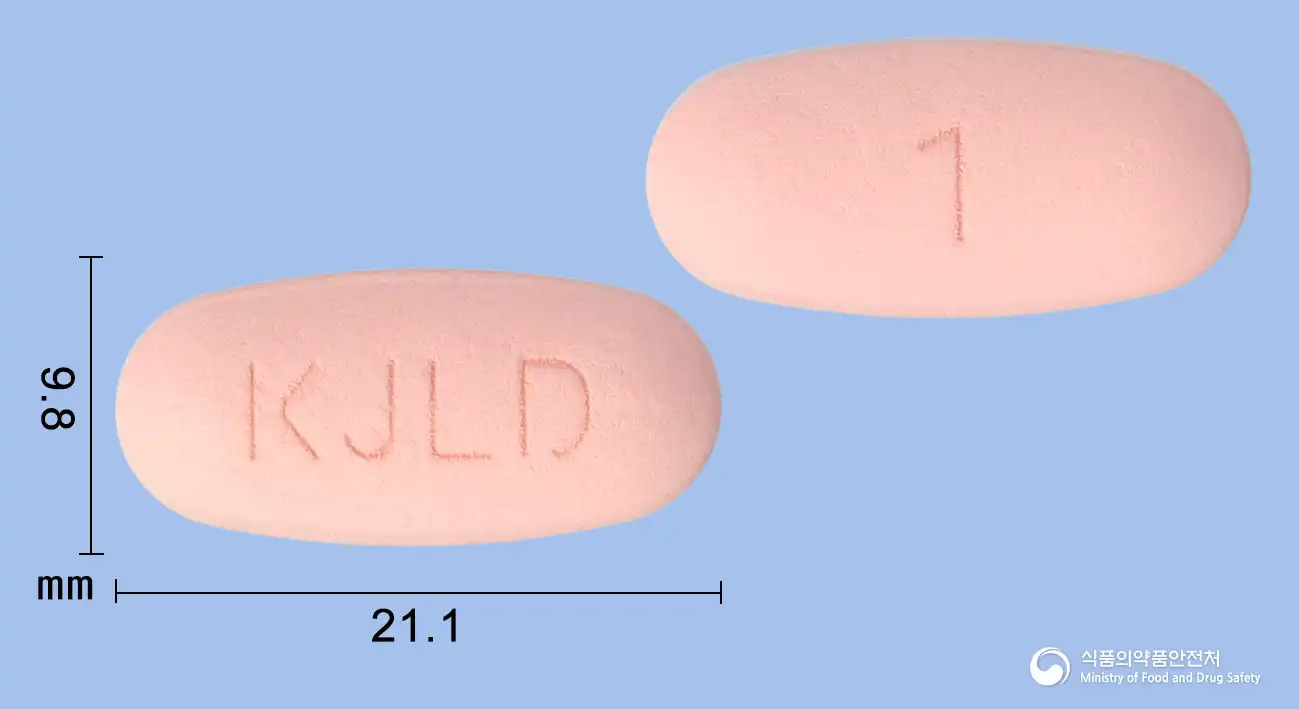 Combination
Linagliptin 2.5mg · Metformin Hydrochloride 1000mg
Tablet · Prescription medication · Combination
Kukje Pharmaceutical Co., Ltd.
 Combination
Linagliptin 2.5mg · Metformin Hydrochloride 500mg
Tablet · Prescription medication · Combination
International Pharmaceutical Co., Ltd.
Even with the same ingredient, the dose and directions can differ by strength and dosage form. Talk to a doctor or pharmacist before switching from a medication you are already taking.
No questions yet.
For anything that needs medical judgment, consult a doctor or pharmacist.
This drug information is based on data provided by the Korea Ministry of Food and Drug Safety.
Consult a doctor or pharmacist for accurate dosage, administration, and usage instructions.