
 한국어
 English
 日本語
 中文(简体)
Dosage form image
Viewing nowJungheon Atenolol Tablet 50mg
Atenolol 50mg
Tablet · Prescription medication
Jungheon Pharmaceutical Co., Ltd.
MFDS item code 201902095 · Approved 2019.04.05
This product's status changed to Expired on 2024.04.05. It may no longer be sold, so consult a doctor or pharmacist before taking it.
Treatment of hypertension and angina
This medication is used for the treatment of hypertension and angina pectoris.
1. Hypertension: The initial dose for adults is 50mg of atenolol once daily, administered orally alone or in combination with a diuretic (thiazide). If an effect is not achieved within 1~2 weeks, increase the dose to 100mg once daily. Do not exceed 100mg per day. 2. Angina: Administer 100mg of this drug per day in 1~2 divided doses. Do not exceed 100mg per day. 3. Patients with renal impairment Creatinine clearance (ml/min/1.73㎡) Dose 15 ~35 50mg per day <15 25mg per day or 50mg every 2 days Adjust the dose as appropriate according to age and symptoms.
This drug should not be used in certain patients. For example, those who are allergic to the active ingredients or excipients of this medication, those with severe asthma or chronic pulmonary disease, those with severe bradycardia or atrioventricular block, and those with severe heart failure or pulmonary hypertension may be at risk if they take this drug. Also, people with certain metabolic diseases such as diabetic ketoacidosis or metabolic acidosis should avoid using this medication. Patients with genetic problems like lactose intolerance should not take this medication. Caution should be exercised when using this medication in patients who may experience asthma or bronchospasm, those at risk of heart failure, patients with uncontrolled diabetes, and those with severe liver or kidney dysfunction. Elderly patients should start at a low dose and be closely monitored. While taking this medication, side effects such as skin rash, itching, dry eyes or visual disturbances, reduced heart rate, hypotension, dizziness, fatigue, dyspepsia, and dyspnea may occur, and if these symptoms arise, patients should consult their doctor immediately. Regular checks of heart function, blood pressure, liver, and kidney function should be conducted during prolonged use, and it is important not to stop taking this medication suddenly but to taper off gradually according to a doctor's instructions. Abrupt discontinuation may exacerbate cardiac-related symptoms. Activities requiring attention, such as driving or operating machinery, should be approached with caution when starting this medication, as it may cause dizziness. This medication can interact with other drugs; therefore, patients must inform their doctor when taking insulin, diabetes medications, calcium channel blockers, certain antiarrhythmics, anesthetics, etc., and use caution. Pregnant or lactating women must consult with their doctor before taking this medication, as it may affect the fetus or newborn and requires special caution. Safety for use in children has not been established, so it should be used with caution in children. In cases of overdose, severe bradycardia, heart failure, hypotension, bronchospasm, hypoglycemia may occur, and immediate emergency treatment should be sought. This medication should be stored out of the reach of children and protected from high temperatures above 25 degrees Celsius.
Not everyone experiences these, and they can vary from person to person.
This medication should be stored in a tightly closed container to protect it from air and moisture. It is advisable to maintain the storage temperature between 1 degree and 30 degrees Celsius to safely preserve the drug's efficacy.
White round film-coated tablet
30 tablets/bottle, 500 tablets/bottle
Even with the same ingredient, strength, dosage form and how it is taken can differ.
Atenolol 50mg
Tablet · Prescription medication
Jungheon Pharmaceutical Co., Ltd.
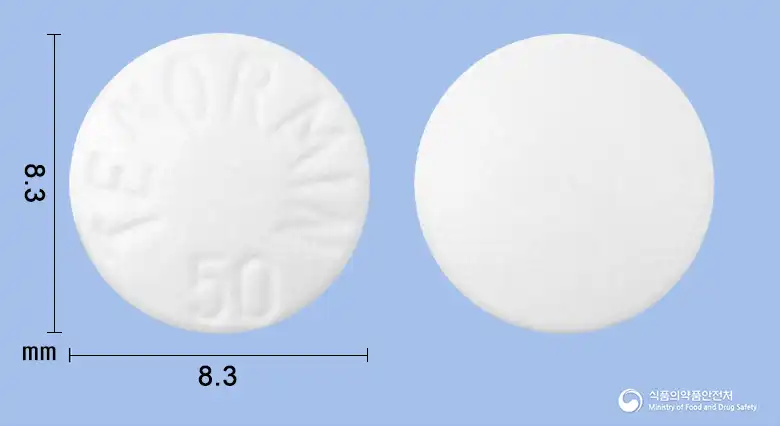
Atenolol 50mg
Tablet · Prescription medication
Hyundai Pharmaceutical Co., Ltd.
Atenolol
Prescription medication
Ildong Pharmaceutical Co., Ltd.
Atenolol 50mg
Prescription medication
Samjin Pharmaceutical Co., Ltd.
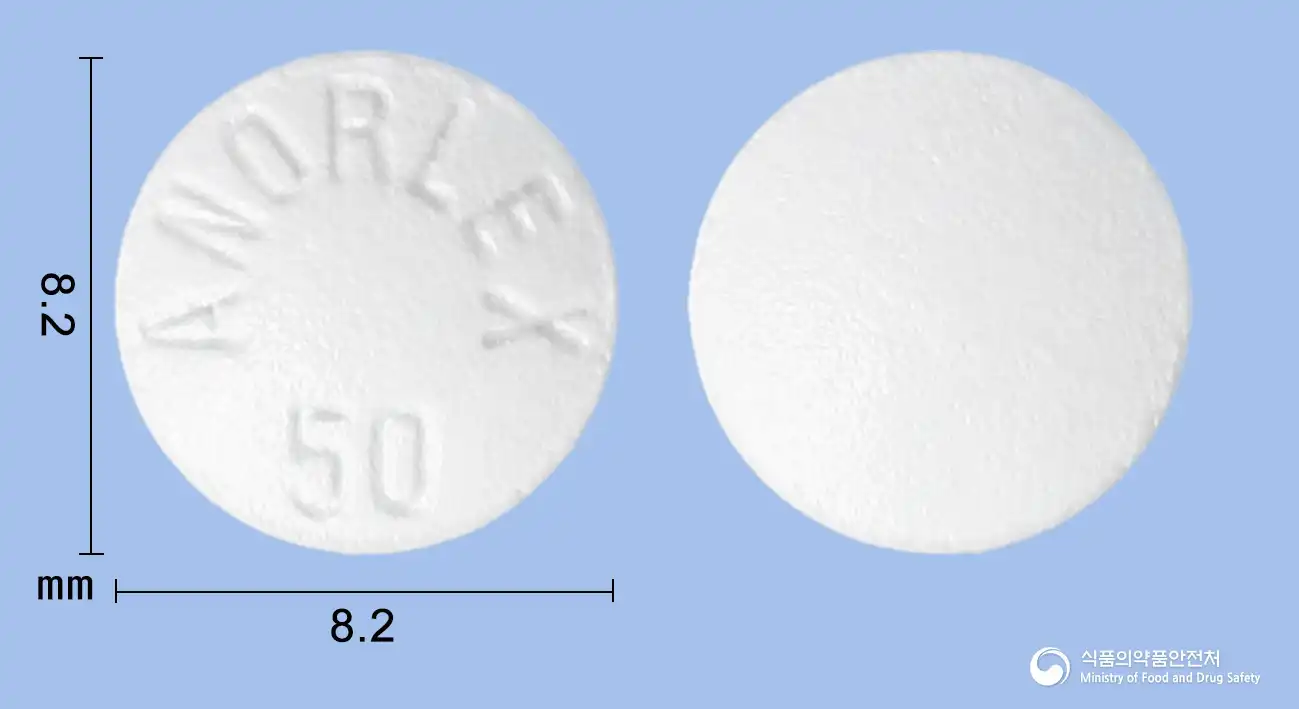
Atenolol 50mg
Tablet · Prescription medication
(CMG Pharmaceutical Co., Ltd.)
Atenolol
Prescription medication
Korea United Pharmaceutical Co., Ltd.
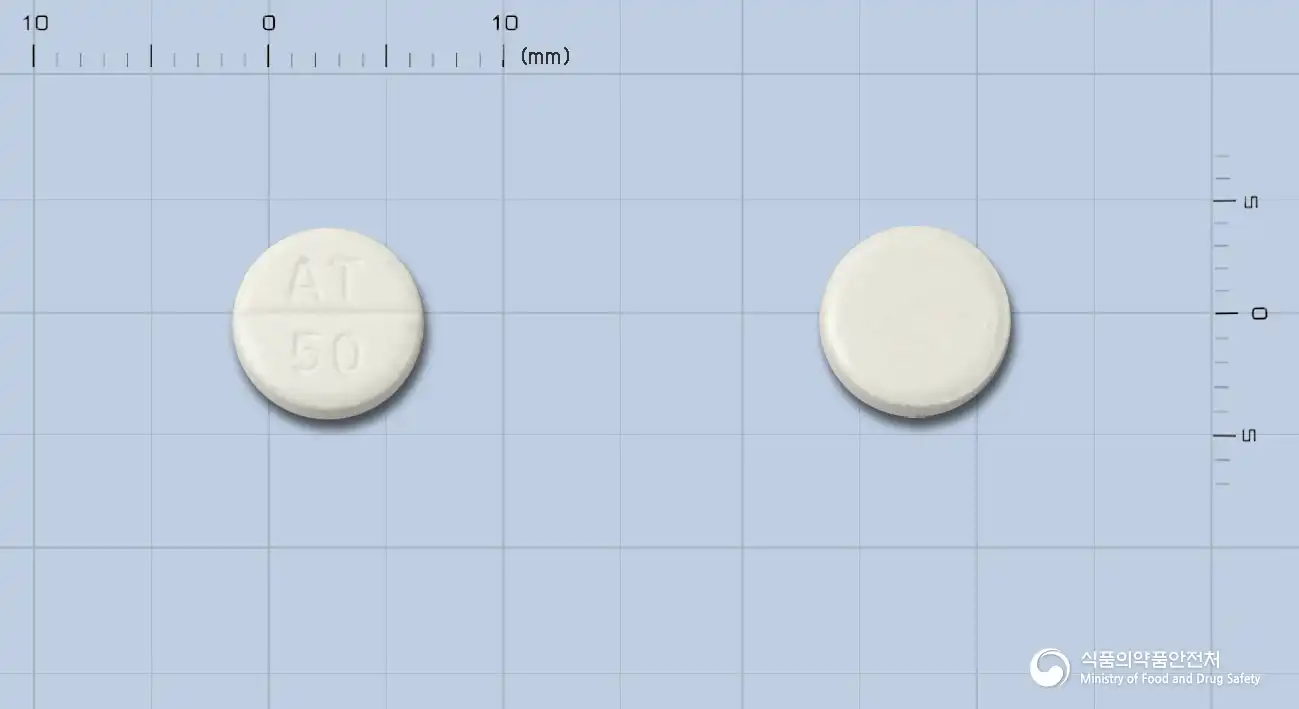
Atenolol 50mg
Tablet · Prescription medication
Daewoo Pharmaceutical Co., Ltd.
Atenolol
Prescription medication
Daewoong Pharmaceutical Co., Ltd.
Even with the same ingredient, the dose and directions can differ by strength and dosage form. Talk to a doctor or pharmacist before switching from a medication you are already taking.
No questions yet.
For anything that needs medical judgment, consult a doctor or pharmacist.
This drug information is based on data provided by the Korea Ministry of Food and Drug Safety.
Consult a doctor or pharmacist for accurate dosage, administration, and usage instructions.