
 한국어
한국어 English
 日本語
日本語 中文(简体)
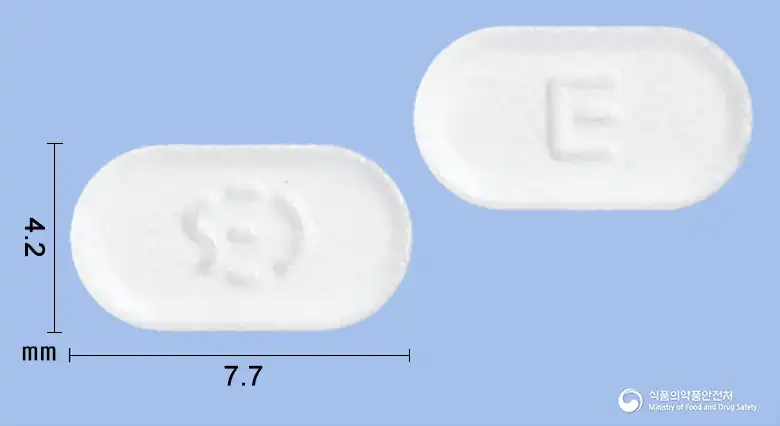 Viewing now
Seoul Ezetimibe Tablet
Ezetimibe 10mg
Tablet · Prescription medication
Seoul Pharmaceutical Co., Ltd.
MFDS item code 201902064 · Approved 2019.04.04 · Insurance code 652904210
Improvement of cholesterol and lipid levels in hypercholesterolemia (primary, familial) and sitosterolemia
This medication is used in conjunction with a dietary regimen to lower elevated cholesterol and low-density lipoprotein cholesterol (LDL-C) and apolipoprotein B levels in patients with primary hypercholesterolemia and mixed hyperlipidemia. Additionally, it is used as an adjunct to other therapies or in combination with statins for patients with homozygous familial hypercholesterolemia. In patients with homozygous sitosterolemia, it is administered as an adjunct to diet to reduce sitosterol and campesterol levels. This medication should be used alongside a proper dietary regimen and prescribed after an accurate diagnosis considering other health conditions or medications. Regular lipid level checks are necessary to confirm the treatment's effectiveness. In conclusion, this medication effectively improves multiple forms of hypercholesterolemia and serum sterol levels associated with hyperlipidemia.
The recommended dose of this medication is 10 mg once daily, taken regardless of meals. When co-administered with HMG-CoA reductase inhibitors, initiate this medication in conjunction with the recommended starting dose of the HMG-CoA reductase inhibitor, and if already receiving a high dose of HMG-CoA reductase inhibitors, continue the dose of the HMG-CoA reductase inhibitor while co-administering this medication. Fenofibrate
This medication should not be used by patients who are allergic to any of its components. Patients with active liver disease or persistent liver function abnormalities should avoid using it, and it is especially important not to combine it with specific lipid-lowering agents in patients with liver dysfunction. The concurrent use of this medication and certain lipid-lowering agents is prohibited for women who are pregnant or breastfeeding, and women who may become pregnant should exercise caution. It is safe not to administer this medication to patients with severely impaired liver function or those with gallbladder disease or severe renal impairment. Additionally, patients with genetic lactose intolerance or glucose-galactose malabsorption should not take this medication. Patients with moderate or severe liver dysfunction should use this medication cautiously, as systemic exposure may increase, potentially leading to unexpected side effects. This medication generally has good tolerability, but mild side effects such as headaches, abdominal pain, diarrhea, fatigue, and myalgia may occur. If symptoms of myalgia or muscle weakness appear, medical personnel should be informed immediately, and in severe cases, the medication should be discontinued. It is important to undergo regular liver function tests and muscle-related tests, and appropriate measures should be taken if any abnormal findings are detected. This medication may interact with specific drugs, so inform medical personnel of any other medications being taken. When pregnant or breastfeeding, the use of this medication may pose risks to the baby, so the decision to use it should be made after consulting a doctor. Not recommended for children under 6 years old, and caution should be exercised in elderly patients or those with impaired renal function. In case of overdose, no specific antidote is available, so treatment should be symptomatic. This medication should be stored out of reach of children and should not be transferred to other containers.
Urticaria, severe swelling (edema), anaphylaxis, hypersensitivity reactions including rash and angioedema, hepatitis, thrombocytopenia, pancreatitis, skin mucosa syndrome (Stevens-Johnson syndrome), toxic epidermal necrolysis (Lyell's syndrome), eosinophilia with systemic symptoms drug reaction (DRESS), severe skin adverse reactions including drug-induced exanthema (SCARs), medication-induced liver injury, renal failure (kidney disease)
Not everyone experiences these, and they can vary from person to person.
This medication is sensitive to air and moisture, so it should be stored in a tightly sealed container. The storage temperature should be maintained at room temperature between 1 and 30 degrees Celsius.
White to almost white rectangular tablet
30 tablets (10 tablets/PTP x 3)
Even with the same ingredient, strength, dosage form and how it is taken can differ.
Viewing nowEzetimibe 10mg
Tablet · Prescription medication
Seoul Pharmaceutical Co., Ltd.
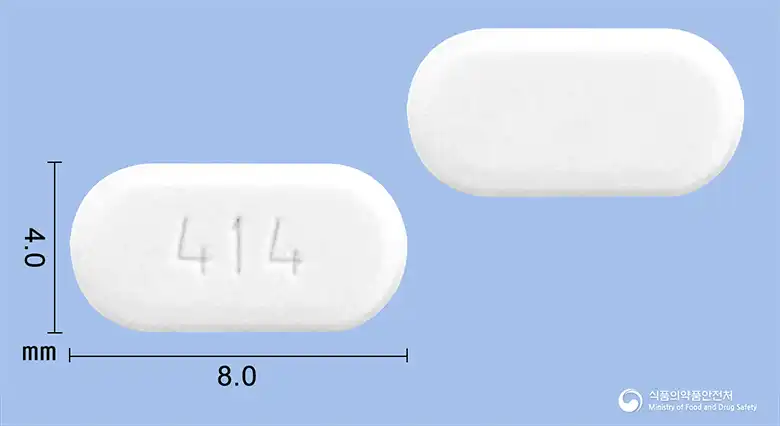
Ezetimibe 10mg
Tablet · Prescription medication
Korea Organon Co., Ltd.
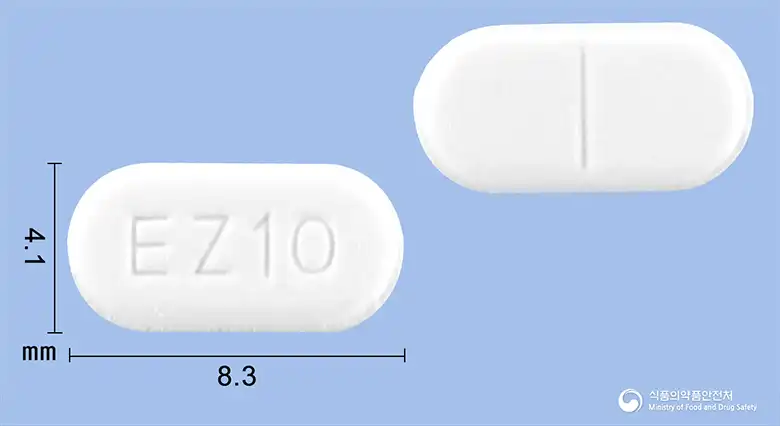
Ezetimibe 10mg
Tablet · Prescription medication
Hanmi Pharmaceutical Co., Ltd.
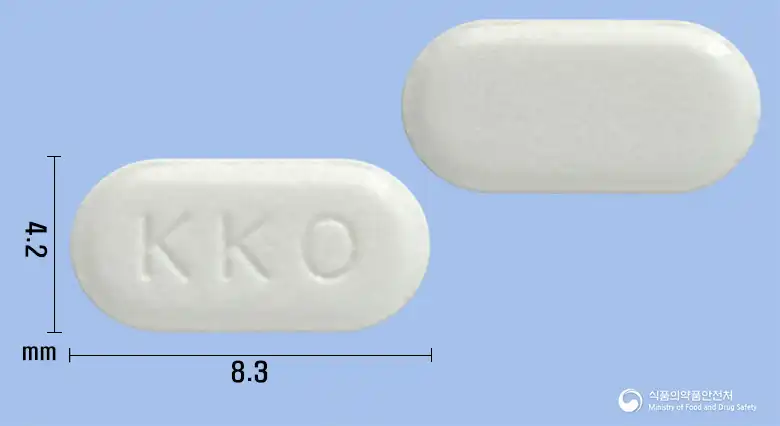
Ezetimibe 10mg
Tablet · Prescription medication
Genewon Science Co., Ltd.
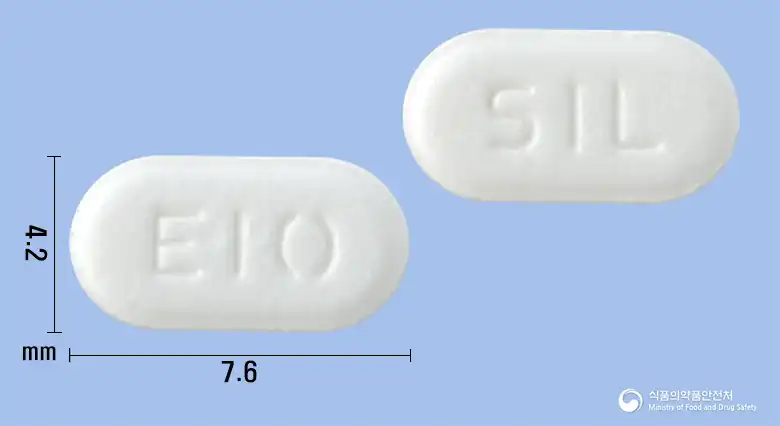
Ezetimibe 10mg
Tablet · Prescription medication
Shin Il Pharmaceutical Co., Ltd.
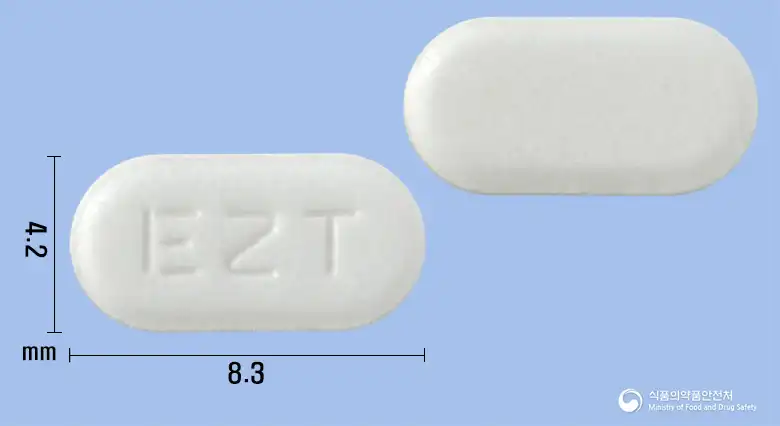
Ezetimibe 10mg
Tablet · Prescription medication
Korea Hutech Pharmaceutical Co., Ltd.
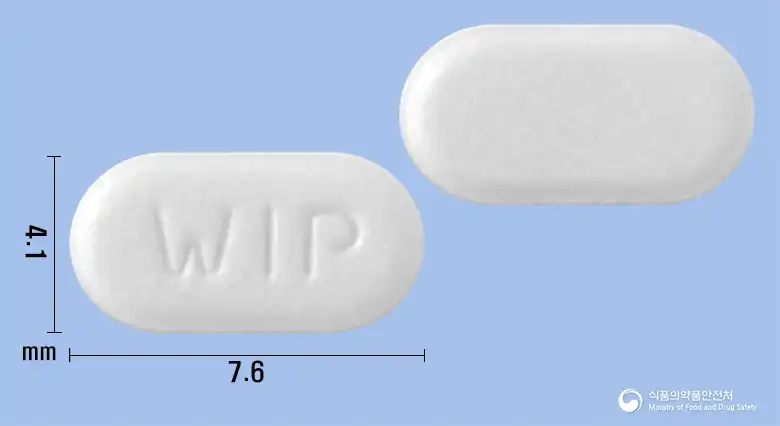
Ezetimibe 10mg
Tablet · Prescription medication
Hwanin Pharmaceutical Co., Ltd.
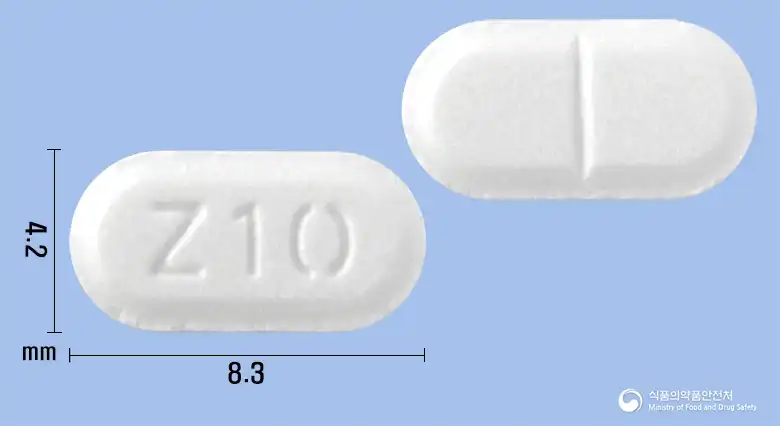
Ezetimibe 10mg
Tablet · Prescription medication
Jinyang Pharmaceutical Co., Ltd.
Even with the same ingredient, the dose and directions can differ by strength and dosage form. Talk to a doctor or pharmacist before switching from a medication you are already taking.
No questions yet.
For anything that needs medical judgment, consult a doctor or pharmacist.
This drug information is based on data provided by the Korea Ministry of Food and Drug Safety.
Consult a doctor or pharmacist for accurate dosage, administration, and usage instructions.