
 한국어
한국어 English
 日本語
日本語 中文(简体)
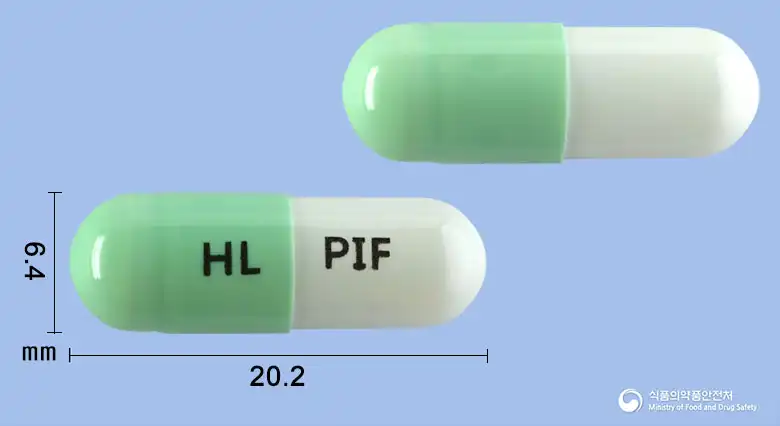 Viewing nowCombination
Stafen Capsule
Pitavastatin Calcium 2mg · Fenofibrate Granules 241.51mg
Hard capsule · Prescription medication · Combination
Hanlim Pharmaceutical Co., Ltd.
MFDS item code 201902030 · Approved 2019.04.03 · Insurance code 645306120
Management of LDL cholesterol and improvement of dyslipidemia
Pitavastatin 2 mg monotherapy effectively controls LDL cholesterol levels in adult patients at high risk of coronary artery disease. However, this treatment also may impact combined dyslipidemia, which can increase triglyceride levels and decrease HDL cholesterol levels. Therefore, this medication is primarily used to improve the management of LDL cholesterol and is helpful in treating dyslipidemia.
As recommended, take 1 capsule once daily immediately after meals.
This medication reduces blood lipid levels, and caution should be exercised when taken with other lipid-lowering agents as it can cause severe muscle damage. Symptoms such as muscle pain, weakness, and cramps require immediate medical attention. Patients over 65 years old, women, and those with poor renal function are at higher risk for muscle damage and should consult a doctor before taking this medication. It should not be used in patients with certain liver diseases, gallbladder diseases, severe kidney impairment, pregnant women, or children under 18 years old. If there are signs of liver dysfunction or symptoms of hepatitis, the medication should be discontinued immediately, and medical advice sought. Blood tests should be conducted regularly to monitor liver function and the risk of muscle damage while taking this medication. It should be used cautiously in patients with excessive alcohol consumption, as it may increase the risk of pancreatitis, and any abdominal pain should be reported to a physician immediately. This medication has many drug interactions, especially with other lipid-lowering agents, anticoagulants, and certain antibiotics, and should be taken under expert guidance when used in combination. It is recommended to take this medication with food, preferably immediately after a meal. Pregnant or breastfeeding women should not take this medication and should avoid it if planning to become pregnant. Caution is needed when driving or operating machinery due to possible dizziness. No specific antidote is available for an overdose; in case of suspicion, appropriate medical treatment should be sought immediately. This medication is not used in children as its safety has not been established. Store in a place out of the reach of children and keep it in its original container.
Urticaria, severe swelling (angioedema), chest tightness, difficulty breathing, deep vein thrombosis, pulmonary embolism, severe rash with fever, blisters, skin shedding, mucosal pain in mouth/eyes, jaundice, liver dysfunction (including increased transaminase levels), acute renal failure, rhabdomyolysis, severe myalgia, myopathy, sudden and severe headache, seizures, confusion, vision problems, paralysis, elevated blood pressure, distinctly reduced urine output.
Headache, dizziness, nasopharyngitis, upper respiratory tract infections, gastrointestinal symptoms (abdominal pain, nausea, vomiting, diarrhea, bloating, excessive thirst, indigestion, constipation, stomatitis, anorexia, glossitis), palpitations, fatigue, itching, hair loss, edema, increased blood pressure, skin tingling, blurred vision, photophobia, hearing loss, hematuria, taste disorders, dark-colored urine, fatigue, insomnia, sleep disturbances, loss of appetite, thrombocytopenia, increased hematuria, elevated plasma creatinine, BUN.
Not everyone experiences these, and they can vary from person to person.
This medication should be stored in a sealed container to prevent air or moisture from entering, and it is best kept at room temperature, between 1 and 30 degrees Celsius. Proper storage will help maintain the drug's efficacy.
A hard capsule with a greenish upper part and white lower part containing a white round film-coated tablet and white spherical fine granules.
30 capsules/box [10 capsules/PTP*3], 300 capsules/bottle
Even with the same ingredient, strength, dosage form and how it is taken can differ.
Viewing nowCombinationPitavastatin Calcium 2mg · Fenofibrate Granules 241.51mg
Hard capsule · Prescription medication · Combination
Hanlim Pharmaceutical Co., Ltd.
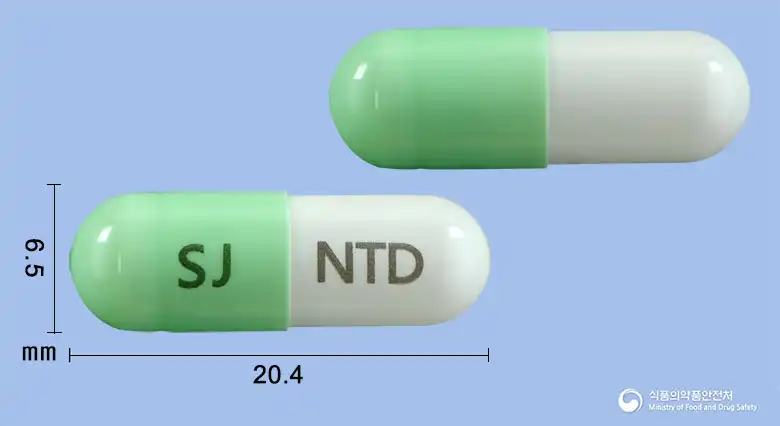 Combination
Pitavastatin Calcium 2mg · Fenofibrate Granules 241.51mg
Hard capsule · Prescription medication · Combination
Samjin Pharmaceutical Co., Ltd.
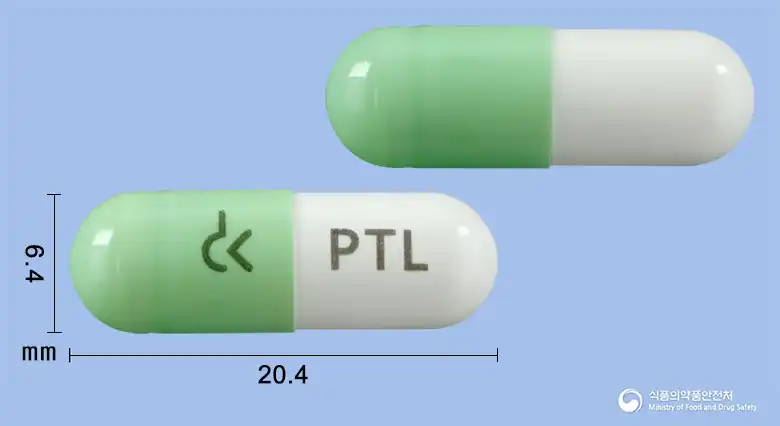 Combination
Pitavastatin Calcium 2mg · Fenofibrate Granules 241.51mg
Hard capsule · Prescription medication · Combination
Dongkook Pharmaceutical Co., Ltd.
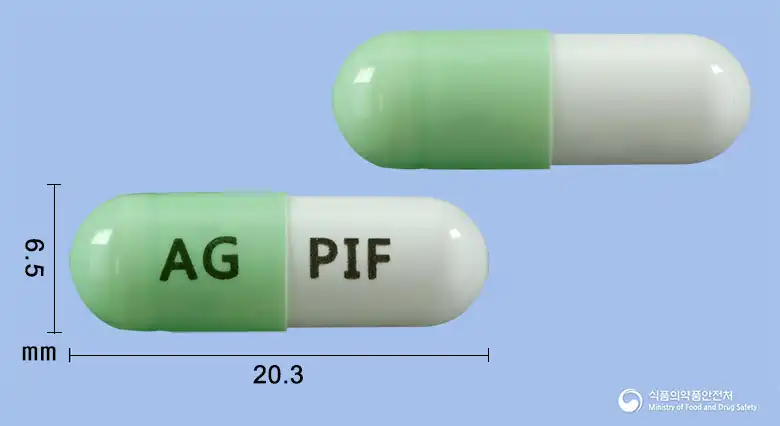 Combination
Pitavastatin Calcium 2mg · Fenofibrate Granules 241.51mg
Hard capsule · Prescription medication · Combination
Ahn-Gook Pharmaceutical Co., Ltd.
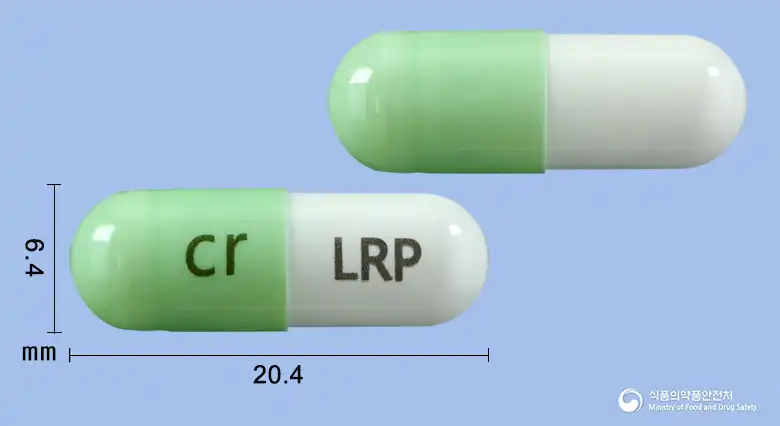 Combination
Pitavastatin Calcium 2mg · Fenofibrate Granules 241.51mg
Hard capsule · Prescription medication · Combination
GL Pharma Co., Ltd.
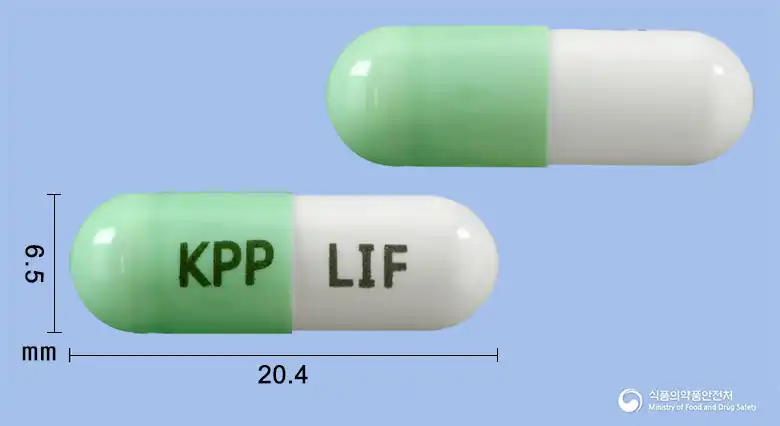 Combination
Pitavastatin Calcium 2mg · Fenofibrate Granules 241.51mg
Hard capsule · Prescription medication · Combination
Korea Prime Pharmaceutical Co., Ltd.
Pitavastatin Calcium 2mg · Fenofibrate Granules 241.51mg
Hard capsule · Prescription medication · Combination
Daewon Pharmaceutical Co., Ltd.
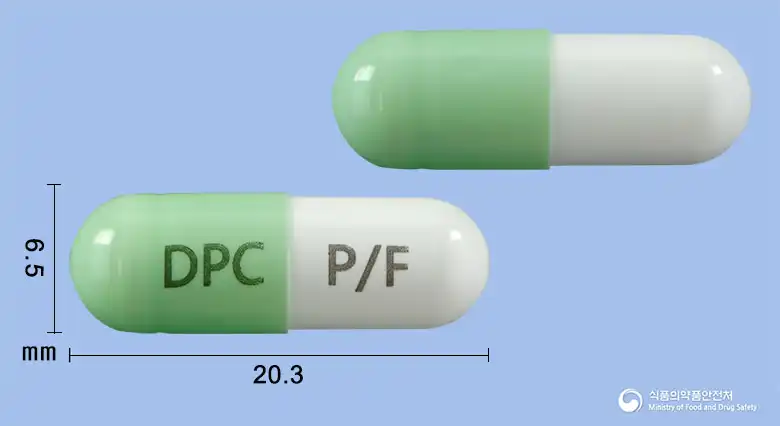 Combination
Pitavastatin Calcium 2mg · Fenofibrate Granules 241.51mg
Hard capsule · Prescription medication · Combination
Dongkwang Pharmaceutical Co., Ltd.
Even with the same ingredient, the dose and directions can differ by strength and dosage form. Talk to a doctor or pharmacist before switching from a medication you are already taking.
No questions yet.
For anything that needs medical judgment, consult a doctor or pharmacist.
This drug information is based on data provided by the Korea Ministry of Food and Drug Safety.
Consult a doctor or pharmacist for accurate dosage, administration, and usage instructions.