
 한국어
한국어 English
 日本語
日本語 中文(简体)
 Viewing nowCombination
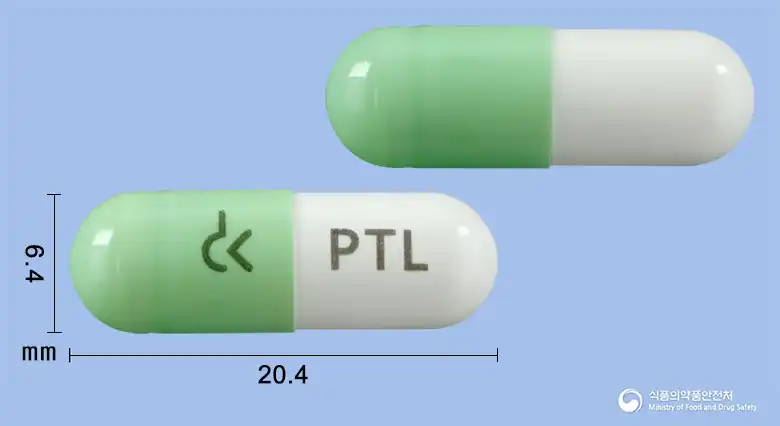
Pitaron EF Capsule
Pitavastatin Calcium 2mg · Fenofibrate Granules 241.51mg
Hard capsule · Prescription medication · Combination
Dongkook Pharmaceutical Co., Ltd.
MFDS item code 201902025 · Approved 2019.04.03 · Insurance code 653404330
Management of LDL cholesterol and improvement of dyslipidemia
In high-risk adult patients with coronary artery disease, pitavastatin 2mg monotherapy effectively controls LDL cholesterol levels. However, during this treatment, triglyceride levels may increase and low HDL cholesterol levels, indicative of mixed dyslipidemia, may also appear. Therefore, it may be necessary to comprehensively assess the patient's lipid levels and consider additional treatments or management. Pitavastatin is mainly used to improve LDL cholesterol levels.
As a recommended dosage, take 1 capsule once a day immediately after a meal.
This medication is a lipid-lowering agent and can cause severe muscle damage, especially when taken with fibrates and statins. Muscle pain, weakness, and cramps may occur, necessitating immediate medical consultation. Caution is especially needed for patients aged over 65, females, those with poor kidney function, uncontrolled hypothyroidism, or those with alcohol addiction, as they face a higher risk of muscle damage. The risk of muscle toxicity increases when this drug is taken with certain other medications, so patients should consult a doctor if they are taking other lipid-lowering agents or niacin. Additionally, patients with hypersensitivity to this medication, liver, gallbladder, or pancreatic disease, severe kidney impairment, children under 18, pregnant or nursing women should not use this drug. Conditions such as myopathy, liver dysfunction, excessive alcohol consumption, diabetes, blood coagulation disorders, hypothyroidism, and the elderly must be considered carefully. While taking this medication, liver function tests and lipid levels must be checked regularly, and any abnormalities in liver function or muscle pain must be reported to healthcare providers immediately. The medication may need to be temporarily stopped before surgery or in case of significant clinical situations. Side effects such as interstitial lung disease, pancreatitis, thrombosis, alopecia, and skin allergic reactions have been reported, so any unusual symptoms should prompt immediate medical attention. This medication should be taken with food, and when combined with certain medications, there may be an increased risk of kidney function deterioration or muscle damage. Pregnant or potentially pregnant women and nursing mothers should not take this medication, nor should it be administered to children. No dosage adjustment is needed for the elderly, but it should not be used in patients with severely impaired kidney function. In case of overdose, there is no specific antidote, and appropriate treatment should be provided according to symptoms. This drug should be stored out of reach of children and kept in its original container for safety.
Urticaria, angioedema, severe skin reactions (erythema multiforme, Stevens-Johnson syndrome, toxic epidermal necrolysis), jaundice, pancreatitis, pulmonary embolism, deep vein thrombosis, interstitial lung disease, rhabdomyolysis, myopathy with or without renal failure, severe edema, severe allergic reactions, severe skin reactions, respiratory issues, liver abnormalities (jaundice), severe neurological symptoms, severe edema or urination problems
Headache, dizziness, pharyngitis, upper respiratory tract infection, nausea, myalgia, muscle cramps, malaise, itching, rash, alopecia, hypertension, thirst, dyspepsia, constipation, vomiting, increased hematuria, blurred vision, fatigue, paresthesia, palpitations, tiredness, skin pain, burning sensation, arthralgia, hair loss, insomnia, sleep disturbances, loss of appetite, increased blood creatinine, increased BUN, elevated homocysteine levels in the blood
Not everyone experiences these, and they can vary from person to person.
This medication must be stored in a tightly sealed container to protect it from air and moisture. Additionally, it is recommended to store the drug at room temperature between 1 to 30 degrees Celsius. Avoid excessively hot or cold places.
A hard capsule with a dark green upper part and white lower part containing white round film-coated tablets and white spherical fine granules.
30 capsules/box [10 capsules/PTP*3]
Even with the same ingredient, strength, dosage form and how it is taken can differ.
Viewing nowCombinationPitavastatin Calcium 2mg · Fenofibrate Granules 241.51mg
Hard capsule · Prescription medication · Combination
Dongkook Pharmaceutical Co., Ltd.
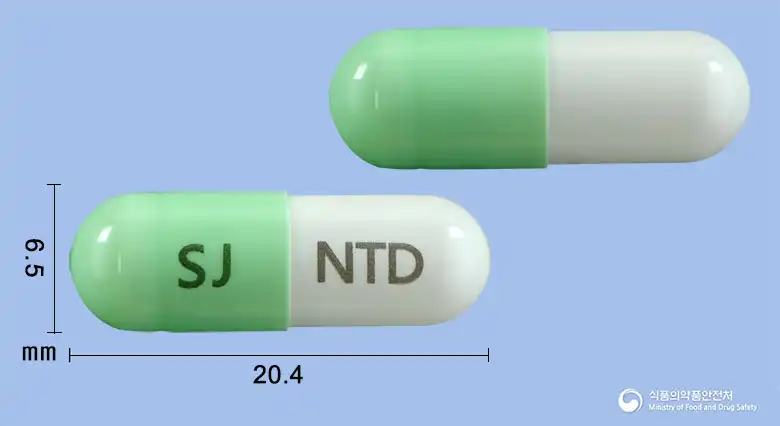 Combination
Pitavastatin Calcium 2mg · Fenofibrate Granules 241.51mg
Hard capsule · Prescription medication · Combination
Samjin Pharmaceutical Co., Ltd.
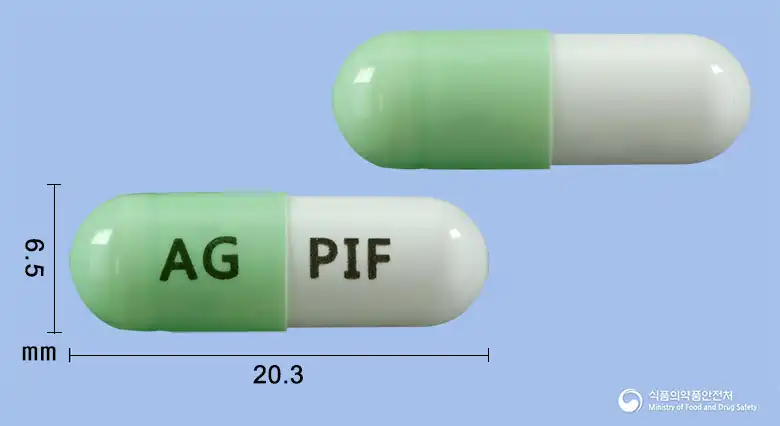 Combination
Pitavastatin Calcium 2mg · Fenofibrate Granules 241.51mg
Hard capsule · Prescription medication · Combination
Ahn-Gook Pharmaceutical Co., Ltd.
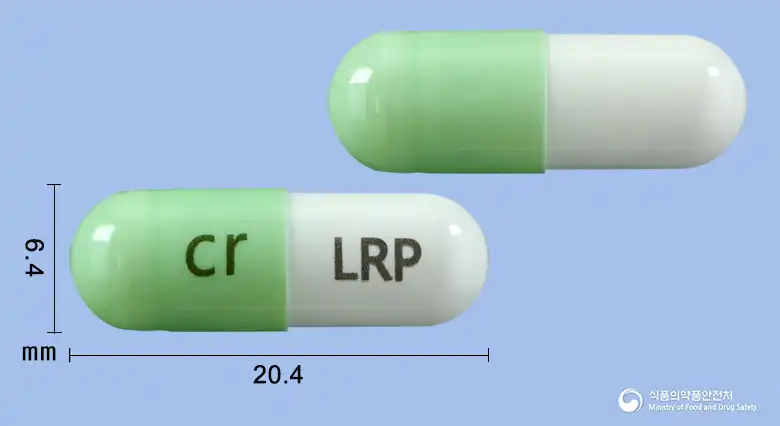 Combination
Pitavastatin Calcium 2mg · Fenofibrate Granules 241.51mg
Hard capsule · Prescription medication · Combination
GL Pharma Co., Ltd.
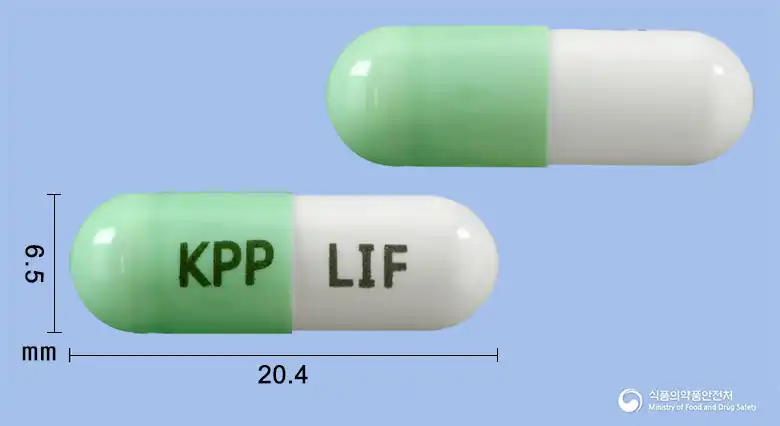 Combination
Pitavastatin Calcium 2mg · Fenofibrate Granules 241.51mg
Hard capsule · Prescription medication · Combination
Korea Prime Pharmaceutical Co., Ltd.
Pitavastatin Calcium 2mg · Fenofibrate Granules 241.51mg
Hard capsule · Prescription medication · Combination
Daewon Pharmaceutical Co., Ltd.
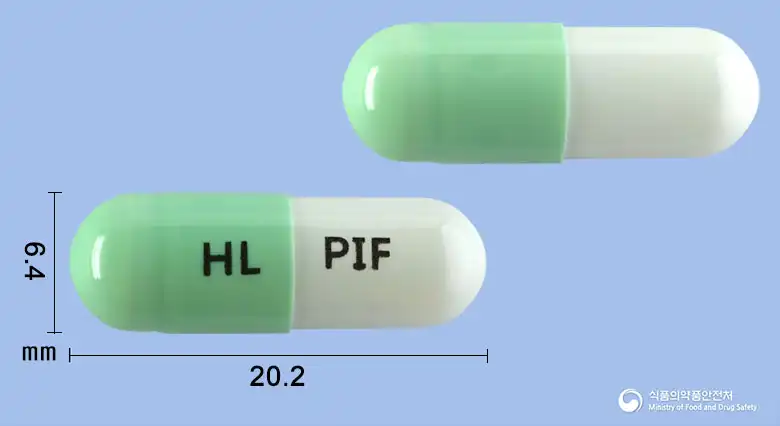 Combination
Pitavastatin Calcium 2mg · Fenofibrate Granules 241.51mg
Hard capsule · Prescription medication · Combination
Hanlim Pharmaceutical Co., Ltd.
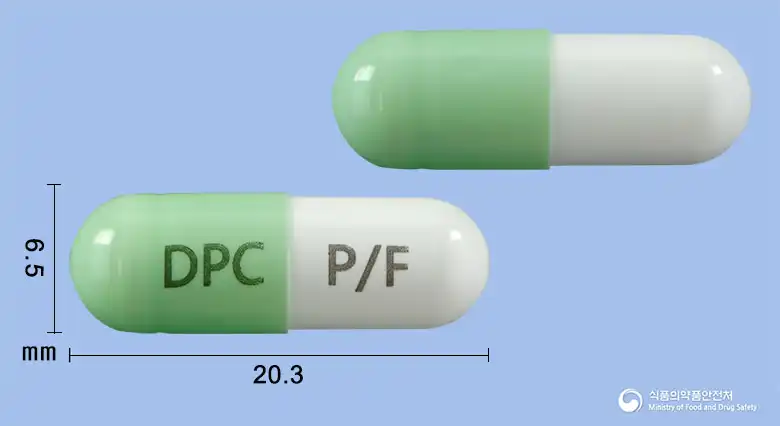 Combination
Pitavastatin Calcium 2mg · Fenofibrate Granules 241.51mg
Hard capsule · Prescription medication · Combination
Dongkwang Pharmaceutical Co., Ltd.
Even with the same ingredient, the dose and directions can differ by strength and dosage form. Talk to a doctor or pharmacist before switching from a medication you are already taking.
No questions yet.
For anything that needs medical judgment, consult a doctor or pharmacist.
This drug information is based on data provided by the Korea Ministry of Food and Drug Safety.
Consult a doctor or pharmacist for accurate dosage, administration, and usage instructions.