
 한국어
한국어 English
 日本語
日本語 中文(简体)
Dosage form image
Viewing nowPioron Tablets 30mg (Pioglitazone Hydrochloride)
Pioglitazone Hydrochloride 33.06mg
Tablet · Prescription medication
Korea Pavis Pharmaceutical Co., Ltd.
MFDS item code 201901930 · Approved 2019.03.29
This product's status changed to Expired on 2024.03.29. It may no longer be sold, so consult a doctor or pharmacist before taking it.
Improvement of Type 2 Diabetes (Blood Sugar Control)
This medication is used to enhance blood sugar control in patients with Type 2 Diabetes. It can be administered alone and may also be used in combination with other antidiabetic agents such as sulfonylureas, metformin, and insulin when there is insufficient effect. Additionally, it is important for diabetes patients to improve their lifestyle habits in conjunction with drug therapy, including dietary management, exercise, and weight loss if necessary. This comprehensive treatment approach significantly aids both initial treatment and the sustained effectiveness of the medication. In conclusion, this drug is effective in improving blood sugar control and is used in the treatment of Type 2 Diabetes.
This medication is administered orally once daily, irrespective of meals. As monotherapy, it can be initiated at a dose of 15 mg once daily, and if sufficient effect is not achieved, it may be increased to 30 mg once daily. When used in combination with sulfonylureas, metformin, and insulin, the initial dose is 15 mg once daily and should not exceed 30 mg once daily.
There is no experience with use in children under 18 years, so administration is not recommended.
This drug is used for the treatment of Type 2 Diabetes and works in conjunction with insulin to regulate blood sugar. When taking this medication, there is a risk of symptoms of heart failure appearing or worsening, so careful observation of symptoms such as weight changes, shortness of breath, and edema is required. It is safer for patients with heart failure or a history of heart failure to avoid using this medication. Additionally, this drug may cause fluid retention, which can result in side effects for patients with heart disease, necessitating caution. Patients with bladder cancer or a history of bladder cancer should not take this medication. Patients with impaired liver function or severe kidney impairment should avoid using this drug, and regular liver or kidney function tests are recommended. Women who are pregnant or may become pregnant should avoid taking this medication, and premenopausal women using this drug should utilize appropriate contraception as the likelihood of becoming pregnant may increase. The risk of hypoglycemia may increase when this medication is used with other antidiabetic agents, so one should be aware of hypoglycemic symptoms and how to manage them. Side effects such as edema, weight gain, headache, upper respiratory infections may occur, and in severe cases, medical consultation is necessary. Drug interactions may occur, so if other medications are being taken, it is essential to inform a doctor or pharmacist. Safety for children and patients under 18 years has not been established, and elderly patients should also use it with caution. In case of overdose, seek appropriate medical treatment immediately. Finally, it is important to store this medication out of the reach of children and to keep it in its original container.
Not everyone experiences these, and they can vary from person to person.
This medication should be stored in a container that is protected from light and air and kept away from humid areas. The ideal storage temperature is between 15 and 30 degrees Celsius, with 25 degrees being the most favorable.
White round tablet
30 tablets/bottle, 100 tablets/bottle
Even with the same ingredient, strength, dosage form and how it is taken can differ.
Pioglitazone Hydrochloride 33.06mg
Tablet · Prescription medication
Korea Pavis Pharmaceutical Co., Ltd.
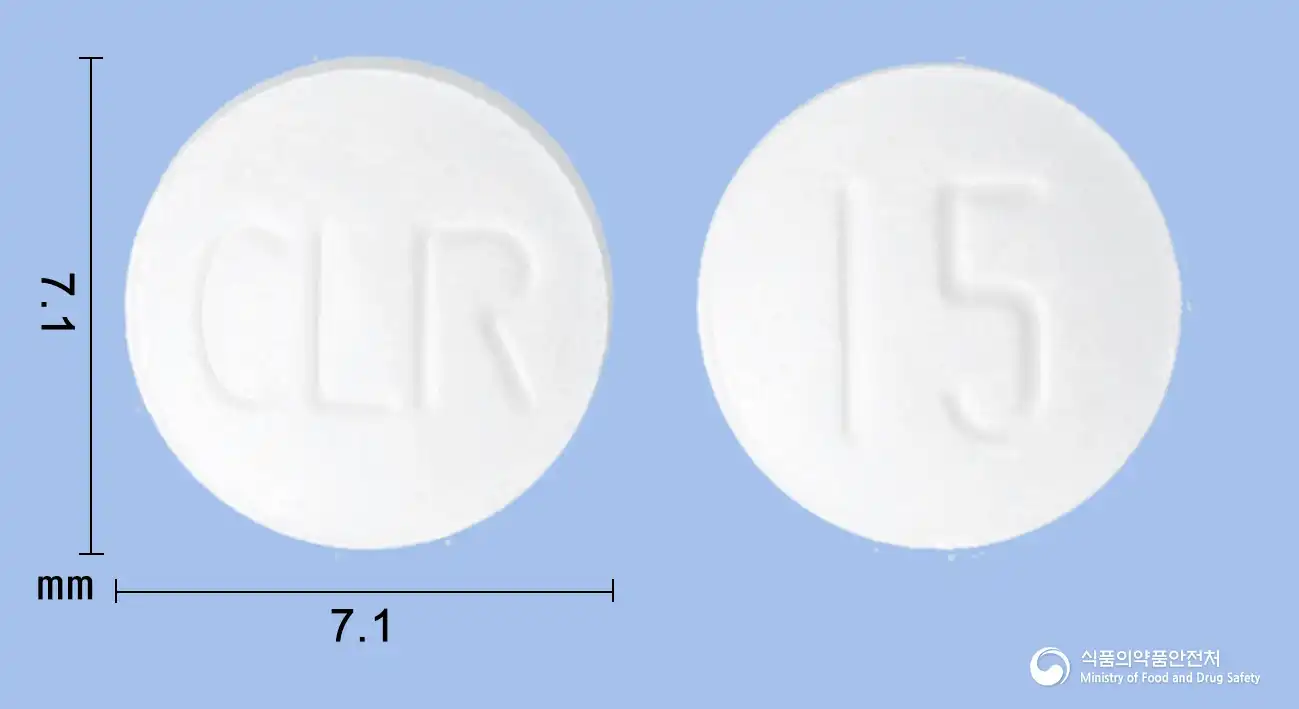
Pioglitazone Hydrochloride 16.53mg
Tablet · Prescription medication
Celltrion Pharmaceutical Co., Ltd.
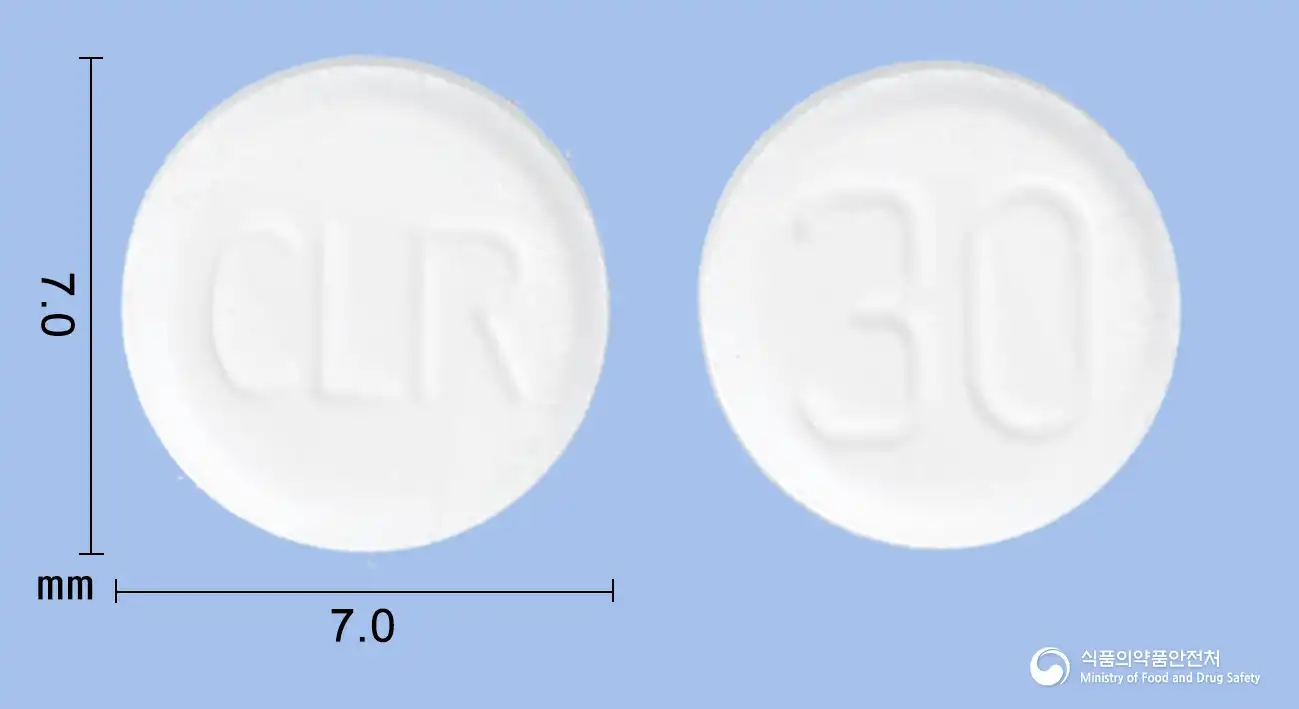
Pioglitazone Hydrochloride 33.06mg
Tablet · Prescription medication
Celltrion Pharmaceutical Co., Ltd.
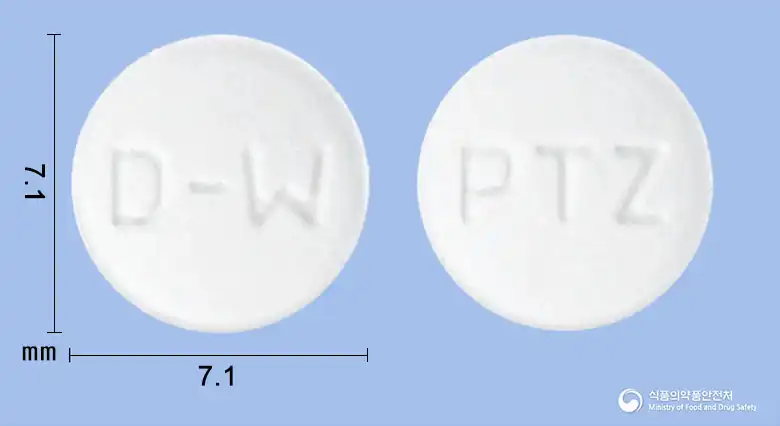
Pioglitazone Hydrochloride 16.53mg
Tablet · Prescription medication
Dongwha Pharmaceutical Co., Ltd.
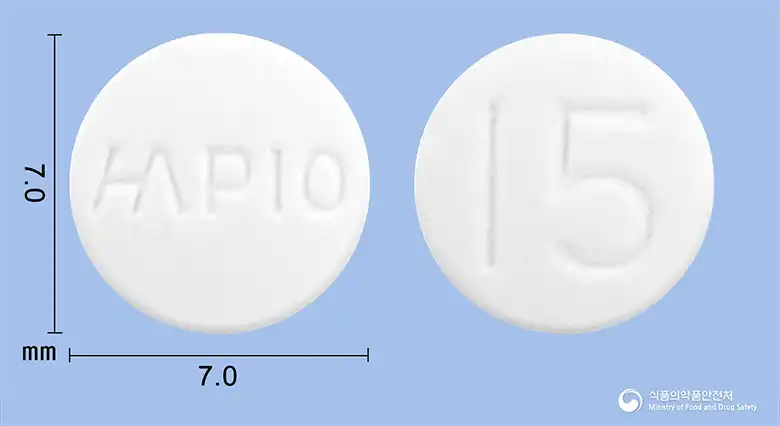
Pioglitazone Hydrochloride 16.53mg
Tablet · Prescription medication
Hanol Bio Pharma Co., Ltd.
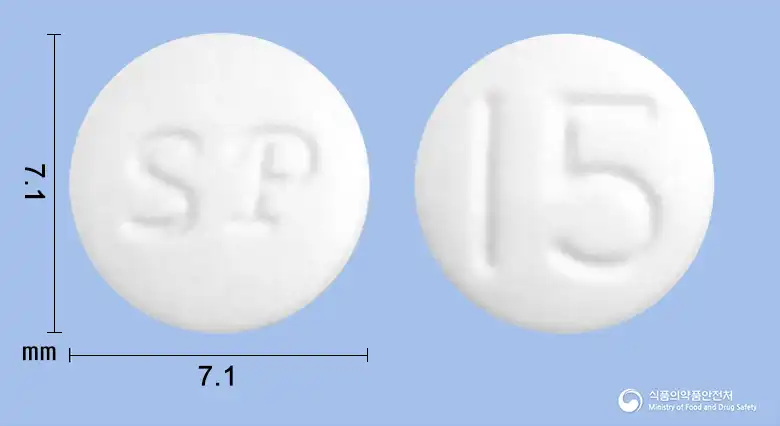
Pioglitazone Hydrochloride 16.53mg
Tablet · Prescription medication
Shinpoong Pharmaceutical Co., Ltd.
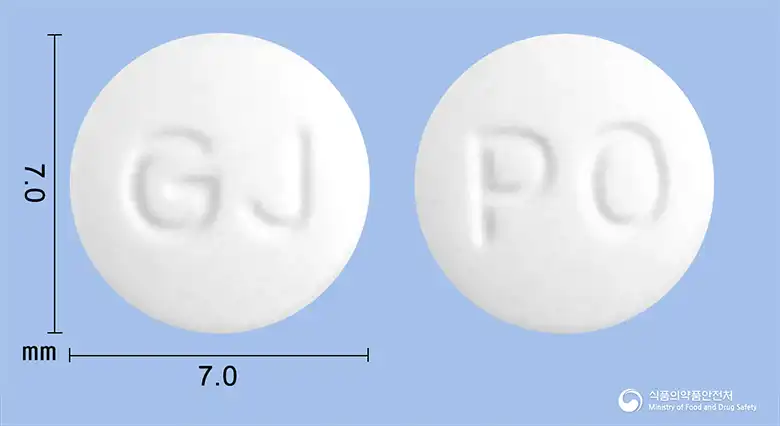
Pioglitazone Hydrochloride 16.53mg
Tablet · Prescription medication
Kujoo Pharmaceutical Co., Ltd.
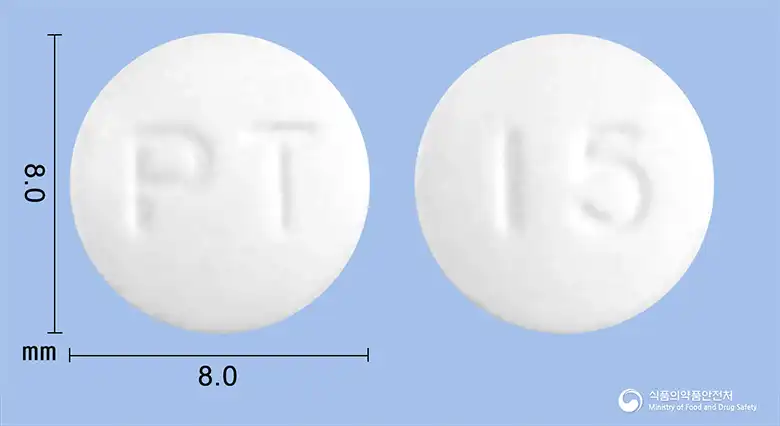
Pioglitazone Hydrochloride 16.53mg
Tablet · Prescription medication
Kyungdong Pharm Co., Ltd.
Even with the same ingredient, the dose and directions can differ by strength and dosage form. Talk to a doctor or pharmacist before switching from a medication you are already taking.
No questions yet.
For anything that needs medical judgment, consult a doctor or pharmacist.
This drug information is based on data provided by the Korea Ministry of Food and Drug Safety.
Consult a doctor or pharmacist for accurate dosage, administration, and usage instructions.