
 한국어
한국어 English
 日本語
日本語 中文(简体)
 Viewing now
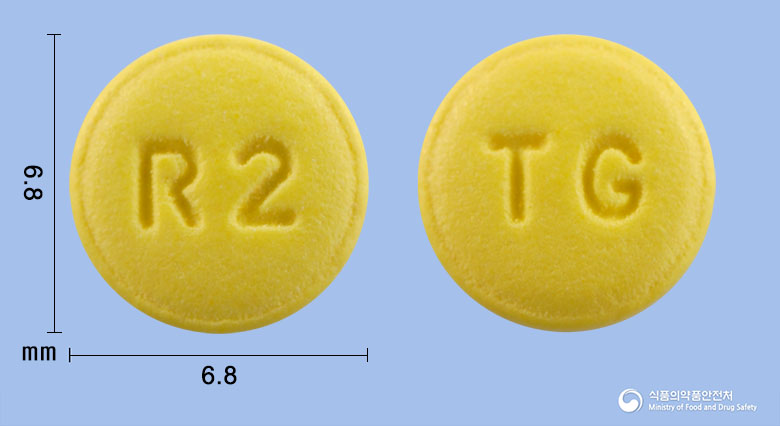
Lafrin Tablet 10 mg (Rabeprazole Sodium)
Rabeprazole Sodium 10mg
Tablet · Prescription medication
Taeguk Pharmaceutical Co., Ltd.
MFDS item code 201901920 · Approved 2019.03.29
Relief of symptoms of gastric ulcer and gastroesophageal reflux disease and treatment effect for Helicobacter pylori infection
This medication is used for the treatment of gastric ulcers and duodenal ulcers. It also improves erosions or ulcers in gastroesophageal reflux disease and helps relieve symptoms of gastroesophageal reflux disease. It is also used for long-term maintenance therapy to prevent recurrence of symptoms. Furthermore, it is used in combination with antibiotics to enhance the treatment effect in patients with gastrointestinal ulcers infected with Helicobacter pylori. It is also used in the treatment of Zollinger-Ellison syndrome. It is used effectively for the treatment of various gastrointestinal diseases.
Gastric ulcer, duodenal ulcer: 10 mg orally once daily; may be increased to 20 mg orally once daily based on symptoms. Administer for up to 8 weeks for gastric ulcer and 6 weeks for duodenal ulcer. Erosive or ulcerative gastroesophageal reflux disease: 10 mg or 20 mg orally once daily for 4-8 weeks. If not resolved, an additional 8 weeks of 10 mg or 20 mg orally twice daily may be administered (for severe mucosal damage) Gastroesophageal reflux disease.
This medication should not be used in certain patients. Individuals who have had allergic reactions or hypersensitivity to this drug, its components, or similar classes of drugs should not take it. Caution is needed when this drug is used in conjunction with penicillin or macrolide antibiotics if there is an allergy to them. Patients taking certain heart-related medications should also not use this medicine concurrently. It is safer not to use this medication in pregnant or breastfeeding women. Patients with impaired liver function, the elderly, or those with a history of drug allergies should take this medication with caution. Caution is also needed for those allergic to the dye contained in this medication. If allergic symptoms such as skin rash or itching occur while taking this medication, it should be discontinued immediately. Because blood tests may show changes in red or white blood cell counts, regular blood tests are recommended. Liver function can also be affected, so liver function tests may be necessary. Caution should be taken if there are unusual heart symptoms, blood pressure changes, headaches, or dizziness. Various gastrointestinal symptoms such as diarrhea, abdominal pain, nausea, and vomiting may occur. Mental symptoms such as anxiety, drowsiness, and memory impairment may appear, so one's condition should be closely monitored. Respiratory symptoms such as coughing and difficulty breathing have been reported, and in rare cases, severe conditions like pneumonia may occur. Symptoms such as muscle pain, joint pain, skin rash, and hair loss may also occur. Eye abnormalities or blurred vision may occur, so one should pay attention to changes in vision. The urinary system may also be affected, leading to urinary abnormalities or menstrual disorders. This medication can affect the absorption of vitamin B12 when taken for a long time, so it is advisable to check nutritional status during prolonged use. This medication suppresses gastric acid secretion, which may increase the risk of bacterial overgrowth in the stomach, so if symptoms of infection occur, consultation with a healthcare professional is necessary. Drowsiness may occur during driving or operating machinery, so caution is advised. This drug may interact with other medications, so it is essential to notify healthcare professionals of any other medications being taken. In particular, it should not be used with specific antivirals or antibiotics, and it is advisable to consult an expert before taking the medication. This drug should not be chewed or crushed but should be swallowed whole in its tablet form. When storing, keep it out of reach of children and do not transfer it to other containers.
Hives, chest tightness, difficulty breathing, skin peeling, pain in mouth/eye mucous membranes, blisters, severe rash accompanied by high fever, severe swelling (edema), jaundice, extreme lethargy, sudden and severe headache, thunderclap headache, seizures, disorientation, visual disturbances, paralysis, markedly decreased urine output, severe generalized swelling with accompanying hypertension, severe allergic reaction, severe skin adverse reactions, respiratory problems,
Not everyone experiences these, and they can vary from person to person.
This medication may be sensitive to air or moisture, so it should be stored in a sealed container. It is advisable to maintain storage temperatures between 1 and 30 degrees Celsius. This way, the effectiveness of the medication can be preserved for a long time.
Pale yellow round enteric-coated tablet
28 tablets (14 tablets/PTP×2)
Even with the same ingredient, strength, dosage form and how it is taken can differ.
Viewing nowRabeprazole Sodium 10mg
Tablet · Prescription medication
Taeguk Pharmaceutical Co., Ltd.

Rabeprazole Sodium 10mg
Tablet · Prescription medication
Genewon Sciences Co., Ltd.
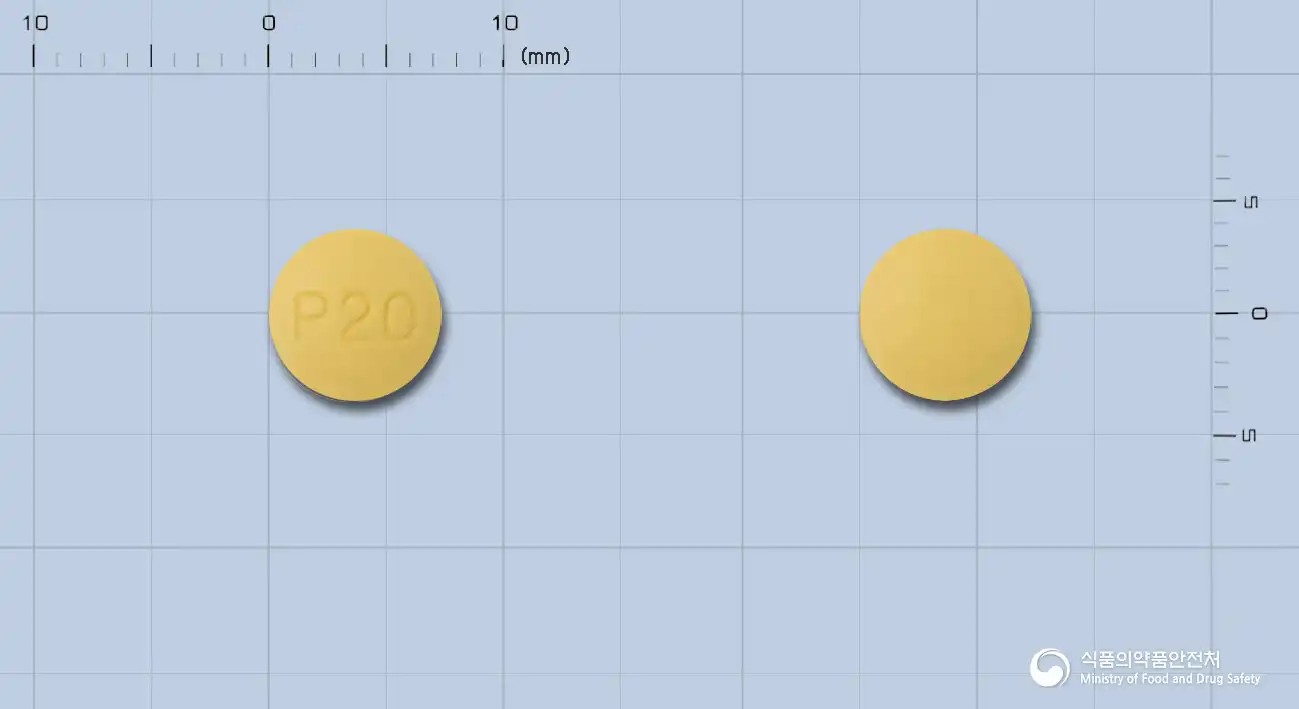
Rabeprazole Sodium 20mg
Tablet · Prescription medication
Genewell Science Co., Ltd.

Rabeprazole Sodium 20mg
Tablet · Prescription medication
Ilyun Pharmaceutical Co., Ltd.

Rabeprazole Sodium 10mg
Tablet · Prescription medication
Shinpoong Pharm. Co., Ltd.
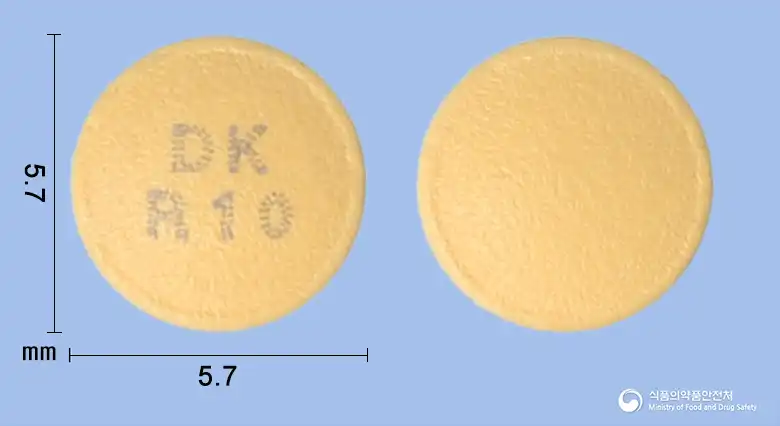
Rabeprazole Sodium 10mg
Tablet · Prescription medication
Dongkuk Pharmaceutical Co., Ltd.

Rabeprazole Sodium 20mg
Tablet · Prescription medication
Jongkundang Co., Ltd.
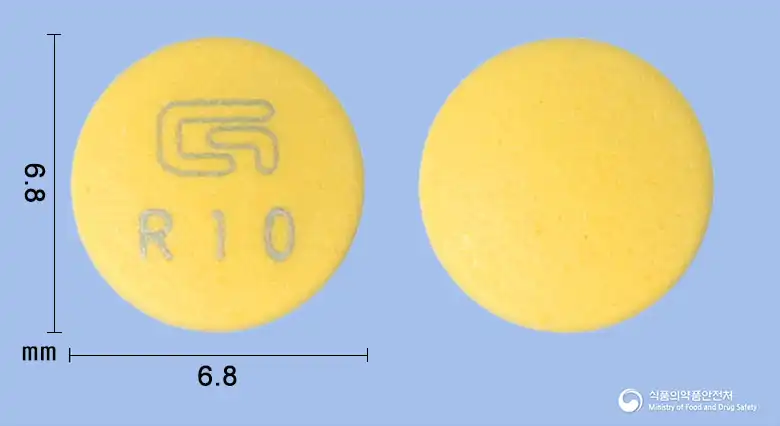
Rabeprazole Sodium 10mg
Tablet · Prescription medication
Donggwang Pharmaceutical Co., Ltd.
Even with the same ingredient, the dose and directions can differ by strength and dosage form. Talk to a doctor or pharmacist before switching from a medication you are already taking.
No questions yet.
For anything that needs medical judgment, consult a doctor or pharmacist.
This drug information is based on data provided by the Korea Ministry of Food and Drug Safety.
Consult a doctor or pharmacist for accurate dosage, administration, and usage instructions.