
 한국어
 English
 日本語
 中文(简体)
Dosage form image
Viewing nowBosintide 10 mg (BonoPrazan Fumarate)
Vonoprazan Fumarate 13.36mg
Tablet · Prescription medication
Takeda Korea Pharmaceutical Co., Ltd.
MFDS item code 201901917 · Approved 2019.03.29
This product's status changed to Approval withdrawn on 2024.12.12. It may no longer be sold, so consult a doctor or pharmacist before taking it.
Treatment and maintenance of erosive reflux disease; treatment of gastric ulcers; prevention of recurrence of NSAID-induced ulcers
This medicine is used for the treatment and maintenance of peptic ulcers and erosive gastroesophageal reflux disease. It also helps prevent the recurrence of gastric ulcers or duodenal ulcers that may occur with non-steroidal anti-inflammatory drugs (NSAIDs). With these effects, it effectively protects digestive health and improves symptoms.
Gastric ulcer Administer vonoprazan 20mg orally once daily to adults. For gastric ulcers, treatment is generally given for up to 8 weeks. Treatment of erosive gastroesophageal reflux disease and maintenance therapy after treatment Administer vonoprazan 20mg orally once daily to adults for up to 4 weeks. If the effect is insufficient, treatment may be continued for up to 8 weeks. For maintenance therapy after treatment of erosive gastroesophageal reflux disease, administer 10mg orally once daily; if the effect is insufficient, 20mg may be administered orally once daily. Prevention of recurrence of gastric or duodenal ulcers during administration of nonsteroidal anti-inflammatory drugs (NSAIDs) Administer vonoprazan 10mg orally once daily to adults.
This medication should not be used in certain patients. Patients who are allergic to this drug or have experienced hypersensitivity reactions should not take it. Additionally, patients currently taking specific medications containing Atazanavir, Nelfinavir, or Rilpivirine should not use this drug. Patients with liver or kidney function problems should be cautious as the metabolism or excretion of this drug may be delayed, resulting in increased blood concentration. Elderly patients should also be administered with caution. Using this medication may result in gastrointestinal adverse reactions such as constipation, diarrhea, abdominal distension, or nausea. Rarely, symptoms like skin rash, liver dysfunction, or edema may occur; if any abnormal symptoms arise, notify healthcare personnel immediately. Liver dysfunction or hepatotoxicity has been reported; if liver function issues occur or symptoms appear, it is recommended to discontinue the use of this medication. Also, long-term users should have their condition monitored through endoscopy, and it is advisable not to use it for maintenance therapy in patients with a low risk of recurrence. This medication suppresses gastric acid secretion to help treat gastrointestinal diseases but may interact with certain drugs. In particular, it should not be taken in combination with Atazanavir, Nelfinavir, or Rilpivirine, as efficacy may be reduced. Moreover, this drug may inhibit specific enzymes or affect metabolism, leading to changes in the concentration and effects of other medications; thus, it is essential to consult a doctor or pharmacist if taking other drugs. Women who are pregnant or nursing should not use this medication as its safety has not been established, and if unavoidable, breastfeeding should be discontinued. Finally, safety has not been verified in children or neonates, and it is advisable not to use this drug. Lastly, this medication is provided in PTP packaging, and care should be taken not to swallow the packaging sheet. The packaging sheet could cause injury to the esophagus and lead to severe complications, so it must be removed from the packaging before use.
Not everyone experiences these, and they can vary from person to person.
This medication should be stored in a tightly closed container to prevent exposure to air or humidity. It is recommended to maintain the storage temperature between 1 to 30 degrees Celsius.
Pale yellow oval film-coated tablet
100 tablets (10 tablets/PTP packaging x 10)/box 30 tablets (10 tablets/PTP packaging x 3)/box
Even with the same ingredient, strength, dosage form and how it is taken can differ.
Vonoprazan Fumarate 13.36mg
Tablet · Prescription medication
Takeda Korea Pharmaceutical Co., Ltd.
Vonoprazan Fumarate 26.72mg
Tablet · Prescription medication
Takeda Korea Co., Ltd.
Vonoprazan Fumarate 26.72mg
Tablet · Prescription medication
Dongkwang Pharmaceutical Co., Ltd.
Vonoprazan Fumarate 13.36mg
Tablet · Prescription medication
Dongkwang Pharmaceutical Co., Ltd.
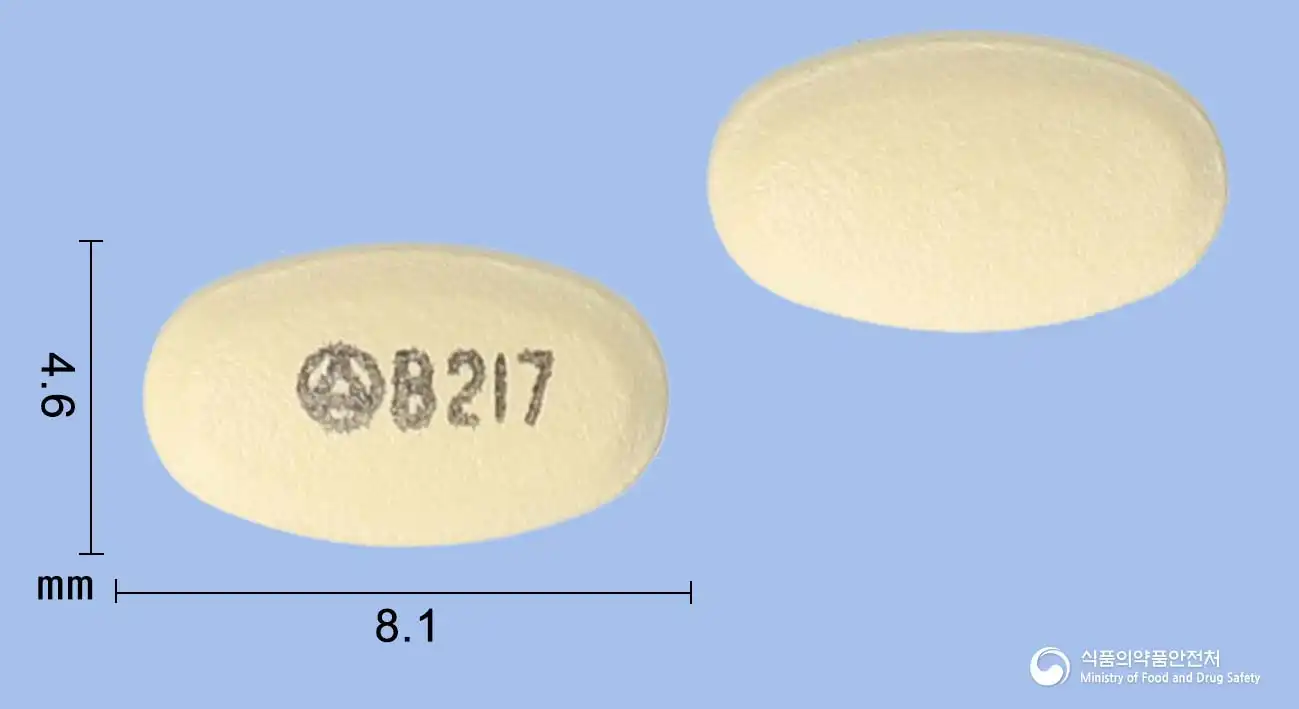
Vonoprazan Fumarate 13.36mg
Tablet · Prescription medication
Takeda Pharmaceuticals Korea Co., Ltd.
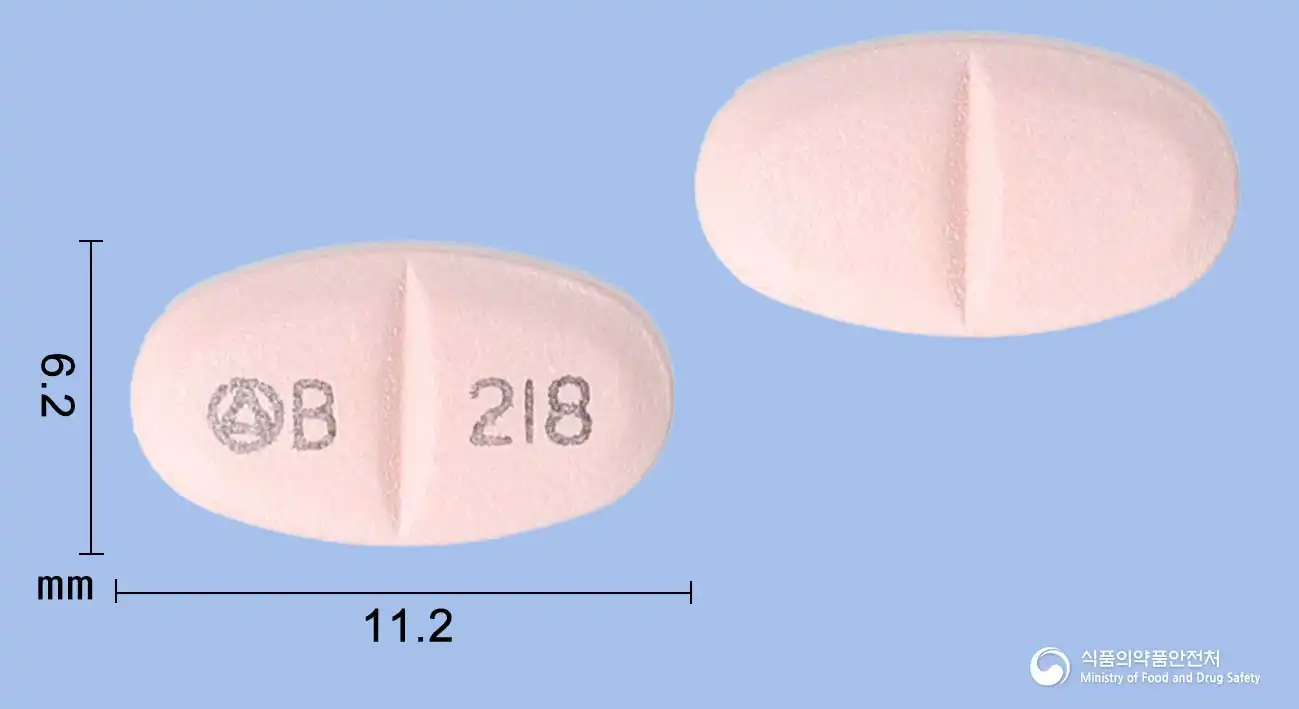
Vonoprazan Fumarate 26.72mg
Tablet · Prescription medication
Korea Takeda Pharmaceutical Co., Ltd.
Vonoprazan Fumarate 26.72mg
Tablet · Prescription medication
White Life Science Co., Ltd.
Even with the same ingredient, the dose and directions can differ by strength and dosage form. Talk to a doctor or pharmacist before switching from a medication you are already taking.
No questions yet.
For anything that needs medical judgment, consult a doctor or pharmacist.
This drug information is based on data provided by the Korea Ministry of Food and Drug Safety.
Consult a doctor or pharmacist for accurate dosage, administration, and usage instructions.