
 한국어
한국어 English
 日本語
日本語 中文(简体)
Dosage form image
Viewing nowLevofloxacin Tablets 500 mg (Levofloxacin Hydrate)
Levofloxacin Hydrate 512.3mg
Tablet · Prescription medication
HLB Co., Ltd.
MFDS item code 201901865 · Approved 2019.03.28
This product's status changed to Expired on 2024.03.28. It may no longer be sold, so consult a doctor or pharmacist before taking it.
Treatment of bacterial infections such as complicated skin and soft tissue infections, community-acquired pneumonia, etc.
This medication is effective against various types of bacteria and is used to treat complicated skin and soft tissue infections, community-acquired pneumonia, acute bacterial exacerbation of chronic bronchitis, acute sinusitis, and various forms of urinary tract infections and chronic bacterial prostatitis. However, fluoroquinolone drugs like this one carry significant risk of adverse effects and should only be used when other treatment options are unavailable. Patients should be fully aware of this and follow the instructions when taking this medication. This medication helps effectively treat bacterial infections and improve the infection status.
Typically, the adult dosage of levofloxacin is 250-750 mg taken orally once daily. For patients with normal renal function (creatinine clearance greater than 80 mL/min): - Complicated skin and soft tissue infections: 750 mg every 24 hours for 10-14 days - Community-acquired pneumonia: 500 mg every 24 hours for 7 days - Acute bacterial exacerbation of chronic bronchitis: 7 days - Acute sinusitis: 10-14 days -
This medication can cause tendon-related issues such as tendinitis or tendon rupture; therefore, it should be discontinued immediately if pain or inflammation occurs in the tendons. Additionally, it may affect peripheral neuropathy or the central nervous system, leading to various neurological symptoms such as neuralgia, tremors, anxiety, and depression. It should not be used in patients with myasthenia gravis due to the risk of worsening symptoms. This medication should not be administered to adolescents under 18 years of age or to women who are pregnant or breastfeeding. Elderly patients or those with impaired renal function may experience increased drug concentration and a higher risk of side effects, thus requiring dose adjustments and careful monitoring. This medication may increase the risk of seizures, so patients with epilepsy or a history of convulsions should be particularly cautious. Furthermore, it is advisable to avoid strong sunlight or artificial UV exposure while taking this medication; if skin rashes or photoreactions occur, it should be discontinued immediately. Diabetic patients requiring blood sugar control should pay attention to blood sugar changes and check their blood sugar levels regularly. Patients with cardiac-related issues or a history of aortic aneurysms or valvular heart disease should consult a physician before using this medication. It can interact with other drugs, especially anticoagulants, anti-inflammatory drugs, antacids, and theophylline, so it should be taken under professional guidance when combined with these medications. In cases of overdose, close monitoring of cardiac function and the status of the central nervous system is necessary, along with appropriate treatment. Lastly, it is important to adhere strictly to the treatment duration and dosage of this medication, and to inform healthcare personnel immediately if any abnormal symptoms arise.
Hives, severe swelling (edema), chest tightness, difficulty breathing, cold sweat, paleness, severe rash with high fever, blisters, skin peeling, pain in oral/ocular mucosa, shortness of breath or difficulty breathing, asthma attacks, respiratory abnormalities accompanied by cough and fever, jaundice (yellowing of the skin or eyes), severe lethargy, sudden and severe headache, lightning headache, seizures, altered consciousness, visual disturbances, paralysis, urination
Not everyone experiences these, and they can vary from person to person.
This medication should be stored in a tightly sealed container to protect it from air and moisture. It is best to maintain a storage temperature between 1°C and 30°C. Proper storage will help maintain the medication's efficacy and safety for an extended period.
Peach-colored oblong film-coated tablet
28 tablets/bottle, 100 tablets/bottle
Even with the same ingredient, strength, dosage form and how it is taken can differ.
Levofloxacin Hydrate 512.3mg
Tablet · Prescription medication
HLB Co., Ltd.
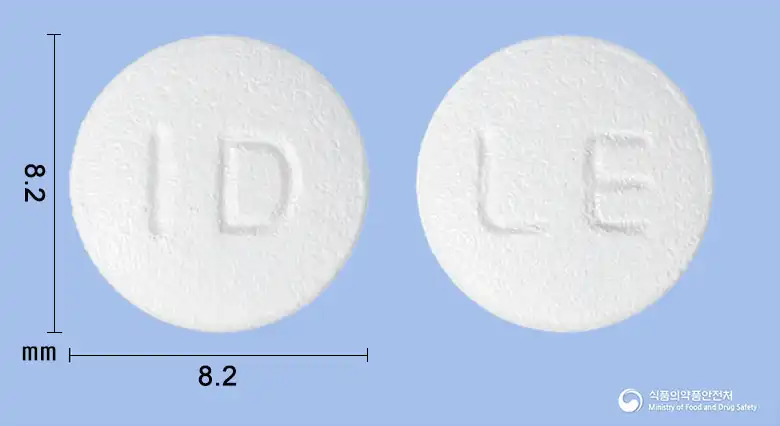
Levofloxacin Hydrate 100mg
Tablet · Prescription medication
Ildong Pharmaceutical Co., Ltd.
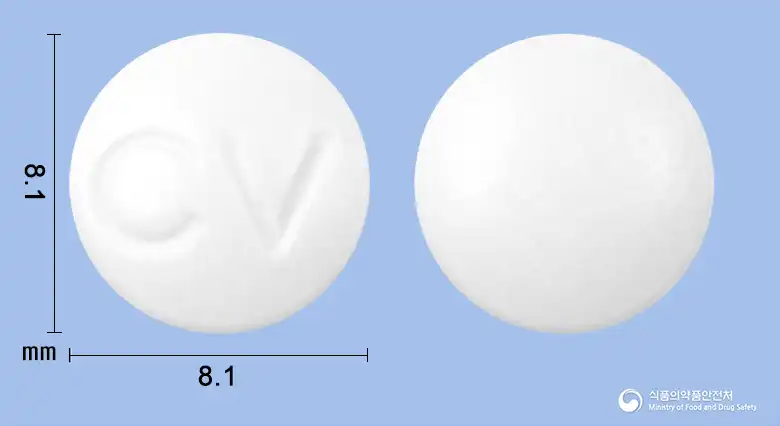
Levofloxacin 100mg
Tablet · Prescription medication
Jeil Pharmaceutical Co., Ltd.
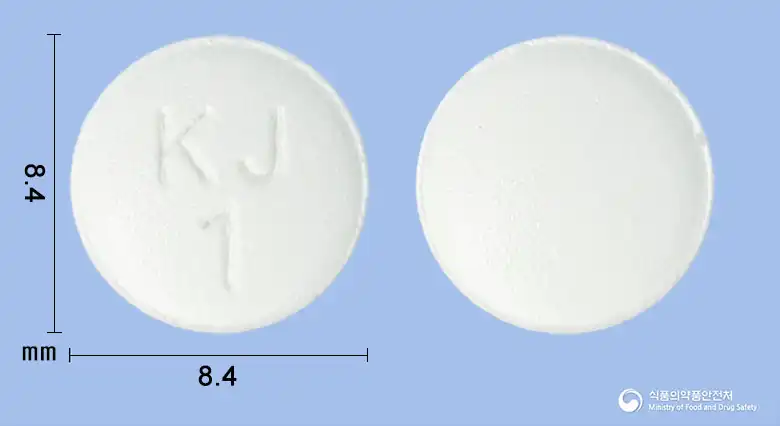
Levofloxacin Hydrate 100mg
Tablet · Prescription medication
International Pharmaceuticals Co., Ltd.
Levofloxacin 5.1246mg
Prescription medication
Jeil Pharmaceutical Co., Ltd.
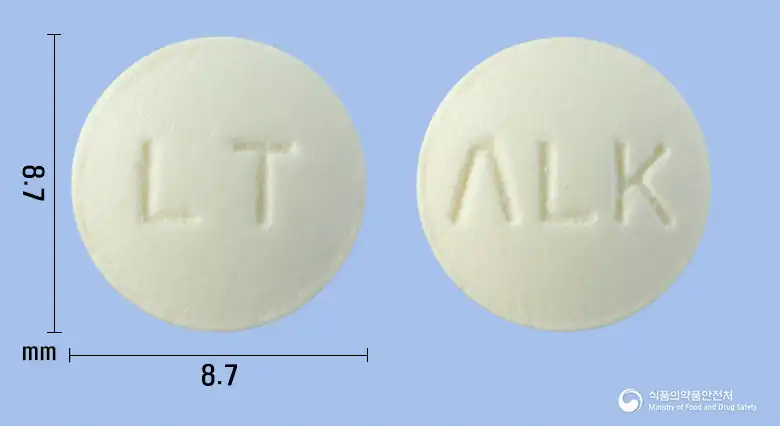
Levofloxacin Hydrate 100mg
Tablet · Prescription medication
SS Pharm Co., Ltd.
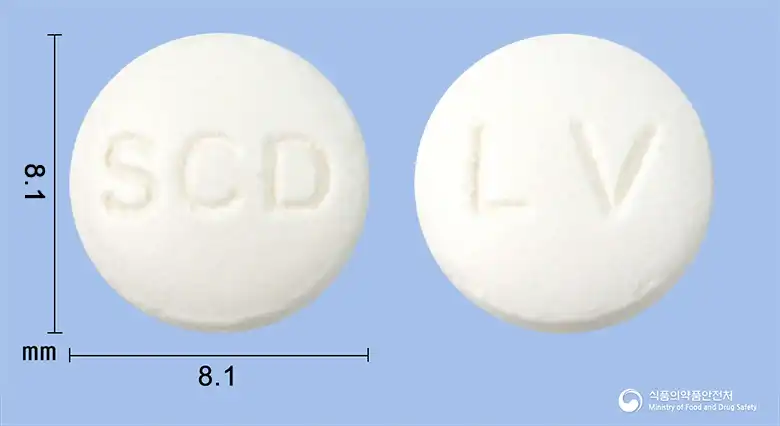
Levofloxacin Hydrate 102.49mg
Tablet · Prescription medication
Samchundang Pharmaceutical Co., Ltd.
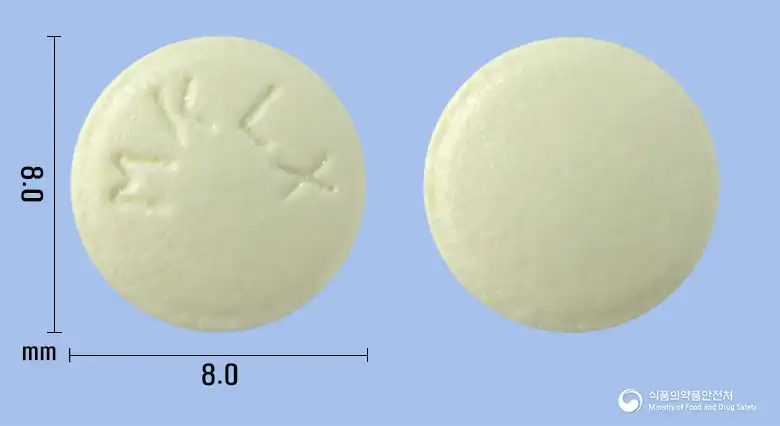
Levofloxacin Hydrate 100mg
Tablet · Prescription medication
Medica Korea Co., Ltd.
Even with the same ingredient, the dose and directions can differ by strength and dosage form. Talk to a doctor or pharmacist before switching from a medication you are already taking.
No questions yet.
For anything that needs medical judgment, consult a doctor or pharmacist.
This drug information is based on data provided by the Korea Ministry of Food and Drug Safety.
Consult a doctor or pharmacist for accurate dosage, administration, and usage instructions.