
 한국어
한국어 English
 日本語
日本語 中文(简体)
Dosage form image
Viewing nowLevofloxacin Tablet 250 mg (Levofloxacin Hemihydrate)
Levofloxacin Hydrate 256.15mg
Tablet · Prescription medication
HLB Pharmaceuticals Co., Ltd.
MFDS item code 201901864 · Approved 2019.03.28
This product's status changed to Expired on 2024.03.28. It may no longer be sold, so consult a doctor or pharmacist before taking it.
Treatment of complicated skin and soft tissue infections, community-acquired pneumonia, etc.
This medication is effective against various bacteria such as Staphylococcus aureus, Streptococcus pneumoniae, and Mycoplasma pneumoniae, and is used for the treatment of complicated skin and soft tissue infections, pneumonia occurring in the community, acute bacterial exacerbation of chronic bronchitis, acute sinusitis, as well as various urinary tract infections and prostatitis. However, due to the risk of serious adverse reactions associated with fluoroquinolone drugs, it is recommended to use it only when there are no other treatment options for acute bacterial sinusitis, acute exacerbation of chronic bronchitis, uncomplicated urinary tract infections, and complicated skin and soft tissue infections. This drug effectively treats various bacterial infections and helps improve the patient's condition.
In adults, levofloxacin is taken orally once daily at a dose of 250 to 750 mg. In patients with normal kidney function, the dosage is administered every 24 hours, according to the type of infection from 250 mg to 750 mg. For patients with renal impairment, the loading dose and maintenance dose should be adjusted according to creatinine clearance. For example, in the case of complicated skin and soft tissue infections, if creatinine clearance is 50 to 80 mL/min, there is no need for dosage adjustment.
This drug is a fluoroquinolone antibiotic used to treat various bacterial infections. However, it can cause severe side effects such as tendinitis or tendon rupture, peripheral neuropathy, central nervous system disorders, and exacerbation of myasthenia gravis. If any of these symptoms appear, the medication should be stopped immediately and other drugs in the same class should not be used. In particular, myasthenia gravis patients may experience worsening symptoms if taking this medication, so it is safer not to use it. Additionally, this medication should be used only when there are no other treatment alternatives for certain infections such as acute bacterial sinusitis, acute exacerbations of chronic bronchitis and chronic obstructive pulmonary disease, uncomplicated urinary tract infections, and acute otitis media. Elderly patients or those with reduced kidney function, as well as patients taking corticosteroids, should be cautious as the risk of tendon rupture may increase. If pain or inflammation occurs in the shoulder, hands, Achilles tendon, etc. during medication use, it is necessary to stop the medication and take a rest immediately. Due to the risk of seizures, patients with epilepsy or central nervous system disorders should be especially careful, and the risk of seizures may increase when combined with phenylacetic acid or propionic acid anti-inflammatory drugs and theophylline. Patients with hypersensitivity to this drug or a history of tendinitis or tendon rupture, individuals under 18 years of age in the growth phase, pregnant women or those who may become pregnant, nursing mothers, and patients with epilepsy should not use it. During treatment, various side effects such as severe allergic reactions, skin rash, photosensitivity, central nervous system symptoms (insomnia, dizziness, headache, anxiety, hallucinations, etc.), heart rhythm disturbances, renal and liver dysfunction, blood abnormalities, gastrointestinal disorders, musculoskeletal issues, pneumonia, etc. may occur, so patients should consult a doctor immediately if any abnormal symptoms occur. This medication can affect blood sugar control, so diabetic patients should monitor their blood sugar levels carefully and report immediately if there is a sudden drop or increase in blood sugar to the healthcare provider. While taking this medication, it is advisable to avoid strong sunlight or artificial UV exposure, and caution should also be taken when driving or operating machinery as dizziness or drowsiness may occur. Furthermore, this medication can interact with various drugs, so if taking other medications, it is essential to inform the doctor or pharmacist. In particular, the timing of administration should be spaced from antacids, iron, calcium, and zinc-containing preparations, and caution should be exercised when used in conjunction with anticoagulants such as warfarin due to an increased risk of bleeding. Pregnant women or nursing mothers are advised not to take this medication, and growing children and adolescents should also avoid it. In the case of overdose, central nervous system symptoms and heart rhythm abnormalities may occur, necessitating immediate treatment at a medical facility. This drug is effective for infection treatment, but considering its side effects and risks, it should only be used according to a doctor's prescription and guidance.
Hives, severe swelling (edema), chest tightness, difficulty breathing, cold sweat, pallor, severe rash with high fever, blisters, peeling skin, pain in oral/ocular mucosa, shortness of breath or difficulty breathing, asthma attacks, respiratory abnormalities accompanied by cough + fever, yellowing of skin or eyes (jaundice), extreme lethargy, sudden and severe headache, lightning headache, seizures, confusion, vision abnormalities, paralysis, urination
Insomnia, dizziness, headache, tremors, anxiety, depression, psychotic reactions (hallucinations, paranoia, excitability, delirium, disorientation, attention deficits, nightmares), restlessness, confusion, visual and auditory disturbances, taste and smell disorders, tinnitus, sensory disturbances, hypesthesia, weakness, palpitations, QT interval prolongation, arrhythmia, increased BUN and serum creatinine, nausea, vomiting, abdominal discomfort, diarrhea, loss of appetite, abdominal pain, abdominal
Not everyone experiences these, and they can vary from person to person.
This medication may be sensitive to air or moisture, so it should be stored in a tightly sealed container. Additionally, to maintain the drug's efficacy, it is important to store it in a cool room temperature, specifically between 1°C and 30°C.
Reddish pink, rectangular film-coated tablets
30 tablets/bottle, 100 tablets/bottle
Even with the same ingredient, strength, dosage form and how it is taken can differ.
Levofloxacin Hydrate 256.15mg
Tablet · Prescription medication
HLB Pharmaceuticals Co., Ltd.
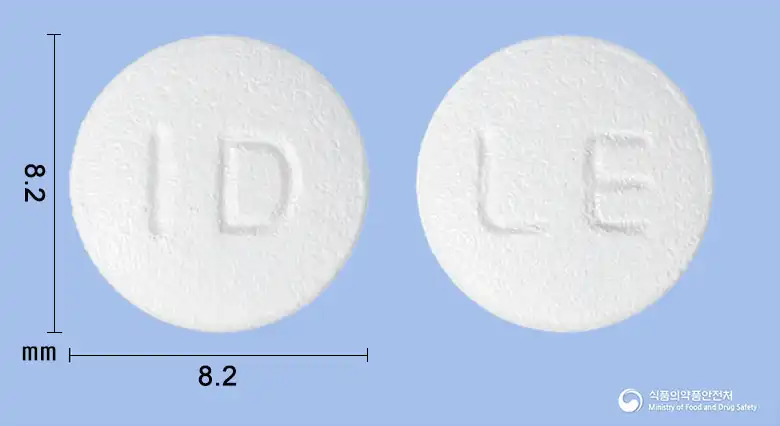
Levofloxacin Hydrate 100mg
Tablet · Prescription medication
Ildong Pharmaceutical Co., Ltd.
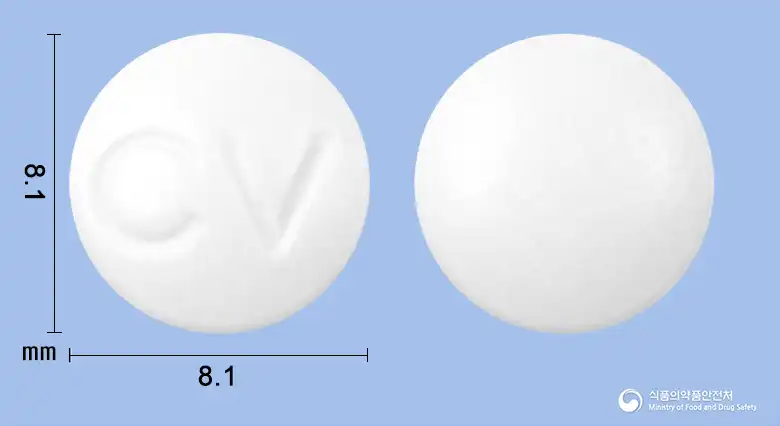
Levofloxacin 100mg
Tablet · Prescription medication
Jeil Pharmaceutical Co., Ltd.
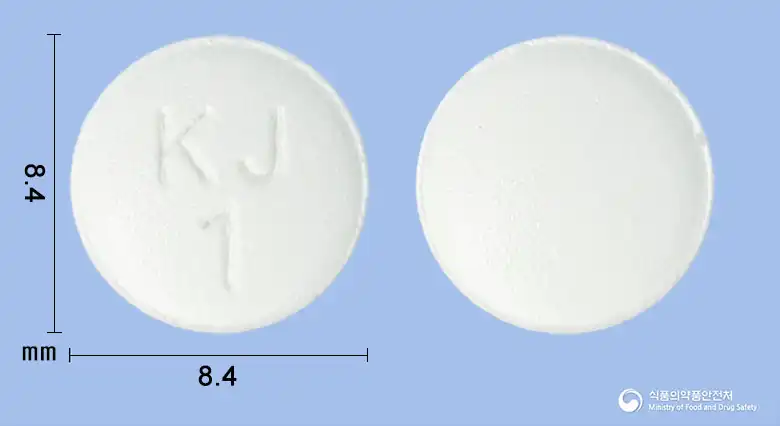
Levofloxacin Hydrate 100mg
Tablet · Prescription medication
International Pharmaceuticals Co., Ltd.
Levofloxacin 5.1246mg
Prescription medication
Jeil Pharmaceutical Co., Ltd.
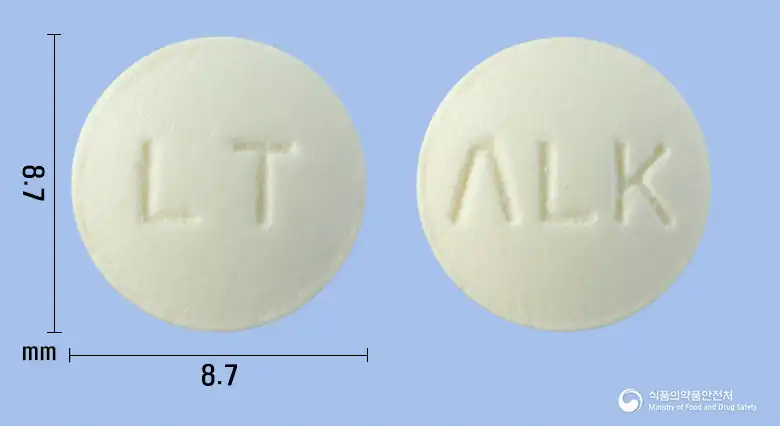
Levofloxacin Hydrate 100mg
Tablet · Prescription medication
SS Pharm Co., Ltd.
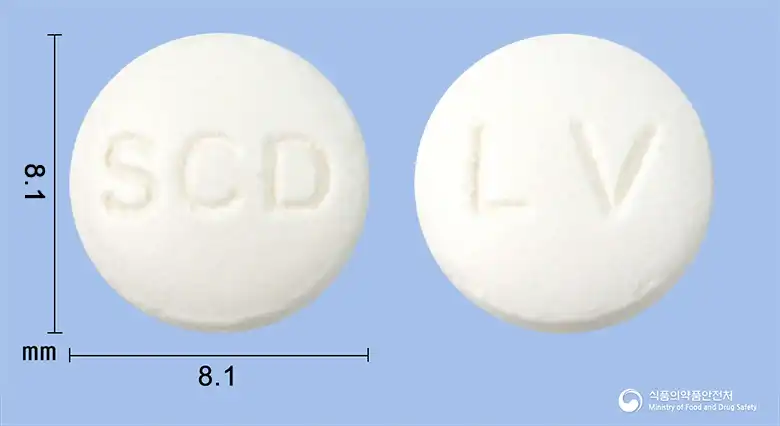
Levofloxacin Hydrate 102.49mg
Tablet · Prescription medication
Samchundang Pharmaceutical Co., Ltd.
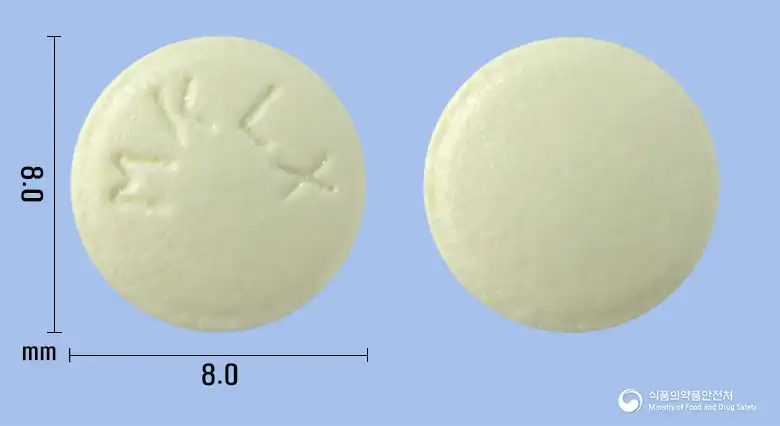
Levofloxacin Hydrate 100mg
Tablet · Prescription medication
Medica Korea Co., Ltd.
Even with the same ingredient, the dose and directions can differ by strength and dosage form. Talk to a doctor or pharmacist before switching from a medication you are already taking.
No questions yet.
For anything that needs medical judgment, consult a doctor or pharmacist.
This drug information is based on data provided by the Korea Ministry of Food and Drug Safety.
Consult a doctor or pharmacist for accurate dosage, administration, and usage instructions.