
 한국어
한국어 English
 日本語
日本語 中文(简体)
 Viewing nowCombination
Pazomet 15/850 mg
Pioglitazone Hydrochloride 16.53mg · Metformin Hydrochloride 850mg
Tablet · Prescription medication · Combination
Dongku Bio Pharmaceutical Co., Ltd.
MFDS item code 201901835 · Approved 2019.03.27 · Insurance code 657307370
Improvement of blood glucose control in type 2 diabetes
This medication is used to improve blood glucose control in patients with type 2 diabetes who are undergoing dietary and exercise therapy.
The initial dosage of this medication should be based on the patient's current therapeutic regimen. 1. For patients whose blood glucose is not adequately controlled with monotherapy of Metformin or Pioglitazone: Start with one tablet of this medication daily based on the current dose of Metformin or Pioglitazone, and gradually adjust the dosage based on therapeutic response. 2. For patients switching from combination therapy of Pioglitazone and Metformin: Existing dosages of Pioglitazone and Metformin can be used as the starting point for this medication.
This medication is primarily composed of two ingredients, and precautions may differ based on each component. The first ingredient is Metformin, which can rarely cause serious lactic acidosis. Lactic acidosis is a dangerous condition caused by excessive accumulation of lactic acid in the body and may occur more frequently in patients with impaired kidney function or issues with the heart or lungs. If symptoms such as shortness of breath, muscle pain, fatigue, or abdominal pain occur, you should immediately inform your physician. Additionally, this medication should not be administered to patients with reduced kidney function, and it is advisable to avoid its use in cases of impaired liver function. Excessive alcohol consumption can affect the metabolism of lactic acid by this medication, increasing the risk of side effects, so alcohol should be avoided while taking it. The second ingredient is Pioglitazone, which may worsen heart failure and should not be used in patients with severely impaired heart function. If symptoms of heart failure, such as weight gain, edema, or dyspnea occur during treatment, you must immediately notify healthcare personnel. Moreover, this medication should be administered cautiously in patients with a history of bladder cancer, and symptoms such as urinary obstruction or hematuria should be reported to your doctor immediately. Female patients may need to be aware of the increased risk of fractures with long-term use. This medication should not be given to women who are pregnant or breastfeeding, and safety in children has not been established. Elderly patients may require dose adjustments and regular kidney function tests due to the possibility of impaired renal function. Furthermore, this medication may interact with several other drugs, so you must inform healthcare personnel of any other medications you are taking. Before surgery or tests involving iodine contrast agents, this medication should be temporarily discontinued and restarted only after confirming normal kidney function. Finally, during the use of this medication, regular monitoring of blood glucose, kidney function, liver function, and hematological values is necessary to check for abnormalities, and you should consult healthcare personnel immediately if symptoms occur.
Lactic acidosis, severe hypoglycemia, congestive heart failure, symptoms and signs of heart failure (excessive weight changes, dyspnea, edema), contraindication in severe heart failure patients, severe liver failure, symptoms of jaundice, severe edema, severe allergic reactions, development or exacerbation of bladder cancer, severe neurological symptoms, acute kidney failure, hypoxic conditions, pulmonary embolism, acute myocardial infarction, ambiguous acute or chronic metabolic acidosis, ketoacidosis, severe hypoglycemia
Not everyone experiences these, and they can vary from person to person.
This medication may be sensitive to air or humidity, so it should be stored in a tightly sealed container. It is recommended to maintain a storage temperature between 1 and 30 degrees Celsius to preserve the medication's effectiveness and safety for a longer period.
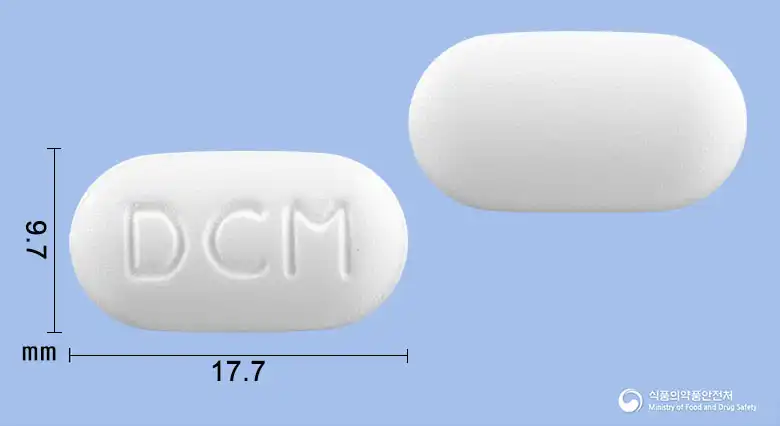
White to grayish-white rectangular film-coated tablets
30 tablets (10 tablets/Alu-Alu×3)
Even with the same ingredient, strength, dosage form and how it is taken can differ.
Viewing nowCombinationPioglitazone Hydrochloride 16.53mg · Metformin Hydrochloride 850mg
Tablet · Prescription medication · Combination
Dongku Bio Pharmaceutical Co., Ltd.
Pioglitazone Hydrochloride 16.53mg · Metformin Hydrochloride 850mg
Tablet · Prescription medication · Combination
Celltrion Pharmaceutical Co., Ltd.
 Combination
Metformin Hydrochloride 850mg · Pioglitazone Hydrochloride 16.53mg
Tablet · Prescription medication · Combination
Genewon Science Co., Ltd.
 Combination
Metformin Hydrochloride 850mg · Pioglitazone Hydrochloride 16.53mg
Tablet · Prescription medication · Combination
Dalim Biotech Co., Ltd.
 Combination
Pioglitazone Hydrochloride 16.53mg · Metformin Hydrochloride 850mg
Tablet · Prescription medication · Combination
Kyungdong Pharmaceutical Co., Ltd.
Metformin Hydrochloride · Pioglitazone Hydrochloride
Prescription medication · Combination
Nexpam Korea Co., Ltd.
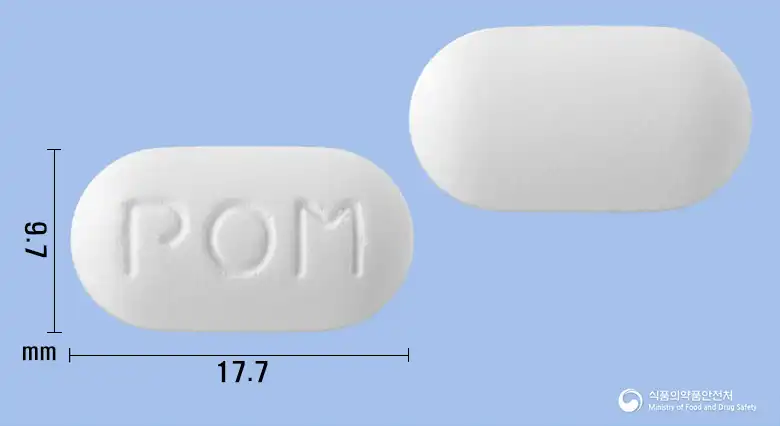 Combination
Pioglitazone Hydrochloride 16.53mg · Metformin Hydrochloride 850mg
Tablet · Prescription medication · Combination
Korea Prime Pharmaceutical Co., Ltd.
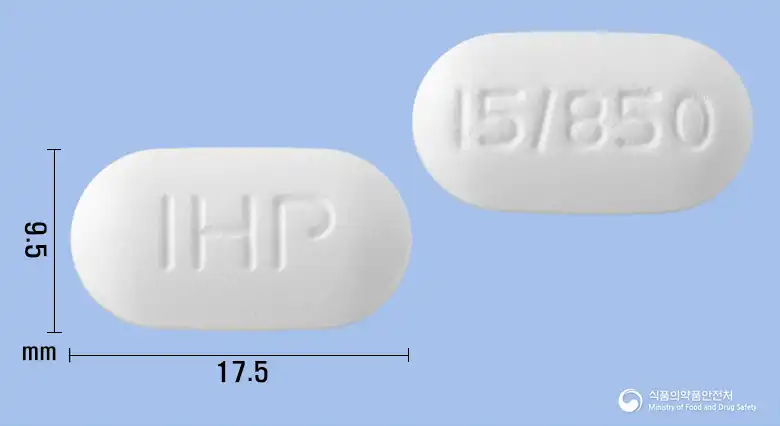 Combination
Metformin Hydrochloride 850mg · Pioglitazone Hydrochloride 16.53mg
Tablet · Prescription medication · Combination
Ilhwa Co., Ltd.
Even with the same ingredient, the dose and directions can differ by strength and dosage form. Talk to a doctor or pharmacist before switching from a medication you are already taking.
No questions yet.
For anything that needs medical judgment, consult a doctor or pharmacist.
This drug information is based on data provided by the Korea Ministry of Food and Drug Safety.
Consult a doctor or pharmacist for accurate dosage, administration, and usage instructions.