
 한국어
 English
 日本語
 中文(简体)
Dosage form image
Viewing nowNeurochide Tablets (R-Lipoic Acid Trometamol)
R-Thioctic Acid Tromethamine 480mg
Tablet · Prescription medication
Myungmoon Pharmaceutical Co., Ltd.
MFDS item code 201901805 · Approved 2019.03.26
This product's status changed to Expired on 2024.03.26. It may no longer be sold, so consult a doctor or pharmacist before taking it.
Relief of diabetic polyneuritis
This medication is used to alleviate symptoms caused by diabetic polyneuropathy. It reduces pain and sensory disturbances due to nerve damage, thus improving the quality of life for patients.
Adults: Take 480 milligrams of thioctic acid tromethamine salt once daily with a sufficient amount of water, approximately 30 minutes before breakfast.
This medicine should not be used by individuals who have allergic reactions to R-Lipoic Acid Trometamol, thioctic acid, or any other ingredients in this medication. Taking this medication may cause symptoms such as sensory disturbances, pain, headache, constipation, dry mouth, and cough, and in rare cases, serious side effects such as nephrolithiasis may occur. It is also recommended to avoid alcohol consumption during this medication. Alcohol can worsen nerve damage and decrease the therapeutic effect of this medication. There may be interactions if this medication is taken with other drugs, especially iron or magnesium supplements and milk, so it should be taken with an interval. People taking blood glucose control medications should frequently check their blood glucose levels and adjust their medication doses as necessary, as there is a risk of hypoglycemia. Caution is advised during pregnancy or breastfeeding, and usage should be considered carefully after consulting a physician. This medication should not be used in individuals under 18 years of age, as its safety has not been established. In case of an overdose, seek immediate medical attention for appropriate treatment; emergency treatment may be necessary in severe cases. This medication should be stored below 30 degrees Celsius and kept out of reach of children. Furthermore, transferring the medication to other containers may lead to degradation of quality or accidents, so caution is advised.
Not everyone experiences these, and they can vary from person to person.
This medication is sensitive to air and moisture, so it should be stored in a tightly sealed container. It is best kept at room temperature between 1 and 30 degrees Celsius. This helps maintain the effectiveness of the medication and prevents deterioration.
Light green, oblong film-coated tablets
30 tablets/bottle, 100 tablets/bottle
Even with the same ingredient, strength, dosage form and how it is taken can differ.
R-Thioctic Acid Tromethamine 480mg
Tablet · Prescription medication
Myungmoon Pharmaceutical Co., Ltd.
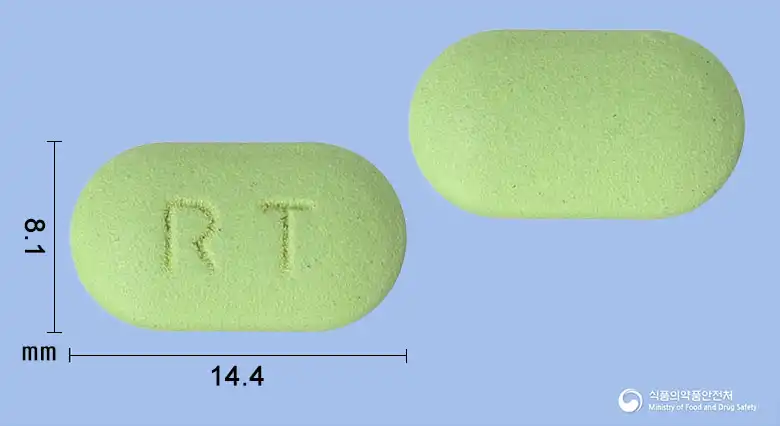
R-Thioctic Acid Tromethamine 480mg
Tablet · Prescription medication
Bukwang Pharmaceutical Co., Ltd.
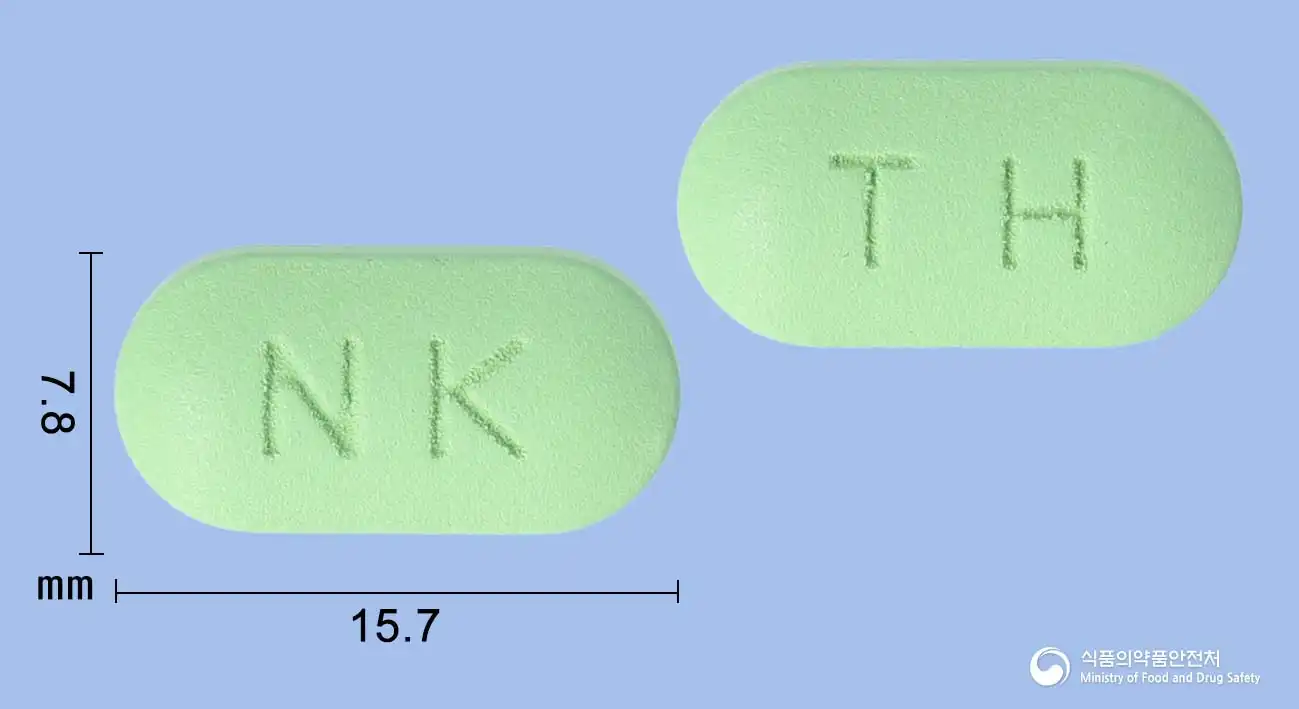
R-Thioctic Acid Tromethamine 480mg
Tablet · Prescription medication
NexPharm Korea Co., Ltd.
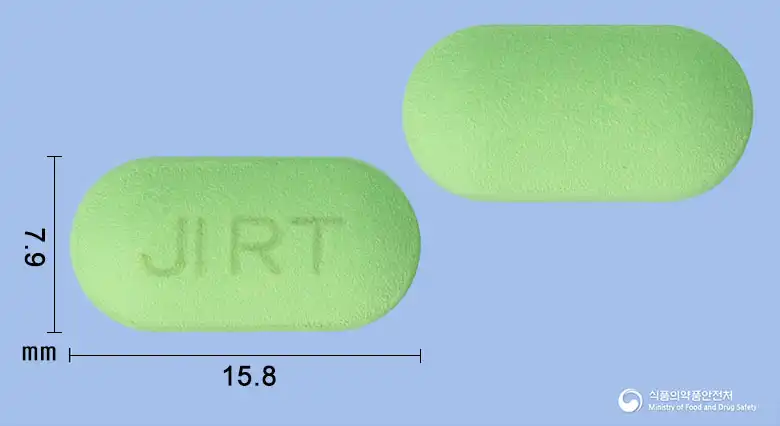
R-Thioctic Acid Tromethamine 480mg
Tablet · Prescription medication
Jeil Pharmaceutical Co., Ltd.
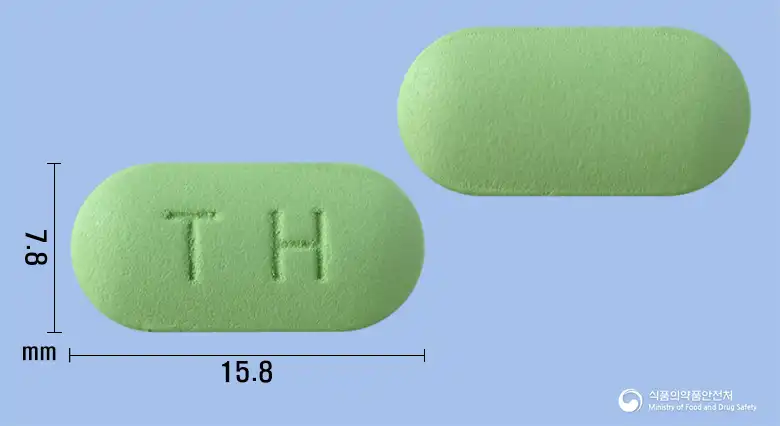
R-Thioctic Acid Tromethamine 480mg
Tablet · Prescription medication
Korea Prime Pharm, Co., Ltd.
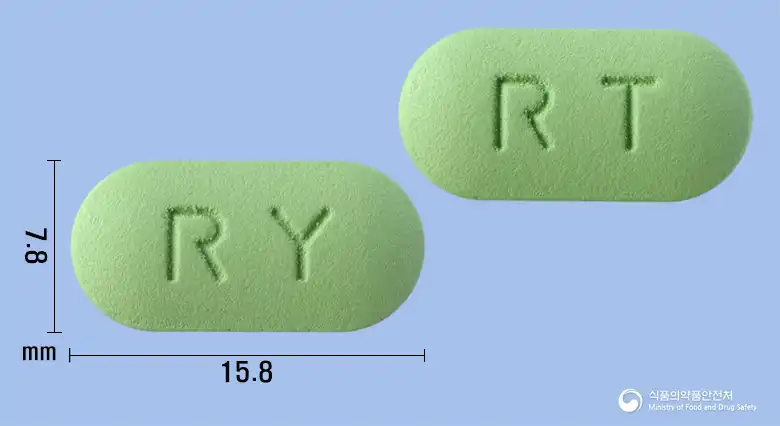
R-Thioctic Acid Tromethamine 480mg
Tablet · Prescription medication
IYON Pharmaceutical Co., Ltd.
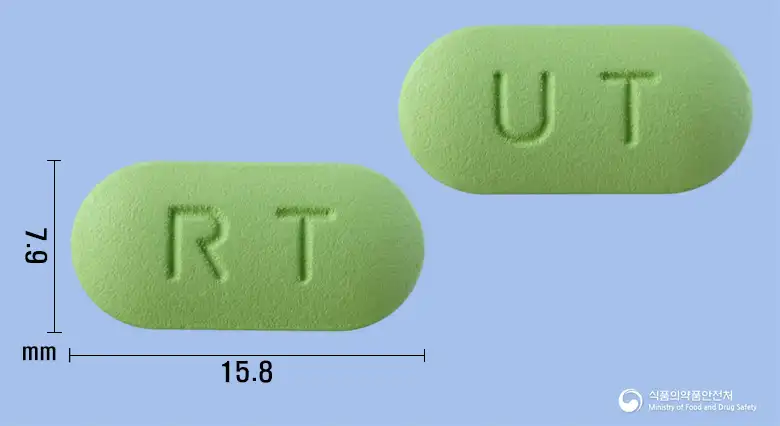
R-Thioctic Acid Tromethamine 480mg
Tablet · Prescription medication
Korea United Pharmaceutical Co., Ltd.
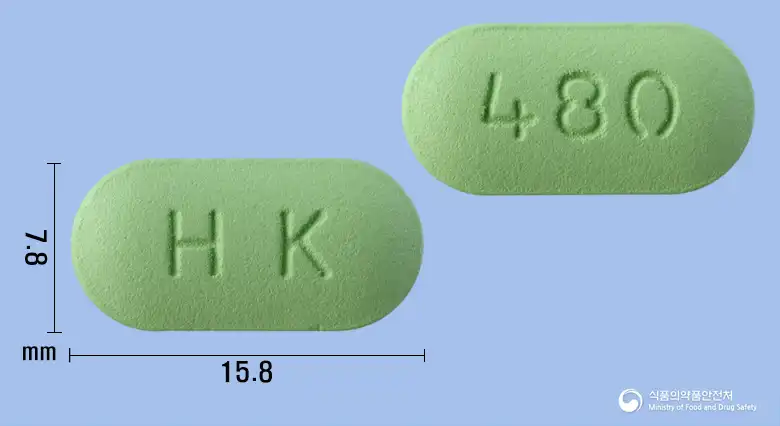
R-Thioctic Acid Tromethamine 480mg
Tablet · Prescription medication
Korea Chorus Co., Ltd.
Even with the same ingredient, the dose and directions can differ by strength and dosage form. Talk to a doctor or pharmacist before switching from a medication you are already taking.
No questions yet.
For anything that needs medical judgment, consult a doctor or pharmacist.
This drug information is based on data provided by the Korea Ministry of Food and Drug Safety.
Consult a doctor or pharmacist for accurate dosage, administration, and usage instructions.