
 한국어
 English
 日本語
 中文(简体)
 Viewing now
Memantine Tablets (Memantine Hydrochloride)
Memantine Hydrochloride 10mg
Tablet · Prescription medication
Medix Pharmaceutical Co., Ltd.
MFDS item code 201901526 · Approved 2019.03.12 · Insurance code 625800740
Treatment of moderate to severe Alzheimer’s disease
This medication is used for the treatment of moderate to severe Alzheimer’s disease. Alzheimer’s disease is a neurodegenerative disorder characterized by memory and cognitive function decline, and this medication helps to slow the progression of symptoms or improve symptoms. Patients can expect to enhance their daily living skills through consistent dosing. Additionally, it contributes to the improvement of quality of life by alleviating various symptoms associated with memory decline. This medication is effective for the treatment of moderate to severe Alzheimer’s disease.
Treatment must be initiated by a physician experienced in the diagnosis and treatment of Alzheimer’s dementia, and only when a caregiver is able to regularly check that the patient is taking the medication. Diagnosis should be made according to currently accepted guidelines. The clinical benefit of this medication and the patient’s tolerability of treatment should be reassessed regularly. This medication is administered orally once daily, at the same time each day. If necessary, it may be administered twice daily. It may be taken with or without food. 1. Adults Dose escalation: The maximum daily dose is 20mg. To minimize the risk of adverse reactions, increase the dose by 5mg per week over the first 3 weeks as follows, until the maintenance dose is reached. Week 1 (Day 1–7) Administer 5mg once daily for 7 days. Week 2 (Day 8–14) Administer 10mg once daily for 7 days. Week 3 (Day 15–21) Administer 15mg once daily for 7 days. From Week 4 onward Administer 20mg once daily. Maintenance dose: The recommended maintenance dose is 20mg once daily. 2. Older adults: Based on clinical data, the recommended dose for patients aged 65 years and older is 20mg once daily. 3. Patients with renal impairment: No dose adjustment is required in patients with mild renal impairment (creatinine clearance: 50-80 mL/min). In patients with moderate renal impairment (creatinine clearance 30-49 mL/min), the daily dose should be reduced to 10mg. If well tolerated after at least 7 days of administration, the dose may be increased to 20mg once daily according to the standard dose-escalation schedule. In patients with severe renal impairment (creatinine clearance 5-29 mL/min), the daily dose should be reduced to 10mg. 4. Patients with hepatic impairment: No dose adjustment is required in patients with mild or moderate hepatic impairment (Child-Pugh A, Child-Pugh B). Since no data are available on the use of memantine in patients with severe hepatic impairment, it is preferable not to administer this medication.
This medication should not be used in patients with allergies to its components. It is also safe to avoid administering it to patients with severely impaired liver function or significantly decreased kidney function. Patients with epilepsy, a history of seizures, or a predisposition to seizures should be particularly cautious when using this medication. Moreover, co-administration with certain medications such as amantadine, ketamine, or dextromethorphan may increase central nervous system side effects, so it is advisable not to combine them. Caution is also necessary in cases of changes in urinary acidity, and patients with changes in dietary habits or specific urinary tract infections should have their condition monitored regularly. Patients with recent heart disease or uncontrolled hypertension require careful judgment when using this medication. During the use of this medication, side effects such as dizziness, headaches, constipation, drowsiness, and hypertension may occur, and if symptoms are severe, consultation with healthcare professionals is recommended. This medication may interact with other medications, so it is essential to inform healthcare providers of any other drugs currently being taken. In particular, when used with antipsychotic medications, muscle relaxants, or anticoagulants, dosage adjustments or monitoring of the condition may be necessary. Women who are pregnant or may become pregnant should consult their doctor as this medication may affect the fetus. For breastfeeding women, it is recommended to discontinue breastfeeding as this medication may pass into breast milk. This medication should not be used in children or adolescents under 18 years of age as its safety and efficacy have not been confirmed. In cases of overdose, serious symptoms such as confusion, drowsiness, dizziness, hallucinations, and seizures may occur, so adherence to the prescribed dosage is crucial. In the event of suspected overdose, it is essential to visit a medical institution immediately for appropriate treatment. Finally, this medication may affect the patient’s reaction speed, so extra caution is advised when driving or operating machinery. Lastly, this medication should be kept out of reach of children and not transferred to other containers.
Not everyone experiences these, and they can vary from person to person.
This medication should be stored in a sealed container to protect it from air and moisture. It is important to maintain storage temperatures between 1 and 30 degrees Celsius. Proper storage can help maintain the medication's efficacy and safety over time.
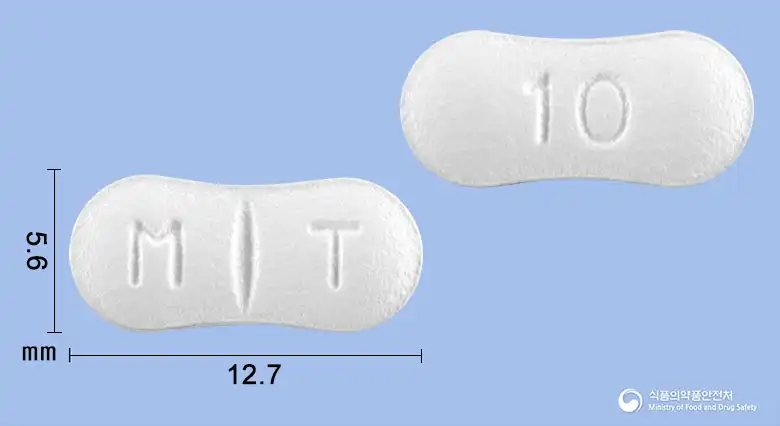
White oblong film-coated tablets
30 tablets/bottle, 100 tablets/bottle
Even with the same ingredient, strength, dosage form and how it is taken can differ.
Viewing nowMemantine Hydrochloride 10mg
Tablet · Prescription medication
Medix Pharmaceutical Co., Ltd.
Memantine Hydrochloride 1g
Solution · Prescription medication
Lundbeck Korea Co., Ltd.
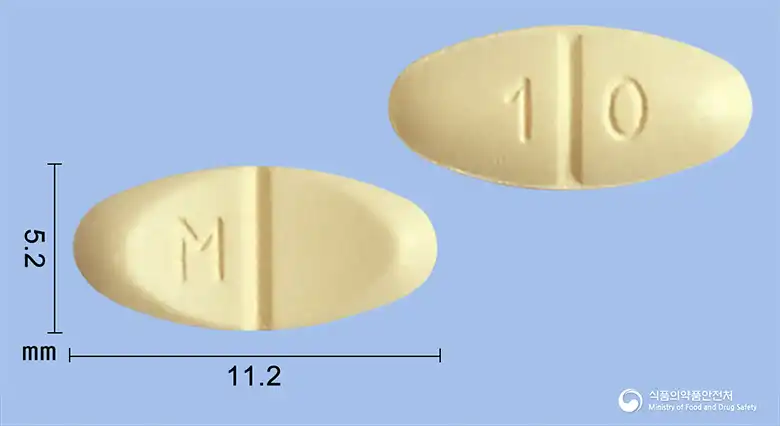
Memantine Hydrochloride 10mg
Tablet · Prescription medication
Lundbeck Korea Co., Ltd.
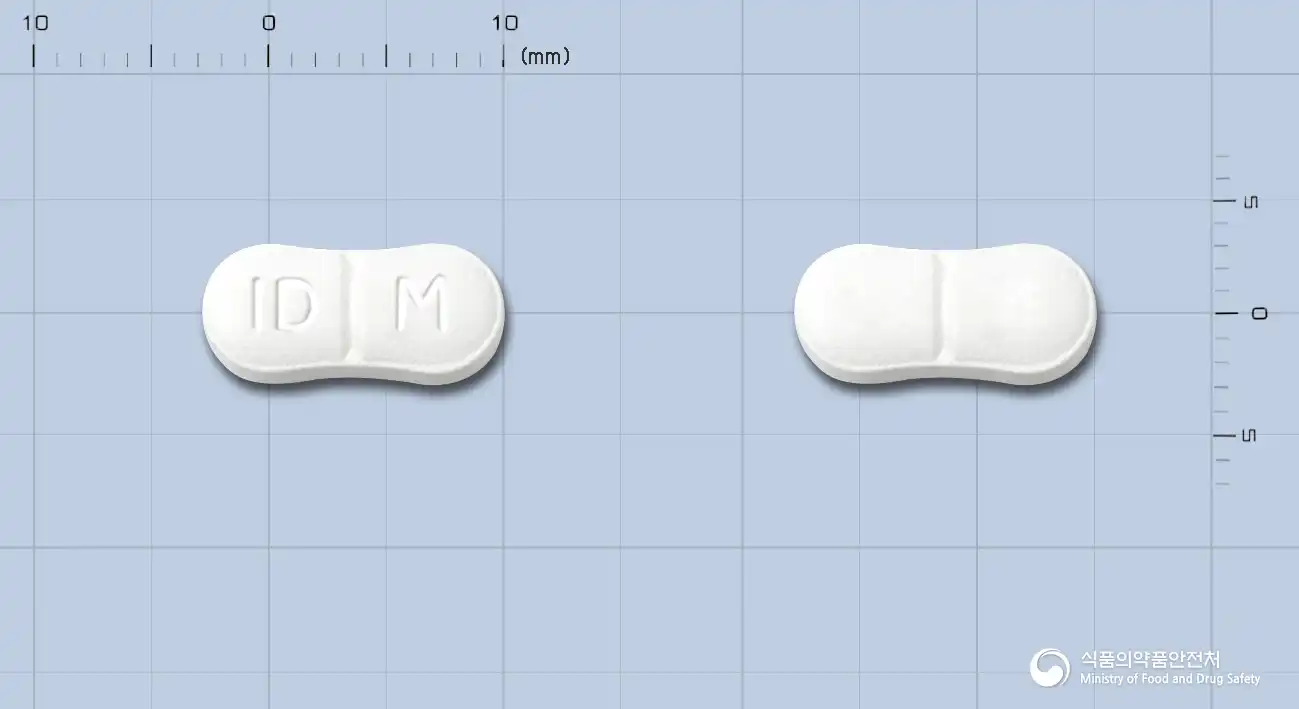
Memantine Hydrochloride 10mg
Tablet · Prescription medication
Ildong Pharmaceutical Co., Ltd.
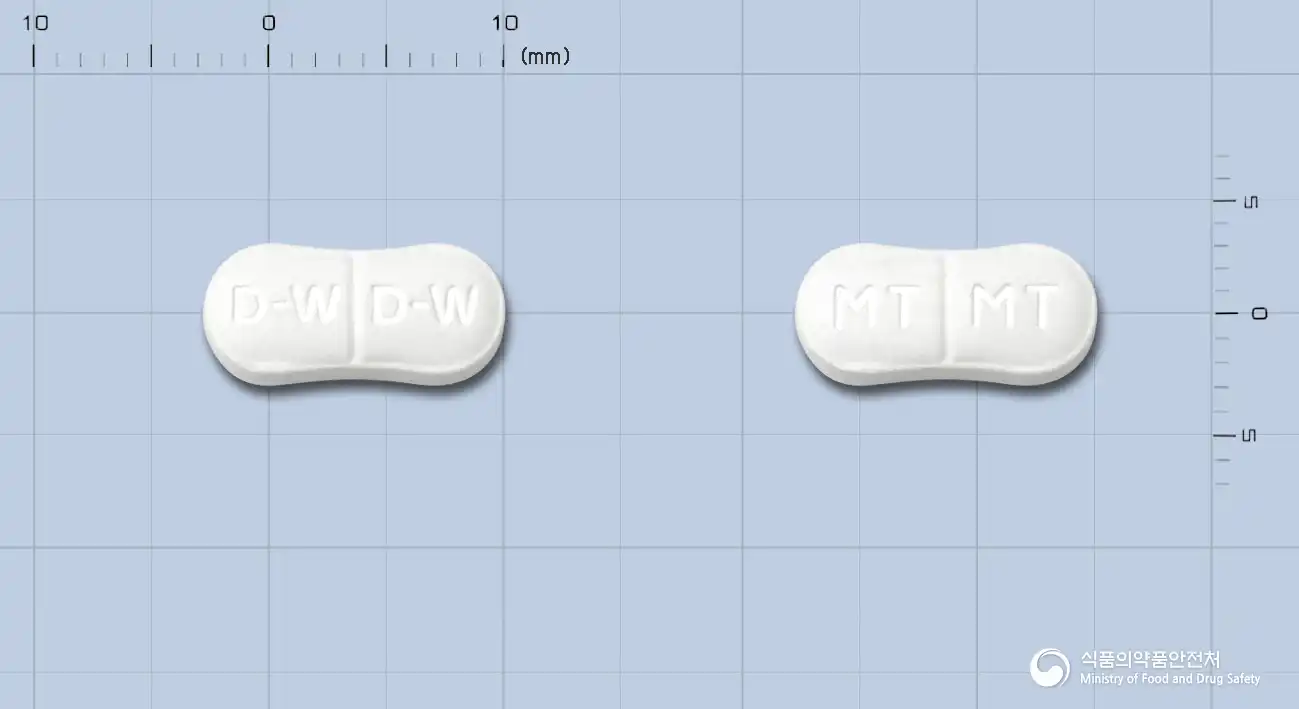
Memantine Hydrochloride 10mg
Tablet · Prescription medication
Donghwa Pharmaceutical Co., Ltd.
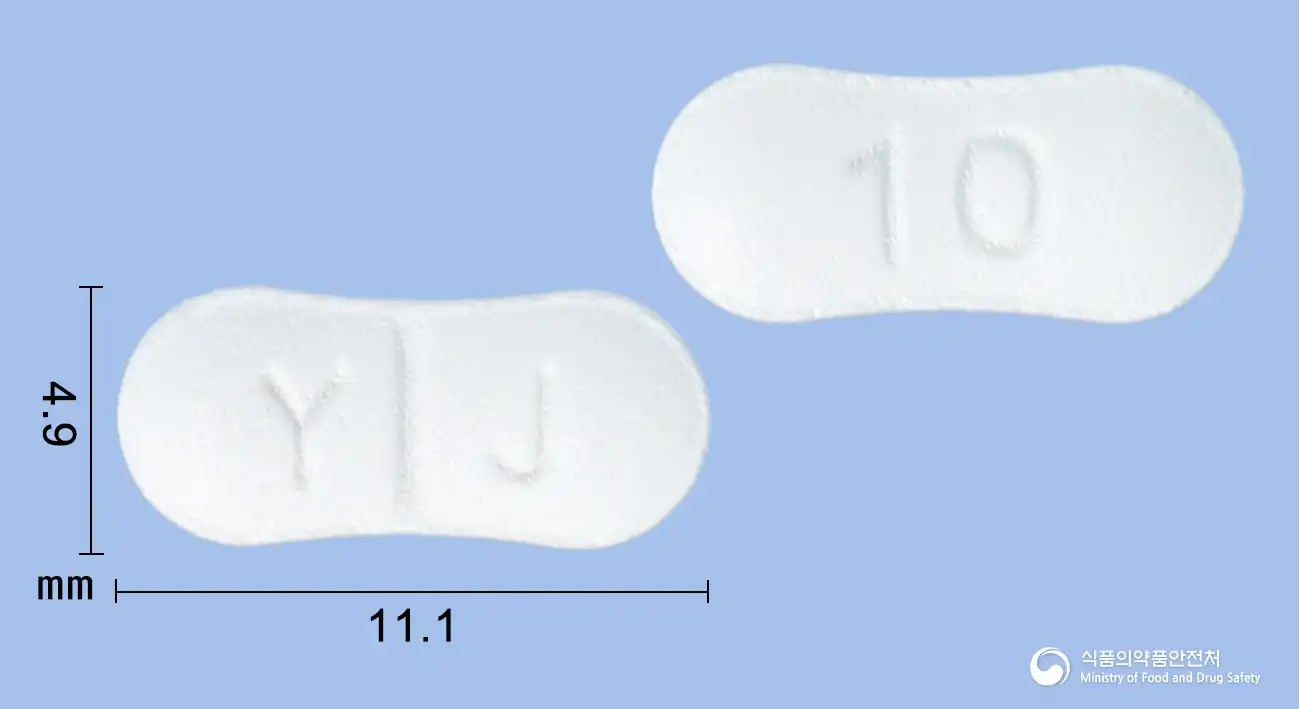
Memantine Hydrochloride 10mg
Tablet · Prescription medication
Youngjin Pharmaceutical Co., Ltd.
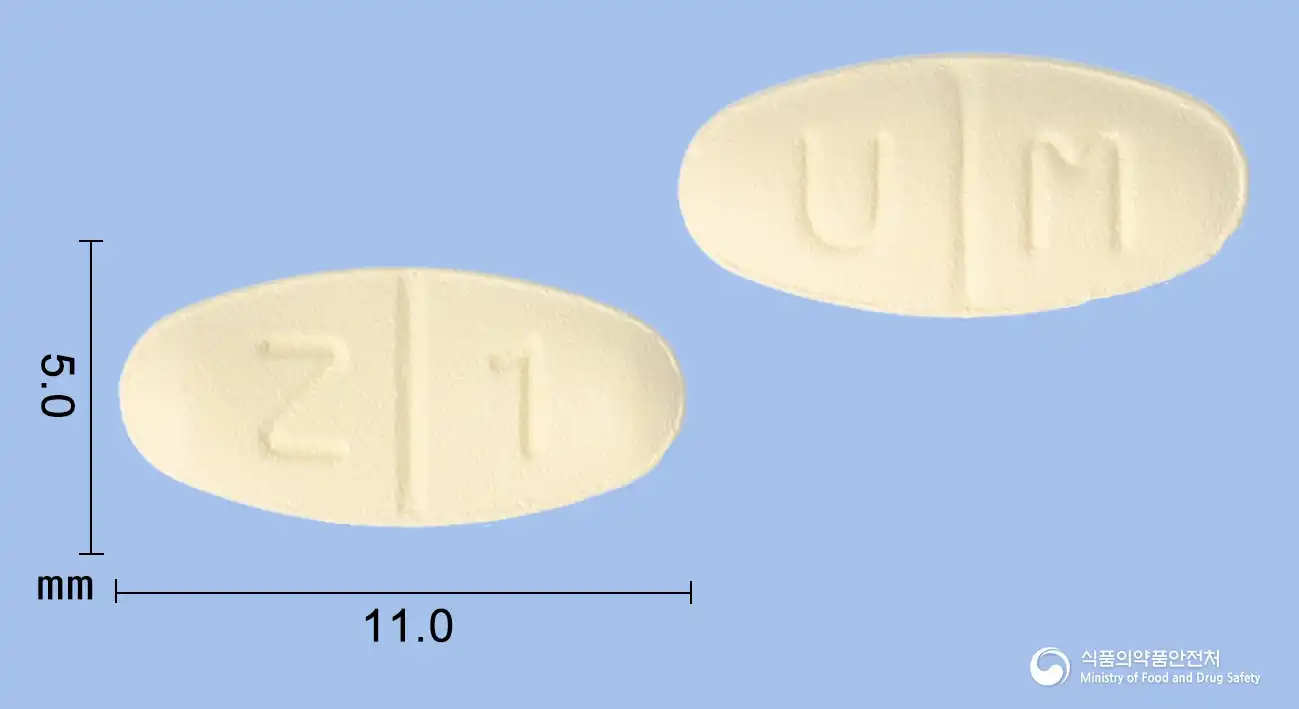
Memantine Hydrochloride 10mg
Tablet · Prescription medication
Unimed Pharmaceutical Co., Ltd.
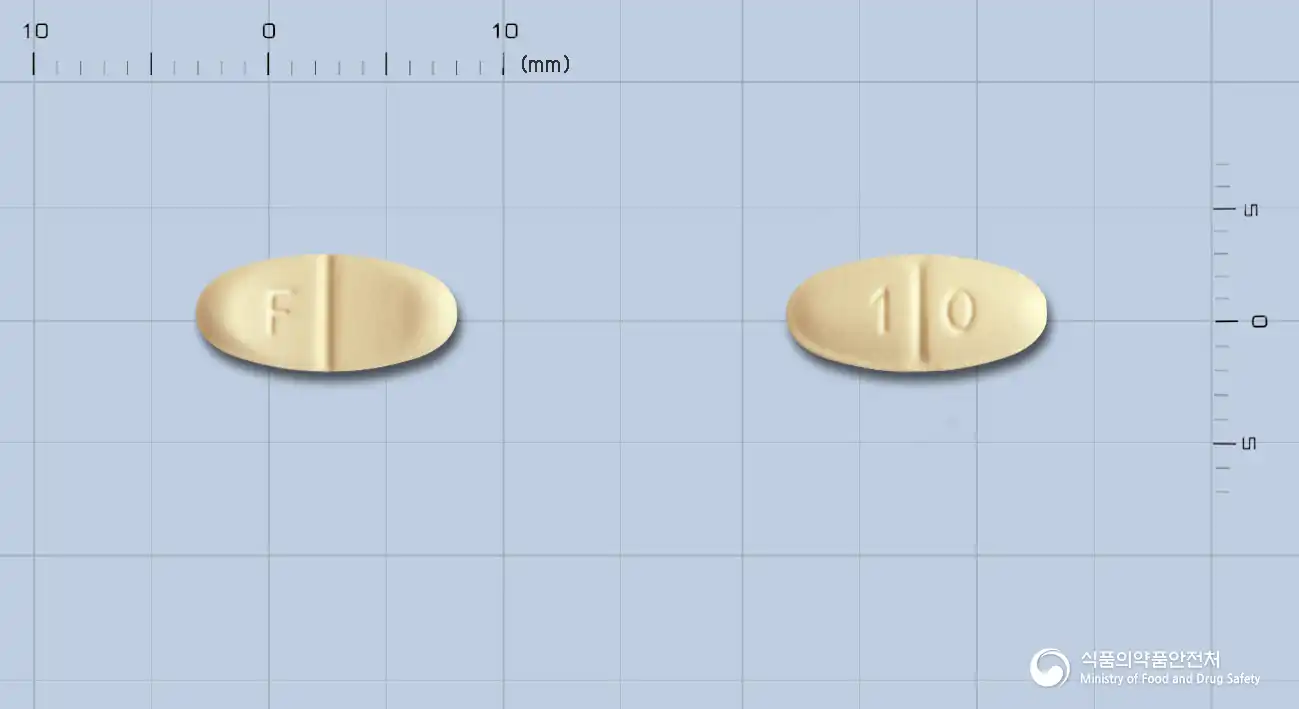
Memantine Hydrochloride 10mg
Tablet · Prescription medication
Myongin Pharmaceutical Co., Ltd.
Even with the same ingredient, the dose and directions can differ by strength and dosage form. Talk to a doctor or pharmacist before switching from a medication you are already taking.
No questions yet.
For anything that needs medical judgment, consult a doctor or pharmacist.
This drug information is based on data provided by the Korea Ministry of Food and Drug Safety.
Consult a doctor or pharmacist for accurate dosage, administration, and usage instructions.