
 한국어
한국어 English
 日本語
日本語 中文(简体)
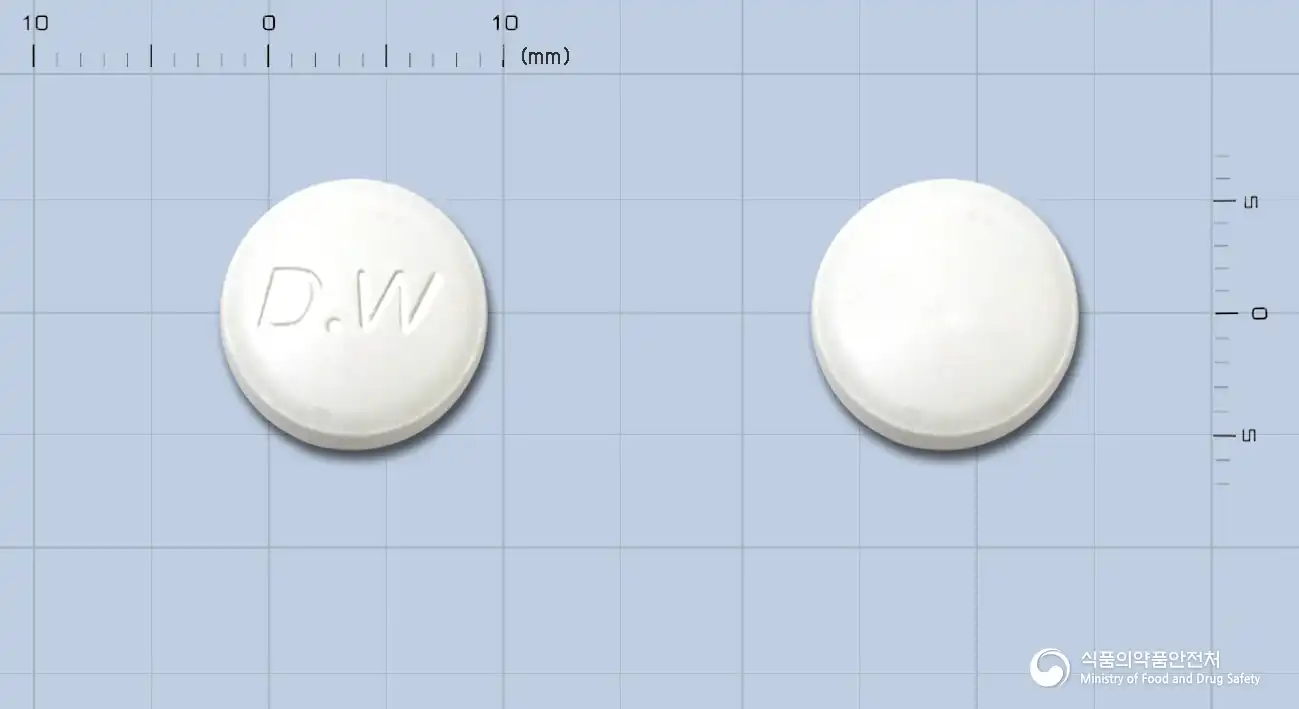
Dosage form image
Viewing nowCombinationIbisoft Tablets
Ranitidine Hydrochloride 84mg · Tripotassium Bismuth Dicitrate 100mg +1 more
Tablet · Prescription medication · Combination
Iworld Pharmaceutical Co., Ltd.
MFDS item code 201901281 · Approved 2019.02.28
This product's status changed to Expired on 2024.02.29. It may no longer be sold, so consult a doctor or pharmacist before taking it.
Effectiveness in treating gastric and duodenal ulcers and gastritis (including reflux esophagitis), and preventing Mendelson's syndrome.
This medication is used for digestive disorders such as gastric and duodenal ulcers, gastritis, and reflux esophagitis. It is also effective for hypersecretion diseases such as Zollinger-Ellison syndrome. It is suitable for preventing ulcers that may occur after surgery and treating gastric ulcers caused by NSAIDs (nonsteroidal anti-inflammatory drugs). Additionally, it is used pre-anesthesia to prevent Mendelson's syndrome. This medication suppresses gastric acid secretion to protect the gastric mucosa and improve the condition.
Typically, regardless of meals, 2 tablets are taken orally twice a day in the morning and before bed. 1) Gastric and duodenal ulcer: Administer 2 tablets twice a day or 4 tablets once before bed. Particularly for patients with duodenal ulcers, it is administered as 4 tablets twice a day in the morning and before bed. 2) Reflux esophagitis: Administer 2 tablets twice a day for 8 weeks, or 4 tablets once before bed.
This medication should not be used in patients with poor kidney function or those undergoing dialysis. Patients who have had allergic reactions to this medication or its components should also not take it. Patients with a history of acute porphyria, a rare disease, should avoid this medication as it may trigger seizures. It is also safer not to administer to patients who have undergone upper gastrointestinal surgery, pregnant women or women who may become pregnant, premature infants, and newborns. Patients on a potassium-restricted diet should avoid this medication. Patients with liver dysfunction, a history of drug allergies, elderly patients, and those with a history of kidney disorders should exercise special caution when using this medication. When used with nonsteroidal anti-inflammatory drugs, especially in the elderly or those with a previous history of peptic ulcers, regular monitoring is required. Because this medication can mask symptoms of gastric cancer, patients with gastric ulcers or middle-aged patients who have newly developed or changed dyspeptic symptoms should undergo tests to determine the malignancy before administration. Patients with Helicobacter pylori who have gastric and duodenal ulcers should receive treatment to eradicate the bacteria. Patients in severe intensive care or those with hypophosphatemia, as well as patients with swallowing difficulties, should be cautious of the risk of side effects when using this medication. This medication can rarely cause serious allergic reactions such as anaphylactic shock; if any unusual symptoms occur during administration, stop taking it immediately and seek appropriate treatment. Skin rash, urticaria, angioedema, fever, and respiratory symptoms may indicate hypersensitivity reactions, so stop usage if these symptoms appear. Blood-related side effects such as leukopenia, thrombocytopenia, and liver function abnormalities have been reported infrequently, so consult your doctor if symptoms occur and cease usage if necessary. Gastrointestinal symptoms may include nausea, vomiting, constipation, diarrhea, and abdominal pain, and the stools may turn black, but this does not require special treatment. Neuropsychiatric side effects such as dizziness, drowsiness, confusion, seizures, insomnia, and headache may occur infrequently, so consult healthcare professionals if any unusual symptoms arise. Muscle pain, joint pain, skin rash, and hair loss have been reported infrequently, so consult your doctor if symptoms persist. This medication should not be used long-term, and treatment progress should be monitored closely, administering the minimum effective dose. Elderly patients or those with chronic lung diseases, diabetes, and weakened immune systems should be cautious as the risk of pneumonia may increase with using this medication. If dizziness or drowsiness occurs, avoid driving or operating dangerous machinery. Interactions with other medications may occur, so particularly patients taking anticoagulants, antibiotics, or anticonvulsants should inform their healthcare providers and be monitored closely. Pregnant or breastfeeding women should avoid using this medication for safety. The safety for children has not been established, so it is preferable not to use it in pediatric patients. In case of overdose, emergency measures such as vomiting or gastric lavage may be required, so follow your doctor's instructions. This medication reduces gastric acid secretion and may promote bacterial growth in the stomach, so regular check-ups, including eye examinations, are necessary with long-term use.
Urticaria, angioedema, shock, anaphylactic shock, skin rash, urticaria, angioedema, chest pain, respiratory distress (including bronchospasm), hepatitis, jaundice, severe liver dysfunction, altered consciousness, seizures, muscle spasms, acute interstitial nephritis.
Not everyone experiences these, and they can vary from person to person.
This medication should be stored in a tightly sealed container to prevent air exposure, and it is best stored at room temperature between 1 to 30 degrees Celsius. This storage method helps to safely maintain the effectiveness of the medication.
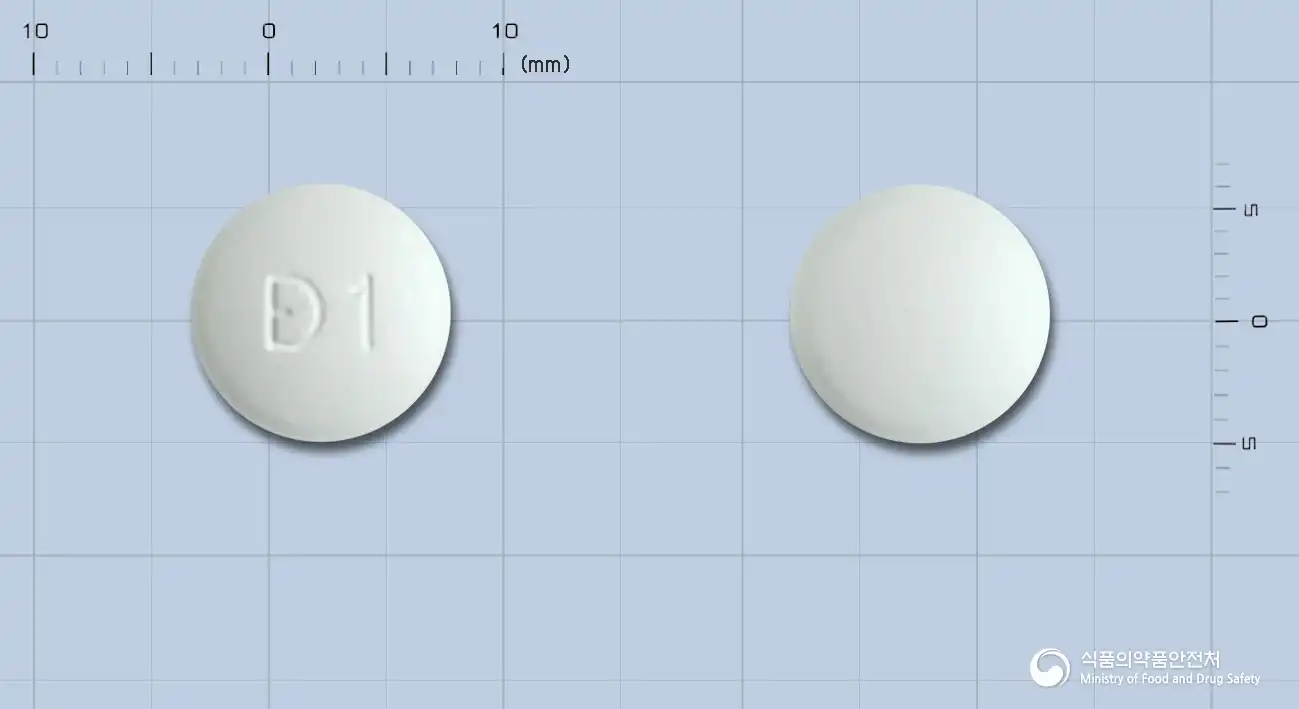
This medication is a round white film-coated tablet.
30 tablets/bottle, 300 tablets/bottle
Even with the same ingredient, strength, dosage form and how it is taken can differ.
Ranitidine Hydrochloride 84mg · Tripotassium Bismuth Dicitrate 100mg +1 more
Tablet · Prescription medication · Combination
Iworld Pharmaceutical Co., Ltd.
 Combination
Ranitidine Hydrochloride 84mg · Tripotassium Bismuth Dicitrate 100mg +1 more
Tablet · Prescription medication · Combination
Daewoong Pharmaceutical Co., Ltd.
Ranitidine Hydrochloride 84mg · Tripotassium Bismuth Dicitrate 100mg +1 more
Tablet · Prescription medication · Combination
Nexpharm Korea Co., Ltd.
 Combination
Ranitidine Hydrochloride 84mg · Tripotassium Bismuth Dicitrate 100mg +1 more
Tablet · Prescription medication · Combination
HUONS BioScience Co., Ltd.
 Combination
Ranitidine Hydrochloride 84mg · Tripotassium Bismuth Dicitrate 100mg +1 more
Tablet · Prescription medication · Combination
Daewoong Bio Co., Ltd.
 Combination
Ranitidine Hydrochloride 84mg · Tripotassium Bismuth Dicitrate 100mg +1 more
Tablet · Prescription medication · Combination
Teragen Etex Co., Ltd.
Ranitidine Hydrochloride 84mg · Sucralfate Hydrate 300mg +1 more
Tablet · Prescription medication · Combination
Korea Pavise Pharmaceutical Co., Ltd.
Ranitidine Hydrochloride 84mg · Sucralfate Hydrate 300mg +1 more
Tablet · Prescription medication · Combination
Kwangdong Pharmaceutical Co., Ltd.
Even with the same ingredient, the dose and directions can differ by strength and dosage form. Talk to a doctor or pharmacist before switching from a medication you are already taking.
No questions yet.
For anything that needs medical judgment, consult a doctor or pharmacist.
This drug information is based on data provided by the Korea Ministry of Food and Drug Safety.
Consult a doctor or pharmacist for accurate dosage, administration, and usage instructions.