
 한국어
한국어 English
 日本語
日本語 中文(简体)
 Viewing nowCombination
Olomax Tablet 20/5/10 mg (Olmesartan Medoxomil, Amlodipine, Rosuvastatin)
Olmesartan Medoxomil 20mg · Amlodipine Besylate 6.95mg +1 more
Tablet · Prescription medication · Combination
Daewoong Pharmaceutical Co., Ltd.
MFDS item code 201901264 · Approved 2019.02.27 · Insurance code 641606760
(Hypertension, Hyperlipidemia) Effect on blood pressure control and cholesterol improvement
This drug is used for patients who have difficulty achieving sufficient blood pressure control for hypertension treatment with olmesartan medoxomil and amlodipine combination, while simultaneously needing to administer rosuvastatin. The olmesartan medoxomil and amlodipine combination is effective for the treatment of essential hypertension. Rosuvastatin is primarily used as an adjunctive treatment in the dietary therapy of patients with hypercholesterolemia and hyperlipidemia. Additionally, it helps slow the progression of atherosclerosis and reduce the risk of cardiovascular disease in patients with hypercholesterolemia, particularly contributing to the reduction of the risk of myocardial infarction, stroke, and angioplasty. Therefore, this drug improves cardiovascular health by managing blood pressure and cholesterol levels together.
This drug should be administered once daily with water without regard to meals. It is recommended to take it at the same time each day (e.g., morning). ◆ Olmesartan Medoxomil/Amlodipine Combination - 20/5 mg: Administer to patients whose blood pressure is not adequately controlled by either Olmesartan Medoxomil 20 mg or Amlodipine 5 mg monotherapy. - 40/5 mg: For patients whose blood pressure is not adequately controlled with 20/5 mg.
This drug may cause serious harm to the fetus and newborn when administered to women in the second and third trimesters of pregnancy; therefore, if pregnancy is confirmed, it should be discontinued immediately. Patients with an allergy to the active ingredient or components of this drug, women who are pregnant or breastfeeding, and patients with severely impaired liver or kidney function should not use it. Especially, patients on dialysis or with severe kidney failure, patients with certain cardiac conditions, and patients with muscle disorders may also be at risk if they take this drug, hence it should be avoided. Patients with genetic conditions such as lactose intolerance should also refrain from taking this drug. Patients who are dehydrated or have low salt levels must be monitored closely as they may experience hypotension upon initial dosing. Patients with specific heart valve diseases need special caution as vascular expansion may lead to acute hypotension during the administration of this drug. Patients with heart failure or severe obstructive coronary artery disease should also be administered carefully as their symptoms may worsen. Patients with kidney function issues should regularly monitor serum potassium and creatinine levels, and consult healthcare professionals immediately if abnormalities arise. Patients with reduced liver function must be careful when taking this drug, and should notify their healthcare provider immediately if liver function impairment symptoms appear. One of the ingredients in this drug may cause myalgia, myopathy, and rarely severe muscle damage; therefore, if muscle pain or weakness occurs, the medication should be stopped immediately and a doctor consulted. This drug lowers blood pressure, so when taken with other antihypertensive medications, blood pressure may drop too low, requiring caution. Taking this drug alongside specific diuretics or potassium-sparing medications may lead to dangerously elevated potassium levels, hence those taking such medications should inform their healthcare provider. Taking this drug with grapefruit juice may increase its serum concentration, heightening the risk of side effects; therefore, it is best to avoid grapefruit juice. While this drug is known not to significantly affect driving or operating machinery, caution is advised if symptoms such as dizziness occur. Monitoring kidney, liver, and muscle conditions through regular health check-ups is important while taking this medication.
Hives, severe swelling (edema), tightness in the chest, difficulty breathing, hematuria, severe rash with fever, blisters, detachment of the skin, pain in oral/ocular mucous membranes, severe skin reactions, shortness of breath or breathing difficulties, asthma attacks, respiratory abnormalities accompanied by cough and fever, jaundice (yellowing of skin or eyes), profound malaise, liver dysfunction (jaundice), sudden and severe headache, thunderclap headache, seizures, loss of consciousness
Not everyone experiences these, and they can vary from person to person.
This drug should be stored in a tightly sealed container to prevent air or moisture from entering, at a temperature between 1 to 30 degrees Celsius. Doing so helps maintain the effectiveness of the medication over time.
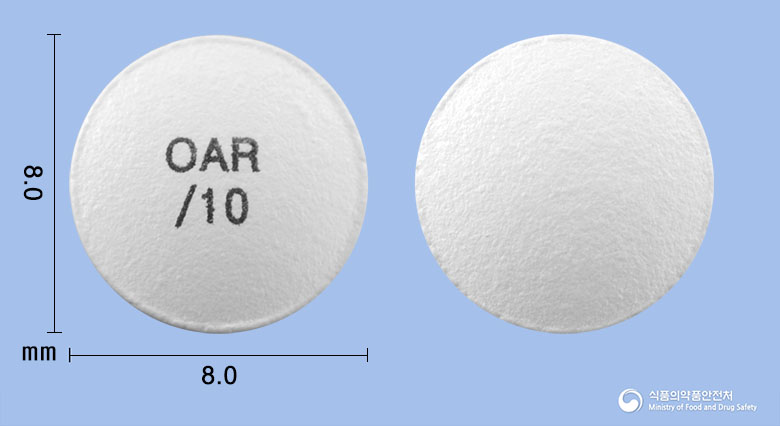
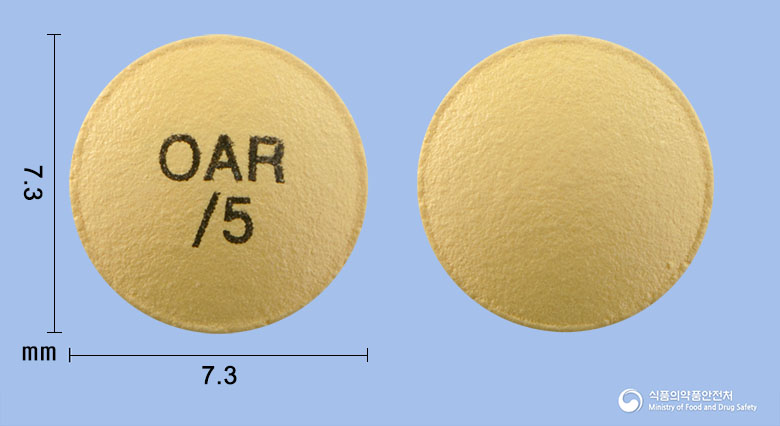
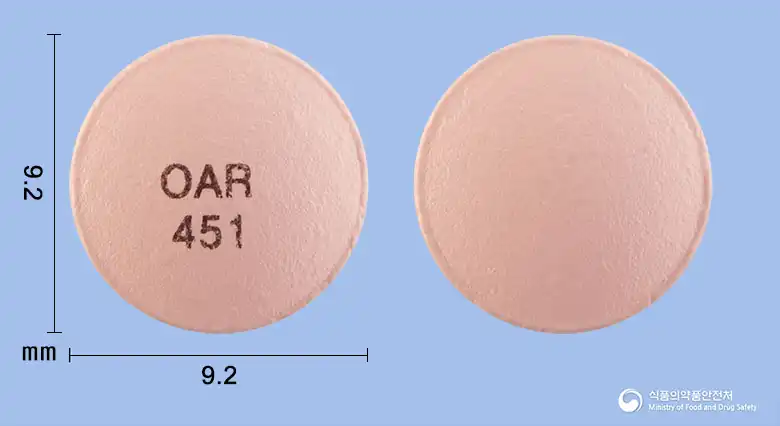
White to pinkish round film-coated tablets
30 tablets/bottle, 300 tablets/bottle
Even with the same ingredient, strength, dosage form and how it is taken can differ.
Viewing nowCombinationOlmesartan Medoxomil 20mg · Amlodipine Besylate 6.95mg +1 more
Tablet · Prescription medication · Combination
Daewoong Pharmaceutical Co., Ltd.
Olmesartan Medoxomil · Amlodipine Besylate +1 more
Prescription medication · Combination
Daewoong Pharmaceutical Co., Ltd.
 Combination
Olmesartan Medoxomil 20mg · Amlodipine Besylate 6.95mg +1 more
Tablet · Prescription medication · Combination
Daewoong Pharmaceutical Co., Ltd.
Olmesartan Medoxomil · Amlodipine Besylate +1 more
Prescription medication · Combination
Daewoong Pharmaceutical Co., Ltd.
 Combination
Olmesartan Medoxomil 40mg · Amlodipine Besylate 6.95mg +1 more
Tablet · Prescription medication · Combination
Daewong Pharmaceutical Co., Ltd.
 Combination
Olmesartan Medoxomil 40mg · Amlodipine Besylate 6.95mg +1 more
Tablet · Prescription medication · Combination
Daewoong Pharmaceutical Co., Ltd.
Even with the same ingredient, the dose and directions can differ by strength and dosage form. Talk to a doctor or pharmacist before switching from a medication you are already taking.
No questions yet.
For anything that needs medical judgment, consult a doctor or pharmacist.
This drug information is based on data provided by the Korea Ministry of Food and Drug Safety.
Consult a doctor or pharmacist for accurate dosage, administration, and usage instructions.