
 한국어
 English
 日本語
 中文(简体)
 Viewing now
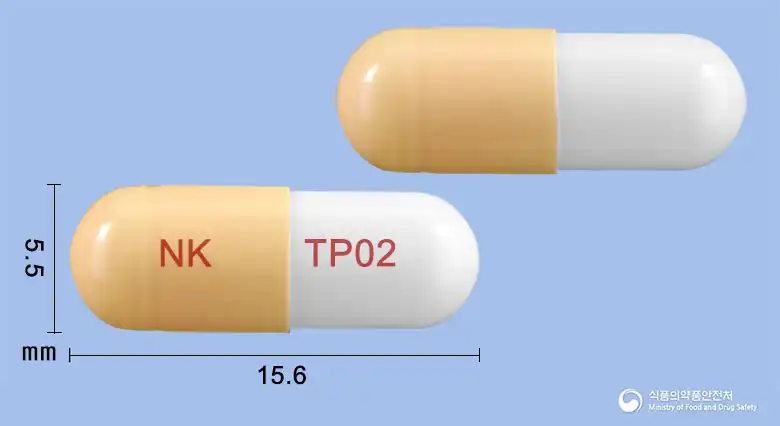
Tamperon Capsule 0.2 mg (Tamsulosin Hydrochloride)
Tamsulosin Hydrochloride 0.2mg
Prescription medication
Nexpam Korea Co., Ltd.
MFDS item code 201901251 · Approved 2019.02.27 · Insurance code 662504130
Relief of urinary difficulties due to benign prostatic hyperplasia
This medication is used to alleviate urinary disturbances caused by benign prostatic hyperplasia, such as difficulty urinating or frequent urges to urinate, and discomfort during urination.
Adults: Administer 0.2 mg of tamsulosin hydrochloride orally once daily after a meal. Swallow this drug whole; do not crush or chew it. Adjust the dose as appropriate according to symptoms.
This medication should not be given to certain patients. Patients who have had allergic reactions to this medication or its components, those with orthostatic hypotension, severe liver dysfunction, or women who are pregnant or may become pregnant should not take this medication. Additionally, patients with severely impaired kidney function, the elderly, or those taking certain other medications should use this medication cautiously. In particular, caution is needed when taken with blood pressure-lowering medications or certain enzyme inhibitors, as side effects may be more severe. During the use of this medication, various side effects such as dizziness, decreased blood pressure, heart rhythm abnormalities, allergic reactions, digestive discomfort, and liver dysfunction may occur. Especially, fainting or loss of consciousness may happen, so if such symptoms occur, the medication should be stopped immediately and consult a healthcare professional. This medication can lower blood pressure, so care should be taken to avoid overdose, and since it can cause dizziness when standing up, be careful when changing positions. This medication is for alleviating symptoms rather than treating the cause, and if effective, consider alternative treatments such as surgery. Caution is needed when driving or working at heights due to the possibility of dizziness. This medication may affect the eyes during certain surgeries, so inform your doctor if surgery for cataracts or glaucoma is planned. Patients with a history of sulfa drug allergies should be cautious as allergic reactions may occur when taking this medication. This medication is not used in children or pregnant women, and the dosage should be adjusted for the elderly considering kidney function. When taking, swallow the capsule whole and do not chew or crush the film-coated tablet to maintain its efficacy. This medication should be stored out of reach of children and should not be transferred to other containers. Finally, this medication may interact with other blood pressure-lowering agents or certain medications, so always consult your doctor or pharmacist about the medications you are taking.
Not everyone experiences these, and they can vary from person to person.
This medication may be sensitive to air and moisture, so it must be stored in a tightly sealed container. In addition, it is advisable to store the medication in a cool place, ideally at room temperature between 1 and 30 degrees Celsius. This way, the efficacy of the medication can be maintained for a longer time.
An apricot-colored capsule with a white to light yellow pellet inside
30 capsules/bottle, 60 capsules/bottle
Even with the same ingredient, strength, dosage form and how it is taken can differ.
Viewing nowTamsulosin Hydrochloride 0.2mg
Prescription medication
Nexpam Korea Co., Ltd.
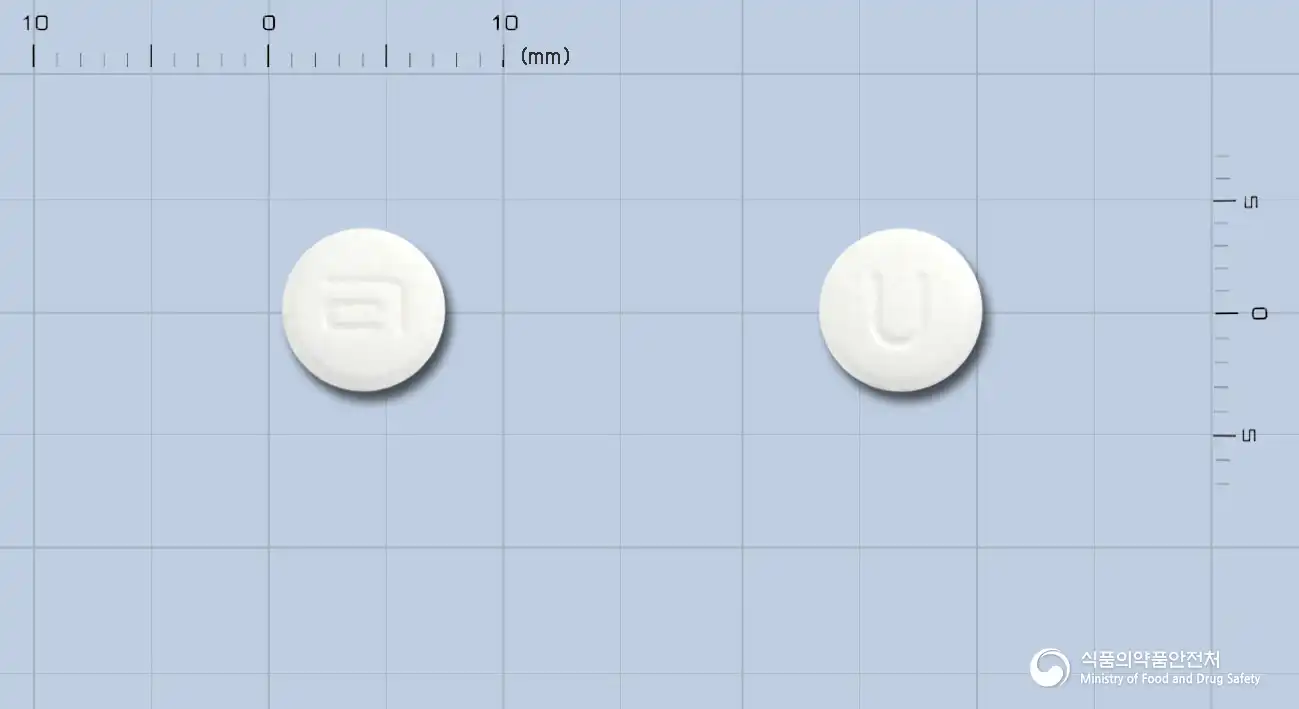
Tamsulosin Hydrochloride 0.2mg
Tablet · Prescription medication
Kyungdong Pharmaceutical Co., Ltd.
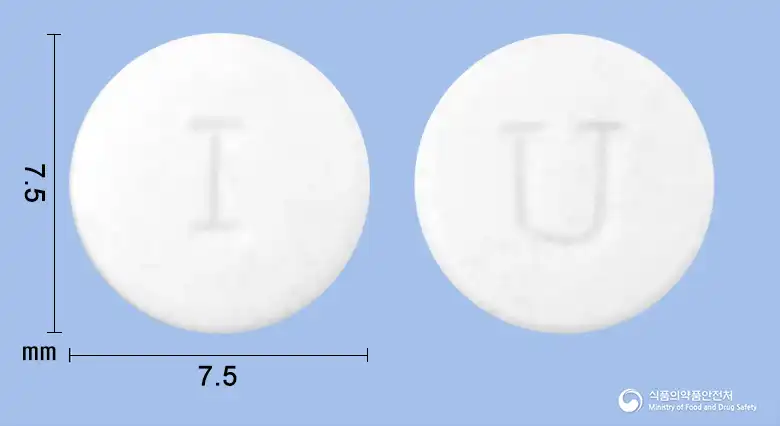
Tamsulosin Hydrochloride 0.2mg
Tablet · Prescription medication
Il Dong Pharmaceutical Co., Ltd.
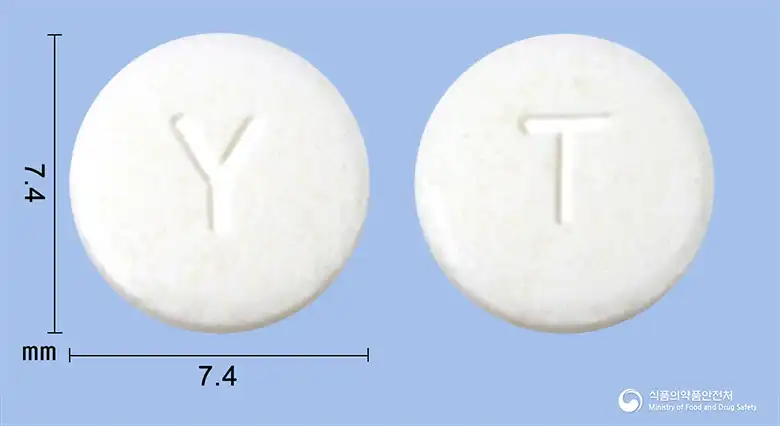
Tamsulosin Hydrochloride 0.2mg
Tablet · Prescription medication
Yuhan Corporation
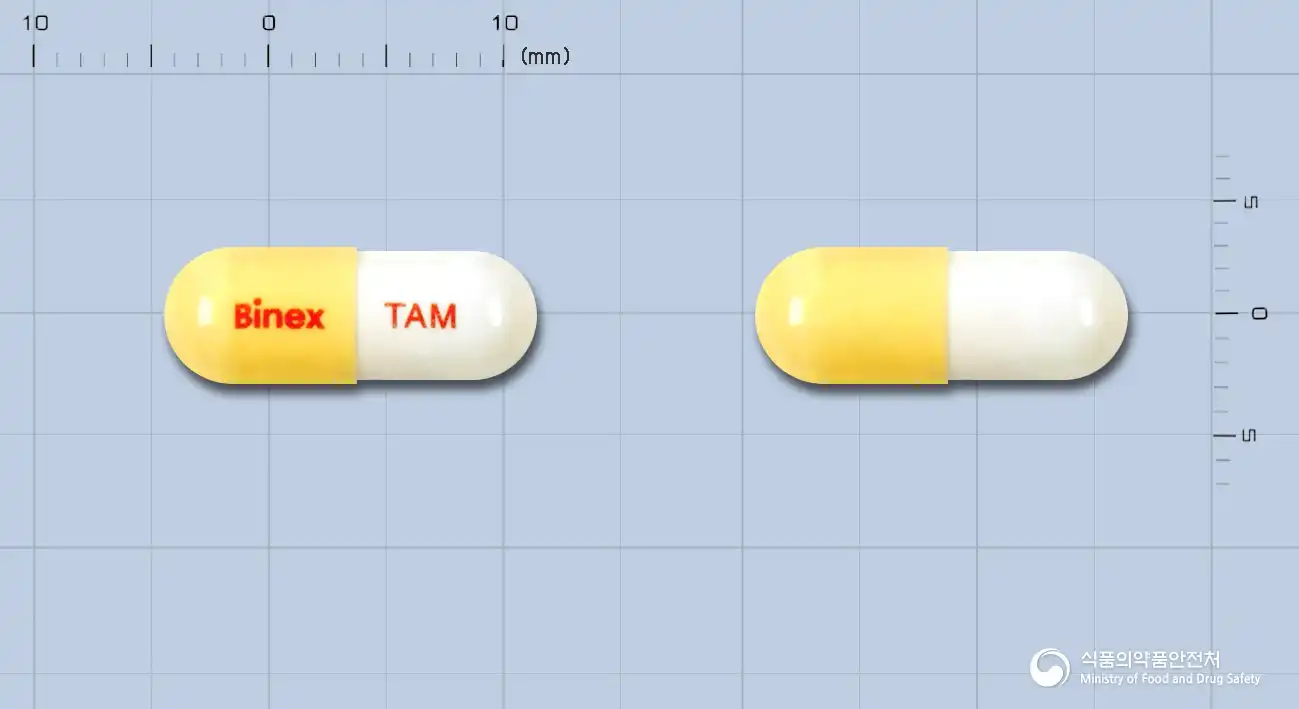
Tamsulosin Hydrochloride 0.2mg
Prescription medication
Bynex Co., Ltd.
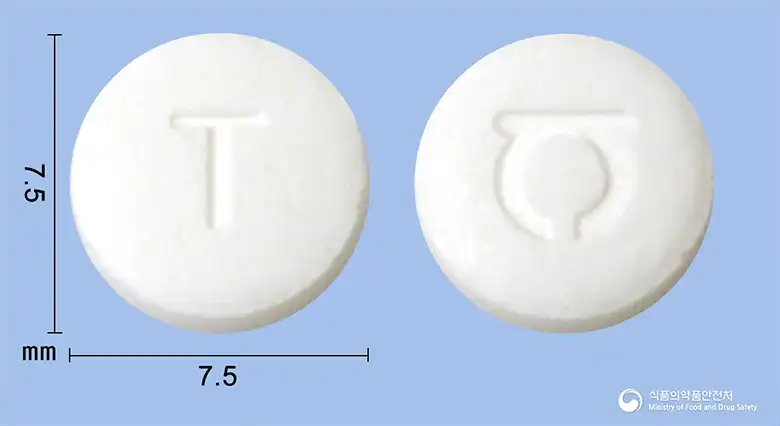
Tamsulosin Hydrochloride 0.2mg
Tablet · Prescription medication
Youngjin Pharmaceutical Co., Ltd.
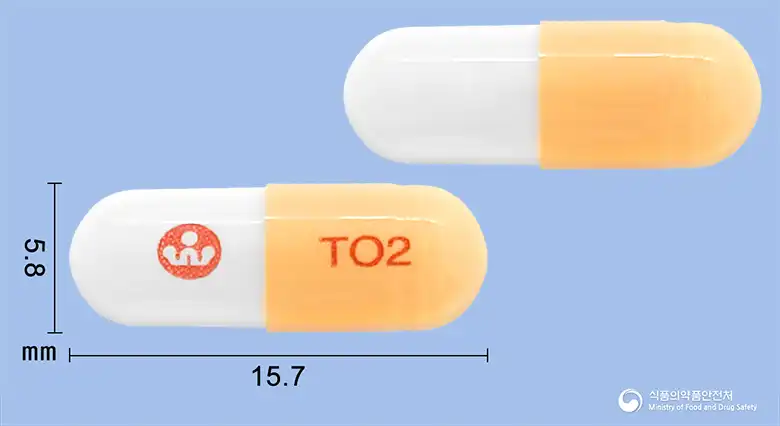
Tamsulosin Hydrochloride 0.2mg
Prescription medication
Han-in Pharmaceutical Co., Ltd.
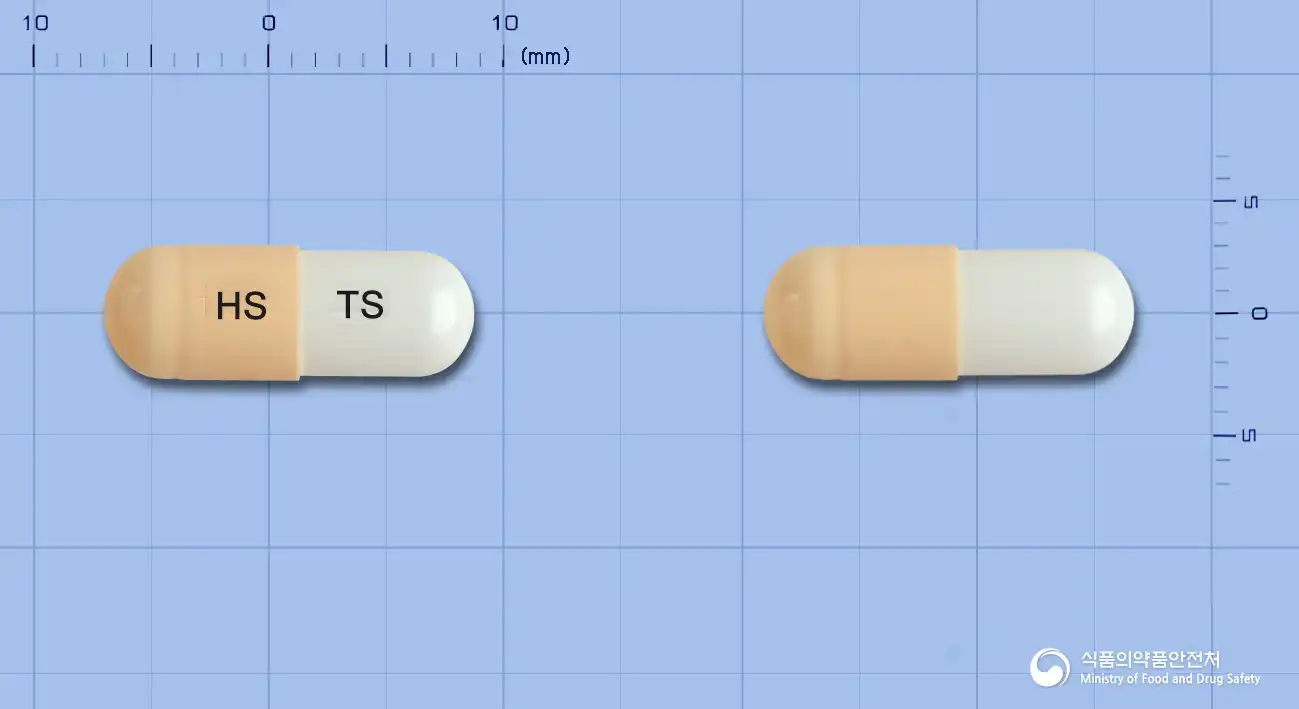
Tamsulosin Hydrochloride 0.2mg
Hard capsule · Prescription medication
Huons Co., Ltd.
Even with the same ingredient, the dose and directions can differ by strength and dosage form. Talk to a doctor or pharmacist before switching from a medication you are already taking.
No questions yet.
For anything that needs medical judgment, consult a doctor or pharmacist.
This drug information is based on data provided by the Korea Ministry of Food and Drug Safety.
Consult a doctor or pharmacist for accurate dosage, administration, and usage instructions.