
 한국어
 English
 日本語
 中文(简体)
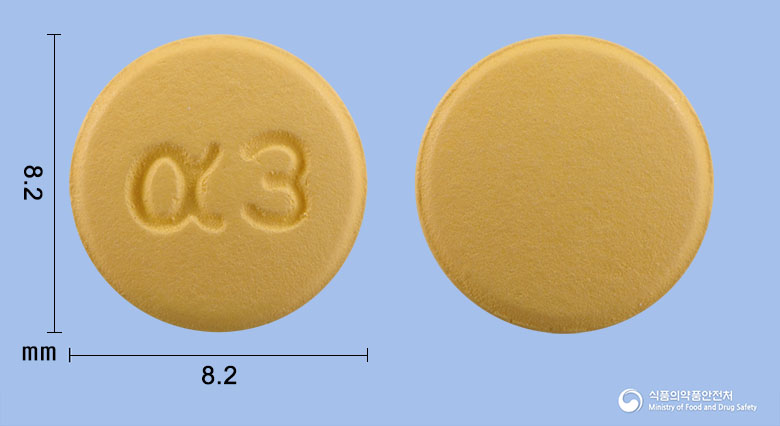 Viewing nowCombination
Alpha-5/80 milligrams
Amlodipine Besylate 6.935mg · Valsartan 80mg
Tablet · Prescription medication · Combination
Boryeong Biopharma Co., Ltd.
MFDS item code 201901229 · Approved 2019.02.26 · Insurance code 670501400
Treatment of essential hypertension not controlled with monotherapy
This medication is used to control blood pressure in patients with essential hypertension whose blood pressure is not adequately controlled with monotherapy of amlodipine or valsartan.
The recommended dose is 1 tablet once daily, taken with water, with or without food. If possible, it is recommended to take this medicine at the same time each day (e.g., in the morning). Before starting this medicine, it is recommended that the dose of the individual component (amlodipine or valsartan) be adjusted. However, if blood pressure is not controlled with monotherapy using an individual component, switching directly to this medicine may be considered as follows. ㆍ5/80 milligrams: For patients whose blood pressure is not adequately controlled with amlodipine 5 milligrams or valsartan 80 milligrams as monotherapy. ㆍ5/160 milligrams: For patients whose blood pressure is not adequately controlled with amlodipine 5 milligrams or valsartan 160 milligrams as monotherapy. ㆍ10/160 milligrams: For patients whose blood pressure is not adequately controlled with amlodipine 10 milligrams or valsartan 160 milligrams as monotherapy, or with 5/160 milligrams. Patients taking valsartan and amlodipine concomitantly may switch to this medicine (a fixed-dose combination containing the same amount of each active ingredient) for convenience. Patients with renal impairment: No dosage adjustment is needed in patients with mild or moderate renal impairment (creatinine clearance of 10mL/min or more); however, this medicine should not be administered to patients with severe renal impairment (creatinine clearance less than 10mL/min) or patients undergoing dialysis. Monitoring of potassium levels and creatinine is recommended in patients with moderate renal impairment. Patients with hepatic impairment: In patients with mild or moderate hepatic impairment, the daily dose of valsartan should not exceed 80mg. Do not administer this medicine to patients with severe hepatic impairment, biliary cirrhosis, biliary obstruction, or cholestasis. Older adults aged 65 years or older: Use caution when increasing the dose.
This medicine is not recommended for pediatric patients under 18 years of age because its safety and efficacy have not been established.
This medication may cause serious harm to the fetus and newborn if taken during the second and third trimesters of pregnancy, therefore, it should be discontinued immediately upon confirmation of pregnancy. It should not be used by individuals allergic to the active ingredients or similar medications, by pregnant or nursing women, or by patients with severe kidney or liver disease. It should be used with caution in patients with depletion of sodium or fluids, hyperkalemia, renal artery problems, recent kidney transplant recipients, patients with a history of angioedema, patients with heart diseases such as heart failure or post-myocardial infarction, and patients with aortic stenosis. When taking this medication, side effects such as dizziness, headache, hypotension, edema, gastrointestinal disturbances, and skin rashes may occur, so consult a doctor if there are any unusual symptoms. Caution is necessary when driving or operating machinery, as dizziness and fatigue may occur. This medication may interact with other antihypertensive drugs, potassium supplements, diuretics, and certain anti-inflammatory drugs, so it is essential to inform if any other medications are being taken. Women who are pregnant or planning to become pregnant should not use this medication, and nursing mothers are also advised to avoid it. Safety and efficacy in children under 18 years of age have not been sufficiently established, thus it is not recommended for use in this population. In case of overdose, severe hypotension or cardiac problems may occur, so it is crucial to adhere to the prescribed dosage and inform medical personnel immediately if unusual symptoms appear.
Nasopharyngitis, influenza, hypersensitivity, visual impairment, anxiety, headache, dizziness, drowsiness, positional dizziness, paresthesia, vertigo, tinnitus, tachycardia, palpitations, syncope, orthostatic hypotension, hypotension, cough, pharyngeal and laryngeal pain, diarrhea, nausea, abdominal pain, constipation, dry mouth, rash, erythema, hyperhidrosis, pruritus, joint swelling, lumbago, arthritis, muscle spasm, lethargy, polyuria, nocturia, erectile dysfunction, edema, facial edema, peripheral edema, fatigue, flushing, asthenia, facial flushing, decreased hemoglobin, decreased hematocrit, neutropenia, thrombocytopenia, hypersensitivity including serum sickness, elevated serum potassium, vasculitis, elevated liver function tests, angioedema, myalgia, renal failure, kidney damage, elevated serum creatinine, insomnia, decreased libido, pharyngitis, rhinitis, sinusitis, upper respiratory infection, viral infection, diplopia, thrombocytopenia, leukopenia, allergic reaction, hyperglycemia, insomnia, emotional changes, tremors, sensory loss, taste distortion, peripheral neuropathy, hypertonia, arrhythmia, bradycardia, atrial fibrillation, ventricular tachycardia, myocardial infarction, vasculitis, dyspnea, rhinitis, vomiting, dyspepsia, pancreatitis, gastritis, gingival hyperplasia, hepatitis, jaundice, alopecia, purpura, skin depigmentation, phototoxic reaction, angioedema, urticaria, erythema multiforme, Stevens-Johnson syndrome, myalgia, urinary disorders, nocturnal enuresis, gynecomastia, pain, fatigue, chest pain, weight loss, weight gain, elevated liver enzymes, chest pain, weight gain, arthralgia, skeletal pain, rhabdomyolysis, gingival hyperplasia, gastritis, nervous sensitivity, sensory loss, Stevens-Johnson syndrome
Not everyone experiences these, and they can vary from person to person.
This medication may be sensitive to air and moisture, so it must be stored in a tightly sealed container. It is best stored at room temperature between 1 to 30 degrees. Storing it this way will help maintain the medication's effectiveness for a longer period.
Dark yellow round film-coated tablet
30 tablets/bottle, 100 tablets/bottle
Even with the same ingredient, strength, dosage form and how it is taken can differ.
Viewing nowCombinationAmlodipine Besylate 6.935mg · Valsartan 80mg
Tablet · Prescription medication · Combination
Boryeong Biopharma Co., Ltd.
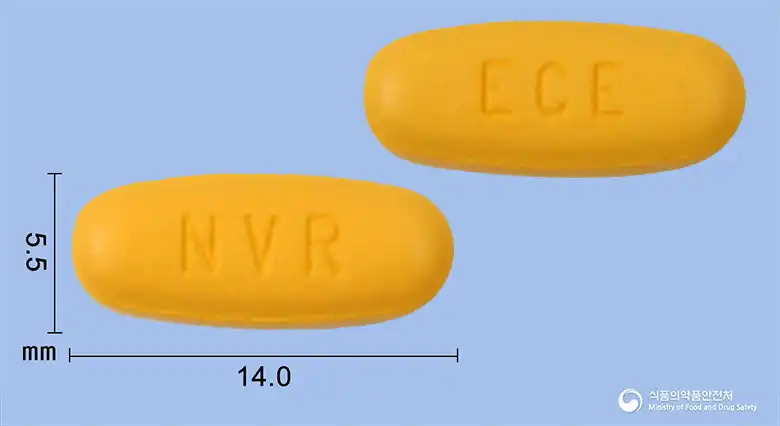 Combination
Valsartan 160mg · Amlodipine Besylate 6.94mg
Tablet · Prescription medication · Combination
Novartis Korea Co., Ltd.
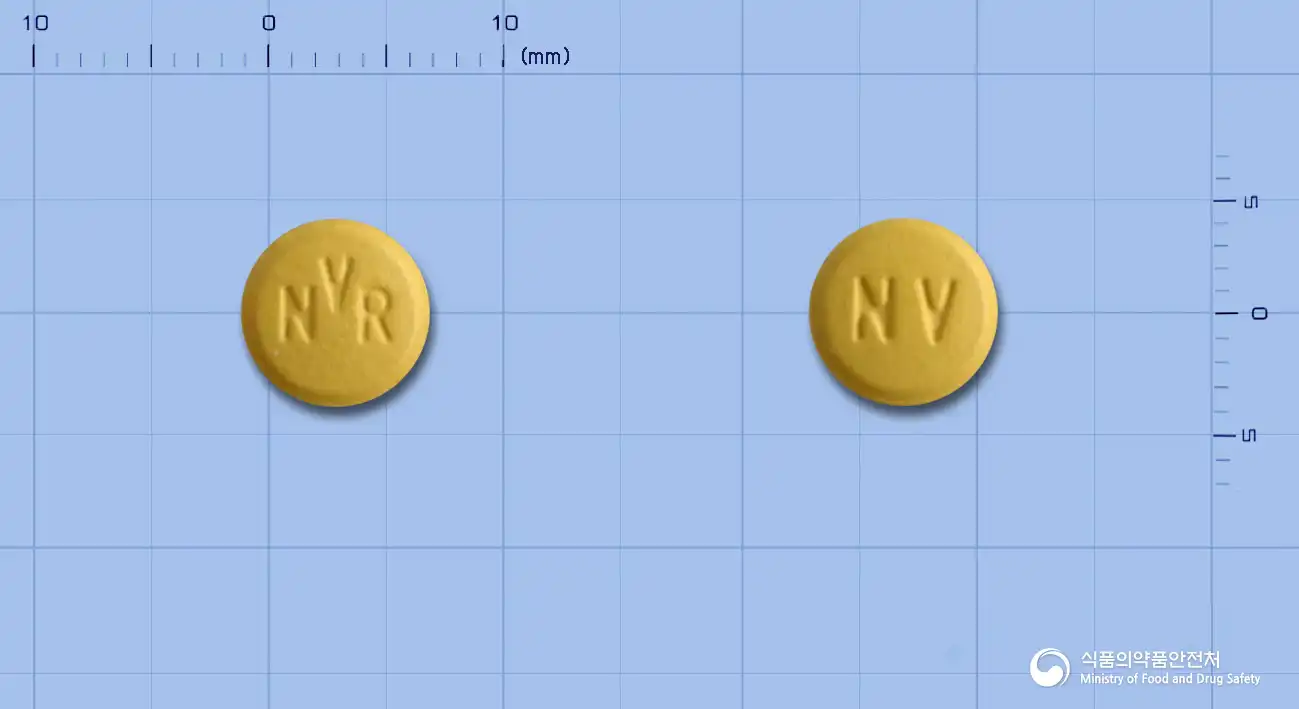 Combination
Valsartan 80mg · Amlodipine Besylate 6.94mg
Tablet · Prescription medication · Combination
Korea Novartis Co., Ltd.
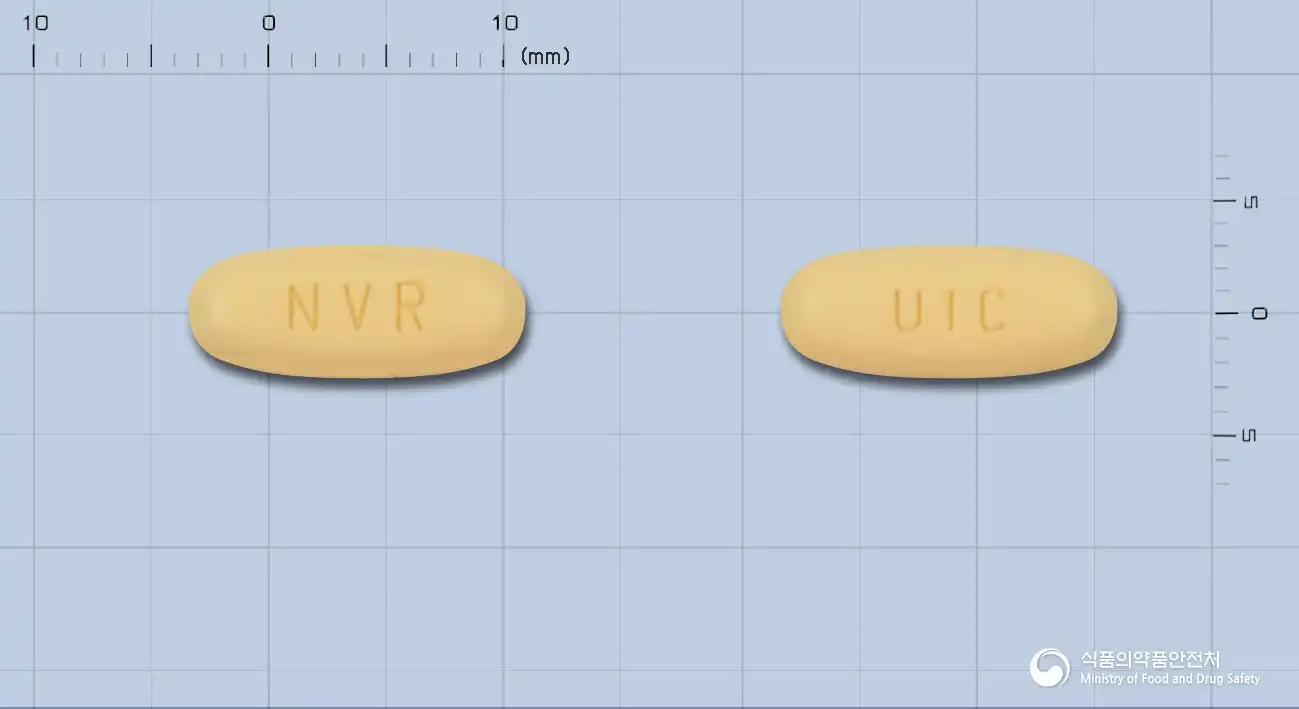 Combination
Valsartan 160mg · Amlodipine Besylate 13.87mg
Tablet · Prescription medication · Combination
Novartis Korea Co., Ltd.
Valsartan · Amlodipine Besylate
Prescription medication · Combination
Korea Sandose Co., Ltd.
Valsartan · Amlodipine Besylate
Prescription medication · Combination
Korea Sandos Co., Ltd.
Valsartan · Amlodipine Besylate
Prescription medication · Combination
Korea Sandos Co., Ltd.
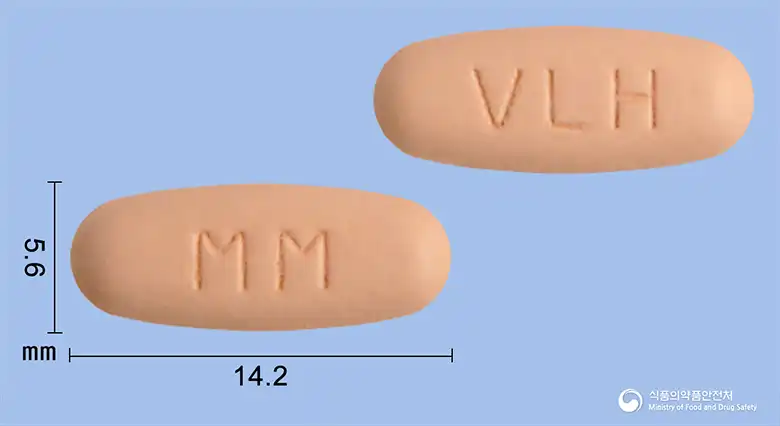 Combination
Valsartan 160mg · Amlodipine Besylate 13.87mg
Tablet · Prescription medication · Combination
Myungmoon Pharmaceutical Co., Ltd.
Even with the same ingredient, the dose and directions can differ by strength and dosage form. Talk to a doctor or pharmacist before switching from a medication you are already taking.
No questions yet.
For anything that needs medical judgment, consult a doctor or pharmacist.
This drug information is based on data provided by the Korea Ministry of Food and Drug Safety.
Consult a doctor or pharmacist for accurate dosage, administration, and usage instructions.