
 한국어
한국어 English
 日本語
日本語 中文(简体)
 Viewing now
Prostal Tablets 50mg (Cilostazol)
Cilostazol 50mg
Tablet · Prescription medication
Donggu Bio Pharmaceutical Co., Ltd.
MFDS item code 201901223 · Approved 2019.02.26
Improvement of chronic arterial occlusive disease (ulcer, pain, etc.) and prevention of recurrent cerebral infarction
This medication helps improve ischemic symptoms such as ulcers, pain, and cold extremities caused by chronic arterial occlusive disease. It is also used for preventing recurrence after cerebral infarction, excluding cardioembolic cerebrovascular disease. Thus, it effectively aids in improving blood circulation and ischemic symptoms.
As Cilostazol, the usual adult dosage is 100 mg orally, twice a day. The dosage may be adjusted appropriately according to age and symptoms.
This medication acts to improve blood circulation and inhibit platelet aggregation. Monitor carefully for the appearance of angina symptoms such as chest pain due to possible increased heart rate upon administration. Patients at risk of bleeding or those who have had recent bleeding disorders should refrain from using this medication. Avoid administration in patients with heart failure symptoms, as this medication may exacerbate symptoms. Do not use this medication if there has been an allergic reaction to it or its components. Women who are pregnant or may become pregnant, as well as those who are breastfeeding, should not take this medication. Patients taking anticoagulants, antiplatelet agents, or thrombolytics should use caution due to increased risk of bleeding. Women during menstruation should also exercise caution due to the risk of bleeding. Patients with heart disease or compromised cardiac function should be careful as they may experience cardiac-related side effects. Patients with severe renal or hepatic dysfunction may be affected in the metabolism and elimination of this medication, so careful administration is necessary. Diabetic patients should be monitored as bleeding side effects may occur more easily. Patients with persistent hypertension or arrhythmias should be careful while using this medication as there may be a risk of side effects. If symptoms such as headaches, nausea, bleeding, skin rashes, or breathing difficulties occur during medication, notify medical staff immediately. Caution should be taken while driving or operating machinery as dizziness and other side effects may occur. This medication is metabolized in the liver, so co-administration with other drugs affecting liver metabolism may alter blood concentration and require dose adjustments. Women who are pregnant or breastfeeding should avoid taking this medication, and especially those who are breastfeeding should be advised to stop breastfeeding. The safety of this medication has not been sufficiently confirmed in children and the elderly, so dose adjustments and monitoring are necessary. Severe side effects may occur in case of overdose, so it is essential to adhere to the prescribed dosage and administration guidelines.
Headache, nausea, vomiting, altered consciousness, hemiplegia, intracerebral hemorrhage, intracranial hemorrhage, pulmonary hemorrhage, gastrointestinal bleeding, nasal bleeding, retinal bleeding, hematuria, pancytopenia, agranulocytosis, thrombocytopenia, leukopenia, aplastic anemia, interstitial pneumonia (fever, cough, shortness of breath), congestive heart failure, myocardial infarction, angina, ventricular tachycardia, jaundice, elevated AST, ALT, ALP, LDH, urticaria, severe edema, chest tightness, difficulty breathing
Not everyone experiences these, and they can vary from person to person.
Store this medication in a tightly sealed container to prevent exposure to air or moisture, at room temperature between 1 to 30 degrees Celsius. This will help maintain the efficacy of the medication and prevent deterioration.
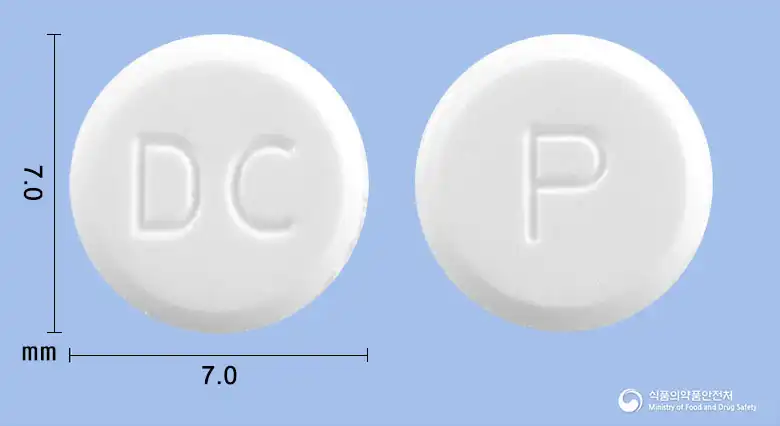
White round tablet
30 tablets/bottle, 100 tablets/bottle
Even with the same ingredient, strength, dosage form and how it is taken can differ.
Viewing nowCilostazol 50mg
Tablet · Prescription medication
Donggu Bio Pharmaceutical Co., Ltd.
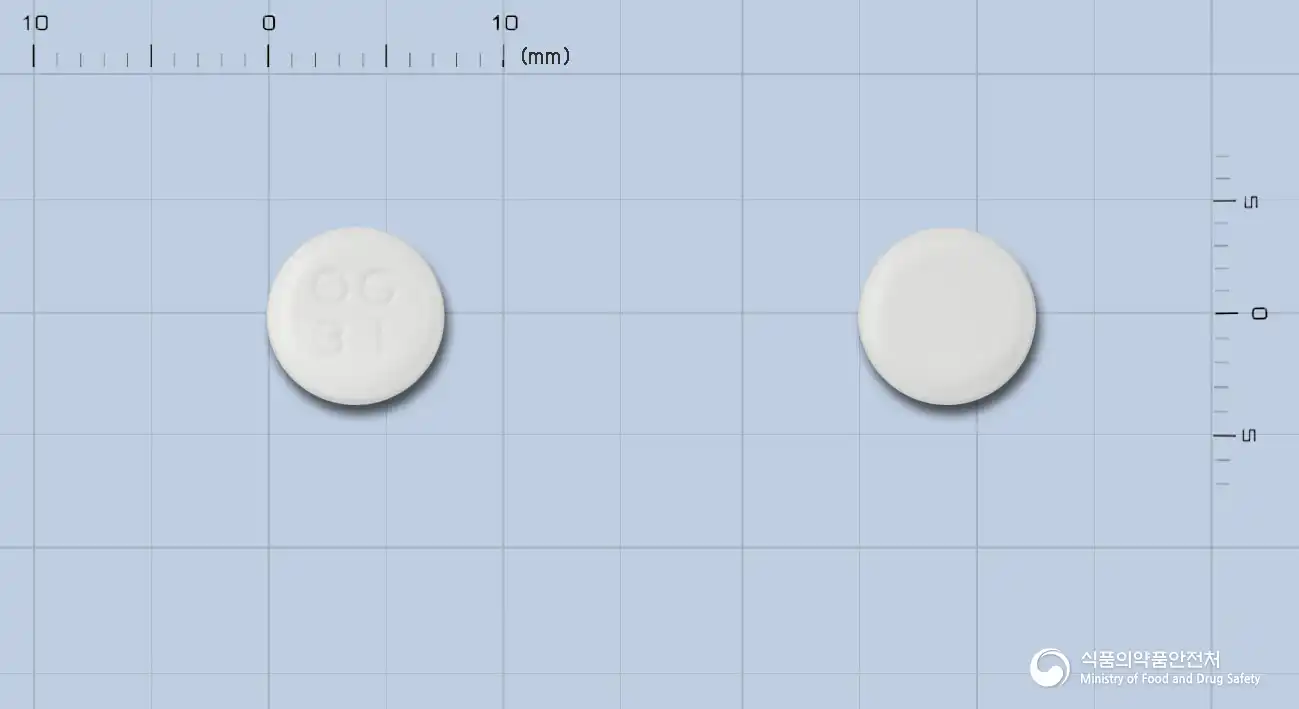
Cilostazol 50mg
Tablet · Prescription medication
Otsuka Pharmaceutical Co., Ltd.
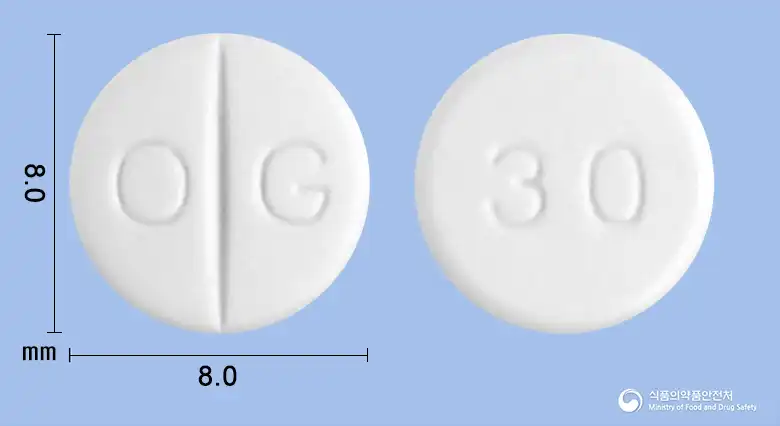
Cilostazol 100mg
Tablet · Prescription medication
Korea Otsuka Pharmaceutical Co., Ltd.
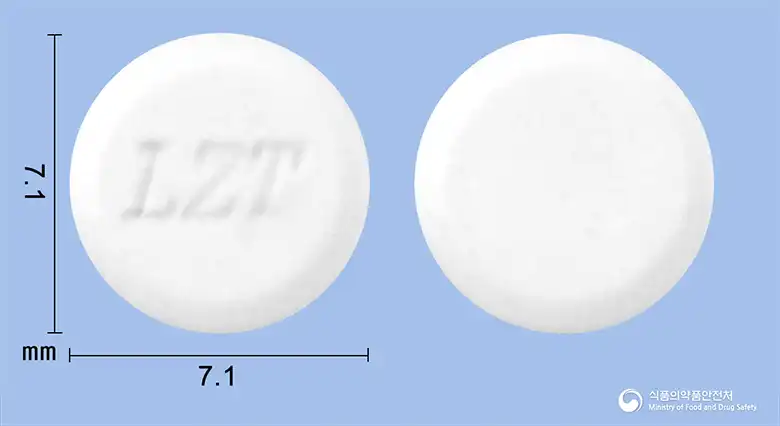
Cilostazol 50mg
Tablet · Prescription medication
Kyungdong Pharmaceutical Co., Ltd.
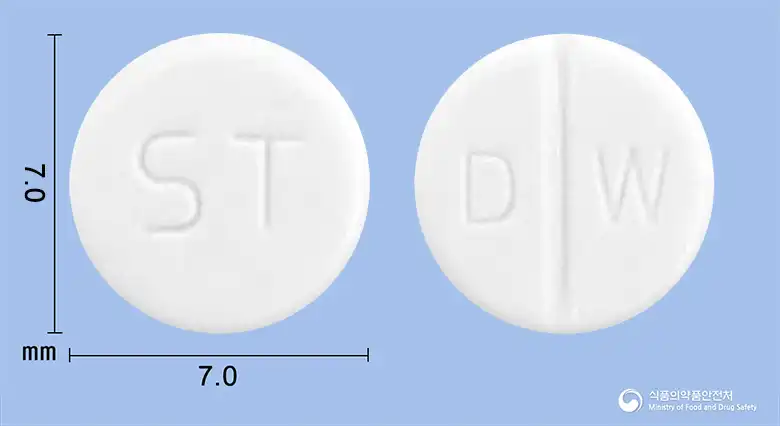
Cilostazol 50mg
Tablet · Prescription medication
Daewon Pharmaceutical Co., Ltd.
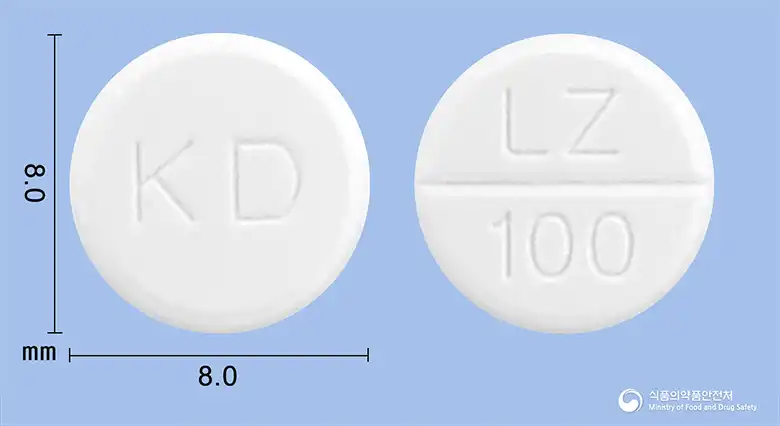
Cilostazol 100mg
Tablet · Prescription medication
Kyungdong Pharmaceutical Co., Ltd.
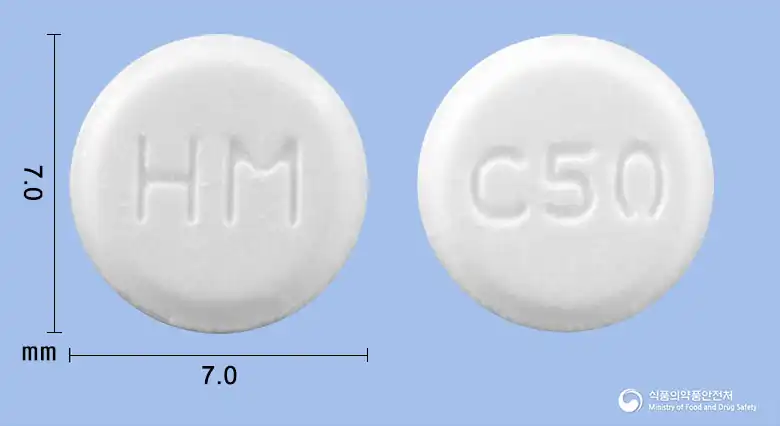
Cilostazol 50mg
Tablet · Prescription medication
Hanmi Pharmaceutical Co., Ltd.
Cilostazol
Prescription medication
Daehan New Pharm Co., Ltd.
Even with the same ingredient, the dose and directions can differ by strength and dosage form. Talk to a doctor or pharmacist before switching from a medication you are already taking.
No questions yet.
For anything that needs medical judgment, consult a doctor or pharmacist.
This drug information is based on data provided by the Korea Ministry of Food and Drug Safety.
Consult a doctor or pharmacist for accurate dosage, administration, and usage instructions.