
 한국어
한국어 English
 日本語
日本語 中文(简体)
Dosage form image
Viewing nowLevopen Tablets 300 mg (Dexibuprofen)
Dexibuprofen 300mg
Tablet · OTC medication
Ahn-Guk New Pharm Co., Ltd.
MFDS item code 201901204 · Notified 2019.02.26
This product's status changed to Expired on 2024.02.26. It may no longer be sold, so consult a doctor or pharmacist before taking it.
Treatment of chronic polyarthritis and rheumatoid arthritis (arthrosis, ankylosing spondylitis) and relief of inflammation and pain
This medication is used for various joint and inflammatory diseases, including chronic polyarthritis and rheumatoid arthritis, as well as arthrosis and ankylosing spondylitis. It also alleviates pain and swelling, and inflammation after trauma or surgery, and assists in the treatment of infections associated with inflammation, pain, and fever. Overall, it is used to improve the symptoms of various inflammation-related diseases and make the patient's daily life more comfortable.
As dexibuprofen, 300 mg to be taken orally 2 to 4 times a day. However, it should not exceed 1,200 mg per day as dexibuprofen.
People who regularly consume more than three alcoholic drinks a day should consult a doctor or pharmacist before taking this medication. Individuals who consume a lot of alcohol are at increased risk of gastric bleeding when using this drug. This medication can increase the risk of cardiovascular diseases such as myocardial infarction and stroke in individuals with heart or vascular problems, or risk factors. Therefore, even those without cardiovascular symptoms must be carefully monitored, and if any symptoms appear, consult a doctor immediately. This medication can cause serious issues such as gastric and intestinal bleeding, ulcers, or perforations. Older individuals are at higher risk, so if any discomfort or bleeding symptoms occur while taking this medication, they should consult a healthcare professional immediately. People with a history of gastrointestinal ulcers, bleeding, severe liver or kidney disease, heart failure, hypertension, asthma, or known allergies to this medication or similar drugs should not take it. Taking this medication with aspirin or other nonsteroidal anti-inflammatory drugs may increase the risk of gastrointestinal bleeding and reduce its effectiveness, so it is best to avoid concurrent use. Breastfeeding should be avoided while taking this medication, and caution should be exercised when driving or operating machinery due to possible dizziness or fatigue. Additionally, headache may occur with prolonged high-dose use. Individuals with blood disorders, liver or kidney disease, heart failure, hypertension, allergies, the elderly, children (6 years or older), or pregnant women should consult a healthcare professional before taking this medication. This medication may interact with several other drugs, so caution is necessary, especially if concurrently taking antihypertensives, diuretics, anticoagulants, or immunosuppressants. If severe allergic reactions, skin rashes, difficulty breathing, severe gastrointestinal symptoms, liver function abnormalities, kidney issues, or neuropsychiatric symptoms occur during use, stop taking the medication immediately and consult a healthcare professional. This medication should be used at the minimum dosage and for the shortest duration possible, and regular check-ups and monitoring are necessary for those with chronic diseases. Especially after the 20th week of pregnancy, this medication may affect fetal kidney function, so it should be used under a doctor's guidance, and amniotic fluid status should be regularly monitored. In case of overdose, appropriate medical treatment should be sought immediately regardless of symptoms, and this medication should be kept out of reach of children, stored in a cool place away from direct sunlight and moisture.
Not everyone experiences these, and they can vary from person to person.
This medication should be stored in a tightly sealed container to prevent air or moisture from entering. Additionally, to maintain the effectiveness of the drug, it is best to store it at room temperature between 1°C and 30°C.
Pink elongated film-coated tablet
30 tablets/bottle, 500 tablets/bottle
Even with the same ingredient, strength, dosage form and how it is taken can differ.
Dexibuprofen 300mg
Tablet · OTC medication
Ahn-Guk New Pharm Co., Ltd.
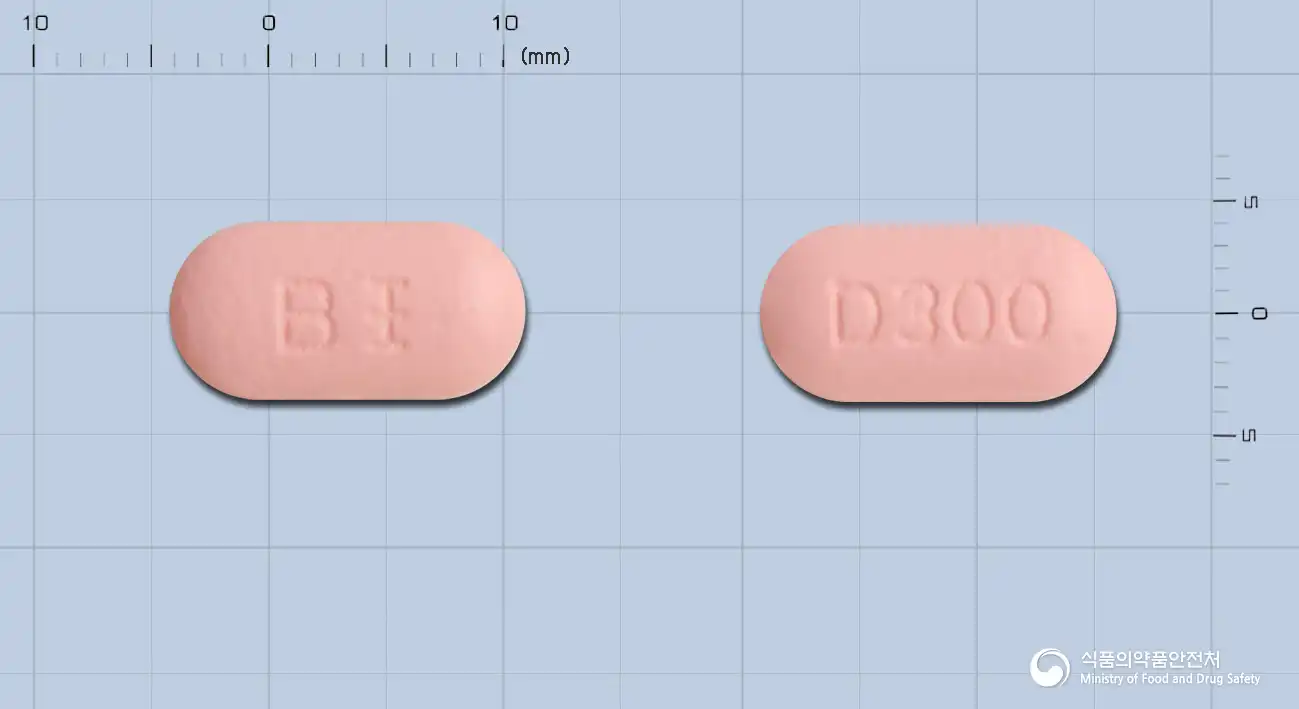
Dexibuprofen 300mg
Tablet · OTC medication
Bionex Co., Ltd.

Dexibuprofen 300mg
Tablet · OTC medication
Anguk Pharmaceutical Co., Ltd.
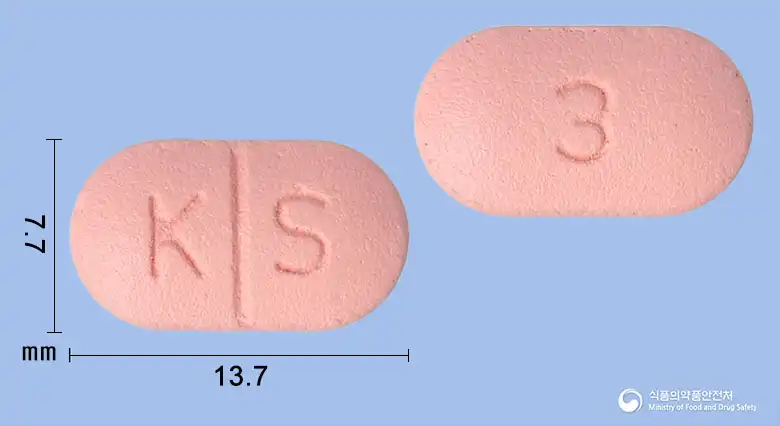
Dexibuprofen 300mg
Tablet · OTC medication
Aprogen Pharmaceuticals, Co., Ltd.
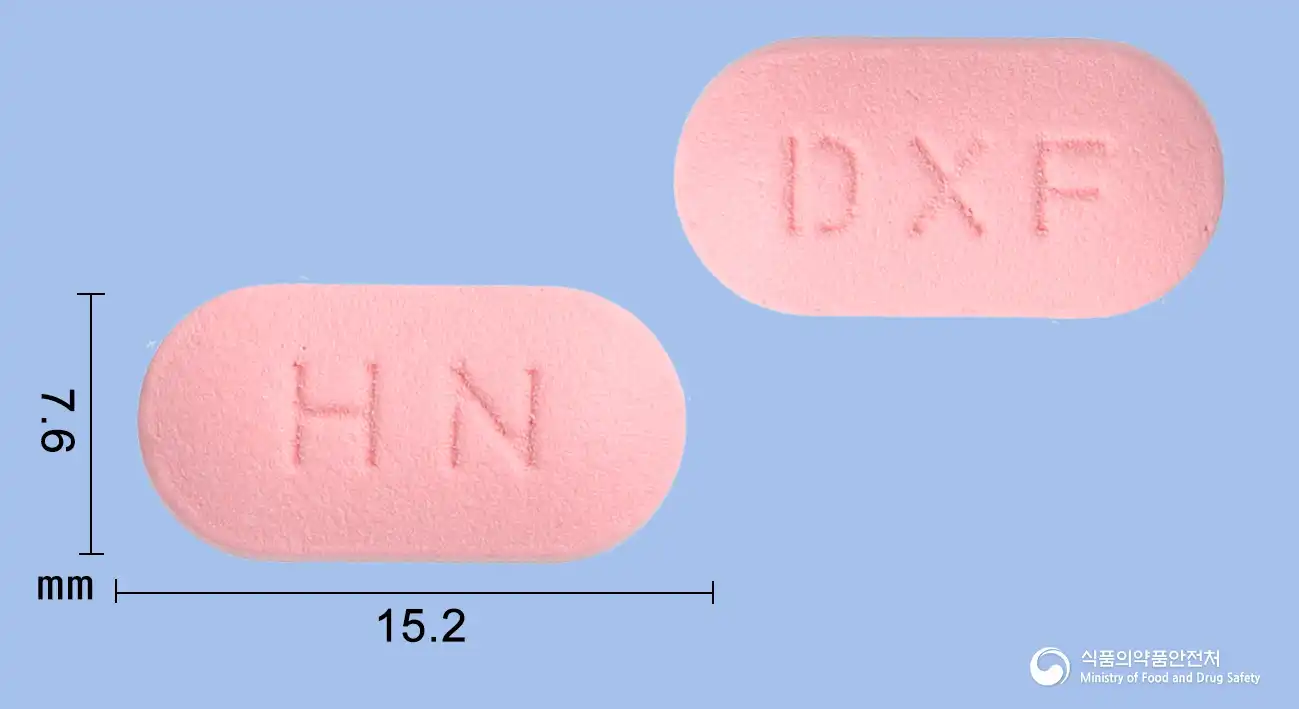
Dexibuprofen 300mg
Tablet · OTC medication
Hana Pharmaceutical Co., Ltd.
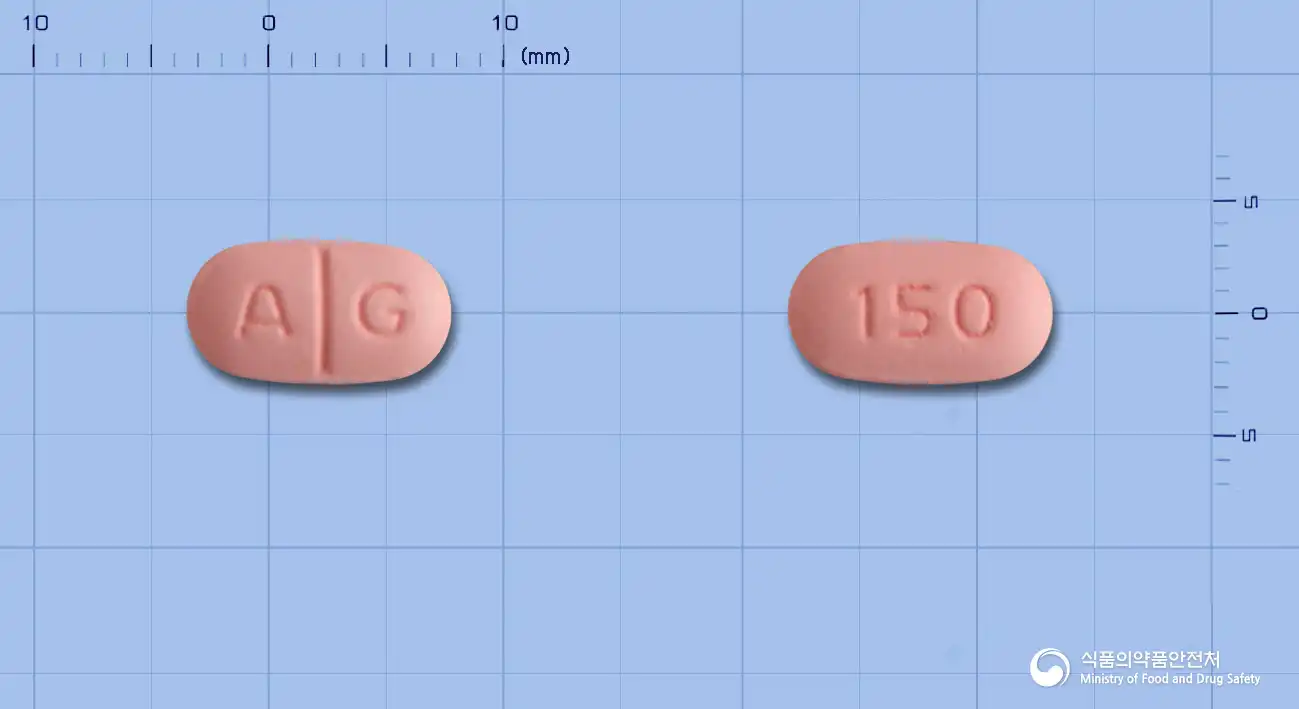
Dexibuprofen 150mg
Tablet · OTC medication
Anguk Pharm Co., Ltd.
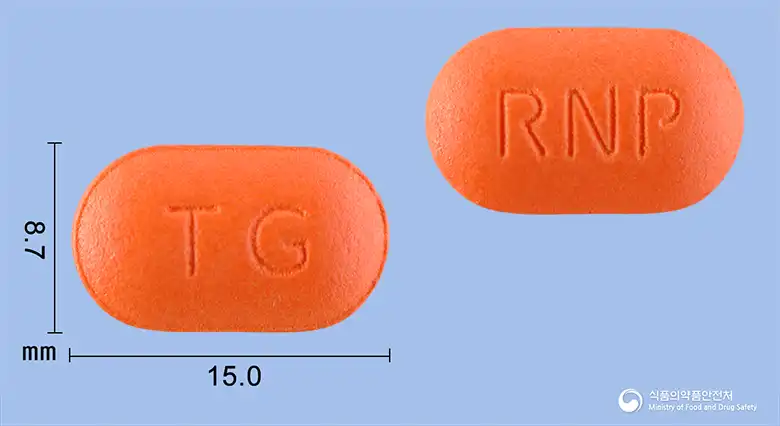
Dexibuprofen 300mg
Tablet · OTC medication
Taeguk Pharmaceutical Co., Ltd.
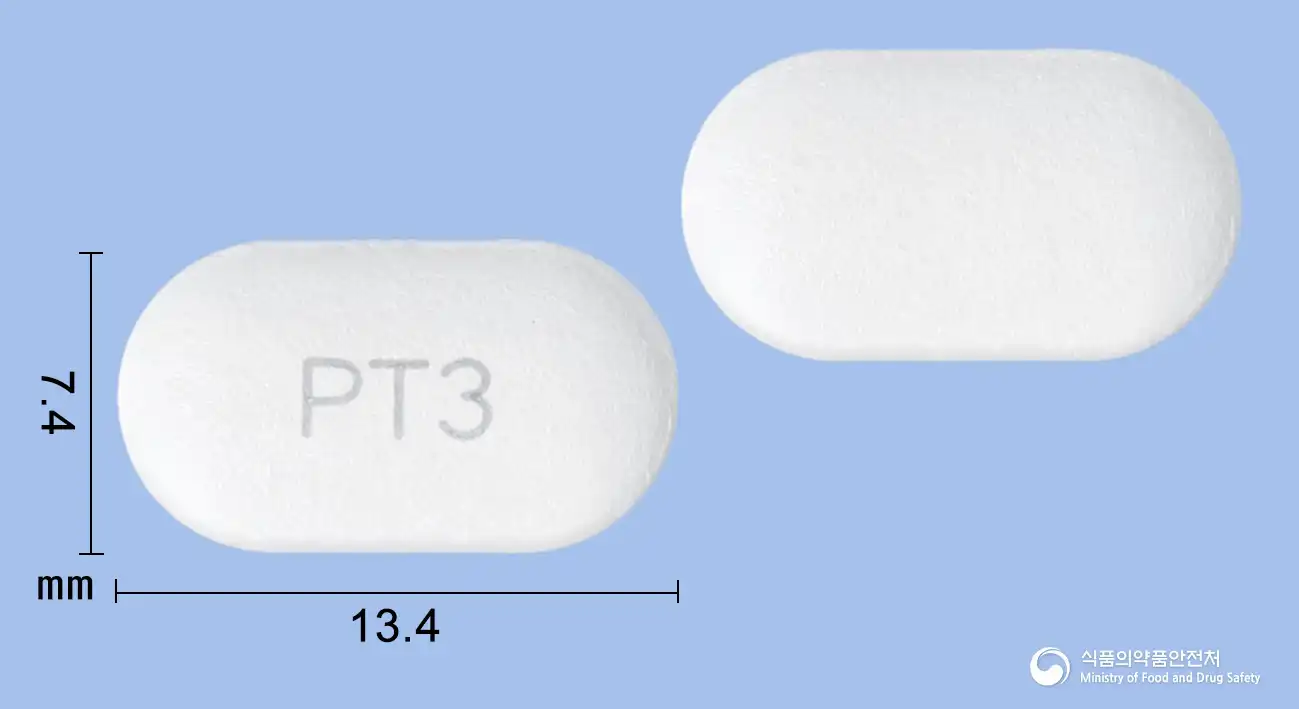
Dexibuprofen 300mg
Tablet · OTC medication
Genupharm Co., Ltd.
Even with the same ingredient, the dose and directions can differ by strength and dosage form. Talk to a doctor or pharmacist before switching from a medication you are already taking.
No questions yet.
For anything that needs medical judgment, consult a doctor or pharmacist.
This drug information is based on data provided by the Korea Ministry of Food and Drug Safety.
Consult a doctor or pharmacist for accurate dosage, administration, and usage instructions.