
 한국어
 English
 日本語
 中文(简体)
 Viewing now
Samsung Rabeprazole 10 mg Tablet (Rabeprazole Sodium)
Rabeprazole Sodium 10mg
Tablet · Prescription medication
Samsung Pharm Co., Ltd.
MFDS item code 201901175 · Approved 2019.02.25 · Insurance code 642307430
Treatment of gastroesophageal reflux disease, peptic ulcers (including use in combination for eradication therapy), and Zollinger-Ellison syndrome
This medication is used to treat ulcers that develop in the stomach or duodenum, alleviate symptoms of gastroesophageal reflux disease, and manage long-term conditions. It is also effective when used in combination with antibiotics for treating gastrointestinal ulcers due to Helicobacter pylori infection. Rarely, it is indicated for Zollinger-Ellison syndrome, helping to control excessive gastric acid secretion and improve symptoms. Overall, it helps treat various gastrointestinal disorders and relieve related symptoms.
Gastric ulcer, duodenal ulcer The usual adult dose is 10 mg of rabeprazole sodium orally once daily. Depending on symptoms, 20 mg may be administered orally once daily. Treatment is usually continued for up to 8 weeks for gastric ulcer and up to 6 weeks for duodenal ulcer. Erosive or ulcerative gastroesophageal reflux disease Administer 10 mg or 20 mg once daily for 4 ∼ 8 weeks. If the condition is not resolved after 8 weeks of treatment with a proton pump inhibitor (PPI, proton pump inhibitor), 10 mg or 20 mg may be administered orally twice daily for an additional 8 weeks. However, administration of 20 mg twice daily is limited to patients with confirmed severe mucosal damage. Relief of symptoms of gastroesophageal reflux disease Administer 10 mg once daily. If symptoms are not controlled after 4 weeks of treatment, further evaluation is required. After symptoms resolve, subsequent symptoms may be controlled, as needed, using on-demand therapy with 10 mg once daily. Long-term maintenance therapy for gastroesophageal reflux disease Administer 10 mg or 20 mg orally once daily, depending on the patient. Helicobacter pylori eradication Patients with Helicobacter pylori infection should receive eradication therapy. It is recommended to administer this drug 20 mg, clarithromycin 500 mg, and amoxicillin 1 g together twice daily for 7 days. Zollinger-Ellison syndrome The recommended initial dose for adults is 60 mg once daily. The dose may be adjusted up to 120 mg per day according to the individual patient's needs. Doses up to 100 mg may be administered once daily, and the 120 mg dose is administered in 2 divided doses of 60 mg each. Patients with Zollinger-Ellison syndrome have been treated with this drug for up to 1 year.
Safety has not been established in children.
This medication should not be used in individuals with specific allergic reactions, during pregnancy, or while breastfeeding. Patients with liver dysfunction or the elderly should exercise particular caution when using this medication, and it should be administered carefully if there is a history of allergy to the drug. While taking this medication, allergic symptoms such as skin rash and itching may occur, so if these symptoms arise, the medication should be discontinued immediately. Regular blood tests and liver function tests are necessary; if abnormal findings are detected, the medication should be stopped, and appropriate treatment must be sought. Side effects can occur in various areas, including the heart, digestive system, nervous system, respiratory system, and skin, so if any unusual symptoms appear, consult a doctor immediately. Because this medication significantly suppresses gastric acid secretion, prolonged use may increase the risk of bone fractures, and magnesium levels may decrease, so regular testing is necessary. Due to reduced gastric acidity, the risk of certain bacterial infections may increase, so if diarrhea persists, inform healthcare professionals. Caution is needed when driving or operating machinery, as drowsiness may occur. There may be interactions with other medications, so consult healthcare professionals, especially when used in conjunction with antibiotics, antiviral agents, anticoagulants, etc. It is safest to avoid using this medication during pregnancy or breastfeeding. Safety for children has not been established, so it is not recommended for use in this age group. Do not chew or crush the tablets; they should be swallowed whole, and they must be kept out of the reach of children during storage. There is no specific antidote for overdosage; however, appropriate treatment should be administered based on the symptoms.
Rash, hives, itching, erythrocytopenia, leukopenia, leukocytosis, eosinophilia, neutrophilia, lymphocytopenia, anemia, petechiae, lymphadenopathy, hypochromic anemia, pancytopenia, agranulocytosis, thrombocytopenia, hemolytic anemia, elevated ALT, elevated AST, elevated ALP, elevated γ-GTP, elevated LDH, elevated total bilirubin, fulminant hepatitis, liver dysfunction, jaundice, hypertension, myocardial infarction, electrocardiogram abnormalities, migraine, syncope, angina pectoris, heart block, palpitations, bradycardia, tachycardia, pulmonary embolism, ventricular tachycardia, thrombophlebitis, vasodilation, QT interval prolongation, ventricular fibrillation, diarrhea, constipation, abdominal pain, abdominal bloating, dyspepsia, belching, nausea, rectal bleeding, blood in stool, anorexia, cholelithiasis, oral ulcer, dysphagia, gingivitis, cholecystitis, increased appetite, abnormal stool, colitis, esophagitis, glossitis, pancreatitis, proctitis, thirst, vomiting, lower abdominal pain, gastric body, gastritis, stomatitis, taste disorder, hemorrhagic diarrhea, cholangitis, duodenitis, gastrointestinal bleeding, hepatic encephalopathy, hepatitis, liver cancer, hepatic steatosis, salivary gland enlargement, thirst, headache, insomnia, anxiety, dizziness, convulsions, abnormal dreams, decreased libido, neuropathy, sensory disturbance, tremor, weakness, hyperesthesia, drowsiness, vertigo, depression, restlessness, amnesia, confusion, extrapyramidal syndrome, increased circulation volume, proximal limb weakness, sensory impairment, decreased grip strength, speech confusion, staggering, delirium, disorientation, hypersomnia, cough, pharyngitis, rhinitis, dyspnea, asthma, nosebleed, laryngitis, hiccups, hyperventilation, bronchitis, sinusitis, apnea, respiratory depression, pulmonary pneumonia, myalgia, back pain, arthritis, leg cramps, bone pain, arthrosis, bursitis, hypertonia, neuralgia, single contraction, sweating, alopecia, dry skin, herpes zoster, psoriasis, skin color change, toxic epidermal necrolysis, mucous membrane syndrome, erythema multiforme, cataracts, amblyopia, glaucoma, dry eye, abnormal vision, tinnitus, otitis media, corneal opacity, blurriness, double vision, hearing loss, eye pain, retinal degeneration, strabismus, proteinuria, cystitis, frequent urination, dysmenorrhea, dysuria, kidney stones, uterine bleeding, polyuria, breast enlargement, hematuria, erectile dysfunction, vaginal discharge, menorrhagia, orchitis, urinary incontinence, interstitial nephritis, edema, elevated total cholesterol, elevated triglycerides, elevated BUN, elevated serum thyroid-stimulating hormone, chest pain, chills, fever, urinary tract infection, erythema, fatigue, weight gain, visual disturbances, loss of appetite, neck stiffness, photosensitivity reaction, hangover effect, weight loss, gout, anaphylactic reaction, shock, hepatitis, jaundice, hepatic encephalopathy, sudden death, coma, hyperammonemia, rhabdomyolysis, delirium, angioedema, hypomagnesemia, thrombocytopenia, neutropenia, agranulocytosis, vesicular skin rash, systemic allergic reaction, arthralgia, epileptic nephritis, gynecomastia, elevated thyroid-stimulating hormone, lupus erythematosus, systemic lupus erythematosus, halitosis, dry mouth, chest tightness, hypertriglyceridemia, hypercholesterolemia, palpitations, increased intraocular pressure, urinary tract infection
Not everyone experiences these, and they can vary from person to person.
This medication may be sensitive to air and moisture, so it should be stored in a tightly closed container. It is important to maintain storage temperatures between 1 and 30 degrees Celsius to preserve the effectiveness and safety of the medication.
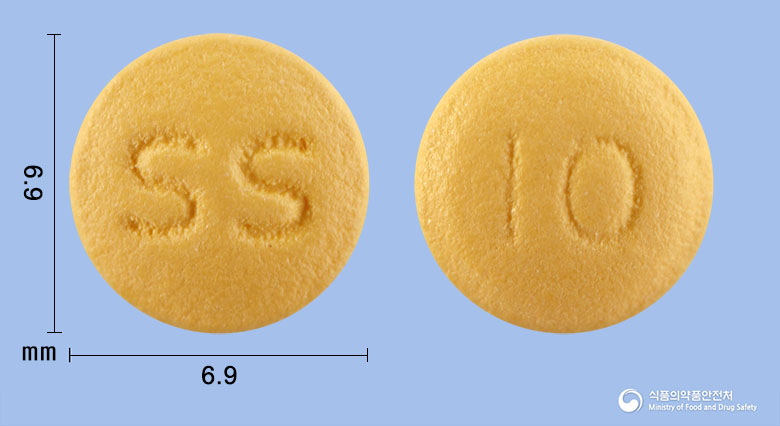
Yellowish round enteric-coated tablet
28 tablets/box (14 tablets/Alu-Alu×2)
Even with the same ingredient, strength, dosage form and how it is taken can differ.
Viewing nowRabeprazole Sodium 10mg
Tablet · Prescription medication
Samsung Pharm Co., Ltd.
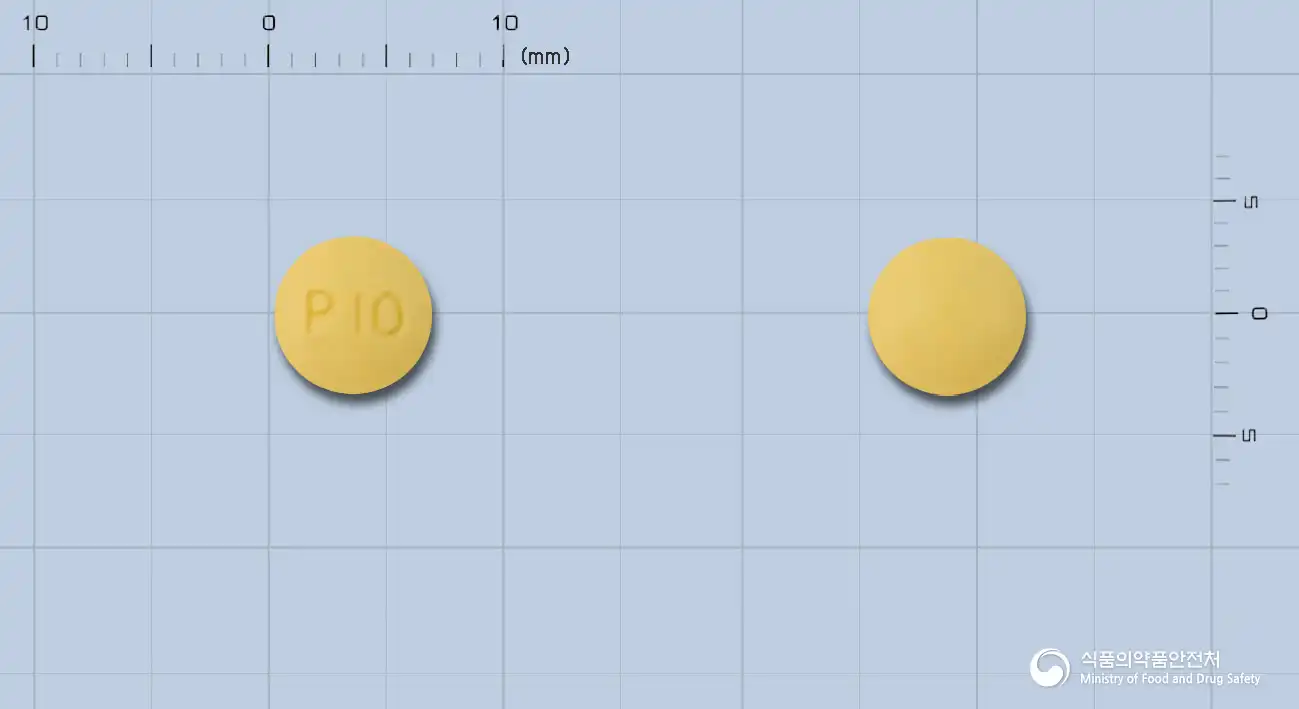
Rabeprazole Sodium 10mg
Tablet · Prescription medication
Genewon Sciences Co., Ltd.
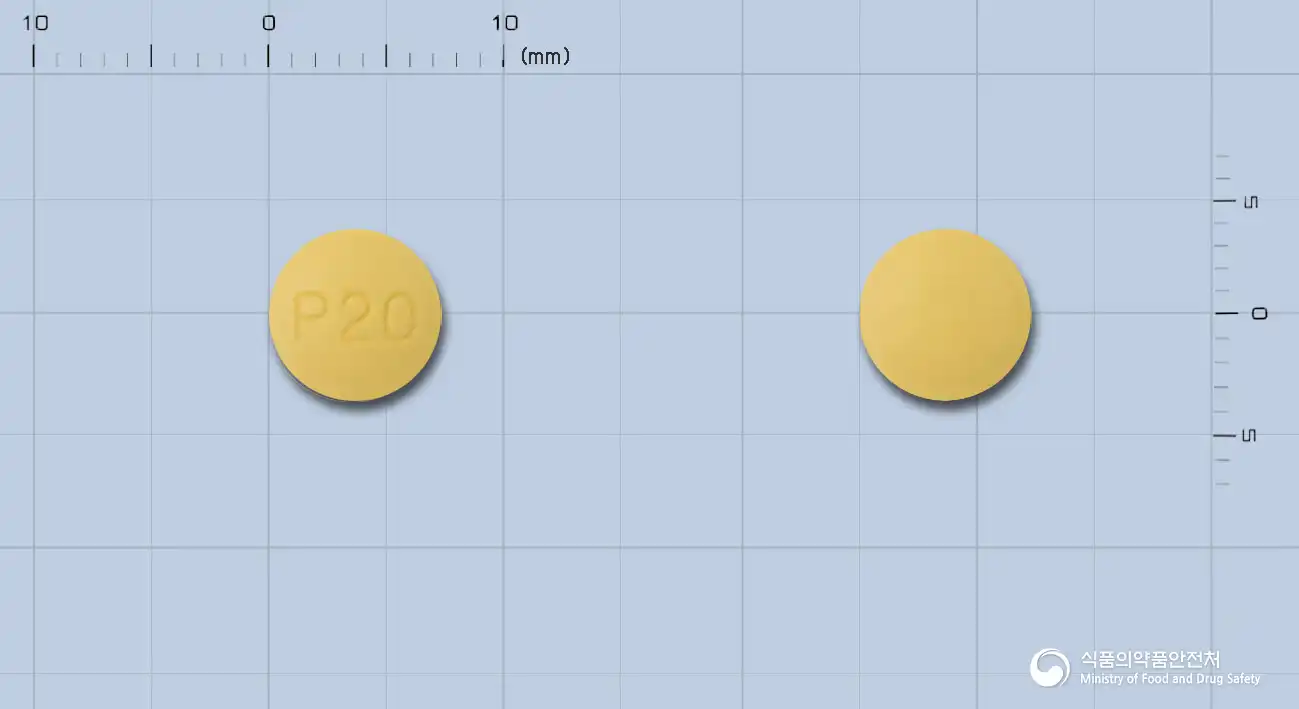
Rabeprazole Sodium 20mg
Tablet · Prescription medication
Genewell Science Co., Ltd.
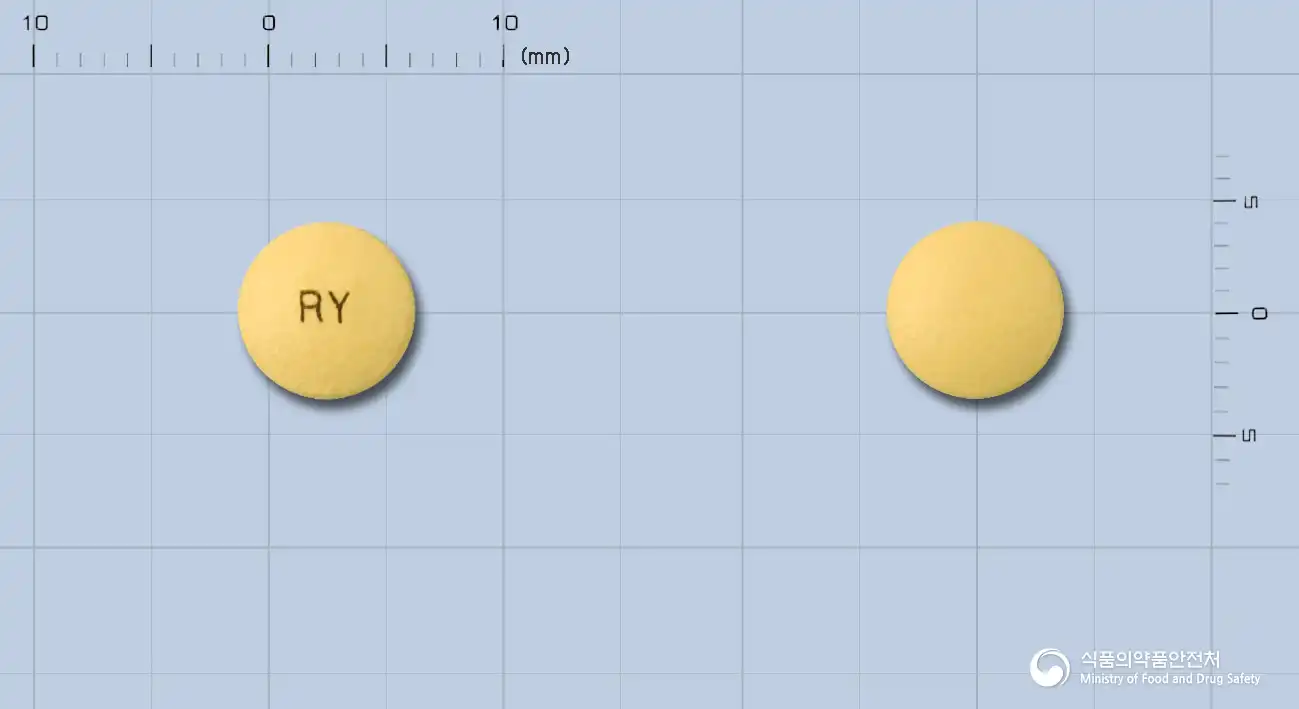
Rabeprazole Sodium 20mg
Tablet · Prescription medication
Ilyun Pharmaceutical Co., Ltd.

Rabeprazole Sodium 10mg
Tablet · Prescription medication
Shinpoong Pharm. Co., Ltd.
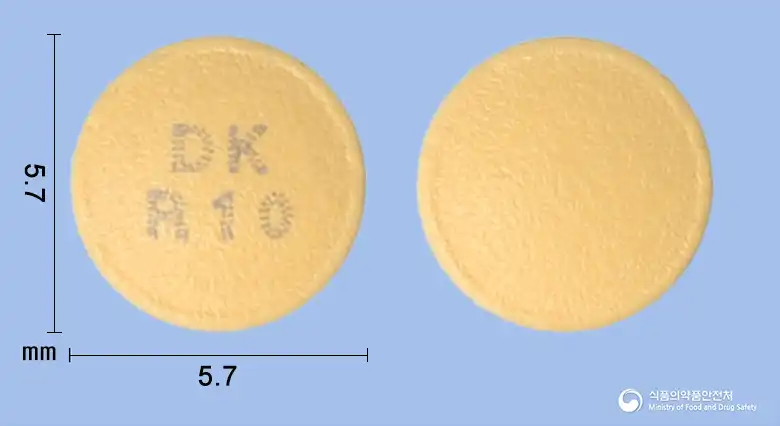
Rabeprazole Sodium 10mg
Tablet · Prescription medication
Dongkuk Pharmaceutical Co., Ltd.
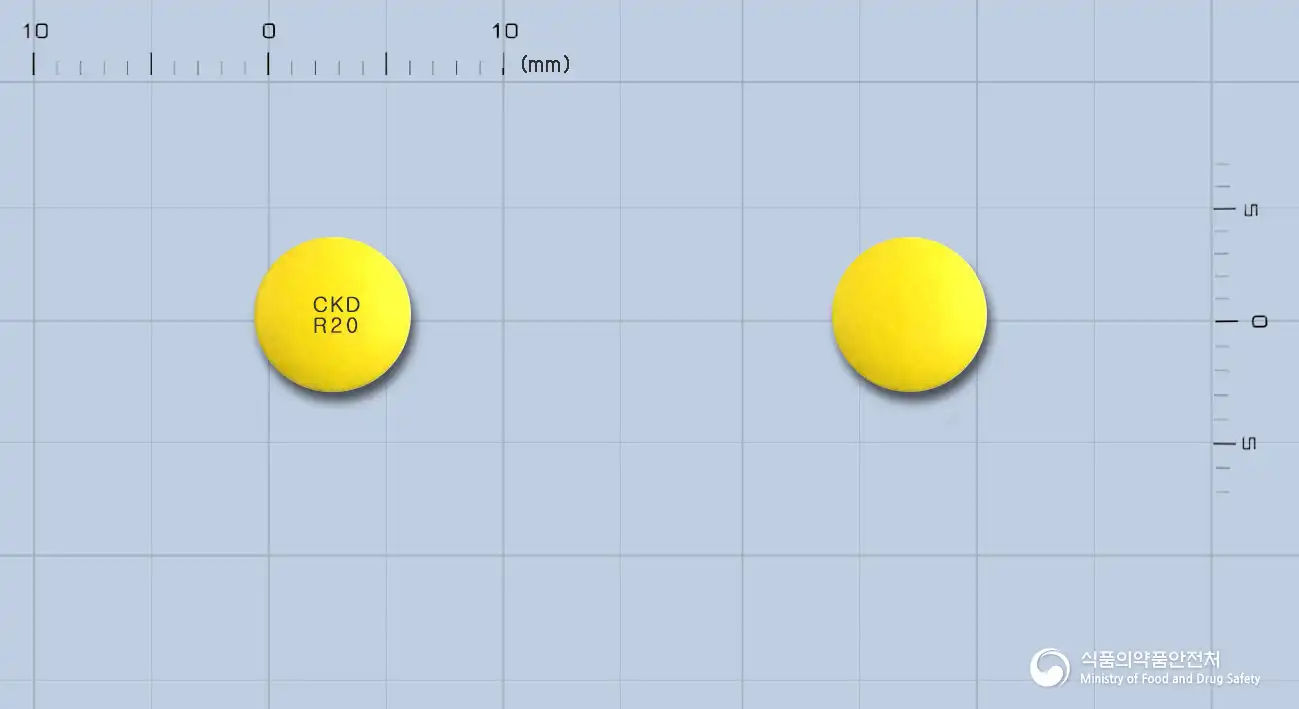
Rabeprazole Sodium 20mg
Tablet · Prescription medication
Jongkundang Co., Ltd.
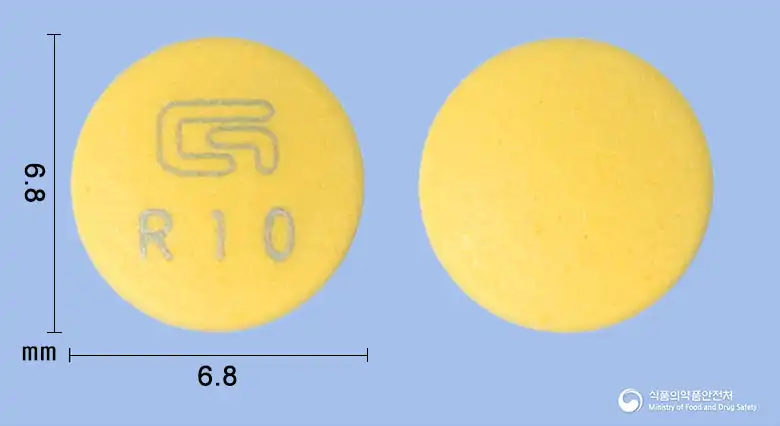
Rabeprazole Sodium 10mg
Tablet · Prescription medication
Donggwang Pharmaceutical Co., Ltd.
Even with the same ingredient, the dose and directions can differ by strength and dosage form. Talk to a doctor or pharmacist before switching from a medication you are already taking.
No questions yet.
For anything that needs medical judgment, consult a doctor or pharmacist.
This drug information is based on data provided by the Korea Ministry of Food and Drug Safety.
Consult a doctor or pharmacist for accurate dosage, administration, and usage instructions.